








Introduction:Have you ever encountered the situation where you ordered an iced Americano at the same café using the same coffee beans, yet the flavor turned out completely different? From rich and full-bodied to bright and crisp, or even becoming astringent—this is actually closely related to many subtle and often unnoticed factors. This article will delve into four key variables, including gas release during the resting period, environmental climate impact, changes in bean hopper pressure, and the heat generated by the grinder, so you can better understand the behind-the-scenes truth affecting the flavor of iced Americanos and master the tips for tasting and selecting your perfect cup.
Have you had this experience? You ordered an iced Americano at the same café, and although it’s the same coffee bean, this time it tasted especially bright and fruity with pronounced acidity, while last time it was richer and even slightly astringent. Such inconsistencies not only puzzle customers but often leave baristas scratching their heads too. In fact, there are many variables at play. Let’s start with the most basic principle: “espresso diluted with water.”
The way an iced Americano is made is quite simple: just add espresso to ice and cold water. Since the water itself has no distinct flavor, the overall taste of the drink almost entirely depends on that shot of espresso. However, even when using the same coffee beans and the same extraction ratio—such as a popular blend like “Sunflower · Warm Sunshine” used by some shops, where 20 grams of coffee grounds yield 40 grams of liquid—if there are slight differences in other steps, the final flavor can still vary greatly.
So, what factors can affect the espresso and thereby change the iced Americano in your hand? Below are four commonly overlooked yet extremely critical variables.

1. The Rhythm of Gas Release During the Resting Period
After roasting, coffee beans still contain a large amount of carbon dioxide inside, especially dark roast beans, whose structure is looser and thus retains more gas. If used too soon after roasting, these gases can interfere with extraction, leading to uneven brewing. The crema may look rich but is actually loose and falls apart easily, with both aroma and taste lacking cohesion.
To ensure the coffee is in optimal condition for extraction,it is recommended to let the beans rest for at least 10 days after roastingto allow the excess gases to dissipate naturally while stabilizing the internal flavor profile. A certain shop’s “Warm Sunshine” blend, for example, is only used for brewing after about 10 days of resting. In the following 20 days, the performance of the espresso also continues to evolve: around days 10–20, the crema is rich and full, with flavors leaning toward bright fruit acids like raspberry, accompanied by notes of vanilla, cream, and slight fermentation; by days 20–30, the crema gradually thins out, and later-stage flavors such as caramel, nuts, and wine become more prominent, with the overall taste becoming richer and fuller.
2. The Impact of Weather and Environmental Humidity
Weather is also a significant variable that affects coffee flavor, especially in humid, stuffy, or low-pressure conditions, such as the “returning humidity” weather common in southern regions. Baristas often need to pay extra attention to extraction under these circumstances. High humidity can cause coffee beans to absorb moisture, leading to clumping of ground coffee particles. This not only affects flow rate but may also trigger channeling, where some areas are over-extracted while others are under-extracted, resulting in flavor imbalance, unpleasant off-notes, or even a salty taste.
Additionally, reduced atmospheric pressure can also affect the extraction pressure performance of the espresso machine, lowering overall extraction efficiency and causing insufficient aroma and thin flavors. Therefore, during such weather conditions, baristas need to observe the extraction status more frequently and adjust grind size and pressure parameters accordingly to ensure consistency in every cup.
3. Changes in Bean Hopper Pressure and Remaining Bean Quantity
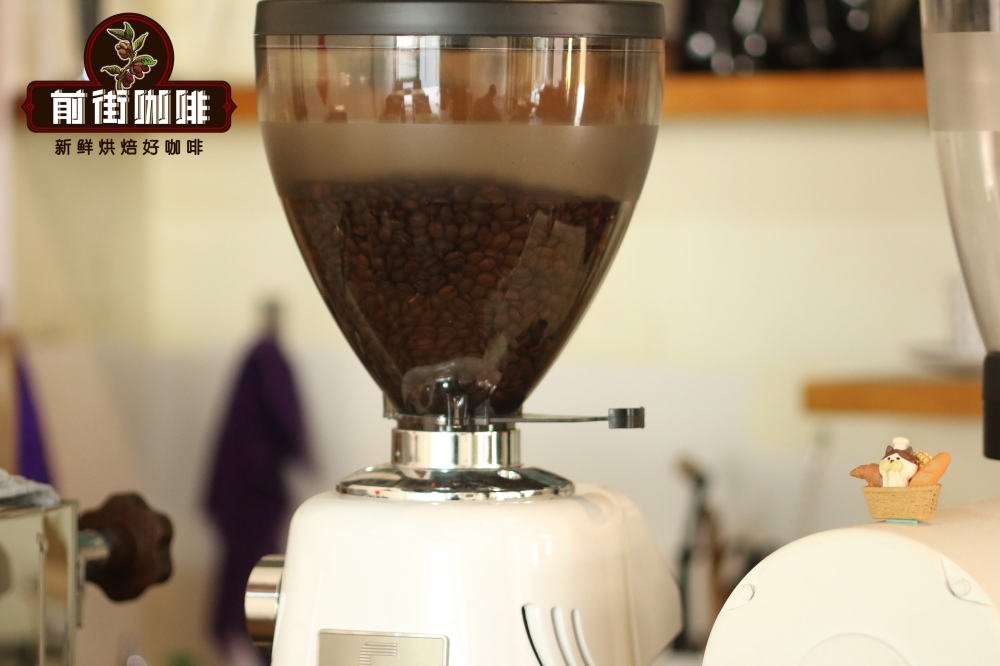
Many baristas have the habit of filling the bean hopper to the top before opening the shop, aiming to maintain stable grinding pressure, ensuring each coffee bean is evenly compressed, resulting in consistent particle size and reducing extraction errors. However, when there are not enough beans left in the hopper, internal pressure drops, which may lead to uneven grind fineness and subsequently affect the espresso flow rate and extraction efficiency.
One shop conducted a test and found that when the remaining bean quantity in the hopper dropped below one-quarter, the ground coffee particles became coarser. Using the same amount of coffee grounds to brew a double shot of espresso, the flow rate accelerated by 3 to 5 seconds, and the final flavor showed a noticeable difference compared to normal conditions. Therefore, it is recommended that baristas keep an eye on the bean hopper level and avoid compromising extraction stability due to insufficient beans.
4. Heat Generated by the Grinder During Continuous Long-Term Operation
During peak hours, grinders are often in continuous operation. The high-speed rotation of the burrs continuously accumulates heat, which can cause the subsequently ground coffee powder to become coarser or uneven, affecting flow rate and flavor release. Moreover, the rise in burr temperature can also accelerate the evaporation of aromatic compounds in the coffee grounds, causing the rich aromas to dissipate prematurely. Coupled with increased temperature of the coffee puck during extraction, the final cup of coffee may end up with reduced body and a thinner mouthfeel.
Therefore, during busy periods, it is advisable to let the grinder rest and cool down appropriately, or to grind in batches, in order to maintain the quality of the coffee particles and extraction stability.
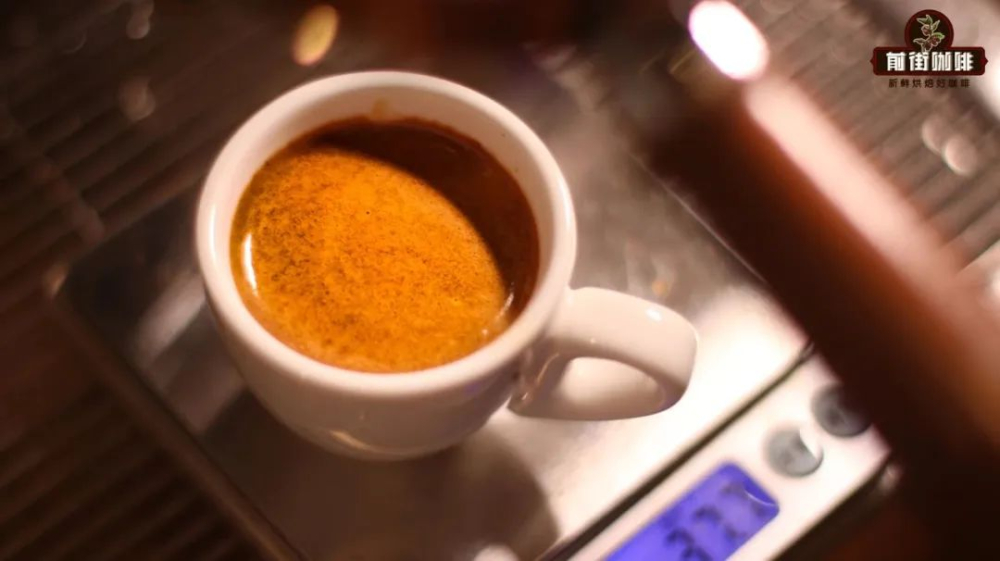
Of course, the factors influencing the flavor of iced Americanos don’t end here. Variables such as differences in the barista’s technique when distributing and tamping the coffee, control over extraction time and liquid weight, and whether parameters are adjusted according to the characteristics of the coffee variety—all of these can affect the final flavor outcome. These details often truly reflect a professional barista’s skill.
This article is not meant to make customers overly critical of baristas, but rather to help everyone understand that a seemingly simple iced Americano actually involves many variables and techniques. By learning about these influencing factors, you can not only better appreciate the complexity and depth of coffee but also discover your own favorite flavor in your daily coffee drinking.

The above content is compiled by CoffeeHunters, a coffee news website.


