







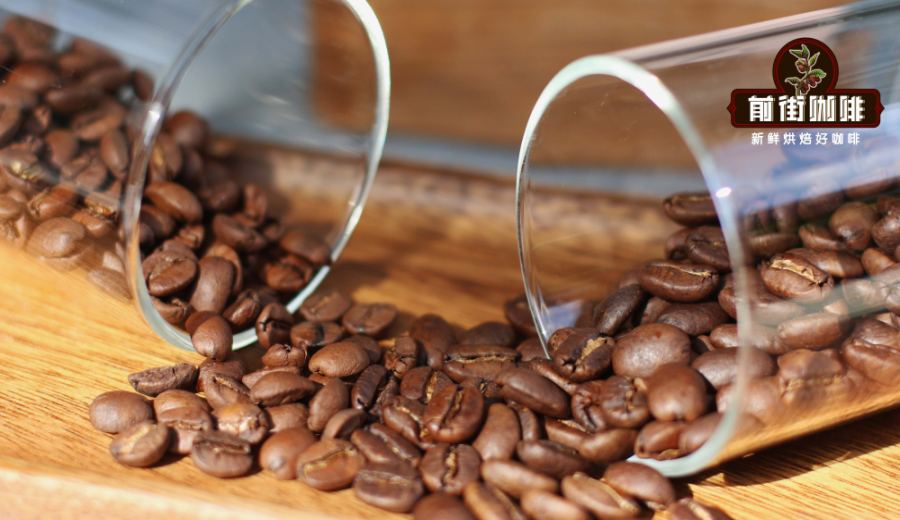
Introduction:The Mamba Blend is a classic combination cherished by many coffee enthusiasts, crafted from a 1:1 ratio of Indonesian Lintong Mandheling and Brazilian Red Bourbon. It delivers a beverage with a rich, chocolatey profile. This article delves into the regional backgrounds, processing methods, and brewing essentials of this blend, along with practical pour-over parameters to help you better capture its layers and aftertaste.
When it comes to classic coffee blends, the name "Mamba" is often mentioned by seasoned coffee aficionados. This 1:1 blend of Indonesian Lintong Mandheling and Brazilian Red Bourbon is beloved by those who enjoy bold flavors for its intense, full-bodied taste and distinct notes of dark chocolate and herbal finish. This article will take you through a comprehensive exploration of this classic combination, covering everything from regional characteristics, processing methods, roast levels, to practical pour-over recommendations.
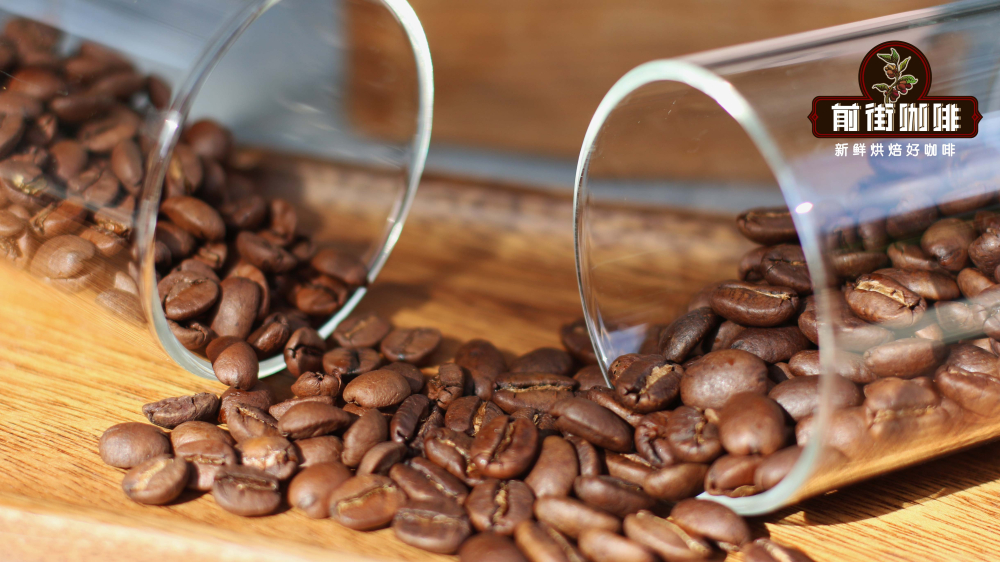
Lintong Mandheling comes from the Lintong region in northern Sumatra, Indonesia, located on the southern side of Lake Toba. It is one of Indonesia's two most renowned Mandheling-producing areas. The region sits at an altitude of 1,000 to 1,500 meters within the volcanic belt, surrounded by numerous lakes. The volcanic ash soil around Lake Lawar is rich in minerals, and the tropical rainforest climate—with its consistently high humidity and rainfall—creates an ideal environment for growing Arabica. Most of the coffee here is cultivated by indigenous smallholder farmers using meticulous farming practices. Though yields are modest, the beans exhibit highly distinctive regional flavor profiles.
Indonesia’s proximity to the equator means its climate is persistently humid and rainy, posing significant challenges for the traditional washed processing method, which typically requires prolonged sun drying. As a result, a unique processing technique called "wet hulling" (also known as Giling Basah) has been developed locally. In this method, the coffee cherry's skin and pulp are first removed, leaving the parchment and mucilage intact. After a brief fermentation, the mucilage is washed off, and the beans, still wrapped in parchment, are partially dried to a moisture content of around 20%–24%. At this stage, the outer parchment layer is removed before final drying. This approach not only speeds up the drying process but also ensures more even heat distribution on the bean surface. However, it can leave behind distinctive "slipper marks" during hulling, which are actually natural characteristics of wet hulling rather than defects.
Lintong Mandheling often presents sweet herbal aromas when brewed, accompanied by spicy notes reminiscent of cinnamon, with subtle citrus peel fragrances. In terms of flavor, it boasts a full body with a base of cream and walnut, highlighted by distinct dark chocolate notes. The finish offers a refreshing herbal touch paired with a long-lasting caramel sweetness. The acidity is mild and never overpowering, resulting in a well-defined and layered flavor profile.
The other component of the blend—Brazilian Red Bourbon—comes from Brazil’s South Minas region, grown at altitudes of approximately 700 to 1,200 meters. As the world’s largest coffee producer, Brazil’s coffee cultivation is primarily concentrated in highland and some lowland areas, with the Bourbon variety (including Red Bourbon, Yellow Bourbon, and Santos) being the dominant cultivar, known for its stable and balanced profile. Compared to typical Brazilian beans, Red Bourbon offers a more pronounced sweetness, with a nutty flavor profile, low acidity, and a clean, smooth mouthfeel. It serves as the base bean for many espresso blends and is often used in recipes aiming to recreate the classic "Blue Mountain" flavor.
This Brazilian Red Bourbon is processed using the "semi-washed" (pulped natural) method: harvested coffee cherries are first floated in water tanks to remove unripe and defective beans, followed by the removal of the outer skin and part of the pulp. A depulper is then used to eliminate the mucilage, and the beans are subsequently sun-dried. This method effectively reduces the risk of fermentation and spoilage during unfavorable weather while shortening the drying time, helping preserve superior flavor purity and sweetness.
Both beans are medium-dark roasted to enhance their robust base and flavor integration. A certain roaster combines Lintong Mandheling and Brazilian Red Bourbon in a 1:1 ratio to create a Mamba Blend that is both balanced and distinctly characterful.
If you’d like to try brewing this classic at home, we recommend using the pour-over method with the following details: choose a grind size similar to medium sugar granules, and control the water temperature at88°C, with a suggested coffee dosage of15 grams, using a Kono filter. Set the coffee-to-water ratio at1:15. For the brewing steps, start by pouring 30 grams of water fora 30-second bloom, followed by the first pour to reach120 milliliters, then pause, and continue pouring until the total volume reaches approximately240 milliliters, with a total brew time of about1 minute and 50 seconds.
After brewing with the pour-over method, the Mamba Blend emits natural aromas of spices and herbs in the dry stage, while the wet aroma releases intense chocolate notes. The initial sip reveals gentle fruity acidity, followed by a clear and lasting dark chocolate flavor in the mid-palate. The finish carries on with Mandheling’s signature herbal notes and caramel sweetness. Overall, the cup is rich and full-bodied, with noticeable but well-balanced bitterness—making it ideal for those who enjoy deep-roast flavors and bold, full profiles.
In summary, the Mamba Blend stands out with its classic flavor profiles from Indonesia and Brazil, enhanced by medium-dark roasting and a precisely balanced blend ratio, resulting in a uniquely rich, bold, and well-balanced bitter-sweet character. If you’re looking for a deep-flavored, everyday-heavy blend, this classic combination is definitely worth trying. Feel free to adjust the pour-over parameters above to find your own optimal extraction method.
The above content is compiled by CoffeeHunters, a coffee news website.


