







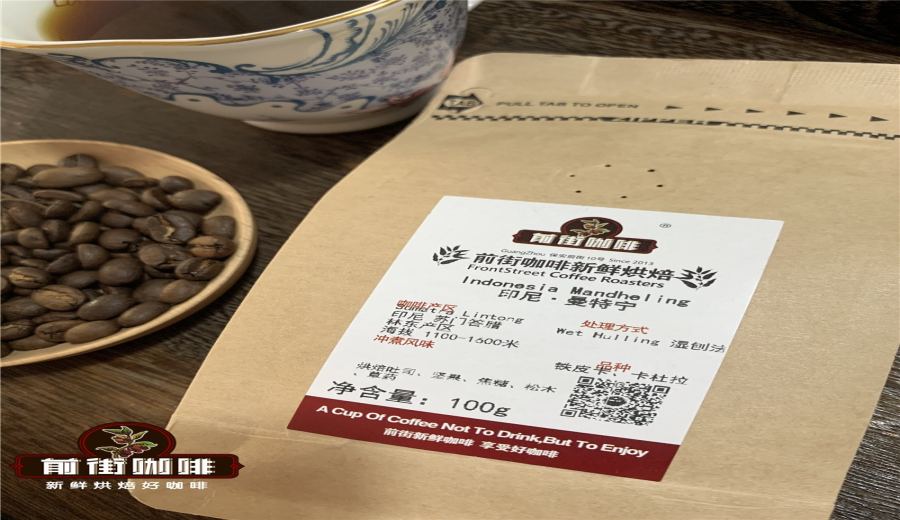
Introduction:Want to explore a coffee flavor that is not acidic but rich and full-bodied? Mandheling has always been a top choice for many coffee enthusiasts, especially Golden Mandheling from Sumatra, Indonesia, which is renowned for its abundant sweetness and low off-flavors. This article will delve into the origins of Mandheling, the differences between Golden Mandheling and regular Mandheling, and provide professional pour over recommendations and extraction parameters to help you fully master the brewing tips and flavor characteristics of this classic coffee bean.
The Origin of Mandheling: A Name Born from a Misunderstanding
The origin of the name "Mandheling" is actually quite story-rich. It is said that during World War II, a Japanese soldier tasted an impressive coffee in Indonesia and later commissioned the local trader PWN (PAWANI) to procure high-quality coffee beans. Due to commercial confidentiality or a language misunderstanding, the term "Mandailing" was mistakenly translated as "Mandheling," and it has since become synonymous with this Sumatran coffee. This name is also tied to the importance of the Japanese market for Indonesian coffee and the significant role of PWN in the coffee bean supply chain.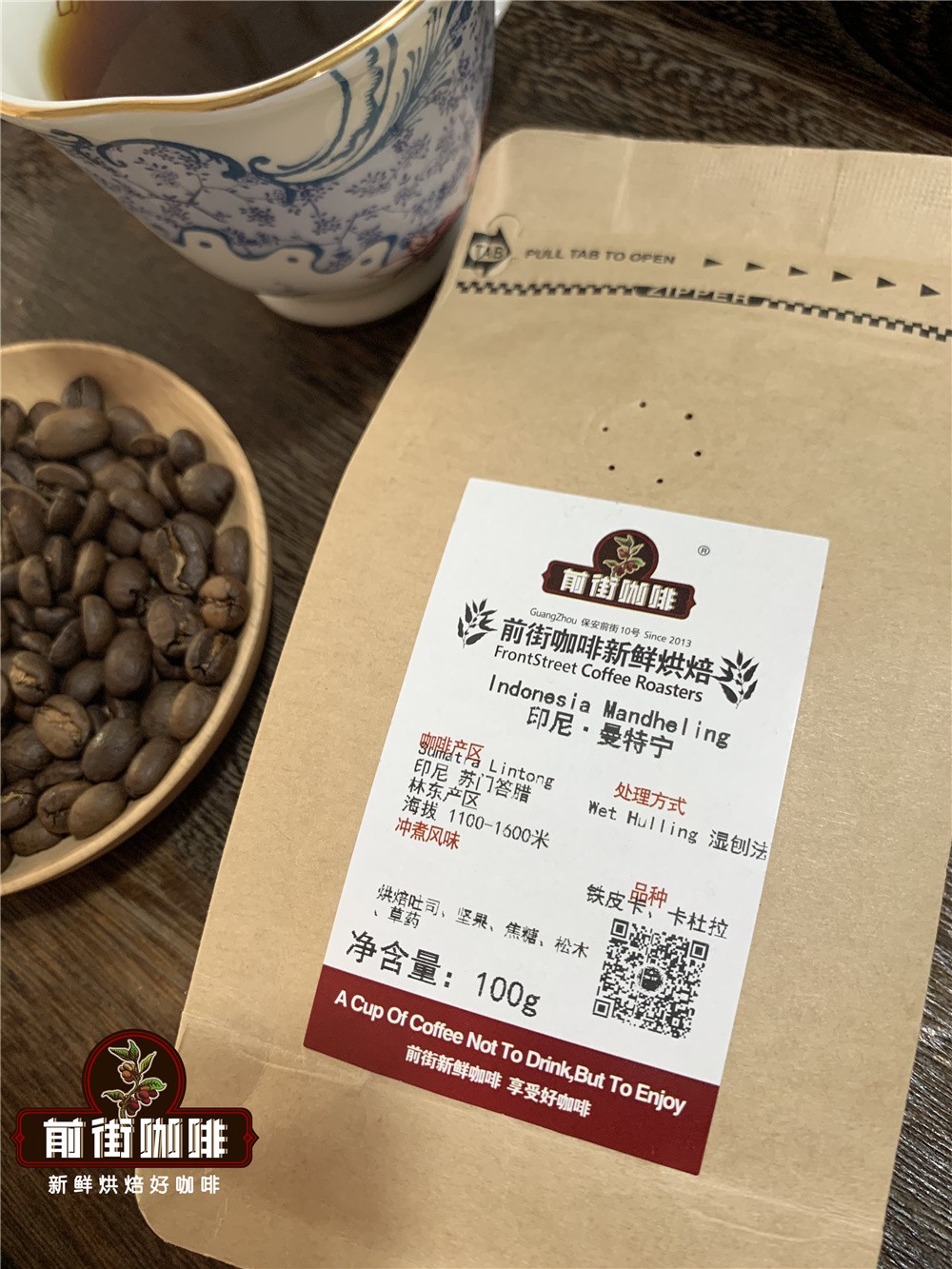
What is Mandheling? A Classic Flavor from Sumatra
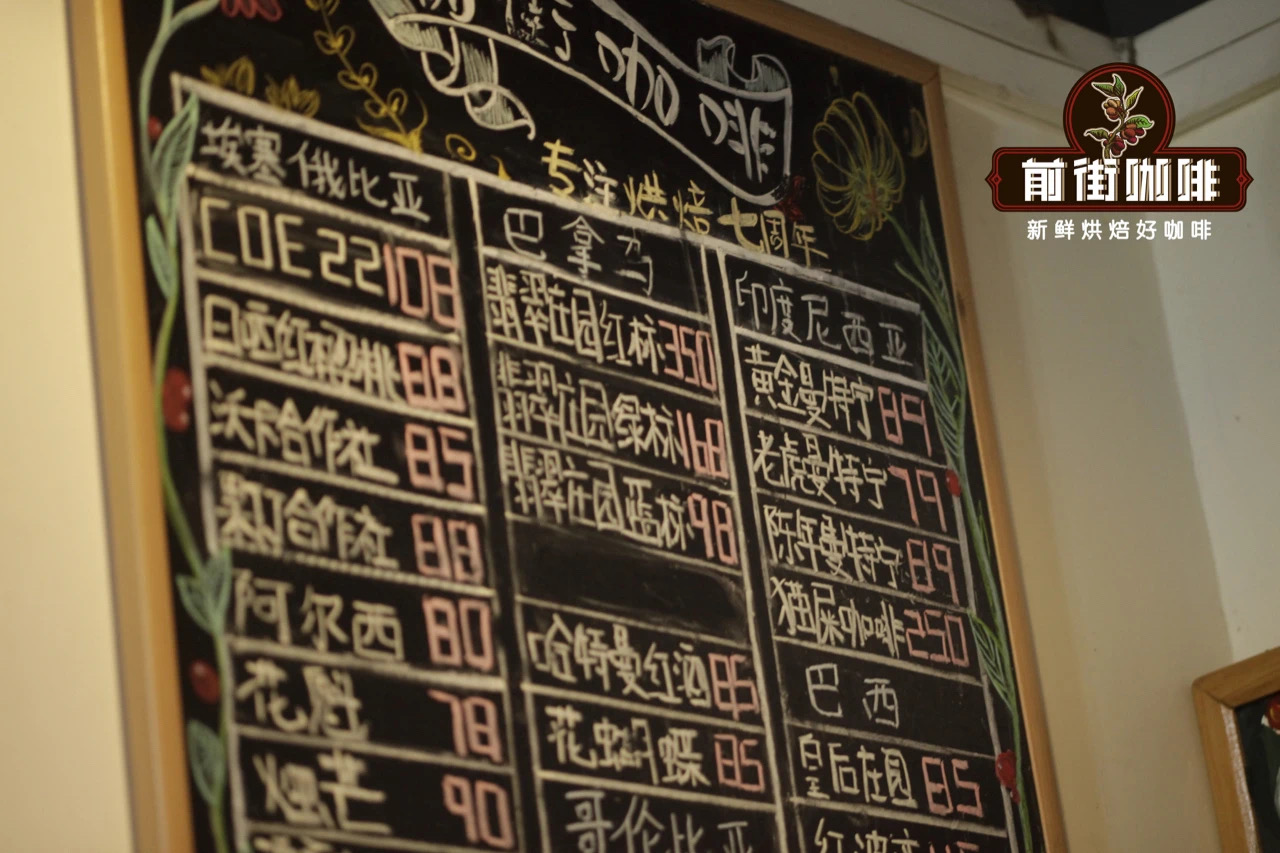
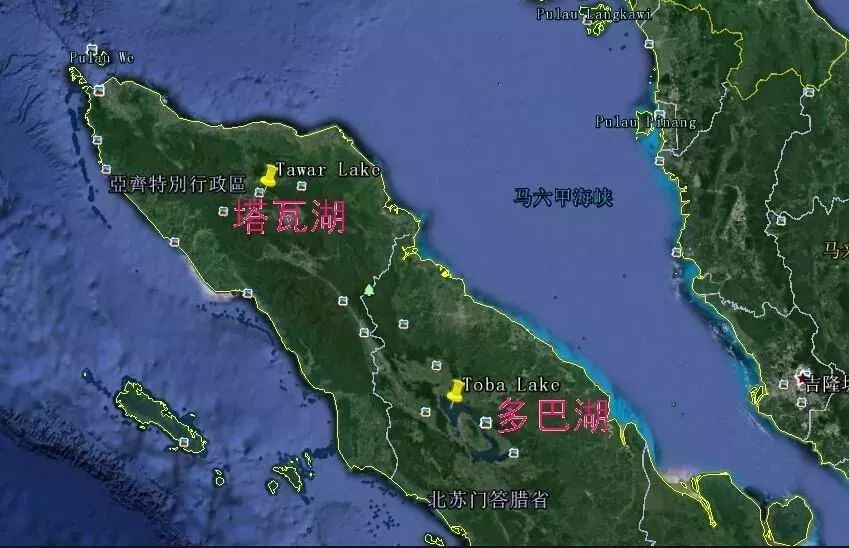
Mandheling coffee is mainly produced in several well-known regions of Sumatra, Indonesia, including the Gayo Highlands (Aceh region), Lintong, and Sidikalang. Among them, the Lintong region, located near Lake Toba at an altitude of about 1400-1800 meters, is an important source of classic Mandheling. The varieties grown in these areas are mostly Jember, Garundang Typica, and Ateng, and the climate and high-altitude environment contribute to their unique full-bodied and low-acid characteristics.
PWN Golden Mandheling: A Guarantee of Quality and Trademark
PWN (PAWANI) is a long-established Indonesian coffee bean exporter. Since its establishment in 1958, it has been dedicated to exporting high-quality Sumatran coffee to the Japanese market. Golden Mandheling is a premium-grade Mandheling selected and trademarked by PWN. Only beans in sacks marked with the PWN logo and accompanied by an official factory certificate are genuine. Compared to regular Mandheling, Golden Mandheling undergoes stricter screening and typically has more uniform bean appearance and fewer defects.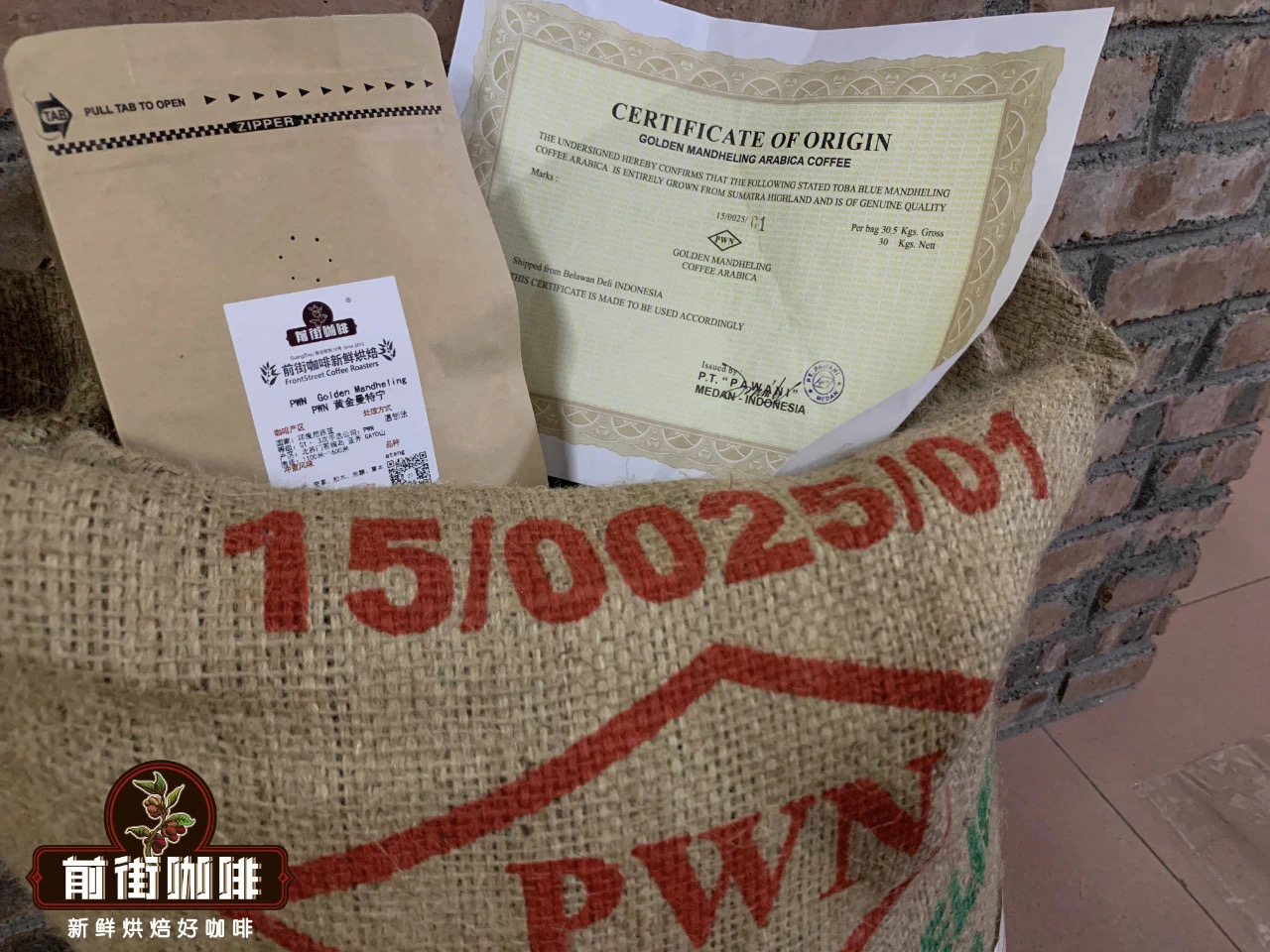
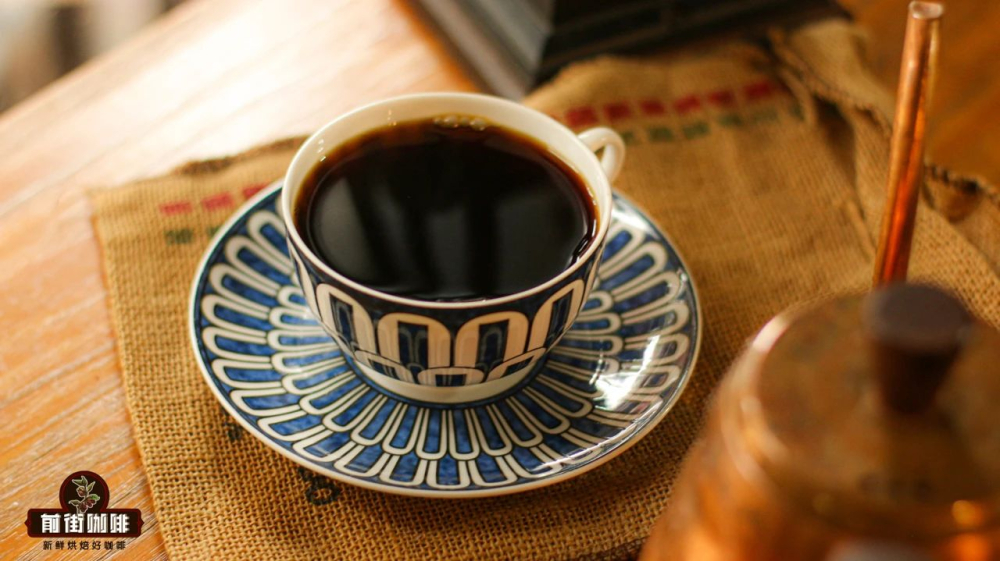
Golden Mandheling vs Regular Mandheling: Key Differences in Appearance and Flavor
Golden Mandheling green beans usually have a smoother, greener appearance with complete polishing, while ordinary Mandheling often has a mottled look. In terms of flavor, Golden Mandheling is generally cleaner, with noticeably fewer off-flavors such as herbal, earthy, and woody notes, and exhibits a stronger caramel sweetness and bright fruit acidity. On the other hand, regular Lintong Mandheling may retain more of the traditional Mandheling’s heaviness and earthy tones, making it suitable for drinkers who prefer deep and bold flavors.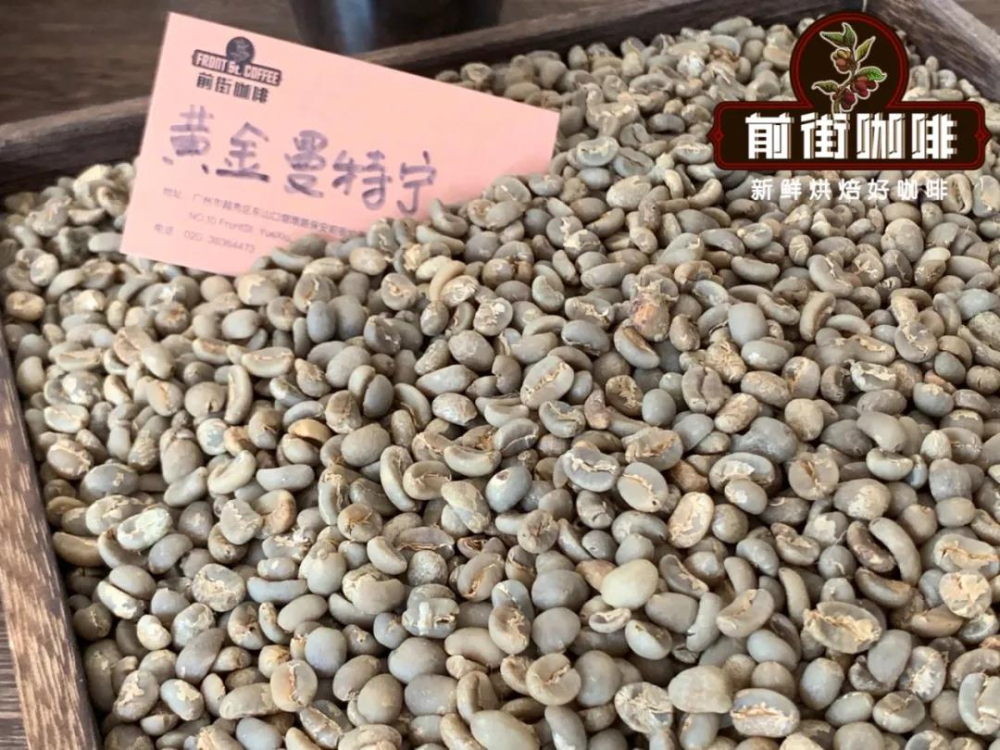
Wet Hulling: Sumatra’s Unique Coffee Processing Technique
Due to Sumatra’s humid climate, which is unsuitable for traditional sun-drying or washed processing, the locals developed "wet hulling." The process includes removing the skin and pulp while retaining the parchment and mucilage, fermenting in water tanks, washing off the mucilage, then drying the parchment-covered beans to about 20-24% moisture, followed by hulling off the parchment, and finally drying down to 12-13% moisture content. This method gives Mandheling its rich, full-bodied, low-acid profile with unique earthy and spicy notes.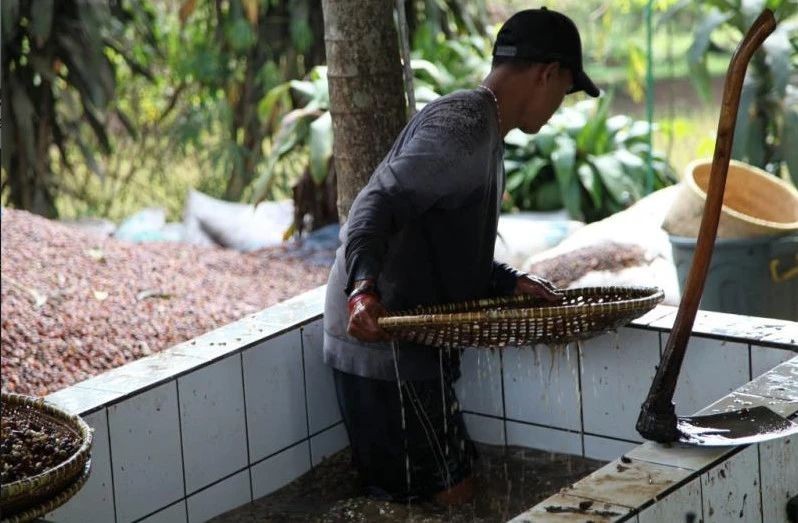
Roasting and Pour Over Recommendations for Golden Mandheling
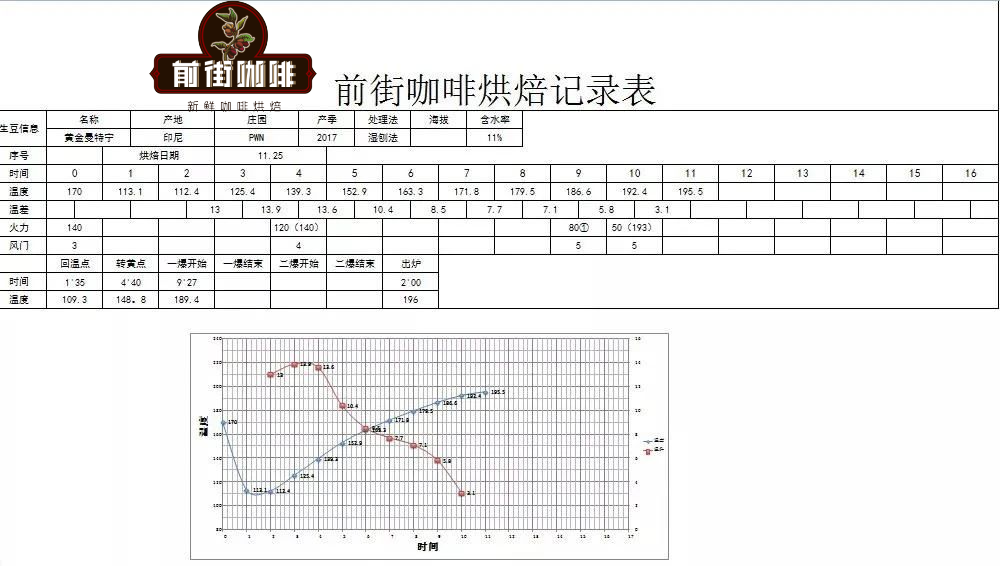
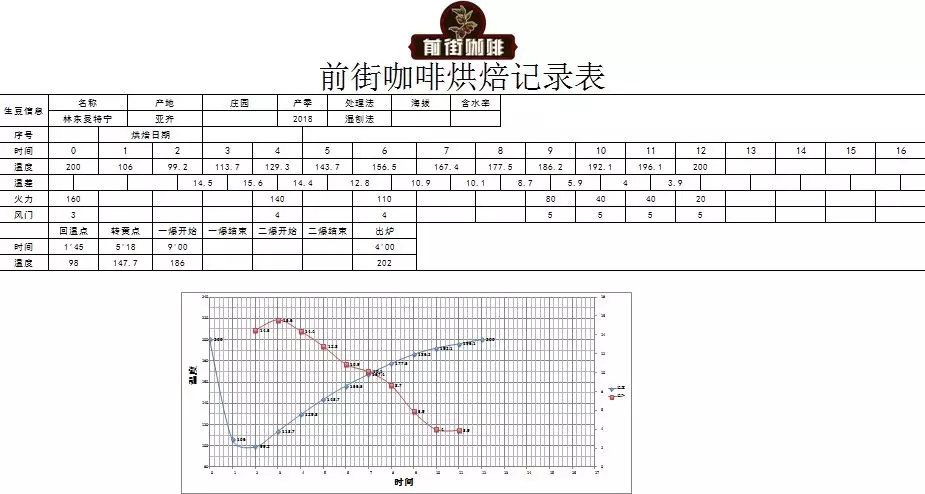
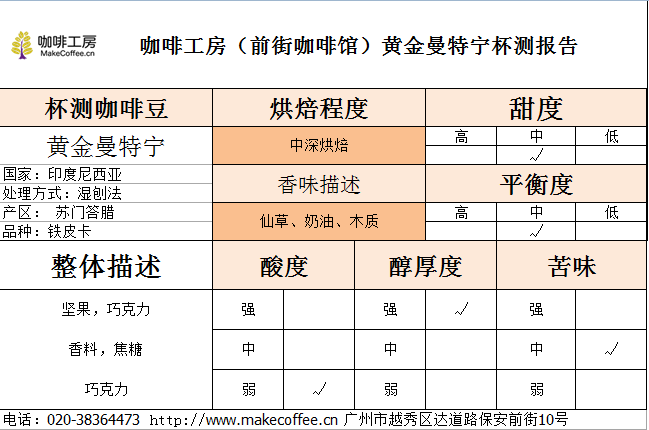
Because Golden Mandheling has a higher moisture content, attention should be paid to stability during the drying phase of roasting. It is recommended to start with a small air vent for soaking, then gradually increase the temperature and adjust the air vent, increasing ventilation after first crack. Medium to dark roasting is generally recommended to fully showcase its sweetness and low off-flavor characteristics. For pour over, it is recommended to use a KONO filter, with 15 grams of coffee, a 1:15 coffee-to-water ratio, a water temperature of 86-88°C, and a grind size of medium-coarse, around 70% passing through a #20 sieve. The pouring technique suggests starting with 30 grams of water for a 30-second bloom, followed by incremental pours to 125 grams and 225 grams, with a total extraction time of about 2 minutes, which can fully bring out its layered profile and caramel aftertaste.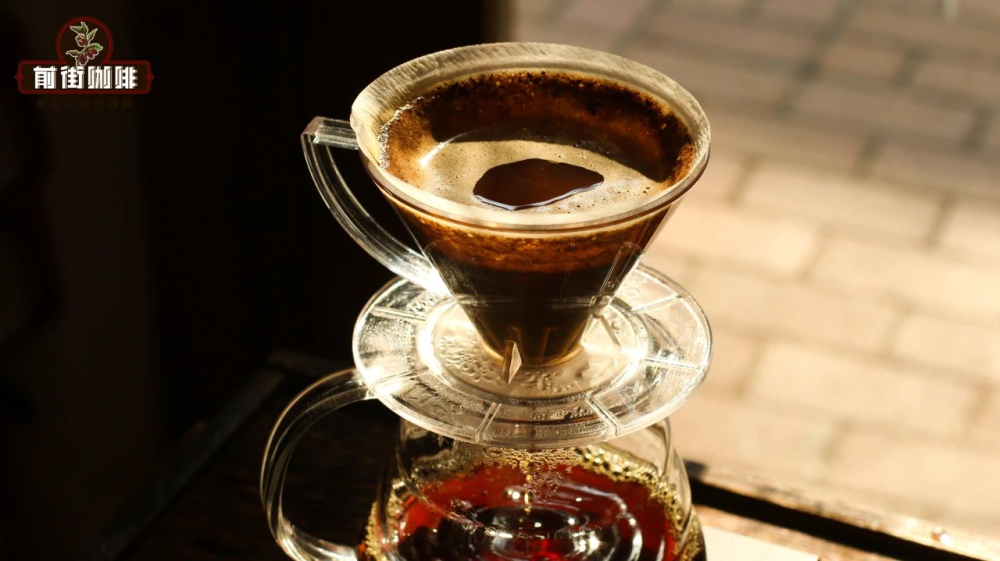
Flavor Profile: Golden Mandheling vs Lintong Mandheling
Golden Mandheling offers a diverse flavor profile, with a clean and balanced mouthfeel, and a long-lasting caramel sweetness in the aftertaste, along with bright and elegant acidity. Lintong Mandheling often features herbal, dark chocolate, and caramel notes, with a noticeable sweetness but slightly more off-flavors. Both are suitable for coffee lovers who enjoy a full-bodied style, but Golden Mandheling excels in clarity and blending versatility.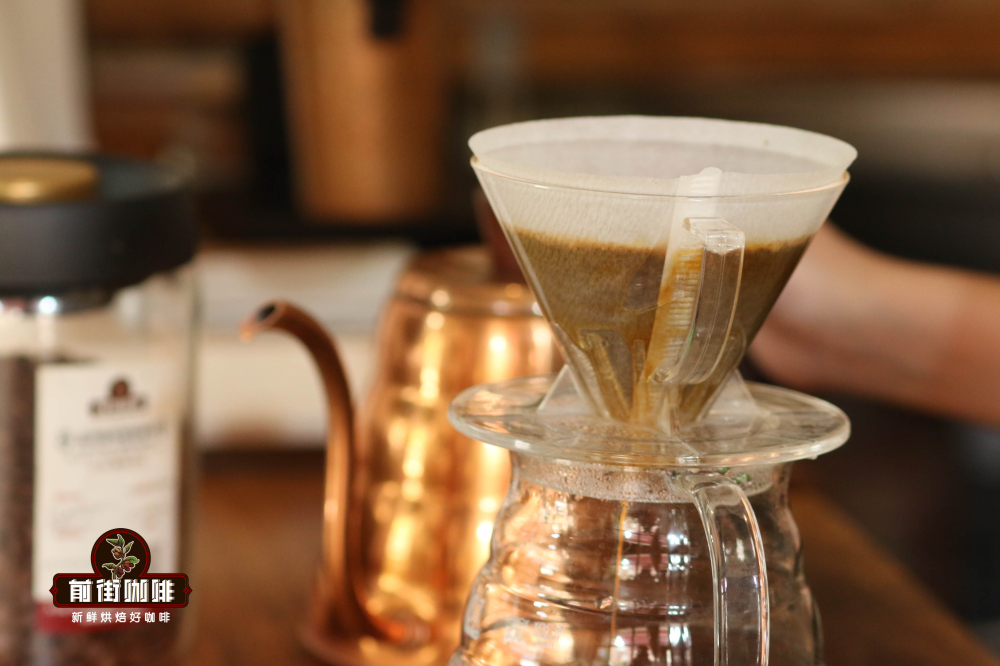
The above content is compiled by CoffeeHunters, a coffee news website.


