







Introduction:SOE (Single Origin Espresso) coffee has been receiving increasing attention in recent years. What exactly sets it apart from common blends? This article delves into the unique flavor profile of SOE, compares its pros and cons with blends, and uses real-world examples to guide you through extraction parameter settings and operational details. Whether you're a coffee novice or a professional barista, you can gain essential knowledge here to improve your extraction quality.
In the world of specialty coffee, SOE (Single Origin Espresso, or single-origin espresso) has gradually become a focal point for many coffee enthusiasts and professional shops. Simply put, SOE refers to espresso made using beans from a single origin, highlighting the unique flavor characteristics of that particular region. Compared to common blends, SOE better showcases the distinctiveness of individual origins—such as bright acidity, rich floral notes, or unique sweetness.
Walking into modern cafés, it’s not hard to find shops showcasing the characteristics of beans from specific regions via pour over methods. As the concept of "single origin" extends into the espresso domain, SOE has emerged as a result. Customers often see items like “SOE Latte” or “SOE Americano” on the menu—these drinks are all made using single-origin coffee beans as the base. But sometimes customers wonder: why does the shop use a regular blend instead of the more flavorful SOE?
It’s worth noting that the term “SOE blend” is occasionally heard in casual conversation, but this is actually a misunderstanding of what SOE means. In industry consensus, SOE must be made from beans of a single origin, whereas a blend combines beans from two or more different regions, aiming to achieve a balanced and complementary flavor profile. Therefore, “SOE” and “blend” are fundamentally different and should not be confused.
The biggest advantage of blends lies in their balance. By skillfully combining beans with different flavor profiles, blends can harmonize acidity, sweetness, and bitterness, enhancing overall body and smoothness. For beginners in coffee, this makes blends relatively easier to enjoy. A well-crafted blend can bring together the strengths of multiple beans, delivering a stable and rich taste. Common examples include classic blends with notes of caramel, dark chocolate, and toasted bread, or dark cocoa blends with hints of nuts, cocoa, and plum—these are popular choices for espresso, especially beginner-friendly options.
In contrast, SOE aims to maximize the personality of beans from a single origin. Especially under light roasting, SOE often exhibits more pronounced aromas, vibrant acidity, and even a touch of intensity. For instance, many cafés favor using beans from Yirgacheffe to make SOE, and the resulting espresso often features intense floral notes and high acidity—perfect for consumers who enjoy a refreshing, acidic cup.
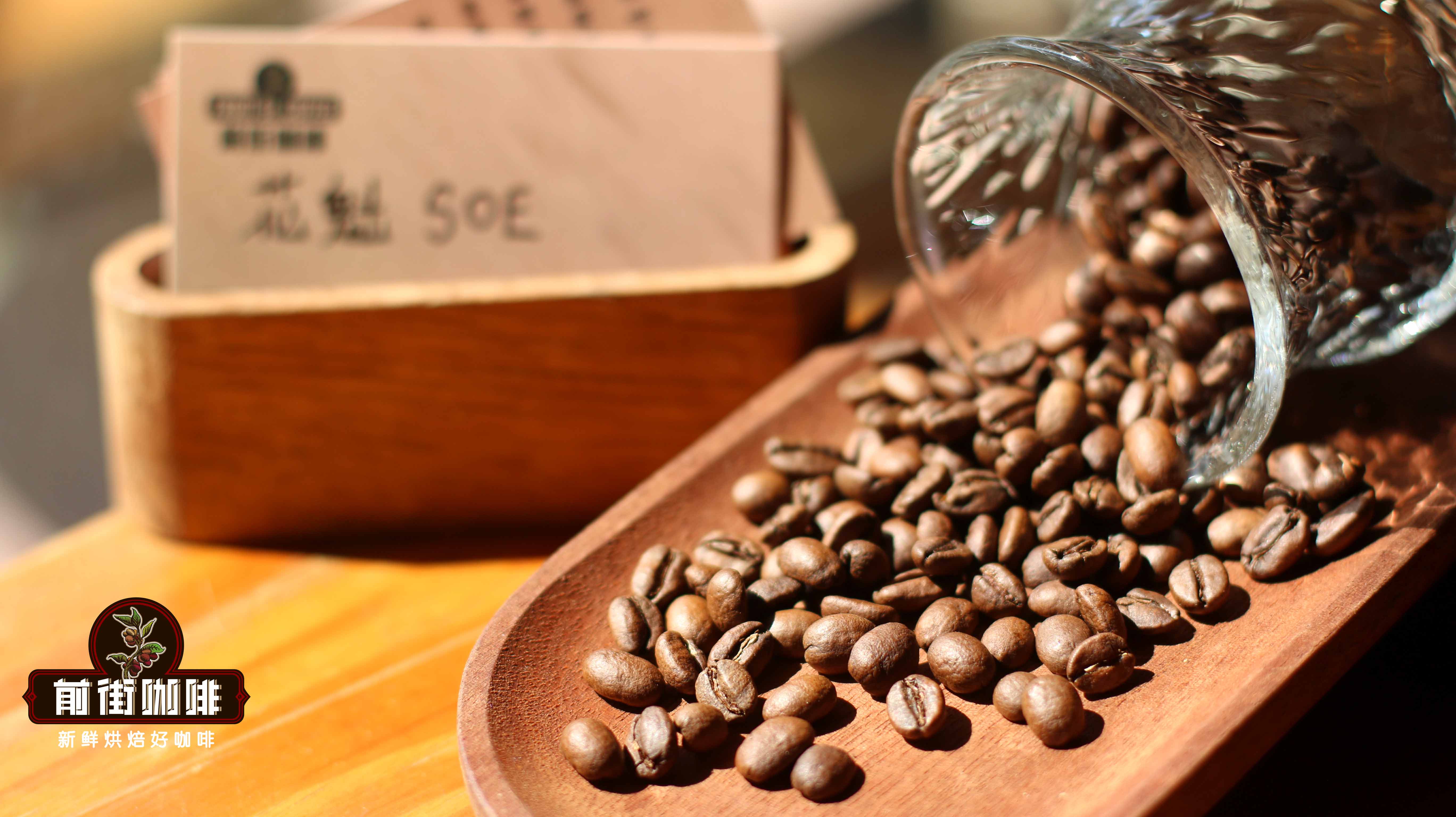
The rise of SOE reflects consumers’ higher expectations for coffee quality and personalized flavor experiences. A great SOE not only showcases the unique charm of its origin but also elevates the overall coffee experience. Common SOE bean choices include: readers who enjoy Ethiopian floral and fruity notes might try the Natural Hua Kui SOE; those who prefer sweet dried fruit profiles may opt for the Mozart SOE; and those wanting to explore tropical fruit flavors could give the Sidamo SOE a try.
However, extracting SOE comes with a relatively higher learning curve. Each SOE, due to differences in origin, processing method, and roast level, requires careful adjustment of extraction parameters such as grind size, brew ratio, and time control based on actual conditions. Compared to the stability and balance of blends, SOE demands higher technical skill from baristas. Improper parameter settings can easily amplify the bean’s flaws and negatively affect the final flavor.
Compared to traditional espresso beans, SOE often uses lighter roasts to preserve more acidity and delicate aromas, thereby presenting a more distinctive flavor profile. However, during actual extraction, factors such as the high temperature and pressure environment, fast flow rate caused by fine grinding, and changes in crema can lead to some differences between the final SOE flavor and its pour-over counterpart. Below, we’ll use the Mozart SOE as an example to detail its extraction process and key parameter settings.
SOE Extraction Parameter Practical Reference
Coffee Beans:.Costa Rica Mozart
Coffee Powder Amount:20 grams
Coffee Liquid Amount:40 grams
Powder-to-Liquid Ratio:1:2
Extraction Time:26–32 seconds
Grind Setting:Galileo 2.0 Notch
When using a coffee machine with a double-shot basket, add 20 grams of coffee powder each time and follow a 1:2 powder-to-liquid ratio, aiming to extract 40 grams of coffee liquid within 26 to 32 seconds. Generally, a single extraction time is recommended to be kept between 20 and 35 seconds: if under 20 seconds, the flavor may come across as thin; if over 35 seconds, over-extraction may lead to burnt, bitter notes. Therefore, maintaining an extraction time of 26–32 seconds helps achieve the best balance.
Before starting the extraction, ensure the portafilter basket is clean, and grind the required amount of coffee powder using the grinder. It’s recommended to weigh the powder precisely with an electronic scale, distribute the coffee evenly with a distribution tool, then tamp it vertically with a tamper to ensure a compact puck—laying a solid foundation for stable extraction.
After starting the extraction, run water for 1–2 seconds first; this helps wet the group head and clear any residual coffee grounds. Then, place the extraction cup under the group head, and put an electronic scale under the cup and tare it to accurately monitor the extracted liquid volume. Securely lock the portafilter into place, begin extraction, and closely observe the flow rate. When the scale shows 40 grams and the extraction time is around 30 seconds, you can turn off the extraction switch.
Note that since daily humidity and bean condition may vary slightly, it’s advisable to flexibly adjust the powder amount, grind size, and extraction time according to actual conditions to maintain flavor consistency.
The Mozart SOE extracted using the above parameters can be enjoyed straight, with no significant bitterness. If you’re not used to the intense flavor of espresso, you can also adjust it to your liking: mix with ice water or hot water at a 1:4 ratio to create a refreshing SOE Americano; or add fresh cream and milk at a 1:6 ratio to make a smooth SOE Latte, enjoying a variety of coffee flavor experiences.
The above content is compiled by CoffeeHunters, a coffee news website.


