







Introduction:The world of specialty coffee is vast and varied, often leaving beginners unsure where to start. This article provides an easy-to-understand introduction to the origins and evaluation criteria of "specialty coffee," explores the SCAA cupping score system, and curates 10 unique single-origin pour over beans—including Yirgacheffe Red Cherry, Costa Rica Honey Process, and PWN Golden Mandheling—analyzing everything from regional characteristics to flavor profiles to help you find your perfect match based on personal taste.
What is the charm of specialty coffee? The answer often lies in the terroir and meticulous processing behind each bean. But what exactly qualifies a coffee bean as "specialty"? Where should pour over beginners start? We begin with the concept of "terroir flavor" first introduced by Ms. N. E. Knox in 1974 and revisit the SCAA’s 80-point cupping standard to delve into the definition and evaluation of specialty coffee. Additionally, we’ve selected ten single-origin beans from long-standing industry producers, roasted and shipped the same day, offering everything from bright fruity and floral notes to sweet fermented aromas and classic rich profiles to help you find the best fit for your taste preferences.
One of the most common questions consumers ask when purchasing specialty coffee beans is: "Which brand’s beans taste better?" In fact, as the specialty coffee market matures, consumers have more options and access to more information. However, the key to choosing truly trustworthy specialty coffee lies in whether the brand maintains high standards for every product’s quality.
What is "specialty coffee"? The term was first coined by the "mother of specialty coffee," Ms. Erna Knutsen, in 1974, when she used it in an interview with Tea & Coffee Trade Journal to describe coffees with unique regional flavors that far surpass ordinary commercial beans. She emphasized that different regions, due to variations in altitude, climate, soil, and cultivation methods, produce coffee with distinct personalities—this is the core value of specialty coffee. However, the term only gained global recognition after the founding of the SCAA (Specialty Coffee Association of America).
In 1982, 48 industry professionals, including Ted Lingle and Donald Schoenholt, were inspired by Ms. Knutsen and founded the SCAA. By 2009, the association clearly defined the cupping standard for specialty coffee: only coffees scoring 80 points or higher in standard cupping evaluations can be classified as specialty. This scoring system thoroughly assesses multiple criteria, including dry fragrance, wet aroma, flavor, aftertaste, acidity, body, and balance. Readers interested in learning more can refer to relevant cupping guides.
Today, many coffee shops and brands focus on "single-origin coffee," meaning beans sourced from a single region with a clear variety. However, the industry believes that single-origin does not automatically mean specialty—specialty coffee not only emphasizes transparent origin information but also prioritizes overall flavor performance and green bean quality. Since its establishment in 2013, with over a decade of experience, the brand has carefully selected and maintained more than 50 single-origin beans, ensuring customers can find options that match their personal tastes while avoiding choice overload for beginners. Every selected bean either represents a classic regional flavor or holds special significance.
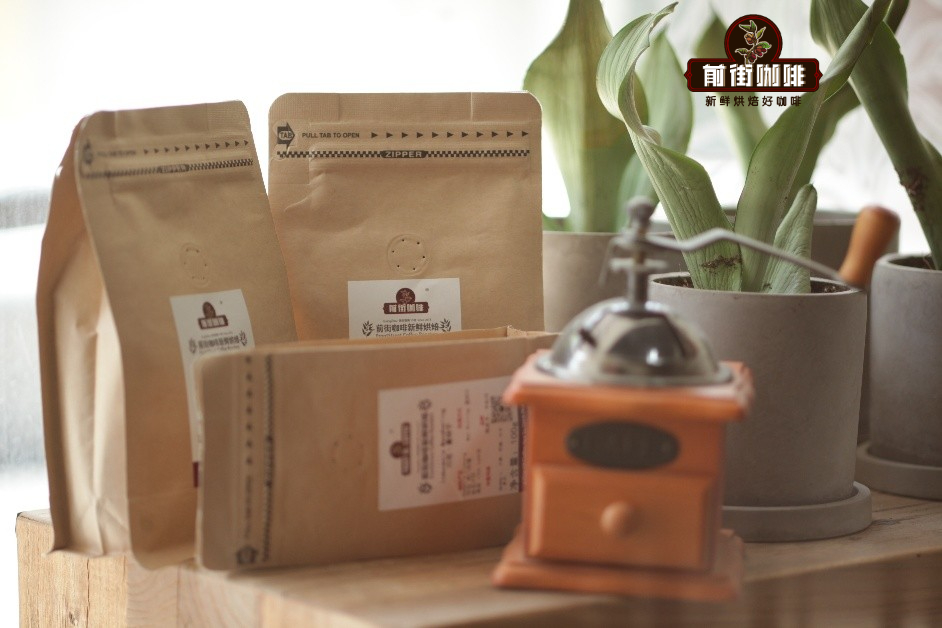
For pour over coffee, the freshness of the beans is crucial. Many beginners may not know that coffee beans continue to release carbon dioxide after roasting, a process that affects flavor development. Generally, the first 3 to 10 days after roasting are when the flavors gradually emerge, with the optimal tasting window typically between 5 to 14 days post-roast. To ensure this, we adopt a same-day roasting and shipping strategy, guaranteeing that the roasting date and delivery date are no more than 5 days apart, so you can experience the best state of the coffee with every brew.
Ultimately, choosing specialty coffee comes down to personal taste. Some love the bright, fresh notes of fruit and flowers; others are drawn to the rich, intoxicating aromas of fermentation, while some prefer the classic depth of chocolate and nut tones. Below, we’ve curated 10 single-origin coffees with diverse flavors, from Yirgacheffe to Golden Mandheling, to help you find your ideal match by type.
Yirgacheffe Series: Located in Ethiopia’s Sidamo region, Yirgacheffe is a key representative of specialty coffee due to its unique terroir flavor. The area has over 28 cooperatives and more than 45,100 coffee farmers, making it a renowned high-altitude single-origin region. We offer four beans from Yirgacheffe: Red Cherry, Guji Dingding, Worka, and Konga.
Yirgacheffe Red Cherry: This natural-processed bean comes from the Red Cherry Project, initiated by Dutch green bean trader Trabocca to encourage farmers to grow higher-quality coffee. Only fully ripe red cherries are handpicked, resulting in flavors of citrus, berries, and subtle fermented fruitiness, with bright acidity—perfect for beginners who enjoy refreshing fruity and floral notes.
Yirgacheffe Guji Dingding: Produced in the Guji Dingding village in southeastern Yirgacheffe, this bean comes from one of the few cooperatives that processes at the village level. Its traditional processing method yields pure, natural flavors with the classic Ethiopian floral and citrus notes—a great choice for those seeking the "pure essence of Yirgacheffe."
Yirgacheffe Worka: From the Worka cooperative, known for its high-quality natural-processed beans, this offering features bright acidity like lemon, delicate jasmine floral notes, and a sweet aftertaste of black tea and cane sugar. With clear flavor layers, it’s ideal for those who enjoy a balanced, gentle sweetness and acidity.
Costa Rica Honey Process Series: Honey processing is a method that retains part of the fruit mucilage layer, resulting in lower fermentation and preserving more sugars, which enhances the coffee’s sweetness. Costa Rica is renowned for its honey-processed beans, especially in the high-altitude Tarrazú region.
Costa Rica Blackberry: This honey-processed bean is celebrated for its sweet floral notes and rich berry flavors, with undertones of dried blueberries and grapes, and a sweet aftertaste reminiscent of blackcurrant juice. Highly appealing, it’s perfect for those who love intense fruitiness. The beans are grown at an altitude of about 1700–1800 meters in fertile volcanic soil under excellent climatic conditions.
Costa Rica Mozart: Part of the Musician Series, this bean comes from the Canet Estate in Tarrazú. It showcases complex floral and fermented aromas, with a sweet profile blending raisins and berries, offering rich layers—ideal for advanced enthusiasts to appreciate the nuanced differences of various processing methods.
Traditional Rich Flavors: If you prefer bold, deep coffee flavors, the following two classic-style beans are excellent choices.
PWN Golden Mandheling: True Golden Mandheling must be sourced by Indonesia’s PWN company. This bean is known for its rich caramel sweetness and steady herbal and spice notes. Even at lighter roast levels, it delivers exceptional sweetness and body, making it a favorite among dark roast lovers and traditional coffee enthusiasts. To verify authenticity, check for the accompanying PWN jute sack and factory certificate.
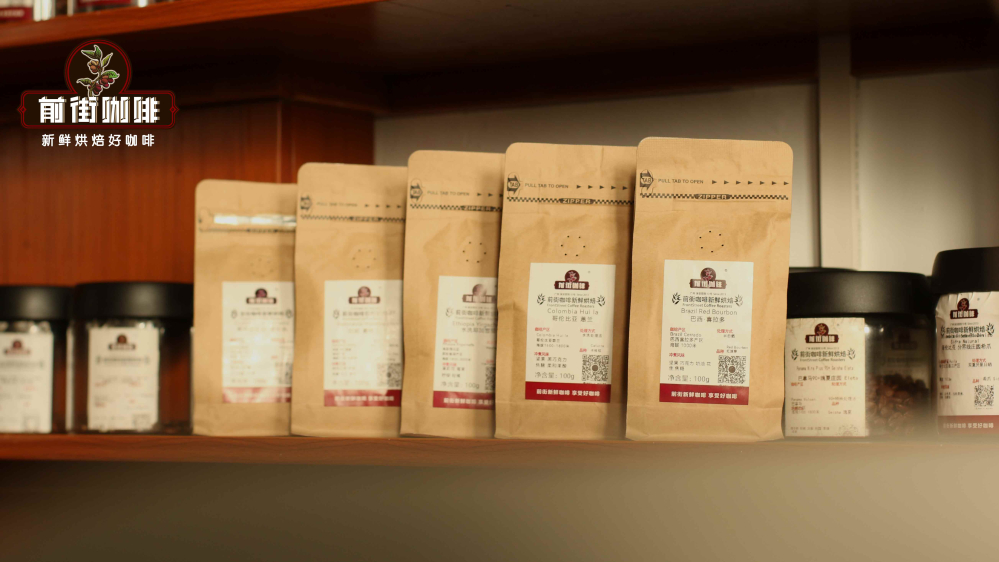
Brazil Coffee: Compared to Mandheling’s richness, Brazilian beans offer a mellow nutty profile with low acidity, suitable for those who enjoy balanced, full-bodied, and non-acidic coffee. As the temperature drops, it may develop slight acidity, adding complexity.
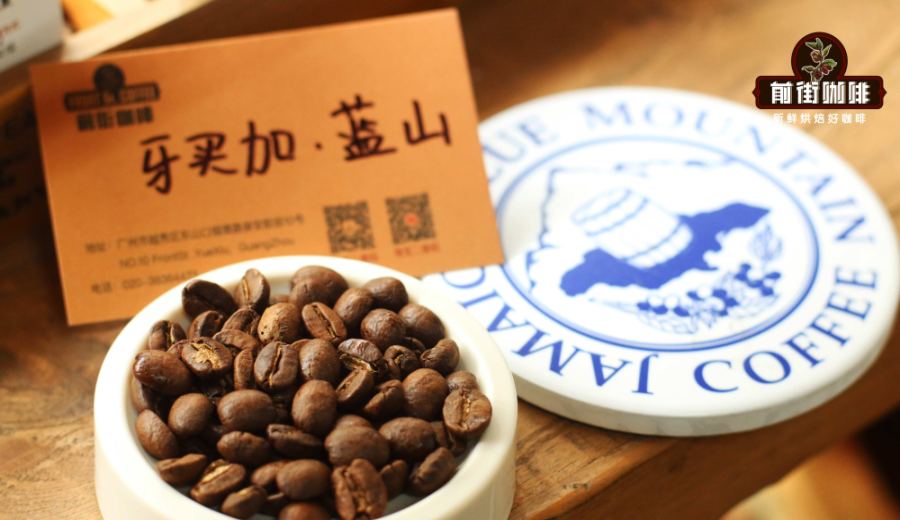
Blue Mountain No. 1 / Bird of Paradise: Looking for a classic coffee with balanced acidity, sweetness, and bitterness? Blue Mountain No. 1 comes from the Clifton Estate in Jamaica’s Blue Mountains, offering elegant harmony of flavors—a representative of high-end specialty coffee. For a more budget-friendly option, Papua New Guinea’s Bird of Paradise, also a Typica variety, offers slightly higher acidity but a solid, full body, at a more accessible price per pound, ideal for everyday drinking.

These ten specialty single-origin coffees cover a wide range of flavors, from bright fruity and floral to rich and traditional. Whether you’re a pour over beginner or an advanced enthusiast, you’ll find a bean that suits your palate. We hope this guide helps you explore the world of specialty coffee with confidence and discover your perfect cup.
The above content is compiled by CoffeeHunters, a coffee news website.


