







Introduction:The Mamba blend is a classic recipe combining two iconic Arabica beans—Indonesian Mandheling and Brazilian Cerrado. Known for its balanced intensity and richness, it once captivated cafes across Taiwan. This article delves into the flavor profile and blending rationale of the Mamba blend, and provides detailed guidance on adjusting parameters for both espresso and latte preparation—from dosage and extraction time to milk foam thickness—to help you brew a Mamba-style coffee with caramel notes and velvety crema at home.
As the name suggests, the "Mamba" blend is a carefully proportioned mix of Indonesia’s Mandheling and Brazil’s Cerrado, two classic Arabica coffees. The standout feature of this combination lies in its contrasting yet complementary profiles: Mandheling delivers deep spices and a solid body, while the Brazilian beans contribute a smooth sweetness and gentle acidity. Together, they create a well-balanced, multi-dimensional cup. This blend was immensely popular during Taiwan’s café golden era and remains a favorite topic among many coffee enthusiasts today.
Mandheling primarily comes from Sumatra, Indonesia, where the mineral-rich volcanic soil imparts unique terroir characteristics to the beans. The green beans typically have a short oval shape, a darker green hue, and a pronounced center cut. When lightly roasted, these beans can exhibit sharp acidity but with a relatively thin flavor profile; however, when roasted to medium-dark or dark levels, they release intense notes of spices, pine, and caramel, along with a full body and long-lasting finish. A notable example is a certain famous brand’s Golden Mandheling, whose slender beans and rich dark chocolate aroma after medium-dark roasting make it a staple base in many blends.
Brazilian Cerrado, on the other hand, hails from one of the world’s largest coffee-growing regions. Despite its massive overall production, quality can vary significantly. To control costs, mechanical harvesting is commonly used locally, resulting in inconsistent bean ripeness—but this also contributes to its affordability and mild taste. Such beans are often used as the foundation in blends, effectively softening the intensity of more vibrant beans and adding body and sweetness. In the Mamba blend, the addition of Brazilian beans lends a smoother, rounder mouthfeel, playing a crucial role in balancing the overall flavor.
The so-called "Mamba" blend artfully combines these two distinctly different beans: Mandheling brings strong character and a robust mouthfeel, while the Brazilian beans offer a mellow tone and sweet aromas to complement it. Together, they form a coffee that is both bold and easy to drink. This blend was once a classic choice in Taiwanese cafes, beloved by consumers for its accessibility and layered complexity. Even today, many coffee aficionados remain nostalgic for this retro flavor.
If you want to recreate this classic Mamba flavor at home, the espresso extraction parameters are crucial. Taking a double-shot portafilter as an example, it is recommended to use18–20 grams of coffee grounds, though a certain well-known coffee shop typically uses20 gramsin practice. The coffee-to-water ratio is generally kept between1:1.5 and 1:2.5, with that shop preferring1:2a 1:2 ratio—meaning 20 grams of coffee grounds yield 40 grams of espresso. The extraction time is advised to be within20–35 seconds, with optimal results usually achieved at28–30 seconds. Too short a time leads to under-extraction, while too long can result in over-extraction and a burnt, bitter taste.
For specific steps, start by wiping the portafilter dry, grinding the dose for a double shot, and precisely weighing it to 20 grams using a digital scale. Then, use a distribution tool to evenly spread the grounds in the portafilter, followed by tamping with a tamper to ensure a level and compact puck for stable water flow during extraction. Before starting, run a small amount of water through the group head to preheat and clean any residual coffee grounds, then lock the portafilter in place and begin extraction. When the scale shows 40 grams of espresso and the time reaches around 30 seconds, stop the extraction and pour the espresso into your cup to enjoy.
Espresso extracted using the above parameters from the Mamba blend typically yields a fine, golden crema with a gradient from dark to light, exuding a rich caramel aroma. This dark-roasted coffee is ideal for enjoying as a latte, where the creamy texture of the milk foam perfectly balances the coffee’s intense flavors.
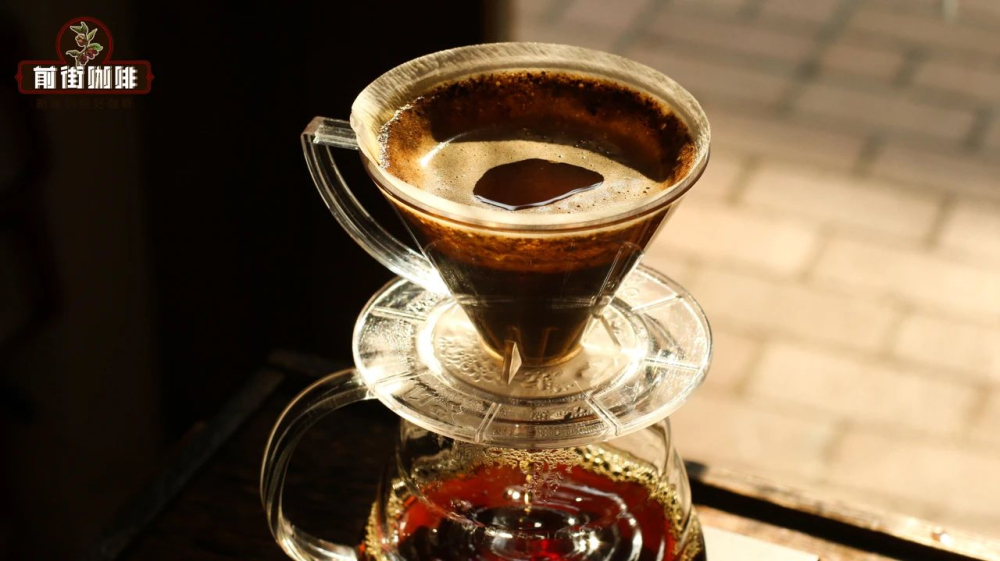
To make a Mamba-flavored latte, use a cup with a capacity of about 300 ml. Start by pouring in 40 ml of double espresso, then steam 240 ml of fresh milk to a warm temperature, aiming for a milk foam thickness of around0.5 cm, which helps achieve better latte art detail and a smoother mouthfeel. Finally, combine the milk and espresso evenly and create your favorite latte art design on the surface—your richly layered, aromatic Mamba latte is complete.
This latte, based on the Mamba blend, greets the palate first with intense caramel and buttery notes, followed by the sweetness of chocolate and milk, all complemented by the silky texture from the fine milk foam. With its distinct layers of flavor, it’s a classic coffee that’s perfect for trying at home.

The above content is compiled by CoffeeHunters, a coffee news website.


