








Introduction:Pour-over coffee doesn’t have to be made with single-origin beans—thoughtfully crafted blends can also deliver rich layers and balanced flavors. This article takes an in-depth look at a professionally developed autumn-themed pour-over blend, exploring everything from the bean selection logic and ratio adjustments, to the choice between green blending and roasted blending, and two detailed roasting profiles. Discover how scientific blending ratios and precise roasting can create a coffee with soft acidity, clear sweetness, and the aroma of black tea, caramel, and floral-fruity notes—perfect for autumn.
When it comes to coffee blends, most people first think of espresso. But in the pour-over realm, blends can shine just as brightly. This article fully reconstructs the entire development process of the industry’s “Autumn Pour-Over Blend”: why Yunnan 2013 Typica was chosen as the base bean, how Yirgacheffe Kochere and Gesha Village Natural Gesha complement each other, the trade-offs between green blending and roasted blending, how the golden ratio of 6:3:1 was finalized after multiple rounds of cupping, and the full details of two complete roasting parameters. This blend ultimately delivers soft acidity, clear sweetness, and a layered autumn flavor of black tea, caramel, orange, and floral-fruity aromas—making it an excellent reference for enthusiasts looking to explore pour-over blends.
 As autumn and winter approach and temperatures gradually cool, the demand for warm, mellow beverages rises accordingly. The industry previously launched the “Sunflower Warm Sun Espresso Blend” focused on espresso brewing, and this time takes it a step further by conceptualizing a blend that fits the autumn atmosphere while also being ideal for pour-over. The goal is for this coffee to present a clean and clear profile in the cup: gentle and dynamic acidity upon entry, medium-to-high sweetness, a long finish, and an overall balanced, layered flavor.
Many people assume that blends are only suitable for espresso, but that’s not the case. Any coffee beans can be used for pour-over—the key lies in whether they’re suitable. Espresso blends typically consist of 2 to 5 types of green beans, either pre-blended before roasting or blended in proportion after separate roasting, aiming to complement each other’s strengths and deliver a rich, full-bodied taste. However, such blends often struggle to showcase the unique regional characteristics of a single origin. For example, some commercially available espresso blends, when brewed via pour-over due to their darker roast levels, tend to emphasize body and roasted notes, with pronounced aftertaste, but relatively subdued regional identity.
The team selected several promising beans from its own offerings, including: Yirgacheffe (washed), Costa Rica SHB Caturra (washed), Natural Yirgacheffe Red Cherry, 2013 Typica (washed), and Gesha Village Natural Gesha. All these beans are of specialty grade or higher. There are currently four espresso blends on the market, including a Commercial Blend, Black Cocoa Blend, Specialty Blend, and Sunflower Warm Sun Blend. Next, we’ll use this Autumn Pour-Over Blend to thoroughly analyze its blending concept and practical experience.
 [Blending Design Concept]
In the early stages of development, the team first clarified the flavor characteristics the “autumn” theme should convey: the mouthfeel shouldn’t be too heavy, but it should carry the tone of autumn’s bountiful fruits, with sweetness being essential. Ultimately, it was decided to use one base bean as the core, paired with 1–2 complementary beans for modulation and harmony, avoiding too many varieties that could blur the main profile or create a chaotic flavor.
[Selection of the Base Bean]
The base bean must possess good compatibility, outstanding sweetness, sufficient body, and stable quality. After repeatedly comparing the roasting profiles and cupping scores of dozens of beans in the database, the team ultimately chose its own “2013 Typica.” This Yunnan Typica not only has controllable quality, a balanced taste, and a long-lasting aftertaste, making it an ideal foundation for blending. However, its acidity and distinctive flavor are relatively mild, with slightly weaker recognizability. In comparison, Ethiopian varieties are abundant and offer a wide flavor spectrum, often being a common choice, but specific selections still require further screening.
[Bean Blending Strategy]
The core of pour-over blending lies in using flavor differences from beans of different origins to complement weaknesses and enhance strengths. In the first round of testing, a 6:4 ratio of 2013 Typica and Yirgacheffe Kochere was mixed, yielding decent results: gentle citrus acidity, a chocolatey note in the finish, but with slightly insufficient sweetness. After multiple rounds of cupping and flavor adjustments, washed Yirgacheffe Kochere was ultimately selected—its lemony acidity and orange notes add brightness to the overall profile, while harmonizing well with the black tea-like finish of the Typica.
[Green Blending or Roasted Blending?]
If using roasted blending (i.e., blending after separate roasts), since 2013 Typica is suited to medium-dark roasting while Kochere is better suited to light roasting, pour-over brewing could easily lead to over-extraction of the Yunnan beans and under-extraction of the Kochere, resulting in fragmented flavors. Therefore, the team decisively opted for green blending to ensure both beans develop synchronously during roasting.
[Roasting Scheme and Parameters]
Both beans are washed processed with similar moisture content; Typica has larger beans and a softer texture, while Kochere has smaller beans and a harder texture, with similar heat conduction conditions, making mixed roasting less prone to uneven heating. A step-down firing method was used to ensure even dehydration, sufficient Maillard reaction, and ample development time. The first set of roasting parameters is as follows: charge weight 300g, charge temperature 170°C, drop beans on heat. After 30 seconds, turn on the heat at power 140, damper 3. When bean temperature reaches 140°C, reduce power to 120, adjust damper to 4. Dehydration to yellowing completes at 4 minutes 30 seconds, reduce power to 90 at 168°C. First crack occurs around 8 minutes, adjust damper to 5, continue development for 1 minute 45 seconds after first crack, drop beans at 195°C.
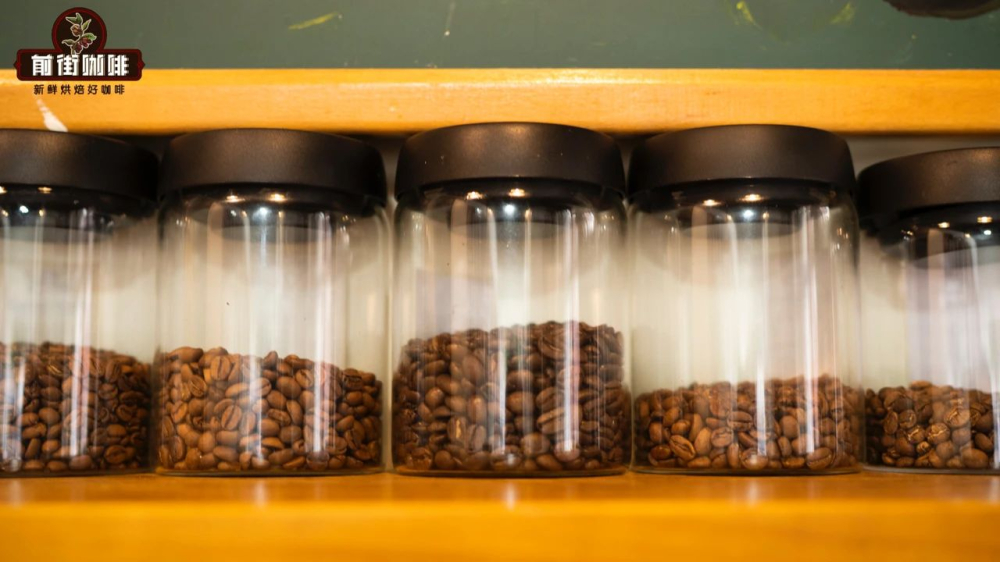 The initial ratio was 6:4 (Typica:Kochere). Cupping results: high clarity, clear sweetness, with apple-like fragrance and plum acidity, an orangey aftertaste, but the overall flavor felt somewhat thin. It was then decided to add 10% Gesha Village Natural Gesha, adjusting the new ratio to 6:3:1. This adjustment made the acidity smoother, the fruit layers richer, and enhanced the floral and tea notes. For this round of roasting, the drop temperature was slightly lowered, the dehydration-to-first-crack time was shortened, and the first-crack development phase was extended to fully release the floral and fruity notes. The roasting equipment was a Yangjia 600g drum, with a final drop temperature of 193°C, resulting in a longer development time and more complete flavors.
This Autumn Pour-Over Blend ultimately presents soft and dynamic acidity, with mid-palate sweetness and acidity in harmony, and a long-lasting finish. The cup reveals complex aromas of black tea, caramel, cocoa, jackfruit, orange, and nuts. The flavor is clean and transparent, with medium body and a hint of effervescent lightness. The green blending method not only reduces roasting difficulty but also successfully merges the characteristics of Asian and African origins, achieving balanced and richly layered flavors.
Blending isn’t exclusive to espresso—pour-over can also play with blends. Single-origin beans are about experiencing the terroir of a single region, while blends seek balance and harmony among diverse flavors. Whether to enhance overall quality, control costs, or ensure flavor stability, blending is a technique in the coffee world well worth exploring in depth.
The above content is compiled by CoffeeHunters, a coffee news website.


