







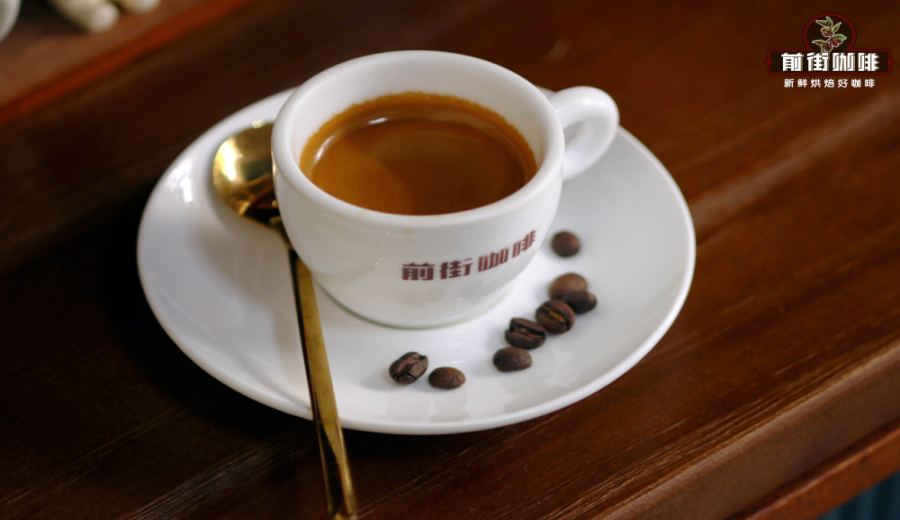
Introduction:SOE (Single Origin Espresso) has become a focal point of interest among specialty coffee enthusiasts in recent years. Its unique flavor profile and challenging extraction conditions make it both an aspiration and a puzzle for many coffee lovers. This article delves into the definition of SOE, its differences from regular espresso, explores its flavor advantages and roasting challenges, and provides practical extraction parameters and blending ratios to help you better understand this richly flavored coffee format—whether you’re brewing at home or enjoying it in a café.
In recent years, specialty coffee culture has continued to gain momentum globally, with SOE (Single Origin Espresso) gradually standing out as a popular topic of discussion among coffee enthusiasts. Whether you’re ordering a “Today’s SOE” at a café or trying to replicate professional-grade espresso flavors at home, understanding the definition and characteristics of SOE is the first step into this realm.
What is SOE coffee?
The full name of SOE is Single Origin Espresso, which refers to espresso made by high-pressure extraction using coffee beans from a single origin or farm. For example, if you use coffee beans from a specific region in Ethiopia and extract them directly into espresso, this cup can be called SOE. In contrast, the more common espresso typically uses a blend of multiple beans, aiming to balance flavors and ensure stable performance.
However, not all single-origin beans are suitable for making SOE. Due to the high pressure and high temperature environment of the espresso machine, which significantly amplifies the inherent flavor characteristics of the beans, some light-roasted single-origin beans that perform well in pour over may exhibit overly sharp acidity or uneven extraction when used for SOE. For instance, Ethiopian Yirgacheffe is known for its citrus and floral notes, but if directly made into SOE, the acidity may become overly intense; whereas Indonesian Mandheling, with its herbal and earthy tones, can easily result in excessive bitterness and charred sensations when used for SOE.

Characteristics and Challenges of SOE
The roast level of SOE is usually not too dark, in order to preserve more of the origin’s unique flavor characteristics. However, compared to traditional dark-roasted espresso blends, its flavor compounds are more difficult to fully extract, thus requiring more precise control over parameters such as grind size, water temperature, pressure, and time. Additionally, since SOE uses beans from a single origin only, both its flavor strengths and flaws are magnified, which means roasters must be particularly cautious—any slight misstep could throw the entire cup off balance.
Another challenge is that the milk or water ratio adjustments for SOE differ from those of regular espresso. To highlight the flavors of the single origin, it’s often necessary to moderately reduce the proportion of milk or water to showcase its delicate fruit acidity, sweetness, and aromatic layers. Otherwise, the flavors may become diluted and the body may lack cohesion.
Advantages and Disadvantages of SOE
The greatest appeal of SOE lies in the purity and layered complexity of its flavors. Compared to blended beans, SOE can more clearly present the unique terroir characteristics of a specific origin—such as bright citrus tones, rich berry aromas, or delicate floral and fermented notes. This flavor expression attracts many coffee drinkers who enjoy exploring the finer details of coffee.
But SOE also has its clear drawbacks. Since it comes from a single source, flavor variations between different batches may be more pronounced, especially under changing climate, harvest, and processing conditions, which adds to its instability. Moreover, the nuances of roast level, as well as fine-tuning of grind and extraction parameters, have a significant impact on the final flavor, making SOE much more challenging to produce than regular blended espresso—and accordingly, more expensive.
The Role and Differences of Blended Coffee
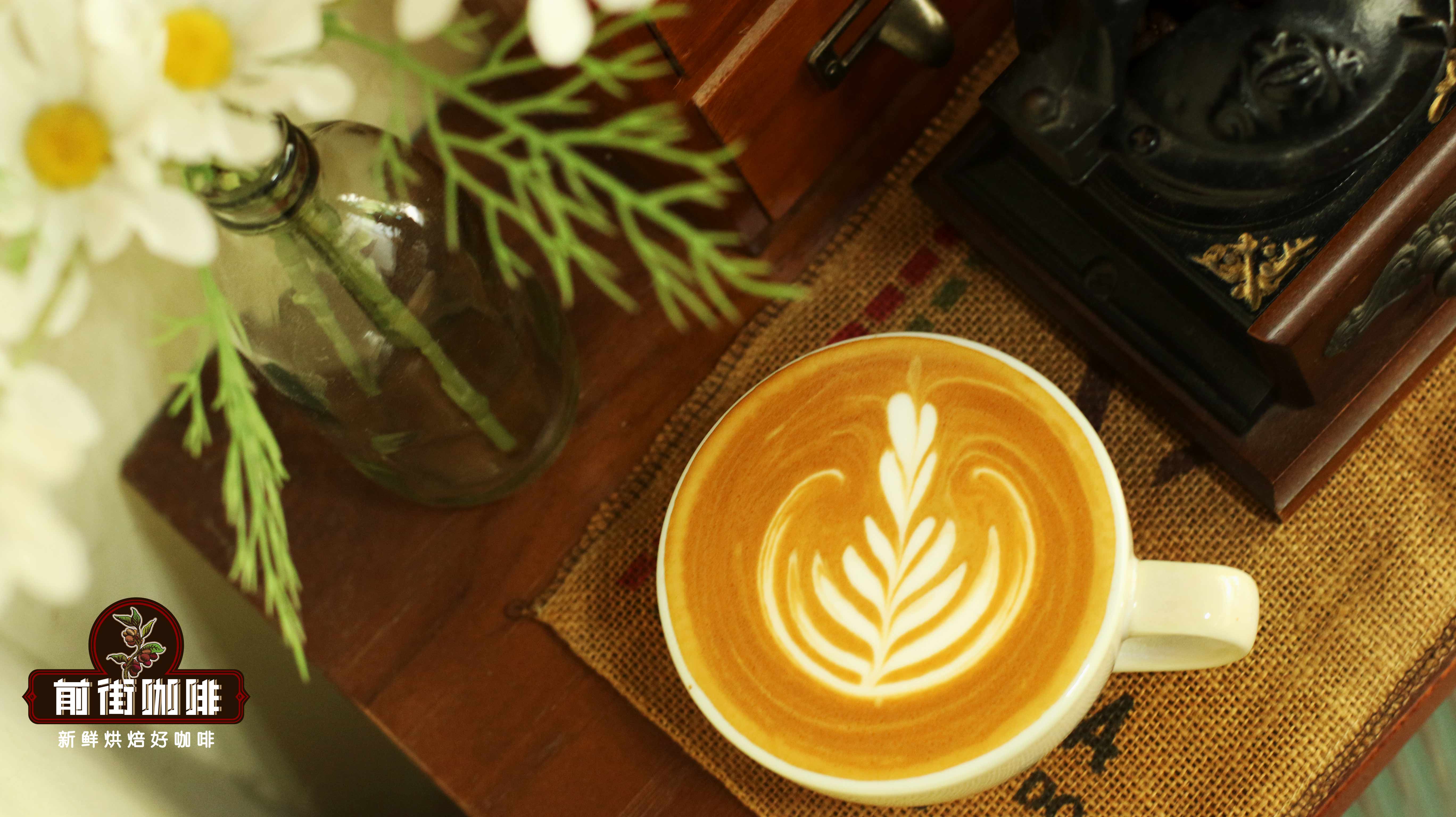
Compared to SOE’s emphasis on single-origin flavor expression, blended coffee combines two or more beans from different origins or varieties, blended according to flavor characteristics to create a more balanced and layered overall profile. Blended beans are commonly used in milk-based coffees like lattes and cappuccinos to ensure a rich flavor structure even after milk is added.
For example, classic blended beans on the market might combine the rich body of Brazilian beans, the balanced acidity and sweetness of Central American beans, and the fruity highlights of African beans. Through the expert blending of professional roasters, these beans achieve complementary flavors and stable output. Therefore, for consumers seeking stable taste and everyday drinking, blended beans are often a more practical and cost-effective choice.
SOE Espresso Extraction Parameters and Practical Tips
If you want to try extracting SOE espresso at home, here is a set of tested reference parameters:
Coffee dose: 20g
Yield: 35g
Extraction time: 27 seconds
Grind size: Galileo 1.9 setting (equivalent to medium-fine grind)
Flavor description: Citrus, berries, and mild fermented aromas; thick mouthfeel, medium-high and vibrant acidity, balanced bitterness without being overpowering.
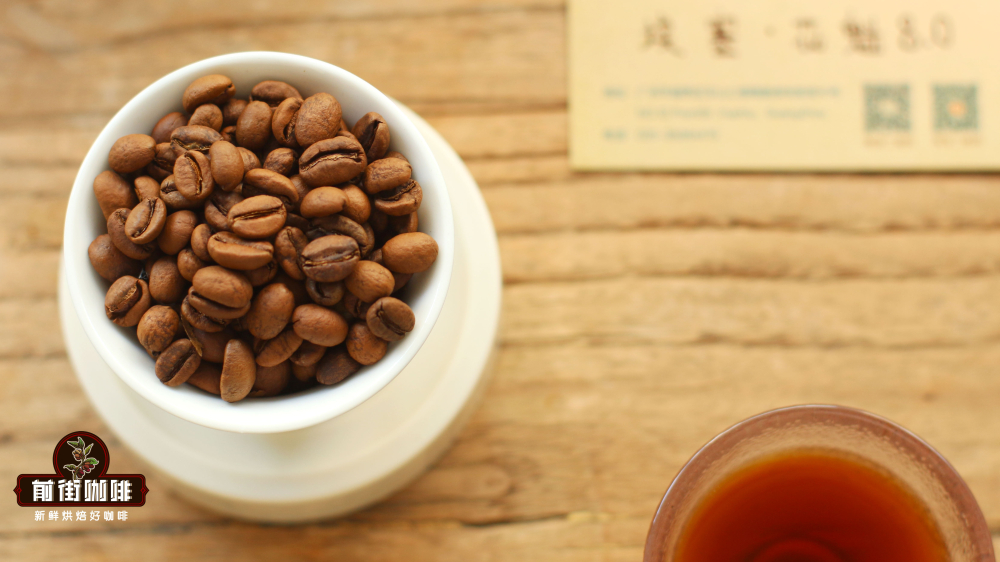
Additionally, if you’re using single-origin beans suitable for espresso extraction like Huakui SOE or Ethiopian Konga SOE, remember to choose the “espresso roast” grade to ensure the beans perform optimally during extraction.
If you prefer more stable flavors, you can also opt for blended beans. For example, a well-known brand’s Strawberry Candy blend has the following extraction parameters:
Coffee dose: 20g
Yield: 40g
Extraction time: 30 seconds
Grind size: Galileo 2.2 setting
Brewing suggestions:
• Americano: SOE espresso + 160g warm or cold water (ratio 1:4), refreshing with pronounced aroma.
• Latte: SOE espresso + 200ml fresh milk (ratio 1:5), smooth and delicate, perfect for everyday enjoyment.
In summary, SOE coffee, with its pure single-origin flavor and layered complexity, has become an indispensable part of the specialty coffee world. Whether you’re a coffee enthusiast or a professional, gaining a deeper understanding of SOE’s definition, challenges, and extraction details will allow you to have a more profound experience and greater control when tasting or brewing.
The above content is compiled by CoffeeHunters, a coffee news website.


