







Introduction:Jamaican Blue Mountain coffee is renowned for its unique flavor and rare production, but the market is flooded with imitations. Distinguishing authentic beans is key. This article delves into the legal growing regions and grading system of the Jamaica Coffee Industry Board (CIB), and explores the medium-dark roast profile of Blue Mountain No. 1, highlighting its layers of dark chocolate, hazelnut, and caramel. It also provides KONO filter brewing parameters to help you extract a balanced and rich Blue Mountain cup.
Blue Mountain coffee has long been considered one of the finest single-origin coffees. Even those who rarely drink coffee have likely heard of it. However, precisely because of its high reputation, the market is riddled with various imitations claiming to be "Blue Mountain," making it difficult for consumers to discern authenticity. If you want to taste genuine Blue Mountain coffee from Jamaica, learning how to identify the real thing becomes especially important.
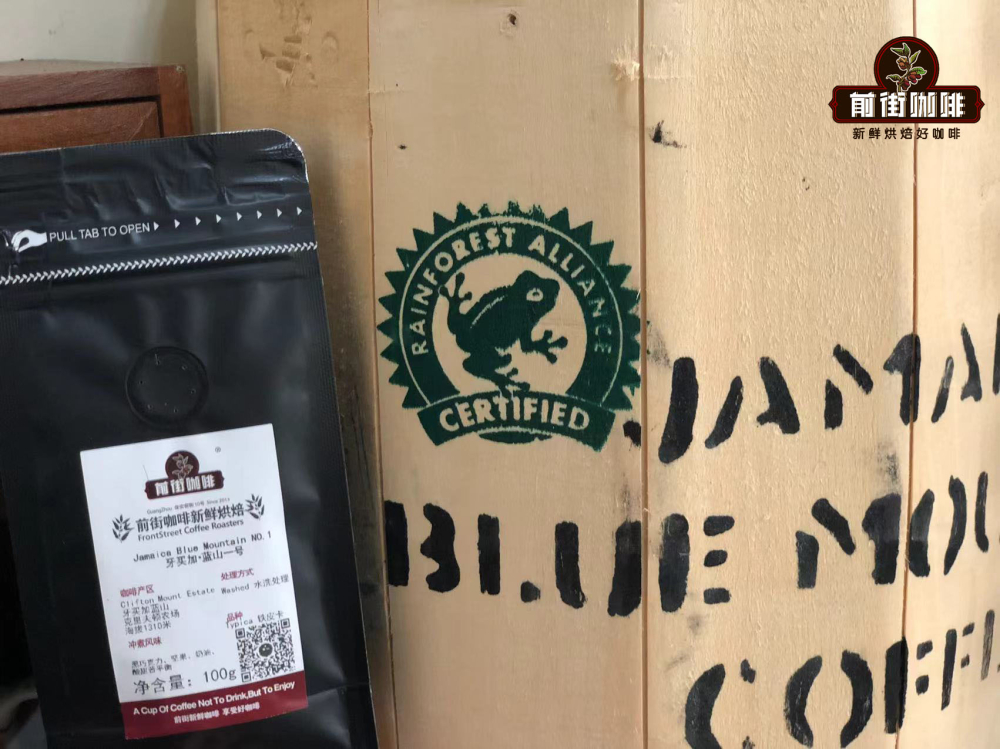
First, observe whether the seller stores green Blue Mountain beans in specialized oak barrels. Among coffee-growing regions, only Jamaica uses these barrels for transporting coffee beans, which come in capacities of 70 kg, 30 kg, and 15 kg. Compared to common burlap sacks, oak barrels better regulate humidity, prevent aroma loss, and maintain stable moisture content in green beans, ensuring consistent roasting performance. Over time, these barrels have become one of the key identifiers of authentic Blue Mountain coffee.
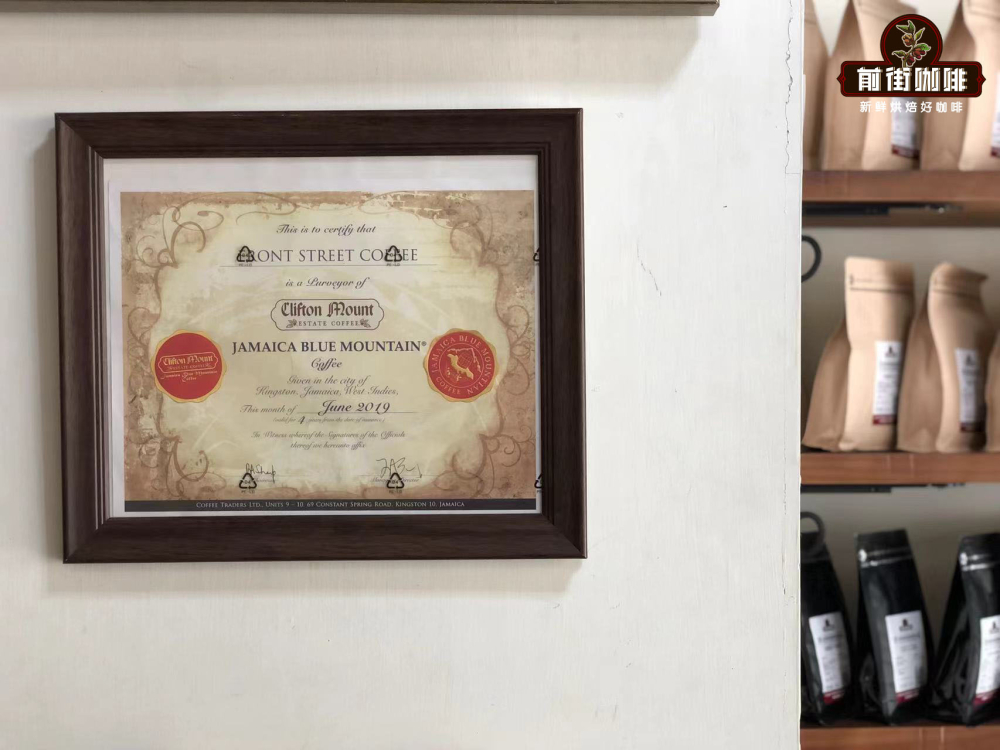
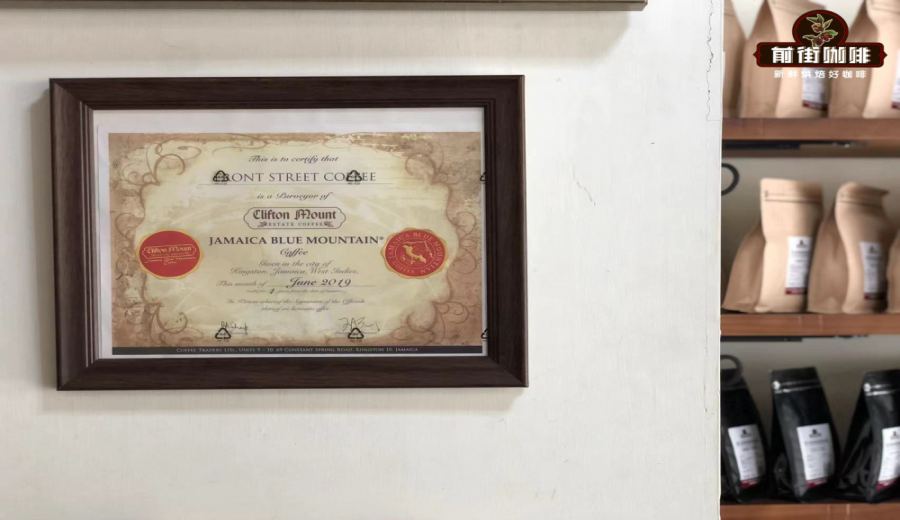
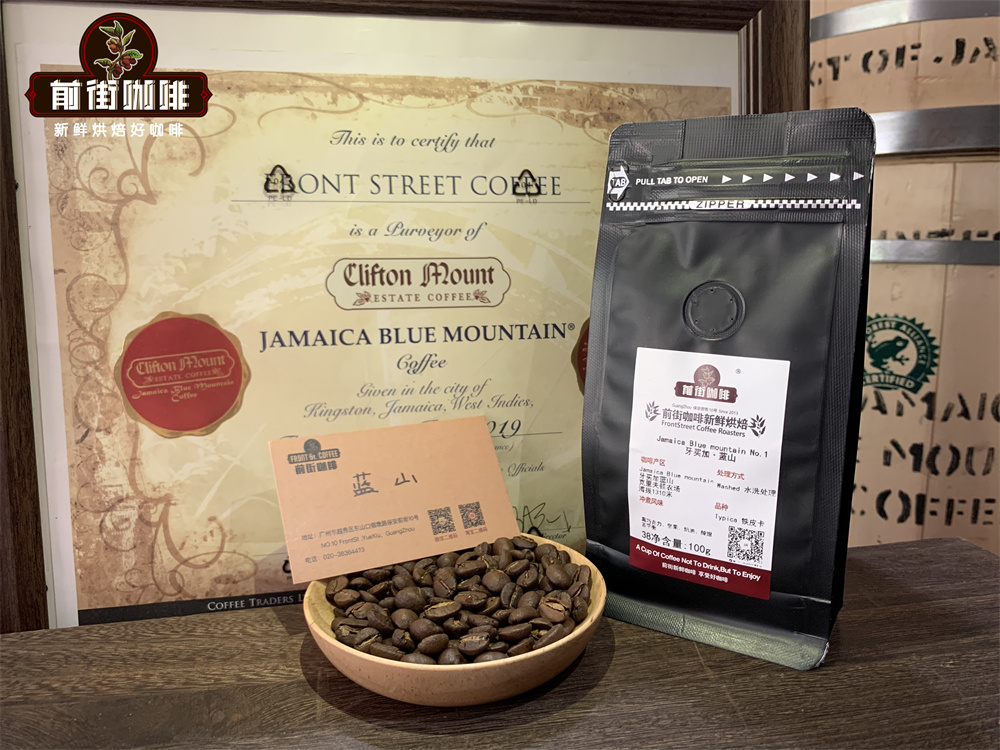
Beyond the barrels, every batch of Blue Mountain green beans must pass rigorous inspection and certification by the Jamaica Coffee Industry Board (CIB) and come with official quality documentation. Therefore, it’s recommended that consumers request relevant certification and origin proof from sellers to confirm the coffee’s genuine provenance. For example, a well-known brand’s Blue Mountain No. 1, produced at the Clifton Estate, not only has a quality certificate issued by the CIB but also includes the producer’s sales authorization and Blue Mountain origin certification. Some even display the actual wooden barrels historically used to transport green beans in their stores.
When discussing the grading system of Blue Mountain coffee, the Jamaica Coffee Industry Board (CIB) must be mentioned. Established in 1952, this government body is responsible for regulating and enhancing the quality and reputation of Jamaica’s coffee. The CIB’s functions include issuing licenses, conducting quality certifications, and providing industry-related advisory services to ensure standardization and transparency across the coffee supply chain.
According to CIB regulations, the legal growing altitude for Blue Mountain coffee ranges between 910 meters and 1700 meters, covering the parishes of Saint Mary, Portland, Saint Andrew, and Saint Thomas. These highland conditions create Blue Mountain coffee’s distinctive flavor, but the rugged terrain also makes harvesting and management more challenging. During harvest season, local farmers typically employ experienced women to hand-pick perfectly ripe coffee cherries. It’s worth noting that currently, less than 15% of coffee beans on the global market truly come from the Blue Mountain region, making them extremely rare.
The CIB sets strict standards for every stage of Blue Mountain coffee production—from planting and harvesting to exporting—to maintain consistency and high quality. It is also the world’s first organization to scientifically and systematically grade coffee, evaluating key indicators such as green bean color, bean size, uniformity, defect rate, moisture content, and cupping performance.
Before export, all Blue Mountain green beans undergo sorting and grading, categorized from highest to lowest as Blue Mountain No. 1, No. 2, No. 3, and Peaberry, based on bean size and defect ratio. Different mesh sizes are used during screening, and only beans that pass through specific sieves qualify for their respective grades. Top-tier Blue Mountain No. 1 beans must be 17 mesh or larger, with a defect rate no higher than 3% and a moisture content of around 13%. In cupping, such coffee should exhibit rich aroma, delicate and balanced flavor, low acidity, and a long aftertaste.
To ensure the quality of Blue Mountain coffee remains uncompromised before transportation and roasting, Jamaica has consistently used handmade oak barrels for storing green beans, making the barrel one of the most iconic symbols of Blue Mountain coffee.
Regarding the roasted flavor profile of this brand’s Blue Mountain No. 1, its beans are plump and uniformly colored, showcasing a bright blue-green hue. The roaster opted for a medium-dark roast to fully release the coffee’s distinctive chocolate and nut aromas while preserving its gentle acidity and sweetness, resulting in a more balanced overall taste.
After roasting, the brand immediately conducted cupping tests, detecting notes of nuts, chocolate, and melon in the dry aroma, while the wet aroma revealed caramel, honey, oolong tea, and dark chocolate. Upon tasting, one can perceive intense flavors of roasted hazelnut, cream, brown sugar, and dark chocolate. The overall profile is clean and clear, with a rich yet smooth mouthfeel and a lingering aftertaste. To ensure consumers enjoy the optimal flavor, the brand guarantees that each batch of beans is shipped within five days of roasting, so customers receive them at peak freshness.
As for how to brew Blue Mountain No. 1 to fully highlight its flavors, the brand recommends the pour-over method, particularly using a KONO filter with a medium-dark roast. This coffee uses the historic Typica variety, a classic within the Arabica family, with lower caffeine content and a pure flavor that balances acidity, sweetness, and bitterness—making it highly suitable for coffee beginners.
The brand uses the following parameters for in-store brewing: KONO filter, water temperature at 88°C, a 1:15 coffee-to-water ratio, 15 grams of coffee grounds, and a grind setting of 10.5 on the EK43s (equivalent to a 20-mesh standard sieve with about 75% extraction). When dealing with beans leaning toward a bitter profile, the KONO filter effectively enhances body. Its upper design ensures closer contact between the filter paper and the cup wall, primarily extracting via immersion, which helps boost overall coffee concentration and smoothness.
For actual brewing, it’s recommended to first wet and attach the filter to the cup wall, then add 15 grams of coffee grounds. Start with a 30-second bloom using 30 grams of water. Continue pouring with a small stream in circular motions from the center outward until the water level reaches 125 grams, then pause and wait for the coffee bed to settle halfway down the filter. Proceed to pour up to 225 grams, then let it drip through. This method fully brings out the Black Chocolate richness, caramel sweetness, and soft acidity of Blue Mountain No. 1, delivering a classic and layered Blue Mountain flavor.
The above content is compiled by CoffeeHunters, a coffee news website.


