







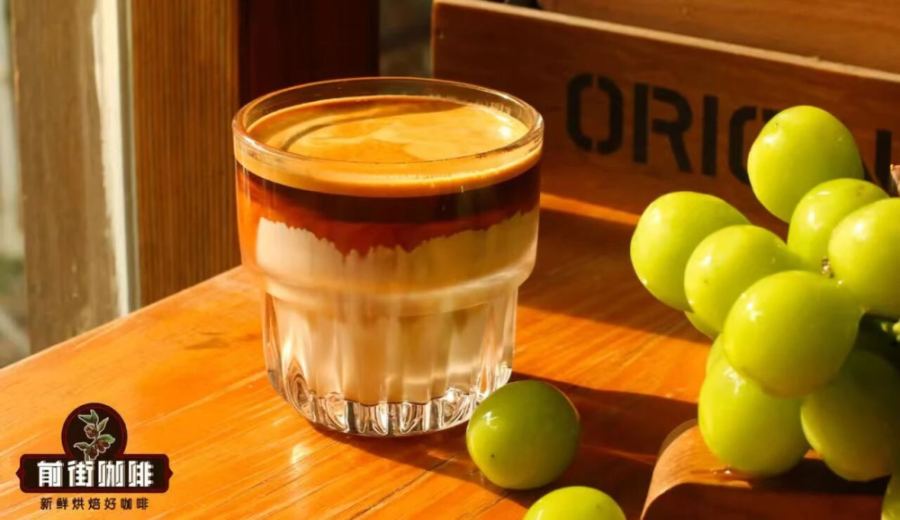
Introduction:In recent years, SOE coffee beans have become the new favorite among specialty coffee enthusiasts, but many still hold misconceptions about them. This article delves into the core concept of SOE (Single Origin Espresso), clarifies common myths such as "Is SOE necessarily better than blends?" and "Does SOE mean higher quality?", and compares the differences in roasting and brewing between single-origin pour over and SOE. It also reminds readers that single-origin beans may exhibit flavor variations due to agricultural characteristics. Finally, we’ve handpicked three sets of SOE beans from different regions, covering diverse flavors such as floral notes, high sweetness, and low acidity, to help you find the one that best suits your taste.
In recent years, SOE coffee beans have sparked a wave of enthusiasm in the specialty coffee scene, especially in the North American market. Since around 2007, the trend gradually matured by around 2010, with many coffee consumers now accustomed to walking into a café and ordering a seasonal SOE espresso. This trend has made the industry realize that, with the right bean selection, the recipe for espresso doesn’t need to be overly complicated.
What is SOE?
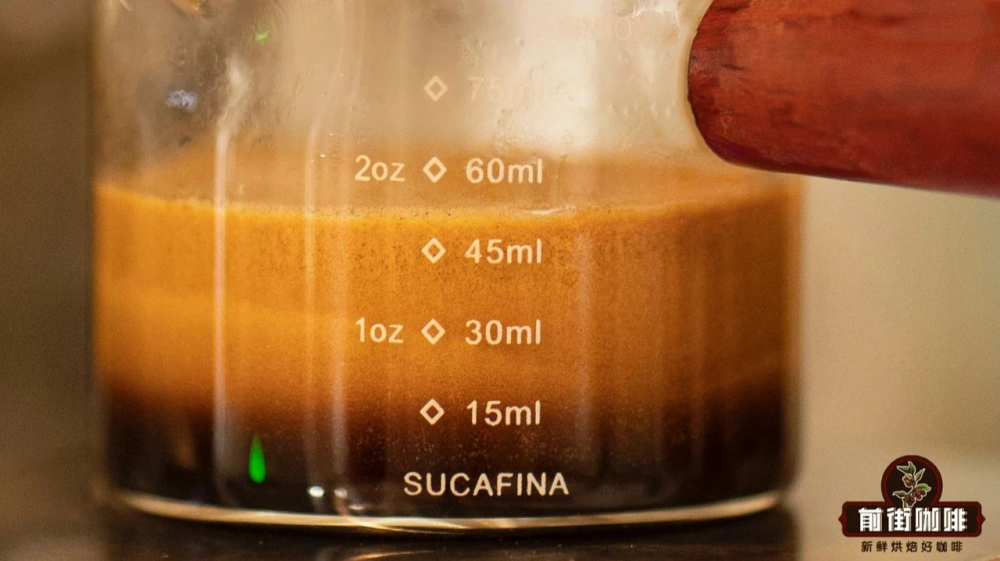
SOE stands for Single Origin Espresso, which can be understood in Chinese as “single-origin espresso.” While it may sound quite technical, the concept is actually quite simple: it involves replacing traditional espresso blends with single-origin beans from a specific region, and then using the high-pressure extraction method of an espresso machine to produce a shot of espresso with distinct regional characteristics. Extending from this, an SOE latte is a latte made with single-origin beans, and an SOE americano is an americano based on single-origin beans.
What are some common misconceptions about SOE?
Although SOE sounds appealing, there are several common misunderstandings among consumers. The most prevalent is the belief that “SOE is necessarily better-tasting than blends.” In reality, the flavor profile of a cup of coffee is influenced by multiple factors, including bean quality, roasting technique, espresso machine condition, brewing process, and even individual taste preferences. SOE simply uses beans from a single origin, but this does not guarantee superior quality, nor can it be directly concluded that it tastes better than blends. Similarly, assuming that SOE equates to higher price or premium status is also an inaccurate view.
What is the difference between single-origin coffee and SOE?
Both single-origin coffee and SOE emphasize the concept of “single origin,” but they differ significantly in brewing methods. Generally, single-origin coffee is mostly brewed using pour over methods, highlighting the inherent regional characteristics and subtle layers of the beans; whereas SOE is specifically designed for espresso machines, using high-pressure extraction to present the concentrated form of single-origin beans with intense and recognizable flavors. Additionally, the biggest difference between SOE and regular blended espresso beans is that blends typically mix beans from multiple regions, aiming for balanced and stable flavors, while SOE focuses on the unique personality of a single region.
How to choose an SOE with distinct flavor expression?
The purpose of using single-origin beans for espresso is to allow consumers who enjoy espresso or milk-based coffee to also experience the unique flavors of single-origin beans. However, if the flavor characteristics of the beans are not prominent enough—such as lacking noticeable sweetness or having flat aromas—they may be overshadowed by the milkiness or the inherent richness of the coffee, making it difficult to discern their unique traits. Therefore, when selecting an SOE, it’s recommended to choose beans with clear flavor profiles and distinctive personalities to truly appreciate the charm of a single origin.
How stable is the flavor of SOE?
It’s worth noting that coffee is an agricultural product. Even single-origin beans from the same region may vary in flavor from year to year or batch to batch due to factors such as climate changes, harvest seasons, and processing methods. This contrasts with blended beans, which aim for consistent flavor stability. Therefore, if you order the same SOE at the same café on different occasions and notice slight flavor differences, this is actually normal and doesn’t reflect poorly on the café’s roasting or brewing expertise.
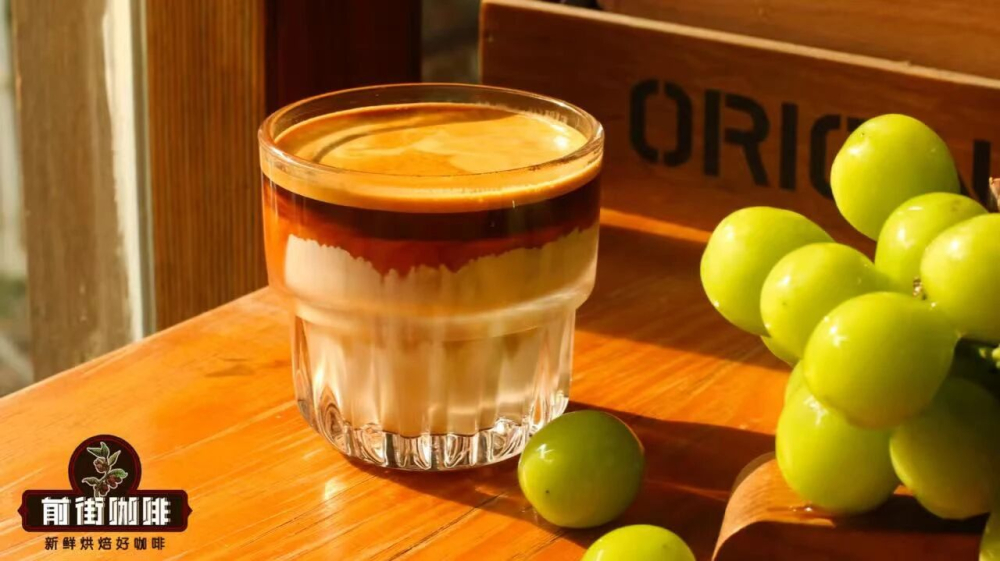
Recommendation: Three sets of SOE beans with diverse flavors
To help readers more easily find an SOE that suits them, we’ve specially selected three sets of SOE beans from different regions, each with distinct flavor characteristics. These cover a range of profiles including fresh floral notes, sweet fruit tones, and low-acidity richness, catering to diverse taste preferences.
Recommendation 1: For those who enjoy fresh floral flavors, opt for medium-roasted beans from African regions
If you prefer coffee with pronounced floral and citrus notes, consider medium-roasted SOEs from African regions. We recommend trying the Red Cherry Yirgacheffe SOE and the Gran Geshha SOE. These two beans typically showcase bright lemon acidity, jasmine, or blueberry floral notes, making them ideal for those who enjoy a refreshing taste.
Recommendation 2: For those seeking high sweetness without excessive bitterness, choose medium-roasted beans from the Americas
For coffee lovers who want to experience noticeable sweetness without too much bitterness, medium-roasted SOEs from the Americas are a great choice. We suggest trying Blackberry - Costa Rica, Mozart - Costa Rica, and Strawberry Candy - Gesha Blend. These beans often feature sweet layers of red berries, caramel, and honey, making them suitable for pairing with milk or enjoying black.
Recommendation 3: For those who dislike acidity, choose medium-dark roasted beans from South American and Asian regions
If you’re more sensitive to acidity, consider medium-dark roasted SOE beans from South American and Asian regions. Examples include Queen Estate - Brazil, Colombian Washed, and PWN Golden Mandheling. These beans typically exhibit rich flavors of nuts, chocolate, and caramel, with low acidity and a smooth aftertaste, making them ideal for those who prefer bold and full-bodied profiles.
The above content is compiled by CoffeeHunters, a coffee news website.


