








Introduction:Want to understand the difference between SOE single-origin espresso and espresso blends? This article delves into the distinctions between the two in terms of flavor character, stability, and extraction performance, and introduces the characteristics of two processing methods: blending green beans and blending roasted beans. It also carefully selects 4 classic espresso blends from a well-known coffee brand and 3 medium-roast single-origin beans suitable for making SOE, providing detailed references from flavor profiles to recommended brewing methods to help you find your perfect coffee beans.
In today’s era of increasing popularity of specialty coffee, SOE (Single Origin Espresso, single-origin espresso) has gradually become a focus for many coffee enthusiasts. Compared to traditional espresso blends, SOE emphasizes the pure expression of flavors from a single origin, allowing you to clearly experience regional characteristics even in a shot of espresso. However, this does not mean that SOE is necessarily superior to blends—each has its strengths, and the key lies in the type of coffee experience you’re seeking.
The reason SOE has garnered attention is mainly because it can showcase the unique personality of single-origin coffee beans, such as bright acidity, distinctive floral notes, or rich sweetness. However, since beans from a single origin can be more susceptible to climate and growing conditions, their flavors may fluctuate slightly from year to year, often making them less stable in extraction compared to carefully formulated blends. Blends, on the other hand, achieve balanced flavors and stable extraction performance by combining beans from multiple origins, making them more suitable for mass production and everyday drinking.

Blending techniques are generally divided into two methods: "green bean blending" (生拼) and "roasted bean blending" (熟拼). Green bean blending involves mixing green beans from different origins in predetermined proportions before roasting, then roasting them together. This approach maintains consistency in the beans' overall flavor, but makes it harder to fine-tune details for individual bean varieties. Roasted bean blending, however, involves roasting each origin’s green beans individually to their optimal state before blending them according to the recipe. Although this method involves a more complex roasting process, it allows for fine-tuning the roast level of each bean variety, resulting in a final flavor with greater depth and precision. Currently, all the espresso blends launched by the brand use the roasted bean blending method to ensure that each bean’s characteristics are brought out to their fullest potential.
Among the commonly seen espresso blends on the market, some emphasize a rich and full-bodied mouthfeel, appealing to consumers who prefer milk-based coffee; others highlight a balanced flavor profile of nuts, chocolate, or caramel, making even black coffee highly enjoyable. For example, blends composed of washed Colombian beans and semi-washed Brazilian beans often deliver a robust tone of nuts and dark chocolate; while blends that include Robusta can enhance richness and crema performance, making them suitable for shops that prioritize body and intense flavor.
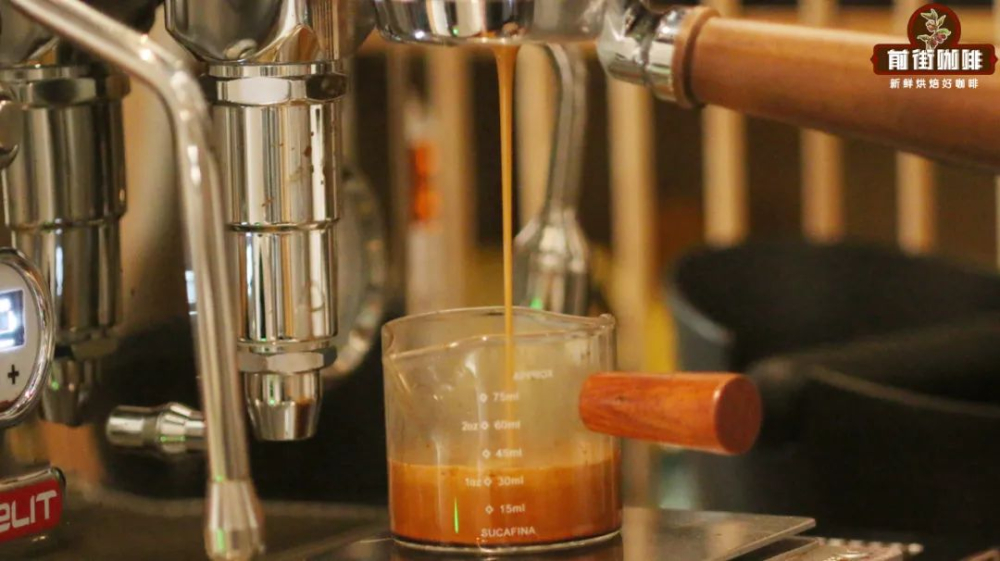
As for SOE, bean selection places greater emphasis on flavor clarity and expressiveness. Since only beans from a single origin are used, SOE can highlight the unique terroir characteristics of that region—such as specific fruitiness, floral notes, or even unique sweetness structures. However, due to the absence of balancing beans from other origins, extraction parameters for SOE need to be more precise; otherwise, the beans’ flaws can be more easily amplified. Additionally, because the annual harvest of a single origin can vary, flavors may differ slightly from year to year—this is another major difference between SOE and blends.
For coffee enthusiasts who enjoy exploring and experiencing the characteristics of different origins, SOE undoubtedly offers a richer selection. Especially when processed to a medium roast level, many SOE beans can exhibit excellent balance—not only suitable for espresso but also pairing well with milk to showcase captivating layers of flavor.
Here are several noteworthy espresso blends and SOE single-origin beans recommended: a brand’s Strawberry Sugar Espresso blend, beloved for its unique sweet profile; a brand’s Premium Blend that combines Colombian and Brazilian beans, delivering a classic combination of nuts, dark chocolate, and caramel; a brand’s Commercial Blend that mixes Robusta, Colombian, and Brazilian beans, offering a bold flavor and high cost-performance; and a brand’s Dark Cocoa Blend made with Yunnan small-seed variety and Brazilian beans, ideal for moka pot use, featuring soft fruit acidity and caramel aroma.
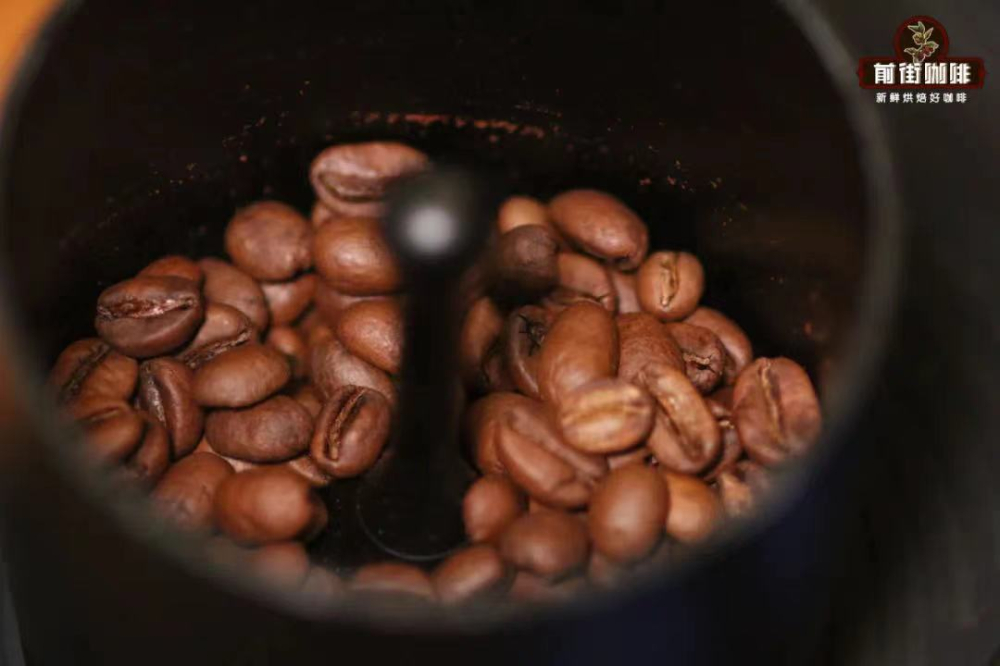
For SOE, a brand’s Costa Rica Mozart SOE, processed to a medium roast, highlights osmanthus and raisin aromas, with a creamy mouthfeel and a gentle caramel-like sweetness in the aftertaste; a brand’s Ethiopia Huaca SOE, also medium roasted, showcases berry-like acidity and sweetness with red floral notes, finishing with a refreshing citrus tone; and a brand’s Brazil Queen Estate SOE stands out with aromas of fried peanuts, cream, and cookie biscuits, and a sweet, sugarcane-like finish—ideal for those who enjoy warm and full-bodied flavors.
In summary, choosing between SOE and blends isn’t about absolute superiority—it depends on your preferences for flavor individuality, stability, and extraction performance. Whether you’re pursuing the unique expression of a single origin or enjoying the balanced flavors of a multi-bean blend, there are suitable options available in the market. We hope this analysis and recommendations help you gain deeper insight and find your ideal coffee beans.
The above content is compiled by CoffeeHunters, a coffee news website.


