







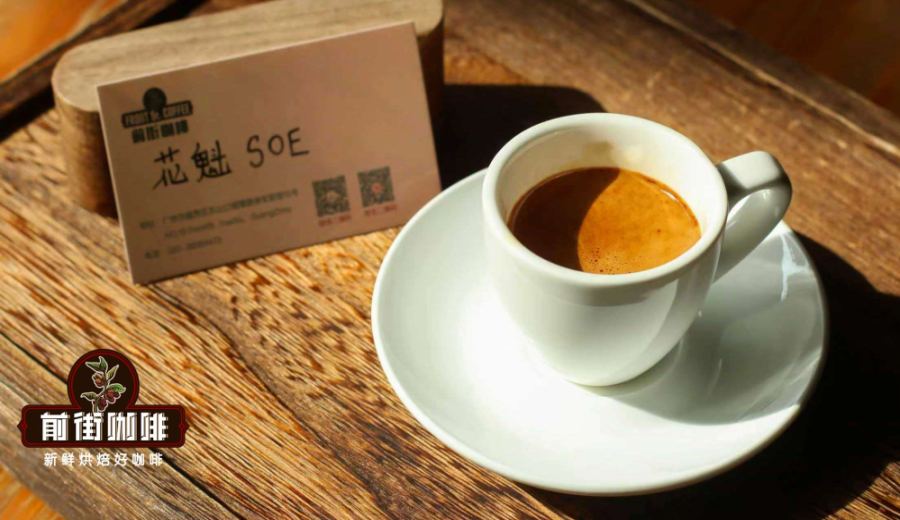
Introduction:Single-origin espresso (SOE) has garnered increasing attention in the specialty coffee community in recent years, with its distinctive flavor profile forming a sharp contrast to traditional blended espresso. This article delves into the differences between SOE and conventional blends, examining details such as extraction parameters—like coffee-to-water ratio, grind size, and brew time—and offering adjustment suggestions for SOEs of varying roast levels to help readers master more precise extraction techniques. At the end, we also recommend three SOE beans that have performed exceptionally well in our tests, serving as a reference for coffee enthusiasts eager to try single-origin espresso.
What is SOE? Simply put, SOE (Single Origin Espresso) refers to espresso made using coffee beans from a single origin. Compared to common blended espresso, it shows clear differences in both flavor characteristics and pricing positioning. This article will explore in detail the distinctions between SOE and blended espresso, and provide practical recommendations for extraction parameter settings—including coffee-to-water ratio, grind size, and brew time—to help you better understand how to adjust extraction strategies based on different beans. Additionally, we’ve selected three SOE beans that have performed excellently in our tests for readers’ reference.
The term single-origin coffee generally refers to beans sourced from a single origin, with a clearly defined variety or traceable origin—such as beans from common regions like Yirgacheffe, Costa Rica, or Colombia. It’s important to note that “single-origin” emphasizes the origin of the beans, not a single variety, as many coffees from a given region are often grown from a mix of varieties. For example, Yirgacheffe is known for its bright citrus and floral notes, while Kenyan beans often exhibit pronounced berry acidity. The SOE discussed in this article is precisely an espresso made using such single-origin beans.
Unlike traditional blended espresso, SOE—short for Single Origin Espresso—means “espresso from a single origin,” using beans from only one region. This type of espresso not only offers more layered flavors but is also typically priced higher than regular blended beans. Traditional espresso is often dark-roasted and blended from beans of multiple origins to ensure consistent flavor in every cup, but it often comes with heavier roasted and bitter notes. In contrast, SOEs are usually lighter roasted and often feature beans that highlight fruity and floral notes, resulting in espresso with bright acidity and a softer mouthfeel—though this also makes them slightly more expensive.
So, is SOE necessarily better-tasting than regular espresso? The answer isn’t absolute. From the trends of the third wave of coffee, more people are paying attention to the origin information, freshness, and flavor details of beans, and they prefer using light-roasted single-origin beans. Using such beans to make espresso can showcase richer flavor layers, unlike traditional blends, which tend to be limited to monotonous notes like nuts and chocolate.
However, not all light-roasted single-origin beans are suitable for making SOE. Since coffee beans are agricultural products, their flavors can be influenced by natural factors like climate and soil, leading to yearly variations. Additionally, some regional beans may exhibit fresh acidity and a lingering aftertaste when brewed via pour over, but under high-pressure extraction, they might turn overly sour, thin in texture, and lack body.
Blended coffee exists precisely to balance these variables. By mixing beans from different origins, one can complement strengths and weaknesses, resulting in a more stable and balanced espresso flavor. Moreover, everyone’s coffee preferences differ—some like rich and full-bodied tastes, others prefer bright and tangy profiles—so there’s no absolute superiority between SOE and blends.
From a practical standpoint, the advantage of SOE is that it allows consumers who enjoy milk-based coffee to experience more intricate flavor details in their espresso; but the challenge lies in the daily variation in bean condition, making it difficult to maintain consistent extraction quality over the long term, along with relatively higher costs. The benefit of blended beans is that formulations can be adjusted so that even if the beans’ flavors change seasonally, the stability of the espresso can still be maintained—the downside being that blends are mostly dark roasted, with simpler flavor layers, though at a lower cost.
So, how should SOE be extracted? Extracting SOE is a significant test of a barista’s skill, requiring gradual adjustments to the coffee-to-water ratio, grind size, and brew time based on the bean’s roast level to achieve the best flavor. In fact, there’s no one-size-fits-all standard set of parameters, but based on practical experience, the extraction time and flow rate of single-origin beans are usually faster than those of blended beans.
When extracting SOE, it’s recommended to start with the basic formula of a “1:2 coffee-to-water ratio,” and control the extraction time within25–35 seconds. The grind size should then be fine-tuned according to the actual flow rate. In practice, you can try using20 grams of coffee groundsto extract40 grams of coffee liquid(if using18 grams of grounds, the target liquid weight is36 grams). If the extraction time is significantly shorter than 25 seconds, it means the grind is too coarse and should be adjusted finer; if the flow rate is consistently around 30 seconds, it indicates the grind size is appropriate and no further adjustment is needed.
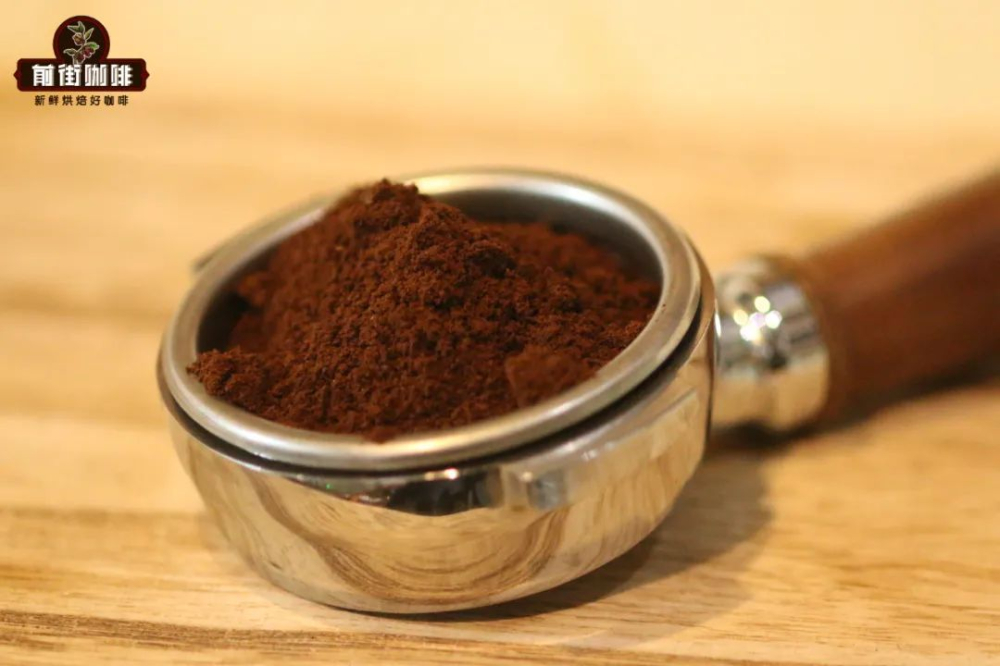
Since SOE is often used to make milk-based drinks like americano, latte, or flat white, after determining the basic extraction recipe, further fine-tuning should be done based on the flavor characteristics of the beans. For example, if using a medium-light roasted Ethiopian bean, its flavors often include floral notes, bright fruit acidity, and berry tones, but the resulting espresso may have thin crema or even none at all. In this case, consider increasing the coffee dose by0.3–0.5 gramsto enhance aroma expression. For instance, using20.5 grams of coffee grounds, extracting in31 secondsto yield40 grams of coffee liquidwill produce an americano with a refreshing sweet-and-sour taste, and the latte will more noticeably showcase the integrated aroma of the espresso and milk.
Regarding the selection of SOE beans, although SOE-specific drinks aren’t yet widespread, many coffee shops still experiment with making SOE using single-origin beans. Below are three SOE beans that have performed exceptionally well in our tests and are recommended for making SOE:
First:Yirgacheffe Red Cherry Natural(from Ethiopia). This light-roasted bean produces an espresso with delicate crema and a light yellowish hue, featuring distinct sweet berry aromas. It has a balanced sweet-and-sour taste with a caramel-like aftertaste, suitable for drinkers who prefer fresh flavors.
Second:Mozart(from Costa Rica). A medium-roast bean, its espresso also has delicate and light crema with a pale yellow color, offering raisin-like aromas. It presents a rich sweet-and-sour taste paired with complex layers of fruit fermentation, suitable for making lattes or americanos.
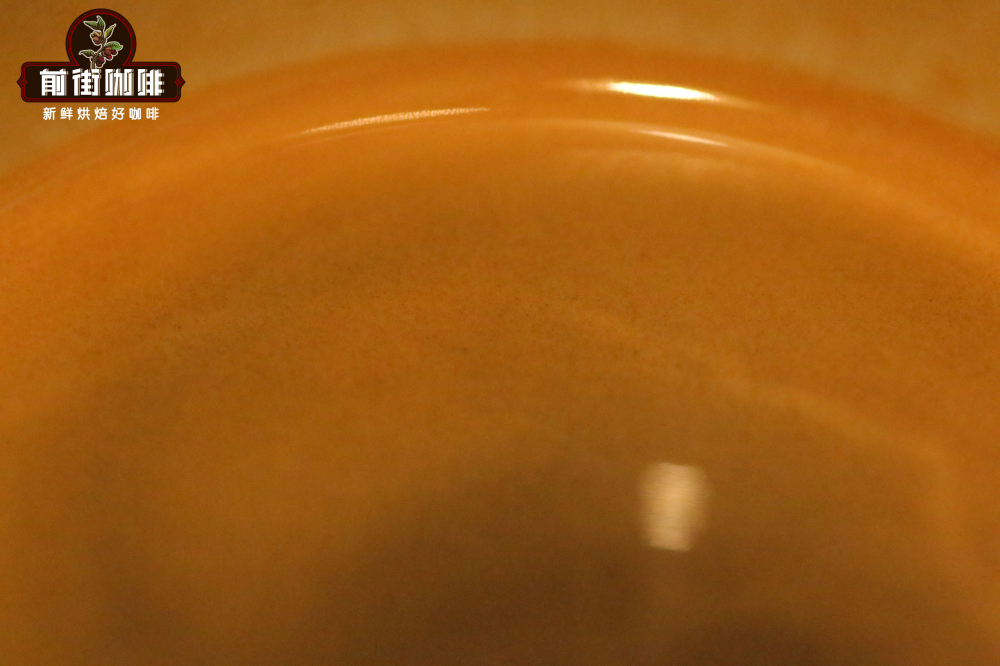
Third:Sidamo(from Colombia). This medium-roast bean from the Huila region, grown at 1,700 meters altitude and processed with double anaerobic natural fermentation, boasts a rich flavor with tropical fruit notes like grape, passionfruit, and citrus. When made into SOE, the americano exhibits a refreshing grape juice flavor—especially enjoyable over ice—making it ideal for summer.
In summary, SOE espresso not only showcases the unique flavors of a single origin but also offers coffee lovers a more diverse tasting experience. Whether you’re a beginner just starting out or an advanced enthusiast pursuing nuanced flavors, you can begin exploring your own coffee flavor world by understanding the extraction principles and bean characteristics of SOE.
The above content is compiled by CoffeeHunters, a coffee news website.


