








Introduction:Many coffee beginners believe that "the lighter the roast, the more acidic the coffee," but in fact, acidity is closely related to the roast stage and the transformation of organic acids. This article delves into the changes of key acids such as formic acid, acetic acid, and citric acid during the roasting process, and through practical cupping comparisons, explains why medium-light roasts are the key range for balancing acidity and sweetness. It also selects five popular single-origin beans with distinct floral and fruity profiles, detailing their varieties, processing methods, and recommended brewing techniques to help you find the acidity profile that suits your taste best.
Many consumers, when first trying light-roast coffee, are often put off by its pronounced acidity and thus conclude that "the lower the roast level, the stronger the acidity." However, in reality, the perceived acidity of coffee is not determined solely by how light or dark the roast is, but is influenced by a complex interplay of factors including the innate organic acid composition of the green beans, the transformation of acids during roasting, and the volatilization of sugars.
To truly understand the source of coffee’s aromatic acidity, we must start with the green beans themselves. Green beans naturally contain a variety of organic acids, including malic acid, citric acid, tartaric acid, chlorogenic acid, and phosphoric acid. These acids undergo a series of chemical changes as the roasting temperature rises. Especially during the development phase approaching the "first crack," the generation and breakdown of acids peak, making this a critical moment that greatly influences the final flavor profile.

As the beans enter the roasting process, high temperatures cause sugars and organic acids to begin degrading, while also generating new acids such as formic acid, acetic acid, lactic acid, fumaric acid, and quinic acid. However, as roasting time extends and temperatures continue to rise, these acids are gradually broken down or volatilized. The most dramatic changes occur during the development phase after the start of the first crack. Research shows that during this phase, acid concentration initially peaks and then gradually declines due to continued heat exposure.
It is particularly noteworthy that large amounts of formic acid and acetic acid are produced in the early stages of the first crack. These two acids typically impart bright and refreshing characteristics, contributing positively to the overall flavor of the coffee. In contrast, citric acid and malic acid, which are already present in the green beans, gradually dissipate as roasting progresses. If too much of these acids remain, they can easily result in sharp or even irritating acidity.
At the same time, after the first crack, sweet substances such as sucrose are also diminished due to high-temperature reactions. Therefore, **medium-light roasted coffee often has the most pronounced acidity but is also accompanied by a certain degree of sweetness; whereas extremely light and light roasts, due to higher sugar retention, tend to have relatively lower overall acidity and instead exhibit a softer acidity paired with natural sweetness—especially high-sugar-content green beans can sometimes even display intense sweetness.**
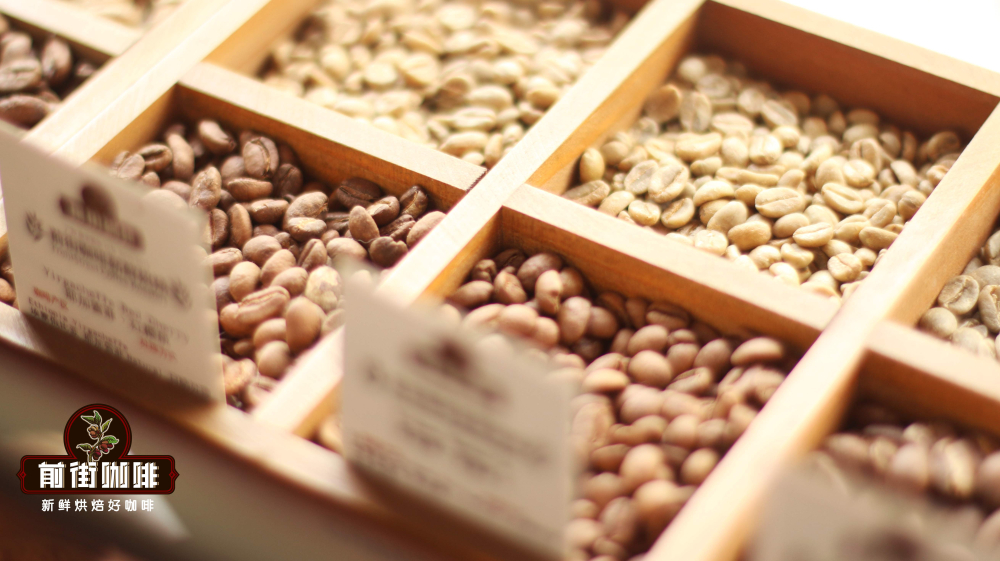
To more intuitively demonstrate the impact of roast development time on acidity and sweetness, we used a washed Typica bean from Papua New Guinea, roasted with two different development times. The temperature control during the first crack point and yellowing phase was kept as consistent as possible for both batches, with only the length of the development time after the first crack adjusted.
The first batch was dropped from the roaster at 1 minute and 20 seconds after the first crack, at approximately 190.5°C, representing a tightly controlled mid-range roast strategy. The second batch extended the development time to 1 minute and 40 seconds after the first crack, with a drop temperature of 191.8°C, nearing the tail end of the first crack. Cupping comparisons revealed that: the first batch had a soft acidity upon entry, quickly followed by a distinct sweetness, with an overall aroma that was simpler and slightly herbal; the second batch, on the other hand, exhibited a brighter and livelier acidity, with sweetness appearing slightly later, but featuring a richer aroma with prominent fruity notes. This shows that **light roasts do not necessarily mean more acidity—the actual flavor profile is the result of the interaction of multiple flavor compounds.** However, if the roast level is insufficient and the beans are underdeveloped, it can lead to an unpleasant grassy or astringent sensation, which is indeed something to be mindful of.
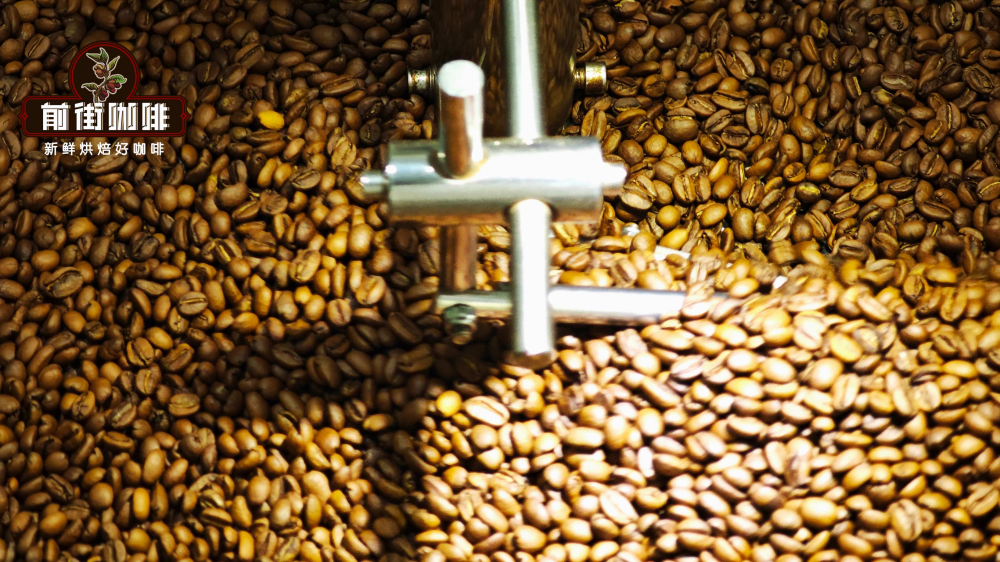
For coffee lovers who enjoy fruity acidity and floral notes, we have specially selected five popular single-origin coffee beans with distinct floral and fruity characteristics. We provide detailed introductions to their variety backgrounds, processing methods, and flavor profiles, offering useful references for selection and brewing.
1. Bright Citrus Acidity with White Floral Notes – A Well-Known Coffee Brand’s Guodingding Coffee Beans
Originating from Ethiopia and produced by over 300 smallholder farmers using traditional washed processing, these beans are hailed as being on par with the “pure land” standards of Yirgacheffe. They are a top recommendation from many baristas when customers are seeking washed-process fruit-forward profiles. These beans offer no heavy bitterness, showcasing bright citrus and lemon acidity paired with delicate jasmine floral notes, making them highly suitable for those just beginning to explore fruit-acid flavors.
2. Intense Berry Fruitiness with Cherry Tomato Acidity – A Well-Known Coffee Brand’s Kenyan Little Tomato Coffee Beans
These Kenyan beans are known for their use of the classic SL28 and SL34 varieties. The former is famed for its bright acidity, while the latter offers a softer, smoother character. Through the K72 washed process involving multiple soakings and rinses, it achieves a clean yet solid acidity. Particularly well-suited for making iced coffee, it highlights deep berry and cherry tomato-like fresh acidity, and performs excellently in cold brew as well.
3. Raisin Mixed with Fruit Gummies – A Well-Known Coffee Brand’s Strawberry Candy
This is a creative blend that combines characteristics from two major Central American producing regions: Costa Rica honey-processed beans and Panama washed Geisha. Roasted to a medium level, it can showcase orange-honey aromas and rounded sweetness when brewed, suitable for various methods such as pour over, cold brew, and espresso. It has a refreshing taste and is ideal for those who enjoy balanced acidity and sweetness.
4. Passion Fruit Acidity with Blueberry Sweetness – A Well-Known Coffee Brand’s Colombian Big Belly Button
In the 2023 World Barista Championship (WBC) finals, Australian competitor Jack Simpson presented beans from this producing region with an exceptionally juicy flavor profile, drawing widespread attention. Sourced from the Boundary Line Estate in Huila, Colombia, and processed via double anaerobic natural sun-drying, it releases intense floral and fruity aromas. Common tasting notes include grapes, oranges, and blueberries, making it suitable for consumers who love pronounced fruit flavors.
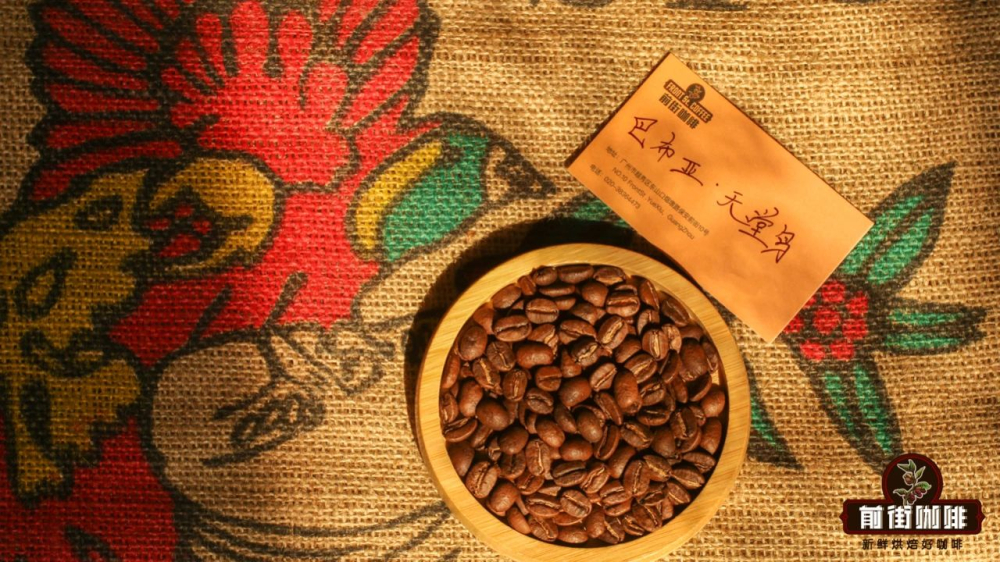 5. Citrus Acidity Paired with Honey Pomelo Tea Notes – A Well-Known Coffee Brand’s Flower Butterfly
Originating from Panama’s Boquete region (also home to the famous Hacienda Esmeralda and Elida estates), this blend consists of three varieties: Geisha, Caturra, and Catuai. Originally interplanted to increase yield, it is now harvested in batches, washed, and then packaged as a varietal blend. Geisha makes up about 70% of the mix, delivering prominent grapefruit citrus notes and subtle floral aromas. The washed style also leaves a tea-like aftertaste, making it ideal for coffee lovers who appreciate delicate acidity and layered complexity.
The above content is compiled by CoffeeHunters, a coffee news website.


