







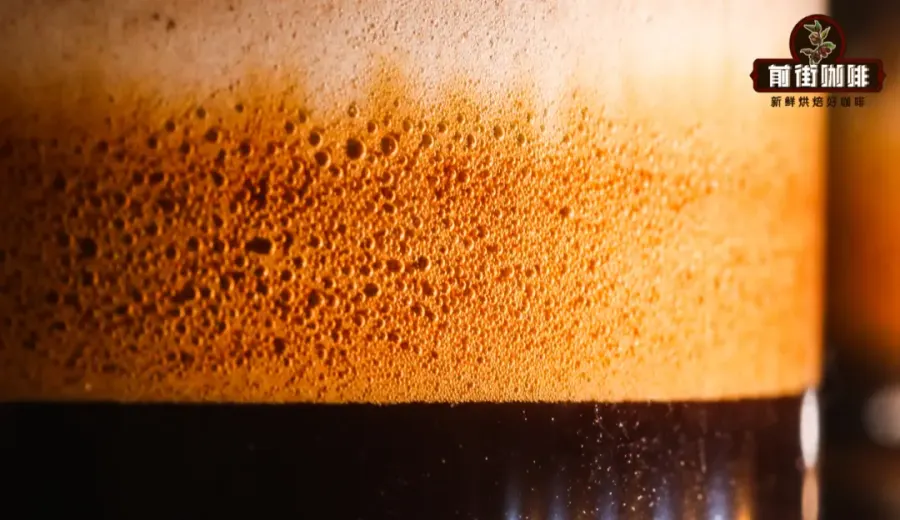
Introduction:Gain an in-depth understanding of the differences between SOE (single origin espresso) and blended espresso beans—from flavor characteristics, roast suitability to practical usage scenarios—to help you choose the most suitable coffee beans based on your needs. This article details the pros and cons of both types of beans, the recommended brewing methods, and provides practical guidance. Whether for home or commercial use, you’ll find the answers here.
SOE (Single Origin Espresso), or single-origin espresso coffee, is a term that has gradually gained popularity in the specialty coffee scene in recent years. In the past, espresso was predominantly made from multi-origin blends, leveraging the complementary traits of beans from different regions to achieve balanced and stable flavors. However, with the rise of the single-origin concept, beans from a single origin have increasingly been used to make espresso, giving rise to what we now call SOE. These coffees often have distinct flavors that highlight the unique characteristics of their specific origins—such as bright acidity, unique fruity or floral notes—making them a signature choice for many independent cafés.
However, SOE does not necessarily mean it is superior to traditional blends. In fact, blended beans, carefully crafted by professional roasters using selected beans from various origins, can maintain stable flavor profiles and be adjusted to balance acidity, sweetness, bitterness, and body according to needs. Some blends even use only specialty-grade beans, offering rich and consistent flavor layers. Additionally, when beans from a certain origin are affected by climate, harvest, or market factors, the flexibility of blends ensures the final product’s quality remains unaffected.
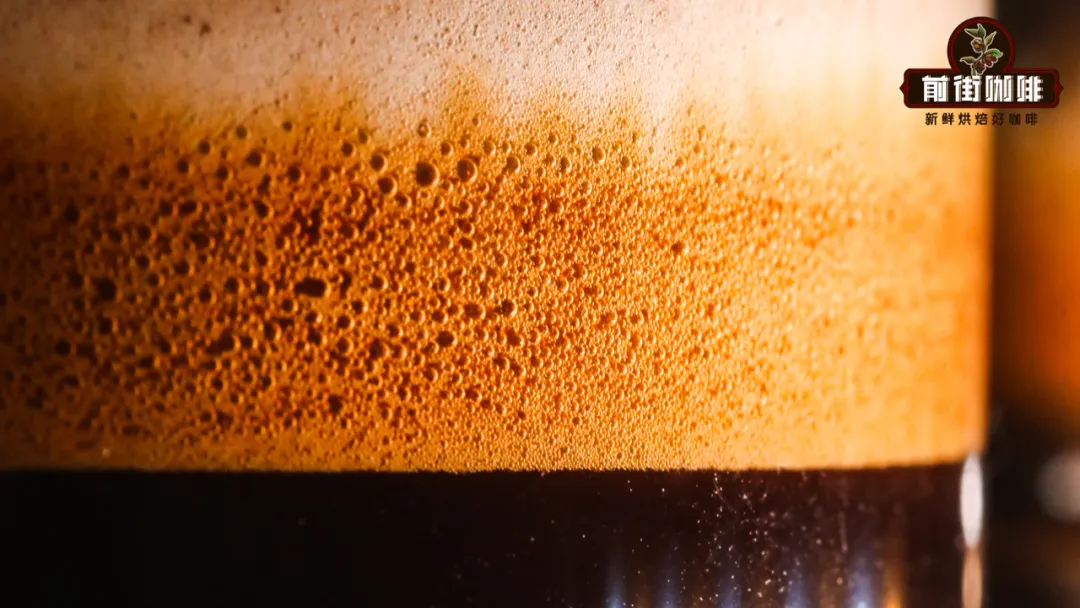
For different consumer preferences, SOE and blends each have their suitable scenarios. If you prefer fresh floral notes, you might opt for a medium-roasted SOE from African origins, such as beans from Yirgacheffe or Geisha, which typically feature bright citrus or lemony tones and suit those who enjoy a refreshing taste. If you’re seeking high sweetness without strong bitterness, medium-roasted beans from the Americas, such as those from Costa Rica, often showcase sweet flavors like berries, caramel, or even honey. For those who dislike acidity, medium-dark to dark roasted beans from South America or Asia—such as Brazilian or Indonesian coffees—are recommended. These usually offer rich chocolate, nutty notes, and low acidity, resulting in a smoother, rounder mouthfeel.
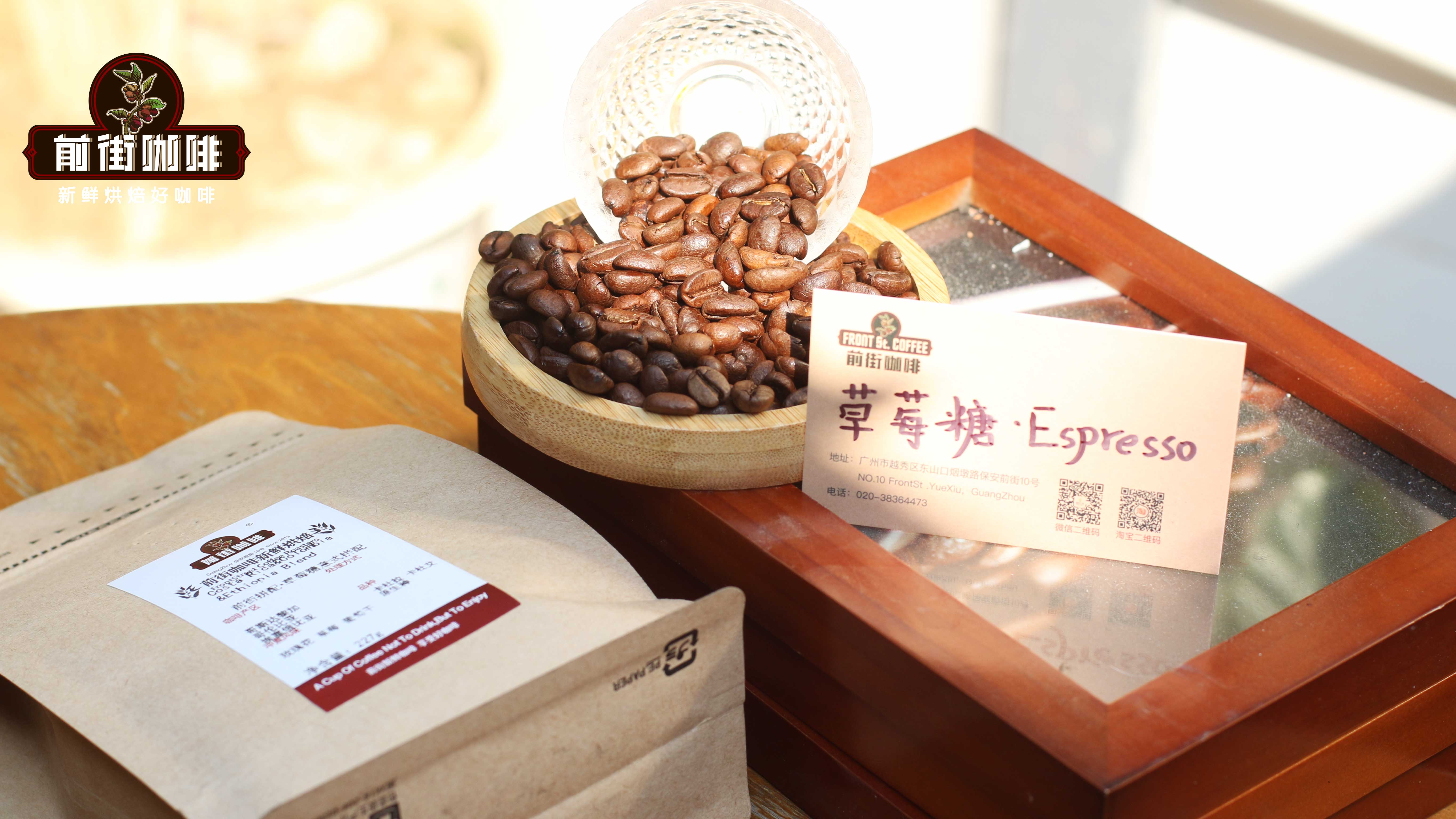
The value of blends is often underestimated, yet many signature flavors in specialty cafés actually come from carefully designed blends. Traditionally, Italian espresso blends often mix multiple types of beans, some even comprising dozens of sources—which doesn’t imply poor quality. On the contrary, the biggest advantage of blends lies in their flavor stability. Even if one bean variety needs to be replaced due to seasonal issues, roasters can adjust the proportions of other beans to maintain overall flavor consistency. Moreover, good blends are not only suitable for pure espresso but also shine when milk is added, delivering rich layers whether in lattes, cappuccinos, or Americanos, all with a consistent taste experience.
It’s worth noting that while SOE can highlight the characteristics of a single origin, its single-source nature also means its strengths and weaknesses are more easily magnified. Improper roasting or extraction conditions may lead to flavor imbalance or even accentuate defects. Therefore, making SOE requires stricter control over roast level, grind size, and extraction parameters, which is also one reason why its price is often higher than that of regular blended espresso. Simply put, SOE is just espresso made from beans of a single origin—the quality is not determined by “whether it’s single-origin” but by the intrinsic quality of the beans and the precision of subsequent processing. Thus, SOE isn’t always superior to blends; it ultimately depends on personal taste and usage scenario.
So, how do you choose the right coffee beans for yourself? Start with your purpose: if you’re a café owner or frequently brew at home in large quantities, blends are usually the more practical choice. Their flavor is stable and unaffected by seasonal or regional changes, making them ideal for commercial environments where consistency is key. For example, for home or small coffee shops, you might choose blends with dominant notes of nuts, dark chocolate, and caramel, which pair smoothly with milk and are suitable for making lattes or Dirty coffees. If you run an affordable café, you might consider commercial blends with a small percentage of Robusta to enhance richness and crema while balancing cost-effectiveness.
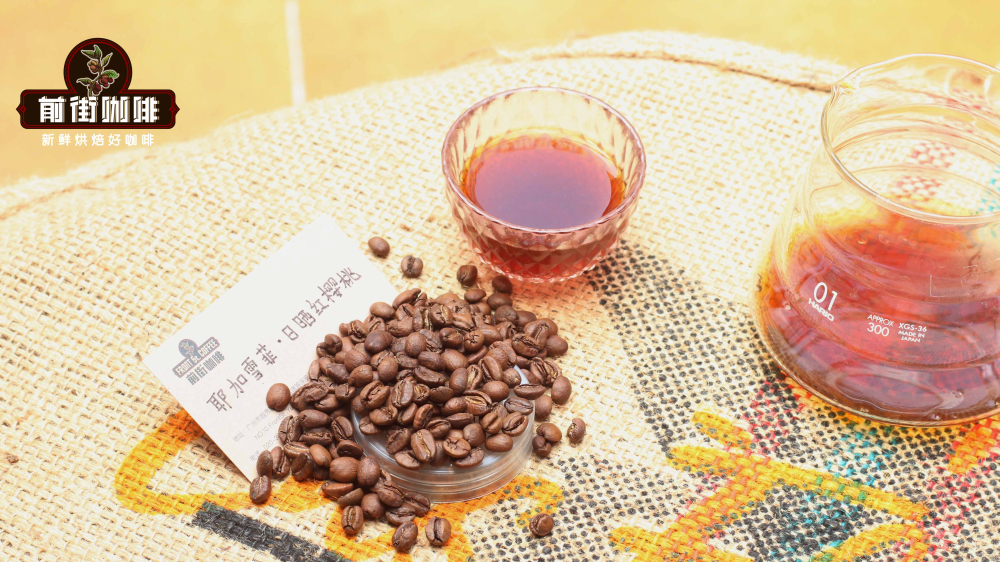
The brewing method is also an important factor in your choice. When using semi-automatic or fully automatic coffee machines, blends are usually more suitable—especially the flat burr designs of fully automatic machines, which are less friendly to light-to-medium roasted single-origin beans. If you prefer methods like pour over, siphon, or clever drippers, light-to-medium roasted single-origin beans can better showcase their delicate flavor layers, such as floral, citrus, or tropical fruit notes. But if you go for blends, be cautious of overly complex recipes that might overshadow the expression of individual flavors.
Finally, personal preference is key. If you favor stable, traditional, and consistently flavored coffee, blends are undoubtedly your best bet. But if you’re after novelty and eager to explore the unique flavors of different origins—such as special notes like peach, pineapple, or even rose—then light-to-medium roasted single-origin beans will bring you unexpected surprises. Whichever you choose, it’s recommended to communicate more with baristas, learn about the beans’ origin, processing method, roast level, and suggested extraction parameters, and try different flavors yourself to find the one that suits you best.
The above content is compiled by CoffeeHunters, a coffee news website.


