







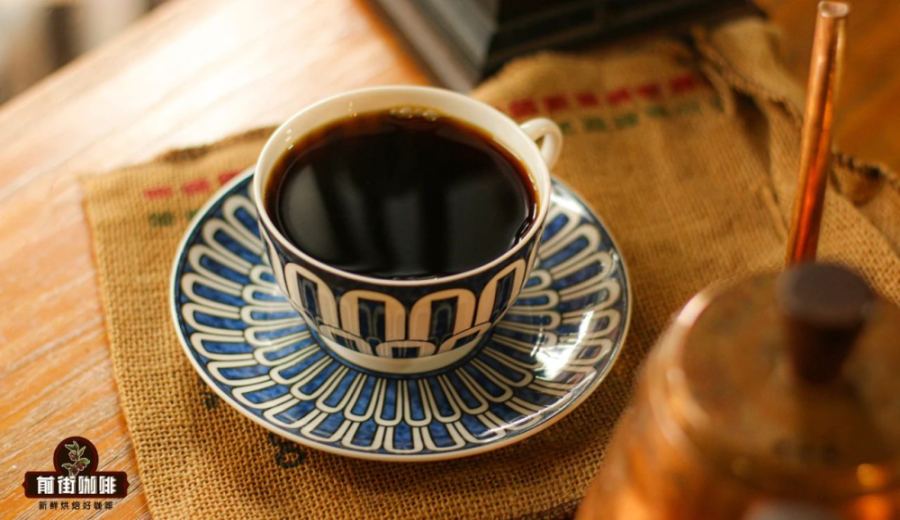
Introduction:Indonesian Mandheling is a classic choice for global lovers of dark-roasted coffee, but do you know about its origin, variety differences, and processing methods? This article delves into the history of Mandheling, introduces the flavors of five popular producing regions, focuses on breaking down the PWN Golden Mandheling G1 grade standards and the wet-hulled process, and provides expert pour-over parameters and flavor evaluations to help you grasp the essence of this classic coffee.
When it comes to coffee with pronounced dark roast flavors and a strong aftertaste, Mandheling from Sumatra, Indonesia, is definitely on the list. However, the origin of this name actually stems from a World War II-era misunderstanding. It is said that a Japanese soldier once tasted a richly aromatic coffee in Indonesia and asked the shop owner for its name. The owner, thinking the soldier was asking where he was from, replied “Mandailing.” When the soldier returned home, he mistakenly spread the name as “Mandehling,” which unexpectedly helped the coffee gain fame in Japan and eventually spread globally through trade.
This interesting anecdote is also connected to the well-known Indonesian company PWN (Pawani Coffee Company), which is currently the producer and exporter of the authentic “Golden Mandheling” on the market. Its strict grading and quality control systems give this coffee a highly distinctive recognition in the marketplace.
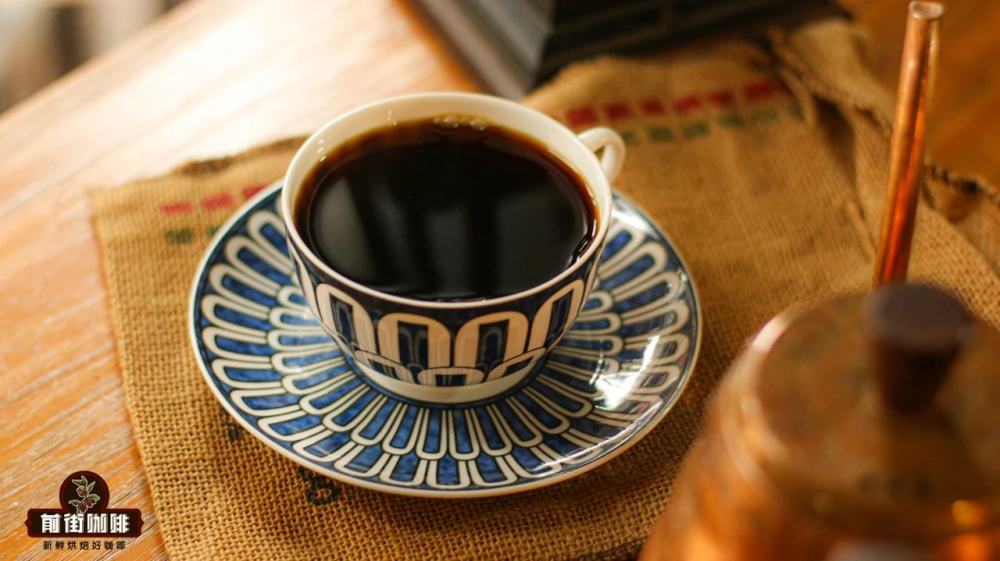
So, what exactly is Mandheling coffee? In terms of variety, it mostly belongs to Arabica Typica or its variants, originating from the Barisan Mountains in northern Sumatra, particularly around Lake Toba. Its overall flavor profile is full-bodied with low acidity, often featuring herbal, spicy, and nutty undertones, forming a strong contrast to the bright citrus notes typical of African or Central and South American coffees.
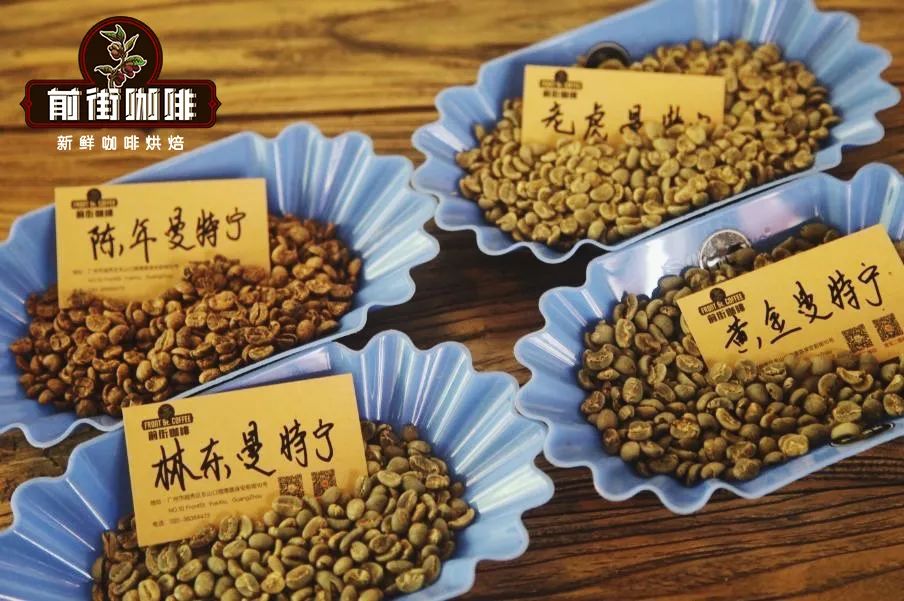
On the market, Mandheling coffee can generally be divided into five types: Sumatra Wahana Estate Natural Mandheling, Lintong Mandheling, Aged Mandheling, Tiger Mandheling, and the most representative PWN Golden Mandheling. Each varies significantly in flavor profile due to differences in producing region, processing method, and grading level.
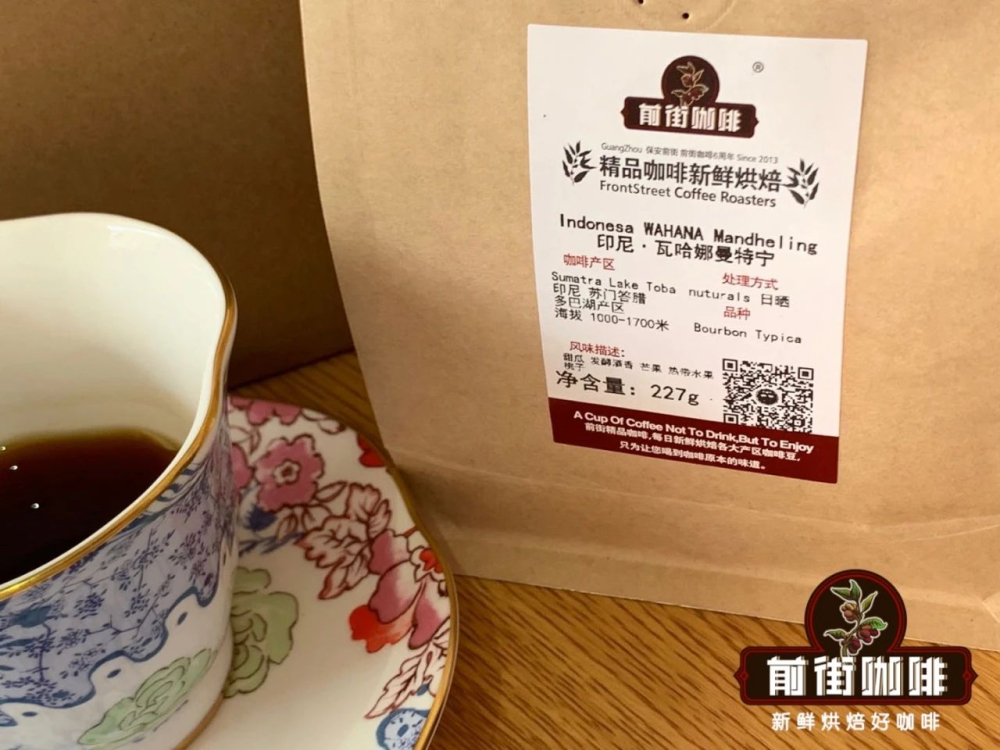
【Sumatra Wahana Estate Natural Mandheling】
Grown at Wahana Estate in northern Sumatra, the variety is Typica. Since its establishment in 2005, this estate has been renowned for its delicate natural processing. Compared to the intense bitterness and aroma of traditional Mandheling, this natural lot showcases more sweet notes reminiscent of dried fruits and dates, making it suitable for drinkers who enjoy a rich mouthfeel.
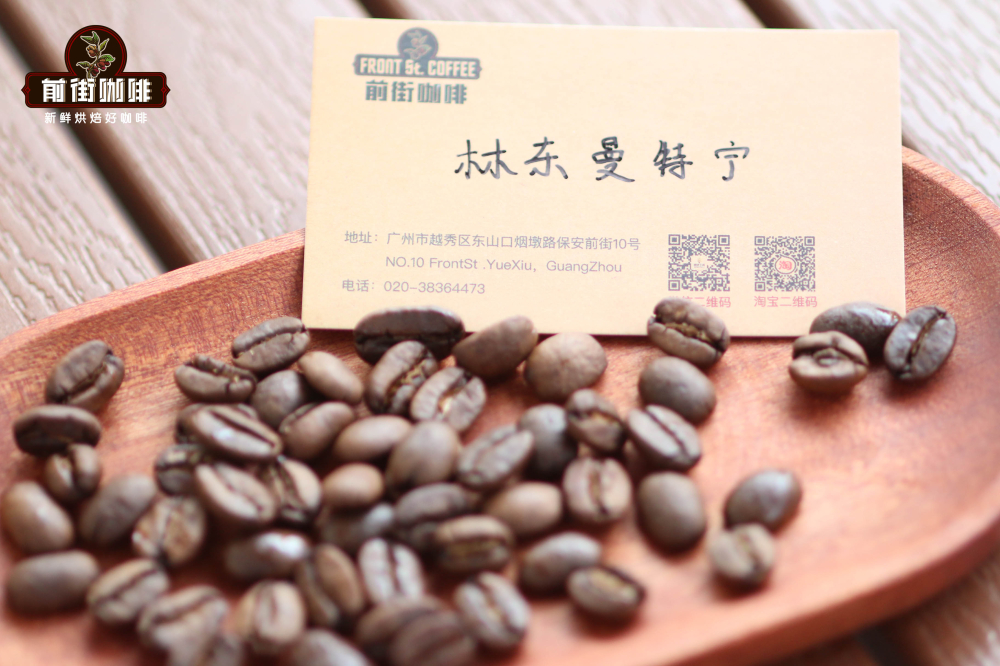
【Lintong Mandheling】
The producing region is located in the central-northern part of Sumatra, in the Lintong highlands near the southwestern side of Lake Toba. Lintong beans are known for their large size and high hardness, but they also have a relatively higher defect rate, so meticulous selection of green beans is essential. This coffee often presents balanced herbal, caramel, and chocolate flavors with a refreshing acidity, making it one of the brighter representatives among Sumatran coffees.
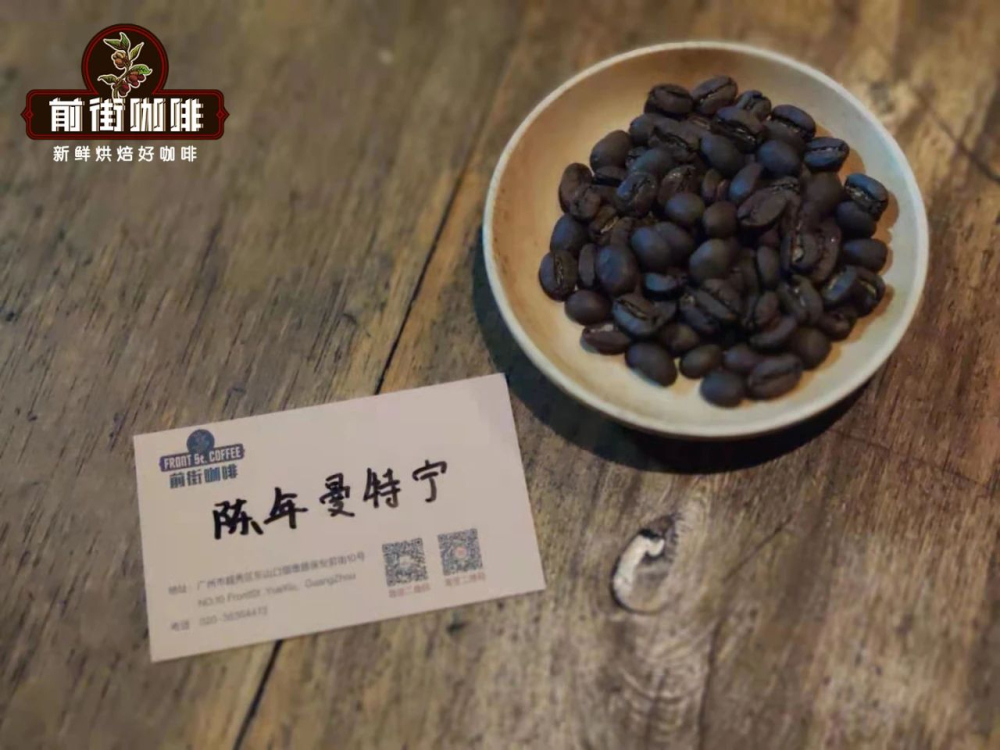
【Aged Mandheling】
Aged beans refer to green beans that have undergone long-term storage after processing, allowing internal acidity to gradually transform into sugar compounds, resulting in a more rounded flavor. Aged Mandheling is a classic example—its sweetness stands out, and it performs excellently whether as a single-origin pour-over or as an espresso base. It is ideal for coffee lovers seeking intense, full-bodied flavors.
【Tiger Mandheling】
Produced in the Gayo highlands of northern Aceh, only high-quality beans sized 17 mesh and above with a defect rate below 4% are selected. This coffee mainly consists of Catuaí, Typica, and Sidikalong varieties. It has a clear flavor profile, often featuring notes of cream, dark chocolate, and nuts, with a clean and balanced taste, representing one of the high-altitude Mandheling coffees.
【PWN Golden Mandheling】
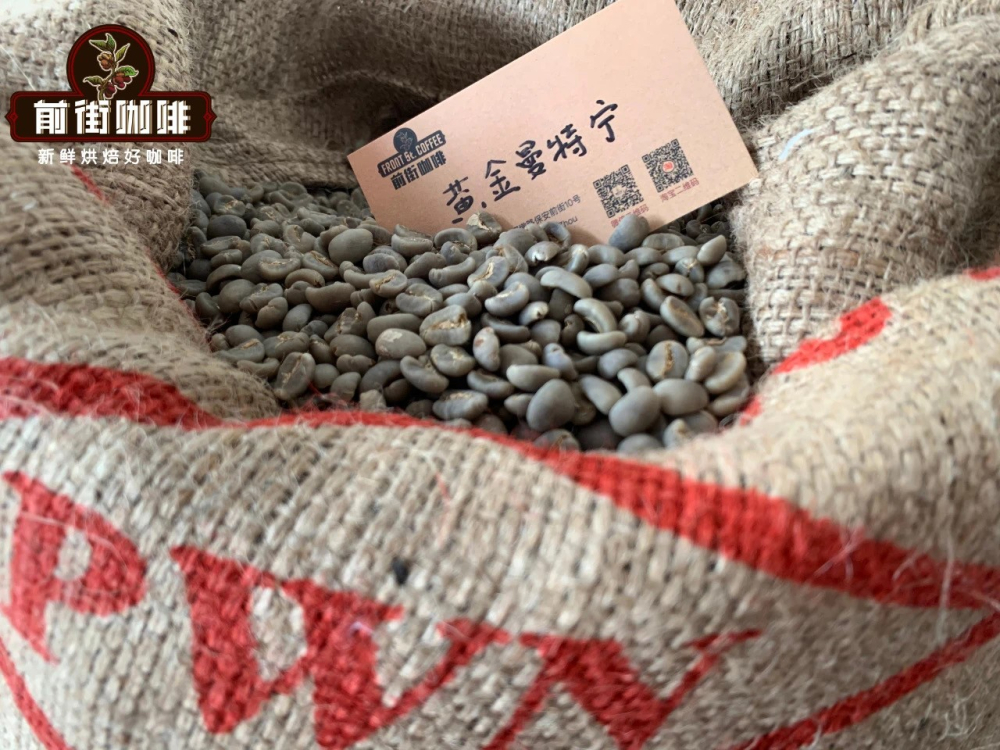
Sourced from the Lintong region in northern Sumatra, it is widely recognized as a premium-grade Mandheling. The Golden Mandheling produced by PWN is strictly selected, using only G1 grade beans sized 18 mesh and above with minimal defects—typically no more than three defects in a 300g sample. The beans are dark green and round, undergoing multiple rounds of manual selection to remove earthy and off odors, resulting in a cleaner, sweeter profile.
The processing and selection of this Golden Mandheling are extremely rigorous: green beans are first pre-selected by density and color, then undergo four rounds of manual re-inspection to ensure each bean meets high standards. For this reason, PWN’s Golden Mandheling not only commands a higher price, but genuine products are also harder to find on the market. Some merchants may mimic the appearance by selecting 18-mesh-and-above G1 beans or even using multiple hand-picking steps, but the flavor complexity still falls short of the authentic PWN product.
It’s worth mentioning that the English name “Golden Mandheling” has been registered as a trademark by PWN, so only beans bearing the PWN logo and accompanied by official origin certification can be considered the genuine, purebred Golden Mandheling. Many coffee professionals can easily distinguish the unique cleanliness and sweet aroma of PWN Golden through blind tastings.
The reason Mandheling has characteristics such as low acidity, full body, and subtle earthy and spicy notes is closely tied to its unique “wet-hulled process (Giling Basah).” Indonesia’s humid and rainy climate—with average annual humidity between 70% and 90%—makes traditional washed or natural processing difficult to control, prompting farmers to develop this more efficient yet technically demanding method.
The steps of the wet-hulled process are roughly as follows: after harvesting and sorting, coffee cherries are first depulped, then fermented for 24 to 36 hours to remove some of the mucilage. Next, the semi-dry beans have their parchment layer (i.e., the inner skin) removed, after which the beans continue sun-drying until the moisture content drops to 10% to 12%. Since the protective layer is removed while the beans are still semi-dry, the surface often retains unique textures, and mechanical compression leads to the so-called “elephant hoof” or “horse hoof” bean appearance.
A newly introduced lot of Golden Mandheling uses a local variety known as “Ateng,” which is actually the Indonesian colloquial term for the Catimor family, originating from Aceh Tenggah. Although the Typica introduced to Indonesia earlier nearly disappeared due to leaf rust, subsequent crossbreeding with more disease-resistant varieties has preserved the unique regional flavor characteristics of Mandheling.
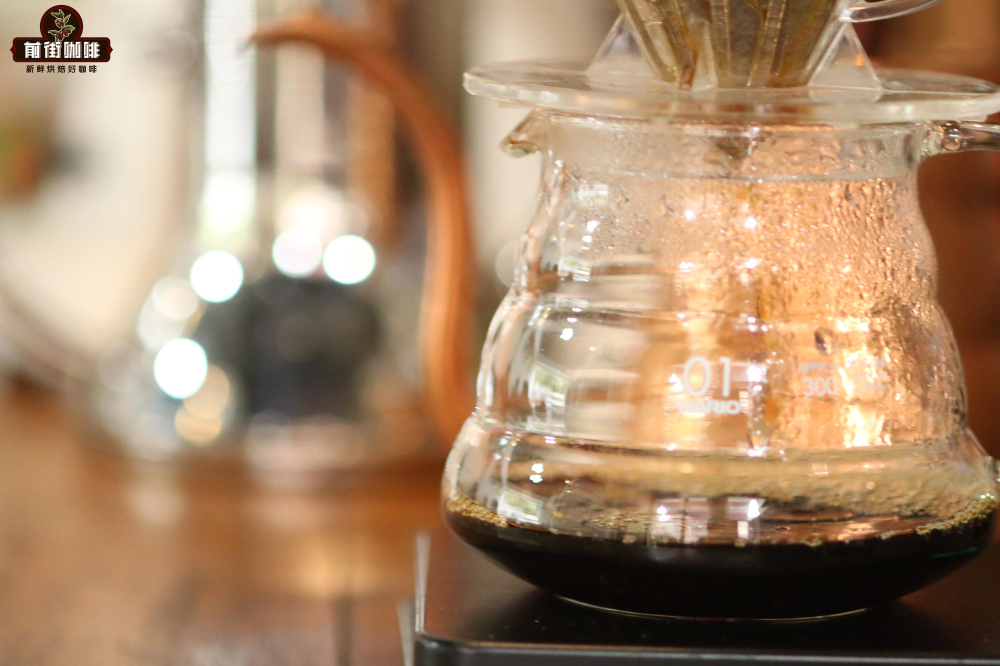
For this dark-roasted Mandheling, it is recommended to use a Kono filter dripper for pour-over, with water temperature controlled at 86°C, a coffee-to-water ratio of 1:15, and grind size set to China Standard BG#6K (approximately 70%-75% passing through a #20 sieve). Choosing Kono over V60 is because, under lower water temperatures, the Kono dripper’s tight walls and rib design extend water-coffee contact time, improving extraction uniformity and enhancing body.
Recommended pour-over steps are as follows:
1. Start with a 30g bloom for 30 seconds;
2. Then pour in a slow circular motion until reaching 125g for the first pour;
3. Once the water level drops and is about to expose the coffee bed, pour again to reach 225g;
4. Finally, wait for the water level to drop and the coffee bed to be about to become visible before removing the dripper. Total brew time is approximately 2 minutes.
【Flavor Profile Summary】
• Sumatra Wahana Estate Natural Mandheling: ginseng, ripe plum, chocolate, with a rich and full-bodied mouthfeel.
• Lintong Mandheling: herbal, chocolate, caramel, overall balanced.
• Aged Mandheling: aged pu-erh, caramel, herbal, with low acidity and prominent sweetness.
• PWN Golden Mandheling: nuts, spices, licorice, chocolate, caramel, with a clean and soft flavor.
• Tiger Mandheling: nuts, cream, dark chocolate, caramel, with standout sweetness and clear layers.
The above content is compiled by CoffeeHunters, a coffee news website.


