







Introduction:Delve into Asia’s three major core coffee-growing regions—Indonesia, Yunnan, and Papua New Guinea. From planting history and geographical environments to distinctive processing methods, this comprehensive guide explores classic beans such as Golden Mandheling, Aged Mandheling, West Java Honey Process, and Yunnan Catimor. It provides practical parameters including altitude, variety, processing method, and cupping flavors to help you find pour-over-friendly beans that enhance both tasting and purchasing experiences.
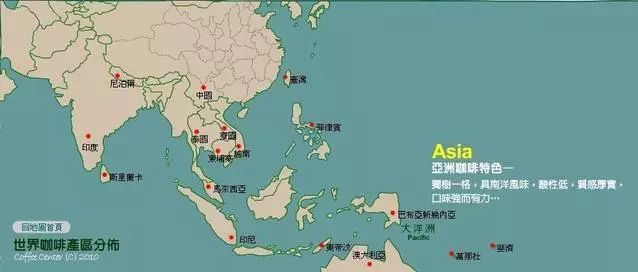
Asian coffees are known for their bold and steady flavor profiles, carving out a niche in the global specialty coffee market. These regional coffees often exhibit intense sweetness and a full body, though their aroma and acidity tend to be more restrained. Common processing methods are primarily washed or semi-washed, with uniformly shaped beans; those processed via semi-washed methods may appear darker in color. Overall, these coffees leave an impression of sweet richness and stability, though they are somewhat conservative in brightness.
When further distinguishing between continental and island-type Asian regions, their flavor characteristics also differ: Continental coffees generally surpass both Central and South American and African beans in body, but with noticeably lower acidity, often accompanied by notes of aged wood, herbs, spices, and soil. Their deep, muted aromas often overshadow the expression of bright fruit acids. In contrast, island-type coffees present a cleaner and softer profile, with delicate aromas that hint at subtle fruity nuances.
1. Indonesia: The Many Faces of Mandheling
Indonesian coffee is renowned for its rich, bold taste and extremely low acidity, with sweet aftertastes of caramel and dark chocolate that are especially favored by Japanese consumers. As a significant coffee-producing region in Asia and one of the world’s major producers, Indonesia’s coffee story dates back to the 17th century. In 1696, Dutch colonists introduced coffee seeds to Indonesia and successfully trial-planted and expanded cultivation on Java Island. However, by 1877, the outbreak of coffee leaf rust nearly wiped out the local Arabica coffee. To revive the industry, Indonesia imported the disease-resistant Robusta variety from Africa, which gradually became the mainstay of commercial crops.
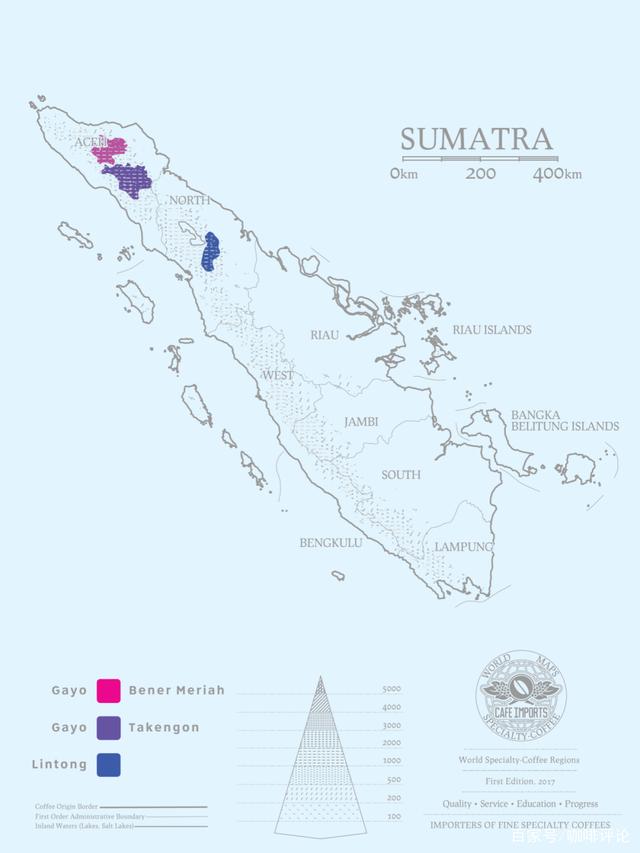
Currently, Indonesia is one of the world’s leading producers of Robusta coffee, with Arabica accounting for only 6% to 10% of total production—the most representative of which is Mandheling. Robusta is mainly concentrated in southern Sumatra, while Arabica is mostly found in the northern regions.
Indonesia’s high-quality coffee primarily comes from three major islands: Sulawesi, Sumatra, and Java. Among them, Java is known for producing Arabica coffee with bright acidity and clean fruity notes. Although around 90% of Indonesia’s coffee is now Robusta—mostly used in commercial blends—Arabica varieties still possess unique charm. Interestingly, Indonesia’s coffee-growing history is closely tied to the trade strategies of the Dutch East India Company, which sought to break the Arab merchants’ monopoly on coffee trade by introducing coffee seeds to this land.
Early plantations were mainly concentrated around Bogor, Sukabumi Selatan, and Batavia, later expanding to central, eastern, and western Java, as well as parts of Sulawesi and Sumatra. To meet the demands of coffee transportation, the mid-19th century saw the construction of extensive railway and road infrastructure in Java. Indonesia’s exceptional tropical rainforest climate—with an average annual temperature of 25–27°C, annual rainfall of 1600–2200 mm, fertile volcanic soils rich in minerals, and altitudes of 900–2100 meters (with main producing areas around 1200 meters)—provides an ideal environment for coffee cultivation.
Indonesia’s coffee harvest seasons are divided into the main season (September–October) and the secondary season (May–June). In recent years, due to high prices last year suppressing exports, this year’s increased production has led to a significant rise in exports. Indonesia grows a wide variety of coffee, including Arabica, Robusta, and Liberica, with over 20 sub-varieties. Common ones include Catucai, Catimor, Timor, Typica, S288, S795, and Sidikalang. The nation’s coffee-growing area exceeds one million hectares, accounting for 24% of cultivated land, with an average of about 1.7 hectares per household and a total of 2.7 billion plants. Of these, 66% are modern farms, and the rest are traditionally smallholder operations.
Over 95% of Indonesian coffee is produced by smallholders, mainly concentrated in central and eastern Java. Many farms adopt organic cultivation methods, and 19 cooperatives have obtained international certification. Indonesia’s uniquegiling basah(semi-washed/wet-hulled) processing method is a key factor shaping its coffee flavors: After harvesting, the pulp is removed and the beans are briefly sun-dried, but unlike traditional methods that dry moisture down to 11–12%, this process retains 30–35% moisture before hulling, then proceeds to drying and storage. This method significantly reduces acidity while imparting a fuller body and richer mouthfeel.
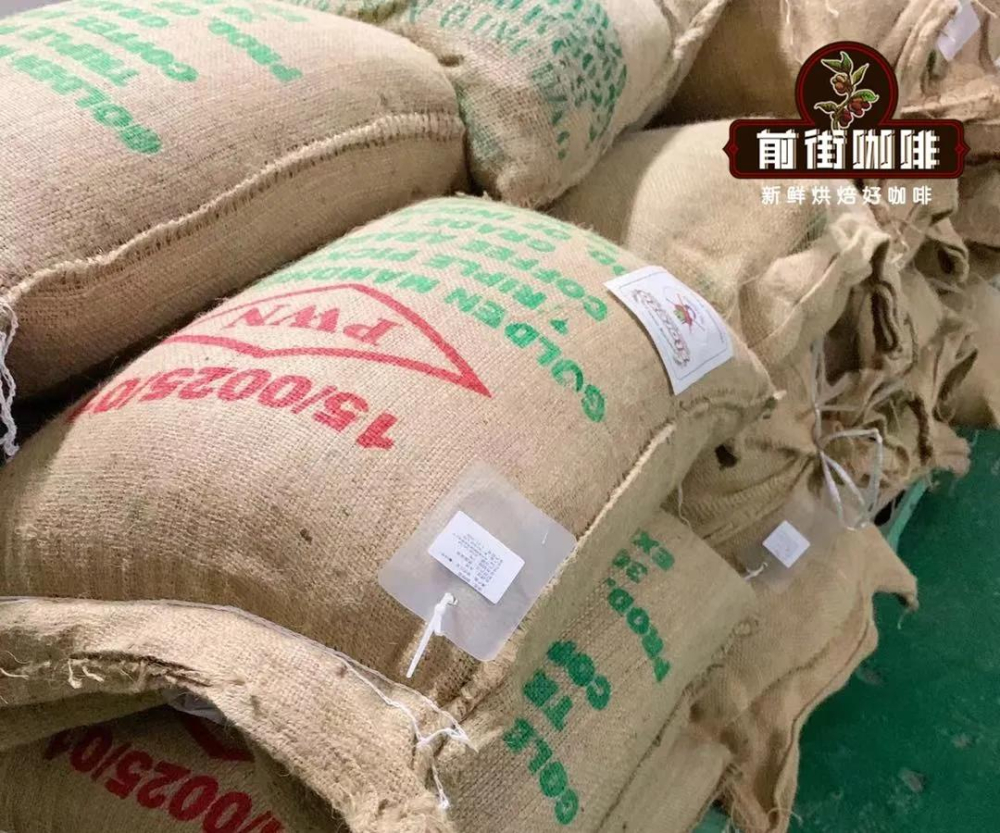
As a result, Indonesian coffee often presents deep and wild flavors, particularly earthy notes paired with complex undertones of mold, spice, wood, smoke, and fur, with aftertastes often featuring dark chocolate. Sumatra, being suitable for dark roasting, produces top-tier beans such as Mandheling and Ankola, whose smoky profiles are complex and captivating. Among them,Mandhelingwas originally the name of a tribe, but after World War II, a Japanese soldier returning home sought premium coffee beans. Introduced by a trader, the coffee was casually dubbed “Mandheling,” which then became synonymous with this bean. Notably, PWN Company (Pwani Coffee Company) was the first to export Golden Mandheling to Japan. Its packaging was once adjusted from 60 kg to 30 kg, and the producing region shifted from Lintong to the Gayo Highlands.
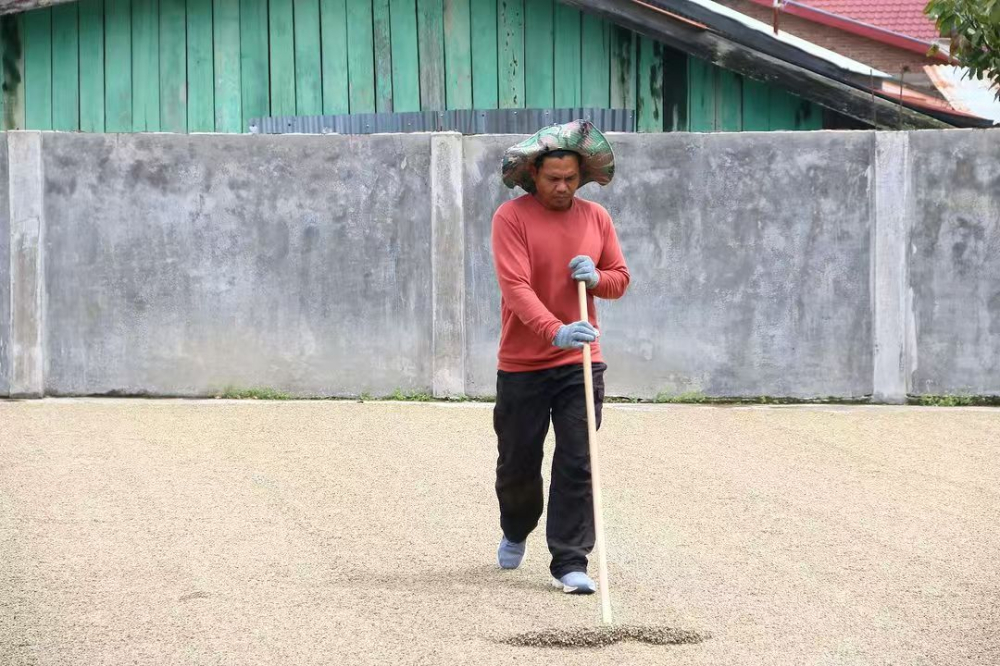
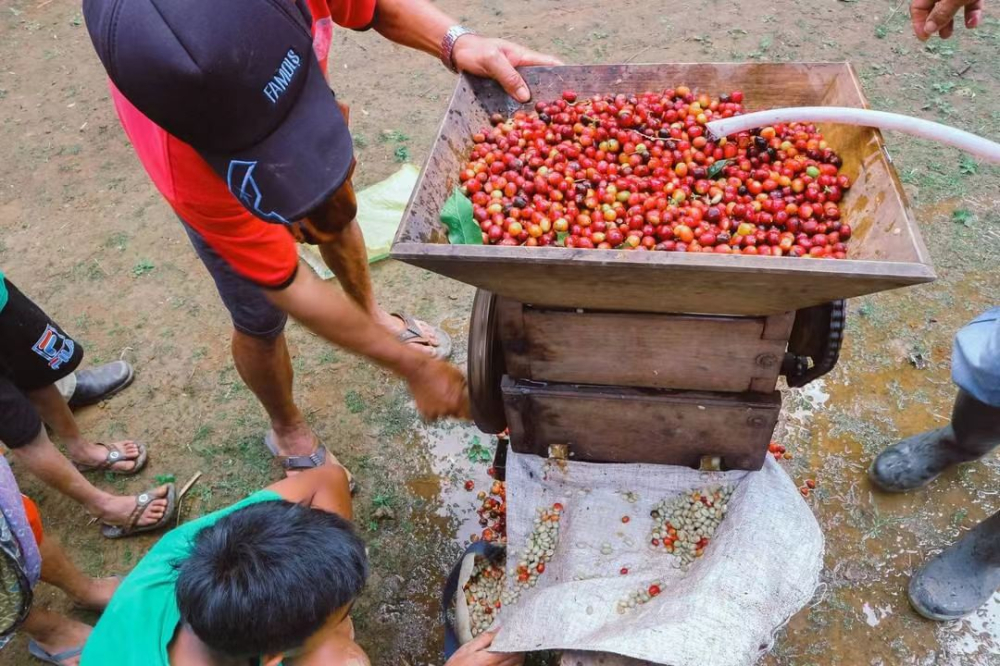
Indonesian coffee often employs the uniquewet-hulling method(Giling Basah). Due to frequent rain, typhoons, limited sun-drying conditions, and economic constraints limiting the cost of washed processing, the wet-hulling method emerged. Even though some farms with better conditions can now use other methods, wet-hulling remains key to shaping Mandheling’s distinctive flavor—the two are mutually reinforcing. The steps of wet-hulling include: first using a wooden machine to remove the skin and pulp, fermenting for about 3 hours, then sun-drying the beans to a half-dry state (around 30–50% moisture); next, removing the mucilage and wrapping the beans in parchment paper to dry for 2–4 days until moisture drops to 12–13%.
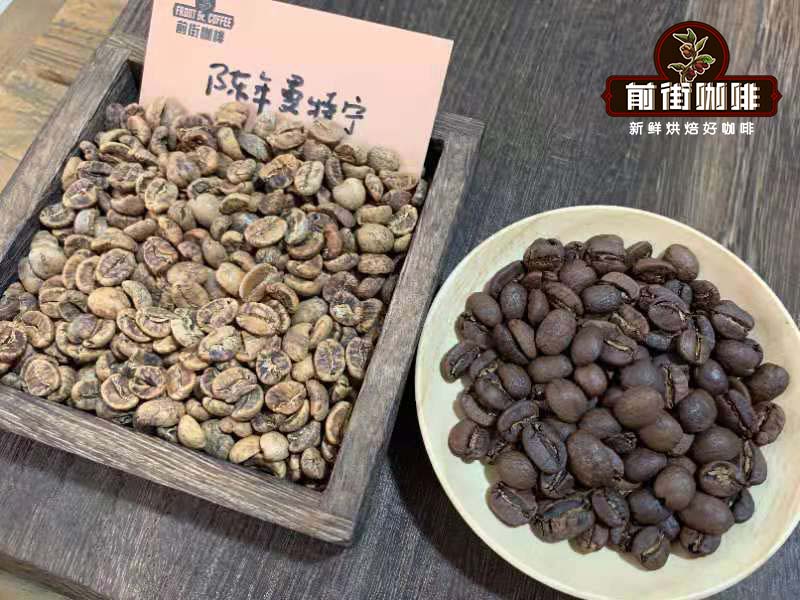
Beyond the conventional wet-hulling method, there is alsoaged wet-hulling: storing the preliminarily processed beans for 2–3 years in a cool, ventilated environment with regular turning to prevent mold. Over time, the acidity gradually fades, sweetness increases, and the color turns to deep yellowish-brown. A well-known café menu item, Aged Mandheling, is processed using this method. While the market sees endless innovations in processing, wet-hulling remains central to Mandheling’s flavor.
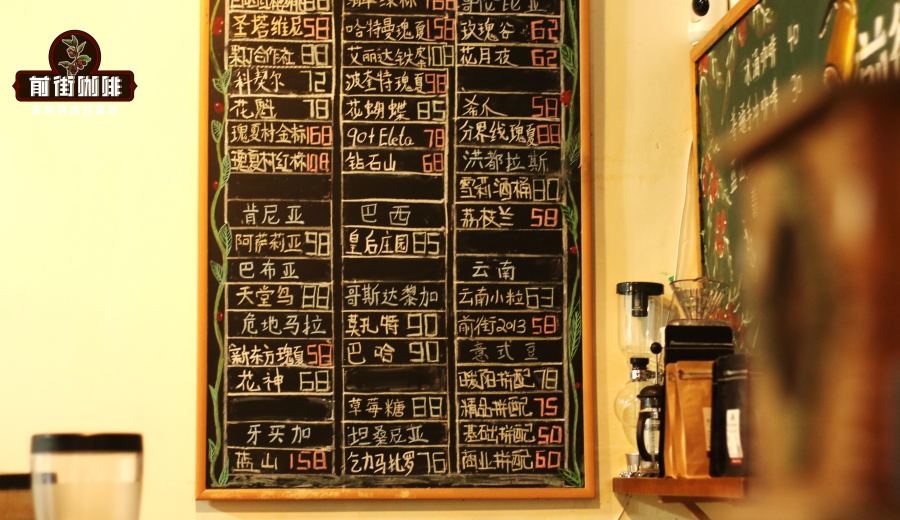
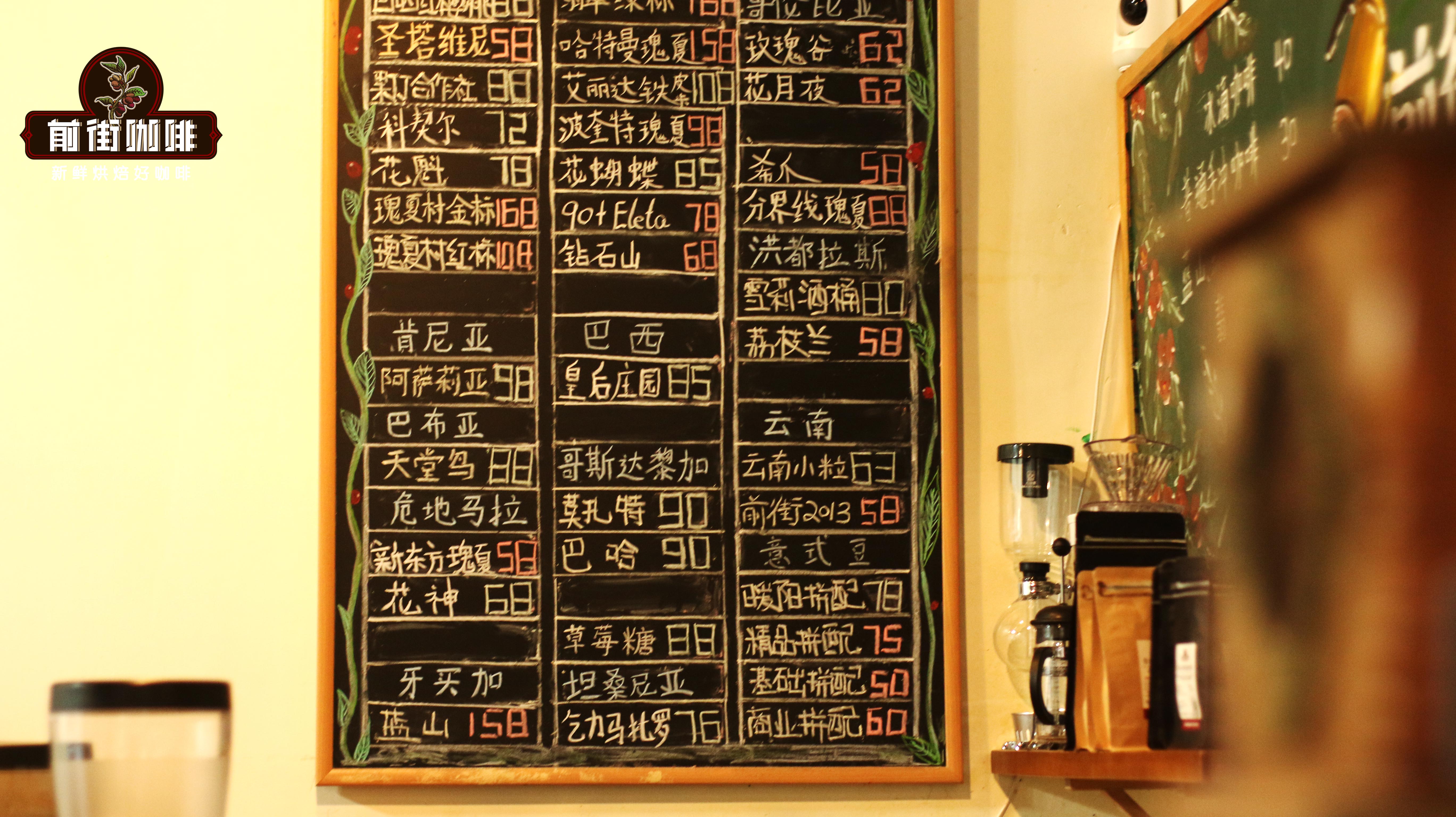
Here are the recommended Indonesian coffee offerings from this café:
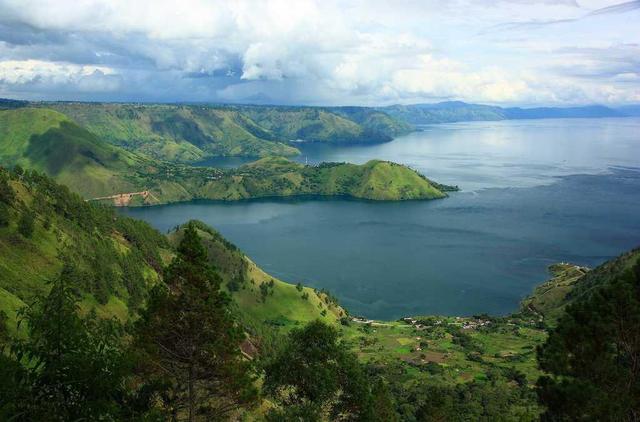
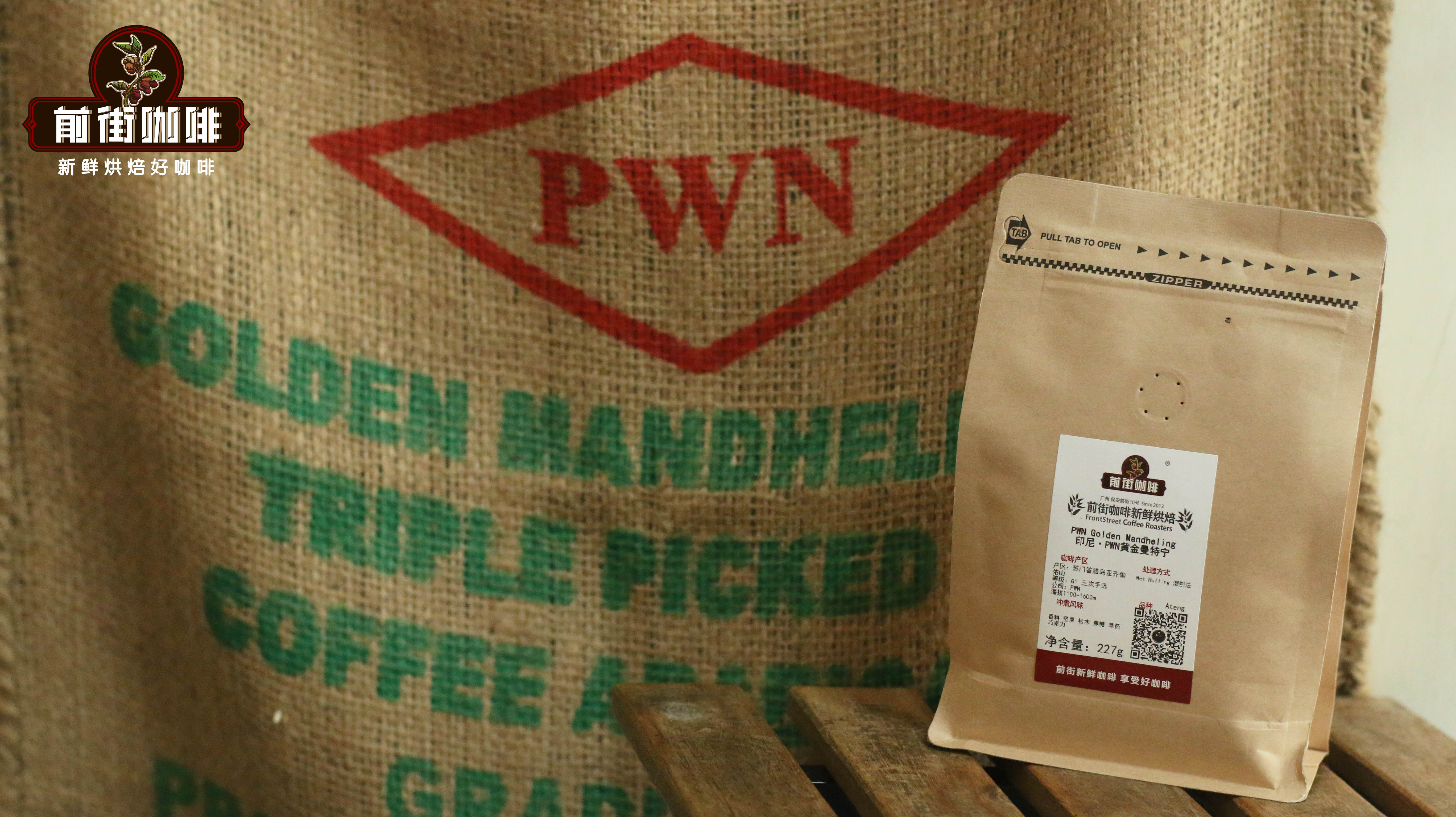
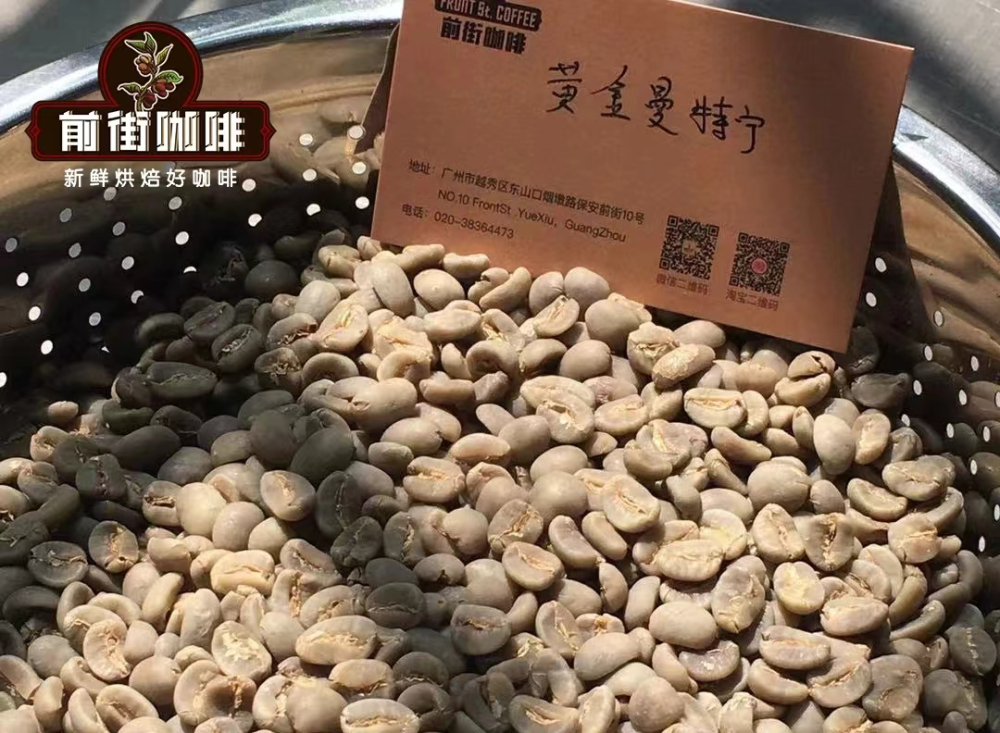
PWN Golden Mandheling: Produced in Sumatra, Indonesia, at altitudes of 1100–1600 meters, the variety is Typica, processed via wet-hulling. Flavor notes include nuts, spices, herbs, licorice, chocolate, and caramel, with a clean and soft mouthfeel. These beans come from the Lake Tawar region of the Gayo Mountains in northwestern Sumatra, where Japanese buyers strictly select for density and color, and hand-sort four times to ensure uniformity and a golden hue—hence the name “Golden Mandheling.” The trademark is not owned by the Japanese company but registered by Indonesia’s PWN Company; the Japanese market refers to it as “Gold Top Mandheling.” Some cafés find the flavors similar, but branding leads to differing market perceptions—the final choice depends on personal preference. The beans are mostly size 18 or above, with fewer than 3 defects per 300 grams, classified as G1 (highest grade), appearing as flat beans in deep green. After strict selection, some cafés note almost no earthy tones, with brighter, more pronounced sweetness.
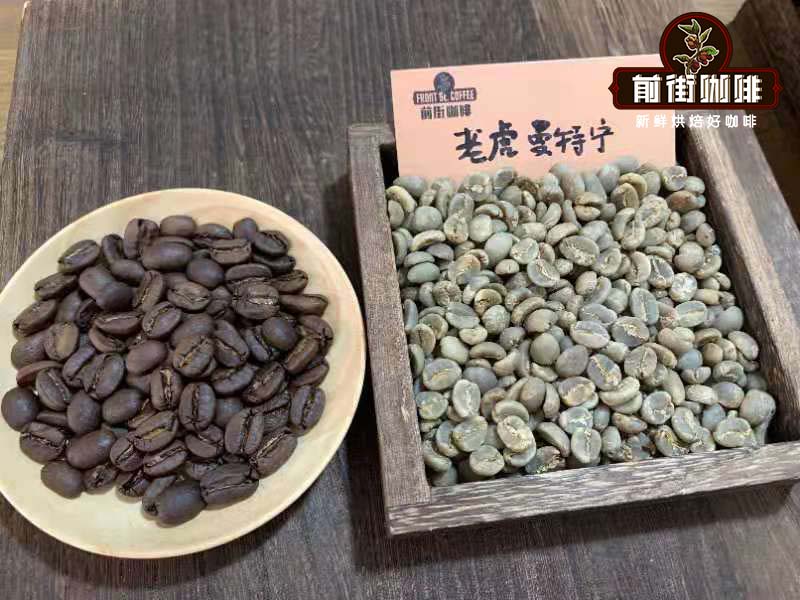
Tiger Mandheling: Produced in Sumatra, Indonesia, at 1500 meters altitude, varieties include Catucai, Typica, and Sidikalang, processed via wet-hulling. Flavor notes include cream, dark chocolate, nuts, and a balanced profile. Tiger Mandheling mainly comes from Sumatra, Java, and Sulawesi, with Tiger Estate (also called Mandheling Tiger) being the most renowned, located in North Sumatra’s high-altitude regions—especially around Lake Tawar in Aceh and Lake Toba in North Sumatra—known for traditional shade-growing and organic cultivation. With humidity as high as 70–90%, annual rainfall exceeding 2000 mm, and frequent typhoons, farmers often use wet-hulling to speed up harvesting. After washing and parchment drying for 2–3 days to 20–24% moisture, the process can damage beans, resulting in so-called “horse hoof beans” and a higher defect rate—but also contributing to its bold and vivid flavor.
Aged Mandheling: Produced in Sumatra, Indonesia, at 1500 meters altitude, varieties are Catucai and Catimor, processed via wet-hulling. Flavor notes include ripe pu-erh, caramel, herbs, and chocolate, with low acidity. Note that true Aged Mandheling is not simply green beans stored for years, but properly processed and stored to develop complex flavors. Improper storage can lead to spoilage or infestation.
Lintong Mandheling: Produced in the Lintong region of Sumatra, Indonesia, at 1100–1600 meters altitude, varieties are Typica and Catucai, processed via wet-hulling. Flavor notes include toasted bread, nuts, caramel, pine, and herbs. The Lintong area near Lake Toba is a major source of conventional Mandheling. Wet-hulling gives the coffee low acidity and high body, with beans being semi-soft. The common processing scars (nicknamed “goat hoof marks”) are not flaws but features of this method.
Natural Mandheling: Produced in the Lake Toba region of Sumatra, Indonesia, at 1000–1700 meters altitude, varieties are Bourbon and Typica, processed via natural (sun-dried) method. Flavor notes include melon, fermentation, mango, tropical fruits, and peach. Natural processing is rare for Mandheling, but its flavor performance is stunning—delivering thick tropical fruit notes akin to aged sorghum, with a clean and unforgettable mouthfeel.
The café also offers a pour-over comparison reference for the five aforementioned Mandhelings: Golden Mandheling shows versatile, clean, and balanced flavors, with lasting nutty and caramel aftertastes; Lintong Mandheling excels in herbal, medicinal, dark chocolate, and caramel finishes; Tiger Mandheling is well-balanced with notes of pine, spice, cream, and nuts; Aged Mandheling reveals woody, malty, caramel, and robust herbal sweetness with low acidity; Natural Mandheling features tropical fruit fermentation aromas and smooth sweetness.
West Java Aromanis: Produced at Aromanis Estate in West Java, Indonesia, at 1400–1600 meters altitude, varieties are Catucai and Catimor, processed via honey (sundried) method. Flavor notes include mango, red wine, peach juice, intense fruitiness, jackfruit, and sweet aftertaste. Aromanis is the name of a local dessert, used to describe this coffee’s marshmallow-like texture.
Kopi Luwak (Civet Coffee): Produced in Sumatra and Java, Indonesia, at 1000–1700 meters altitude, varieties are Catucai and Catimor, processed via internal fermentation (civet digestion). Flavor notes include herbs, nuts, dark chocolate, and fermented tones. Kopi Luwak is one of the world’s most expensive coffees, produced when wild civets (Luwaks) consume fresh coffee cherries, ferment them internally, and excrete the beans, creating unique flavors. Civets are found across Indochina, northeastern India, Bangladesh, and Nepal, but only those in Sumatra produce this coffee.
2. Yunnan: The Rise of Smallholder Coffee
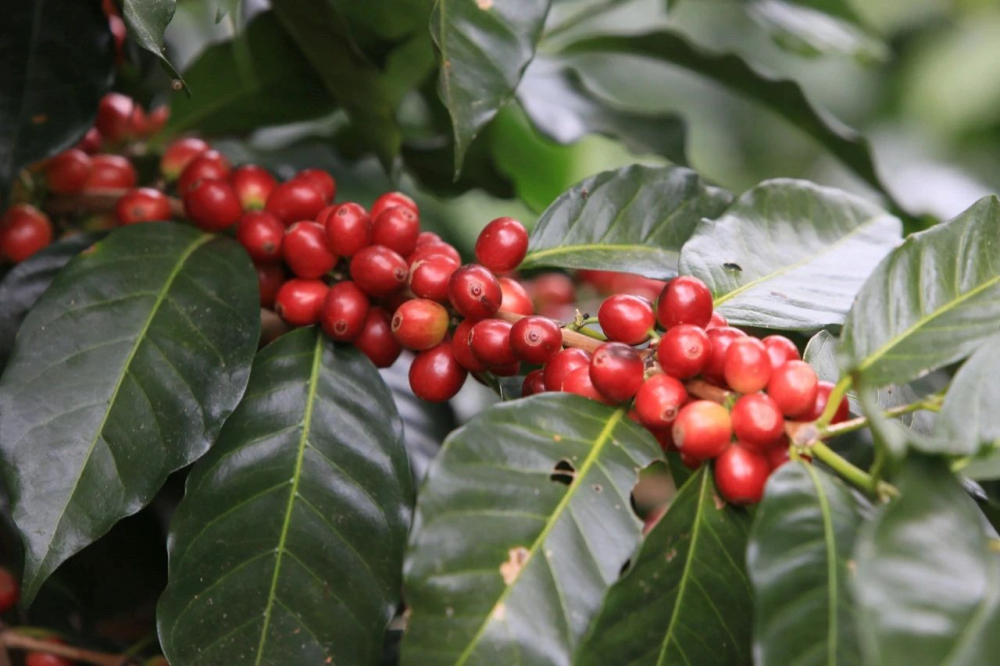
Yunnan’s coffee-growing history dates back to 1892, when French missionaries introduced coffee seeds to the Binchuan Valley—some plants still bear fruit today. Nowadays, Yunnan mainly cultivates Arabica smallholder varieties, commonly known as “Yunnan smallholder coffee.” Yunnan’s geography and climate are highly suitable for coffee: low latitude, high altitude, and significant diurnal temperature variation lend its taste a similarity to Colombian coffee—rich and bold.
Yunnan’s Baoshan region produces natural sundried Catimor coffee at 1450–1550 meters altitude, with flavor notes including caramel, dried fruit, cocoa, dark chocolate, and herbal tones. As one of the three major smallholder coffee regions, Baoshan boasts over 50 years of cultivation history, including coffee trees over 60 years old. Its traditional natural farming methods have earned high international praise.
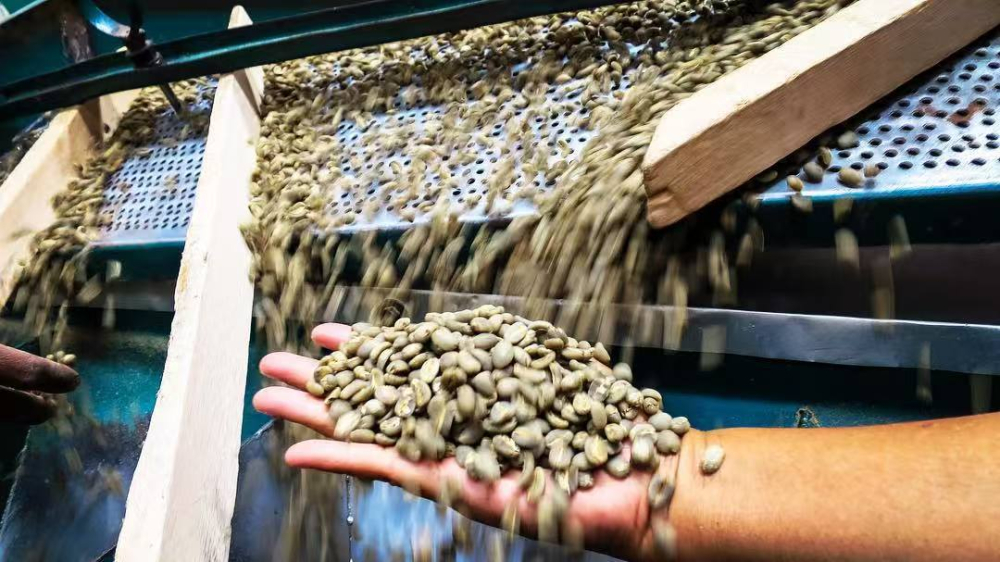
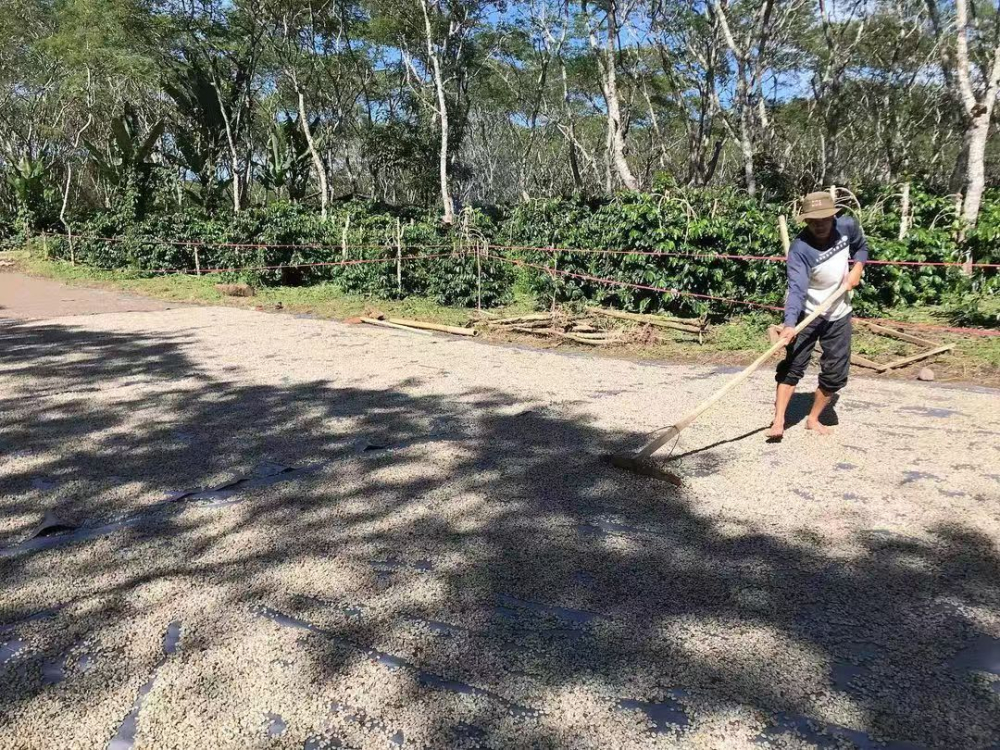
Currently, Yunnan mainly grows the Catimor variety—a hybrid of Bourbon-descended Catucai and Robusta—endowed with Robusta genes that confer strong disease resistance and yield performance, making it popular among farmers. Some cafés’ Catimor red cherry sundried coffee achieves enhanced sweetness and body by harvesting only fully ripe red cherries and using raised drying beds to avoid ground contamination.
“Yunnan smallholder coffee” generally refers to cultivated smallholder Arabica, traditionally including varieties like Typica, characterized by citrus, fermented fruit, cocoa, nuts, and herbal notes. In contrast, Huaguoshan Typica showcases melon, brown sugar, plum acidity, and black tea-like fruit acids, presenting a different flavor profile from smallholder Catimor.
3. Papua New Guinea: Refined Island Coffee
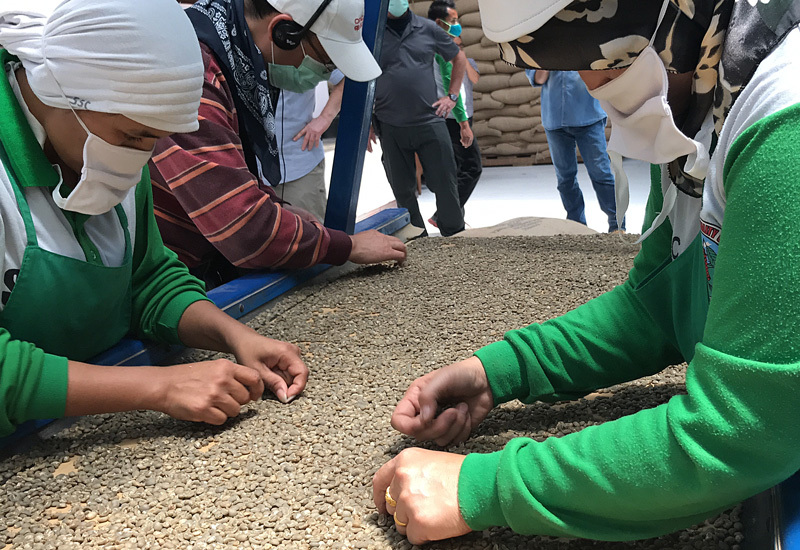
Papua New Guinea’s coffee regions differ markedly from Indonesia’s. Local farms vary in scale—smallholder operations often use washed and organic methods, yielding intense flavors with almost no earthiness, and less common but diverse natural processes. Large estates produce cleaner profiles but with less distinct character. The beans are lighter in body, similar to premium Central American beans, with tree varieties mostly hybrid crosses of Jamaican Blue Mountain and Tanzanian Arusha.
A café’s Papua New Guinea Small Blue Mountain (Bird of Paradise) coffee comes from Sigri Estate at 1500 meters altitude, with varieties Catucai and Catimor, processed via washed method. Flavor notes include cream, nuts, chocolate, and gentle fruit acidity. Bird of Paradise Estate is located in the Waghi Valley of the Western Highlands at 1500 meters, boasting fertile volcanic soils and cool, rainy climates. Since its establishment in the 1950s, the estate has upheld eco-friendly farming, refusing pesticides and prioritizing bird and soil conservation. From April to September, farmers hand-pick fully ripe red cherries and conduct daily cuppings to ensure consistent quality—resulting in this world-class specialty coffee.
The above content is compiled by CoffeeHunters, a coffee news website.


