








Introduction:Although a small cup, espresso is intense in flavor and is a must-try for many coffee enthusiasts. But do you know why a glass of ice water is often served with espresso? And how should you properly enjoy this classic coffee? This article delves into the unique flavor characteristics of espresso—from the crema, aroma layers to the five-step tasting method—to help you master professional evaluation techniques and understand the key role of ice water in the tasting process.
When you walk into many coffee shops, you might not immediately see "espresso" listed on the menu. It often exists as a hidden item, which can seem mysterious to first-time customers. This article will take you deep into understanding this classic Italian coffee—from the flavor experience it offers to why it’s always served with a glass of ice water—unraveling the charm of espresso step by step.

Many people rarely order an "espresso" directly when they’re at a coffee shop. This quick-to-serve, minimalist-looking small cup may not be the most prominently recommended drink at every café, but it is the soul foundation of Italian-style coffee. So, what are we actually tasting when we take a sip of espresso?
Looking back at the history of espresso, it originated among Italy’s working class during busy workdays, when they needed a beverage that could quickly perk them up. Therefore, espresso emphasizes fast extraction, high concentration, and strong flavors—delivering enough caffeine stimulation in just a few sips to help people quickly regain alertness. Back then, the focus wasn’t on flavor details, but on "efficiency" and "stimulation."
However, with the rise of specialty coffee, modern coffee drinkers no longer consume espresso solely for its wakefulness effect—they care more about its flavor profile. Compared to pour over coffee, where one can slowly appreciate how aromas shift with temperature changes, espresso’s high coffee-to-water ratio (usually around 1:2) and high-pressure extraction (above 9 bar) result in a more concentrated, bold flavor with a thicker texture and relatively tight layers. Its subtle flavors often require a more attentive tasting approach to capture.
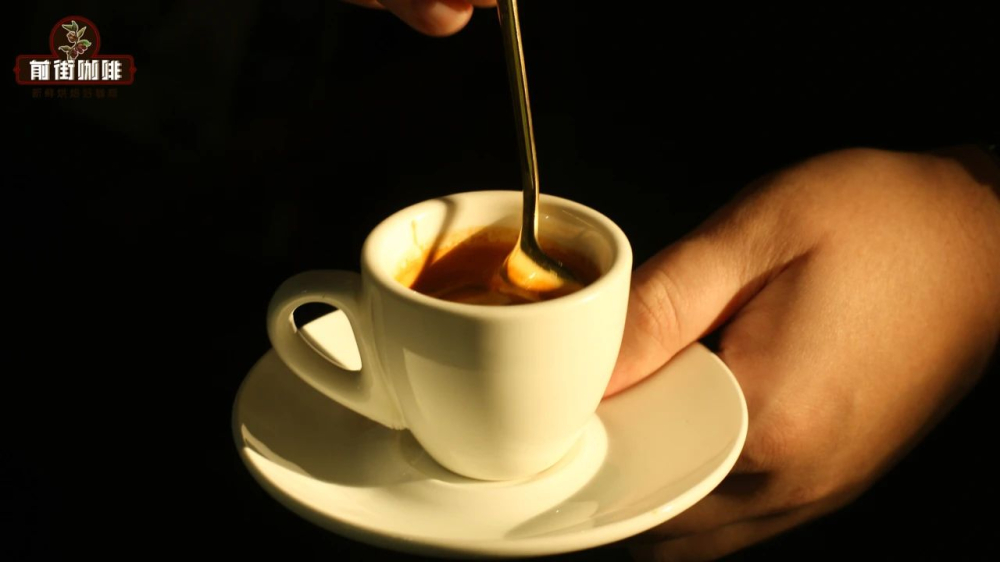
When tasting espresso, we particularly pay attention to the following aspects: First is the crema—the golden to brownish oily layer formed by the combination of carbon dioxide released under high pressure and coffee oils. It not only affects appearance but also directly relates to the smoothness of the mouthfeel and the release of aroma. Next is the aroma—whether it presents clear floral, fruity, caramel, or nutty notes; and whether the aftertaste is clean and lingering without off-flavors. In addition, overall flavor balance and mouthfeel structure are also key indicators of a good shot of espresso.
So why is a glass of ice water always served with an espresso order? It’s not just for pairing—it serves an actual tasting function. First, the main purpose of this ice water is to "rinse and awaken" your palate before tasting. The cool sensation and flow of the water can quickly reset your taste buds, clearing away any residual flavors from food or drinks, allowing you to experience the true flavor of espresso in the purest state.
Next, many baristas recommend using the accompanying small spoon to gently stir the espresso. This blends the originally layered coffee—especially mixing the denser part at the bottom with the clearer liquid on top—resulting in a more consistent flavor release and a fuller overall taste experience. Of course, if you want to experience the layering before stirring, you can also take a sip directly to enjoy the different flavor variations in each part.
When tasting, it’s recommended to take the espresso in 3 to 4 sips. Use the tip of your tongue to feel its smoothness and texture, while the sides of your tongue can capture details of acidity and sweetness, engaging different taste receptors fully. After swallowing, close your mouth and gently exhale through your nose to let the aroma escape from your nasal passages—this helps you more fully perceive the depth of the coffee’s aftertaste and aroma. Finally, rinse with a sip of water, which helps make the sweetness more pronounced—a finishing step many coffee aficionados are accustomed to.
Of course, tasting methods vary from person to person, and there’s no absolute standard—finding a comfortable way for yourself is most important. However, a high-quality espresso always hinges on two key factors: first, high-quality and suitable coffee beans, and second, stable and precise extraction technique.
For example, a coffee brand’s self-developed "Sunflower Warm Sun Blend" combines dark-roasted beans from Honduras with sun-dried red cherry beans from Yirgacheffe. The former brings a rich chocolate and spice profile, while the latter adds bright citrus and floral notes. When blended, they create a complex profile of vanilla cream, wine-like notes, and chocolate layers. It’s an excellent base for espresso—not only offering balanced flavor but also a long-lasting aftertaste. It’s a classic recipe with very high repurchase rates among customers at many cafés.
The above content is compiled by CoffeeHunters, a coffee news website.


