







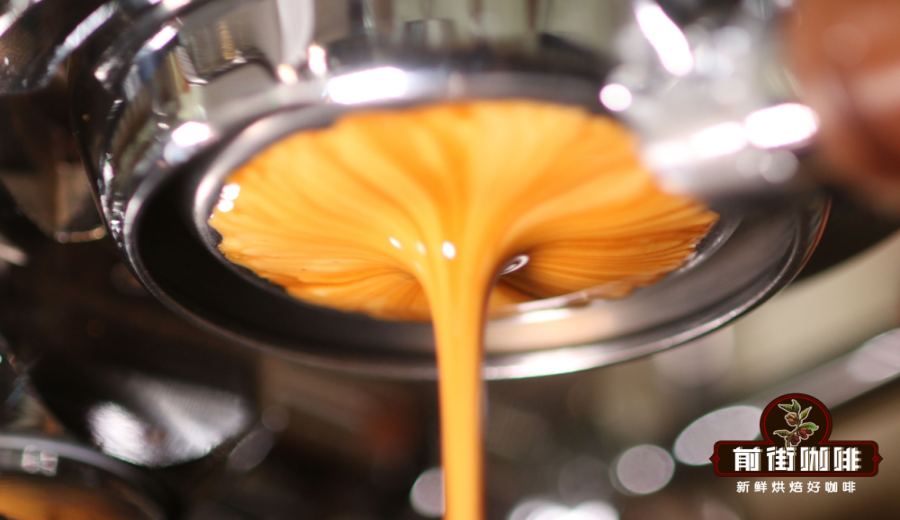
Introduction:The golden, velvety Crema is the soul of espresso, influencing not only the flavor but also directly determining latte art performance. This article delves into the scientific principles behind crema formation, breaking down four key influencing factors: bean freshness, roast level, extraction conditions, and bean variety. It also recommends a practical blend with rich crema, ideal for latte art, while highlighting the subtle impact of equipment pressure on crema presentation. Whether you're a home user or a coffee professional, you'll gain actionable insights to enhance crema quality.
When tasting espresso, many are first drawn to the golden, fine foam on its surface. This layer, known in Italian as Crema, is not only a visual highlight but also a key indicator of espresso quality. It affects the body and thickness of the coffee and directly relates to the flow and stability of latte art. How exactly is this layer formed? What factors influence its texture and thickness? This article will take you through the science behind it and offer practical bean selection advice.
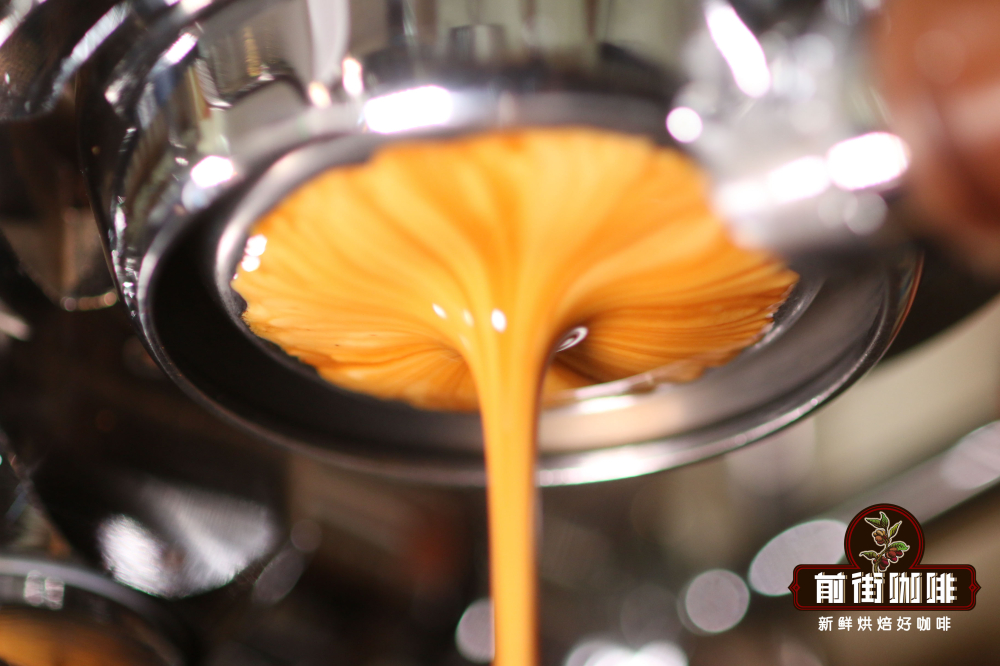
Regarding espresso flavor preferences, consumers can generally be divided into two types: those who value layered and complex flavors, often choosing single-origin SOE beans; and those who prefer richer, fuller-bodied options with abundant crema. If you fall into the latter group, understanding the mechanisms and influencing factors of crema formation will help you select the most suitable coffee beans.
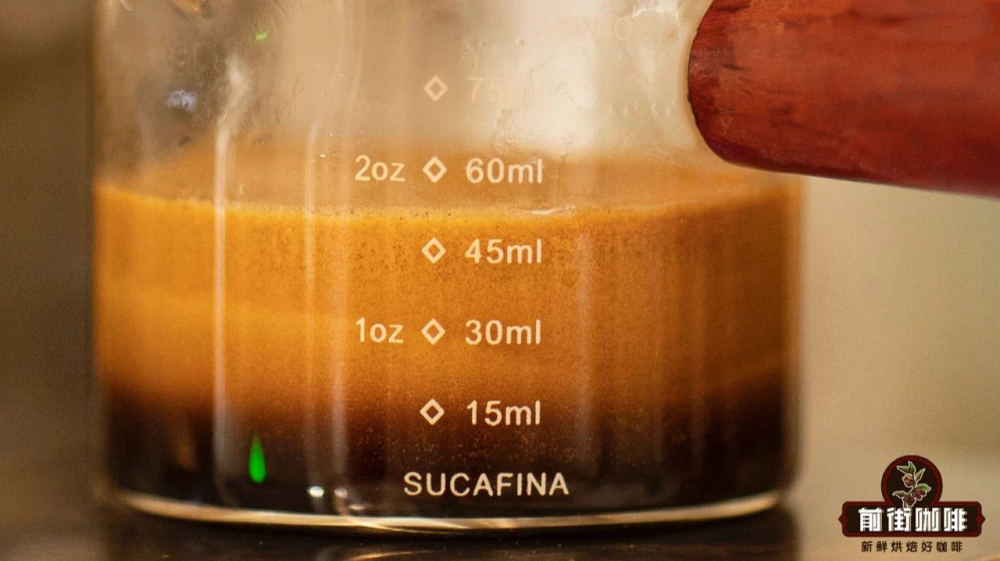
Crema formation actually stems from physical and chemical reactions during high-pressure extraction. When an espresso machine operates at around 9 bar of pressure, it not only extracts soluble substances from the coffee grounds but also encapsulates coffee oils and carbon dioxide, forcing them to emerge with the liquid. These gases are temporarily stabilized within the oily layer under high pressure, forming a fine and persistent foam structure. An ideal Crema should typically make up about one-third of the total espresso volume, with a warm golden color, smooth and delicate surface, and no noticeable large bubbles.
So, what factors directly affect Crema performance? First and foremost, bean freshness is crucial. Since Crema is essentially a combination of oils and carbon dioxide, the fresher the beans, the more residual CO₂ they contain, naturally leading to a richer oily layer.Generally, the first one to two weeks after roasting are the most active phase for CO₂ release from the beans and the optimal period for crema extraction.
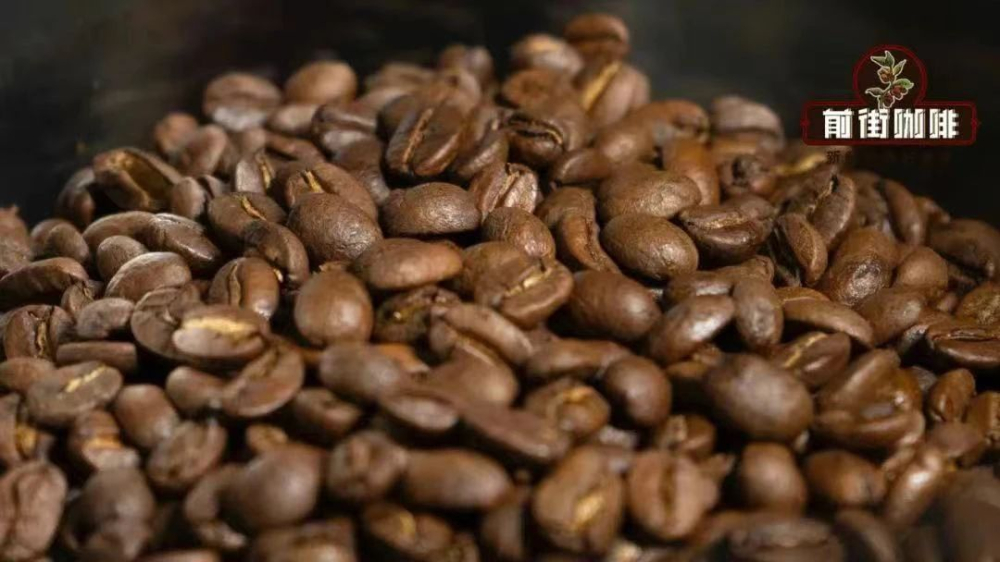
Secondly, roast level also plays a key role. With the same freshness, the darker the roast, the more oils the beans typically release, making the Crema appear denser. However, overly dark roasts may also introduce burnt or bitter notes, so a balanced approach is needed.
Additionally, extraction efficiency should not be overlooked. Under-extraction may result in insufficient release of soluble substances and oils, leading to lighter-colored and looser crema; over-extraction, on the other hand, can make the crema overly thick and even bring out unpleasant bitter notes from over-extracted compounds.
Finally, differences in coffee varieties also significantly impact oil performance. Studies show that Robusta beans inherently contain higher oil content, and the foam they produce is generally more abundant and stable than that of Arabica. For this reason, many traditional Italian blends include a small percentage of Robusta to enhance crema richness.
For coffee lovers seeking a bold flavor and rich crema, choosing the right blend is key. Many specialty brands offer espresso-specific blends, and one particularly standout product is based on Brazilian and Colombian Arabica beans with a clever addition of 10% Robusta. This blend not only retains the sweet foundation of Arabica but also gains a deeper caramel sweetness and thicker oily layer from the Robusta. In terms of flavor, it presents a harmonious interplay of nuts, cocoa, and dark chocolate, with well-balanced acidity and sweetness, and a mildly bitter yet lingering finish.
In addition to its excellent crema performance, this blend is also highly adaptable to various equipment. Whether you're using a home semi-automatic machine or a commercial-grade espresso machine, proper extraction parameters will consistently yield fine and long-lasting crema. For users who frequently prepare milk-based drinks like lattes and cappuccinos, the rich crema not only enhances the body of the drink but also ensures smoother integration of milk foam and coffee, aiding in the creation of delicate and enduring latte art patterns.
It’s worth noting that even with high-crema-potential beans, insufficient equipment extraction pressure can still lead to poor crema performance. Crema formation and maintenance heavily rely on the physical effects of high pressure. If your espresso machine operates below the standard 9 bar pressure, even the highest-quality beans may only produce thin and short-lived foam.
If you find that, despite adjusting grind size, dose, and tamping pressure, your crema remains thin or dissipates quickly, it’s advisable to first check your machine’s pressure performance. Some home models may, due to design limitations, struggle to consistently maintain high-pressure extraction. In such cases, upgrading to equipment with commercial-grade performance can significantly improve crema texture and longevity.

The above content is compiled by CoffeeHunters, a coffee news website.


