







Introduction:Many beginner coffee drinkers often feel puzzled when ordering, unsure about the difference between a latte and an americano. These two classic espresso-based drinks—one with milk added and the other diluted with water—offer vastly different flavor profiles. This article will delve into their brewing principles and flavor characteristics, explain the extraction logic and key parameters of espresso, and explore why americanos tend to taste bitter. You’ll learn how to distinguish between normal flavors and extraction flaws, further enhancing your coffee tasting experience.
Upon entering a café and facing a menu full of options, many beginners often hesitate between a latte and an americano. Though both are derived from espresso, their varying additions lead to distinctly different tastes and textures. This article starts with the basics, breaking down how lattes and americanos are made and what sets them apart. Using actual extraction parameters as examples, it helps you better understand the differences between these two classic drinks, while also discussing why americanos can taste bitter and possible ways to improve that.
First and foremost, the biggest difference between a latte and an americano lies in what’s added beyond the base. A latte is built upon a shot of espresso, with a large amount of steamed milk added, sometimes topped with delicate microfoam and latte art, making it a flagship milk coffee. In contrast, an americano is created by diluting espresso with hot or iced water, classifying it as a black coffee. It has a relatively lighter taste, though the intensity varies depending on the dilution ratio.
What is espresso?
Espresso is a highly concentrated, small-volume coffee beverage, typically made using a professional espresso machine. Under a pressure of 9 bar or more, hot water rapidly passes through finely ground coffee to extract the flavors. This process effectively draws out the coffee's aromatic compounds, resulting in a richly concentrated shot with complex layers of flavor.
Most commercially available espressos use blended beans, balancing cost and flavor stability. However, some coffee shops opt for single-origin beans—known as SOE (Single Origin Espresso)—to highlight the unique characteristics of a specific region.
The case study presented here uses a medium-dark roasted blend called "Warm Sun Blend." Its recipe consists of 30% Ethiopian Yirgacheffe Natural Red Cherry and 70% Honduran Sherry coffee beans. This blend aims to deliver a stable and balanced flavor profile, suitable for daily service. The recommended initial extraction parameters are: 20 grams of coffee grounds, using a 1:2 coffee-to-water ratio, extracted under 9 bar pressure to yield about 40 grams of espresso in 25 to 30 seconds. In practice, adjustments can be made based on equipment used. For instance, shops using a Q18 grinder and Lelit machine often employ 19.8 to 20 grams of extremely fine grounds, extracting 35 to 38 grams of espresso in approximately 27 to 30 seconds.
This Warm Sun Blend espresso often exhibits pronounced fermented wine-like aromas, soft berry acidity, a velvety mouthfeel akin to vanilla cream, and a finish that carries notes of nuts and caramel.
How is a latte made?
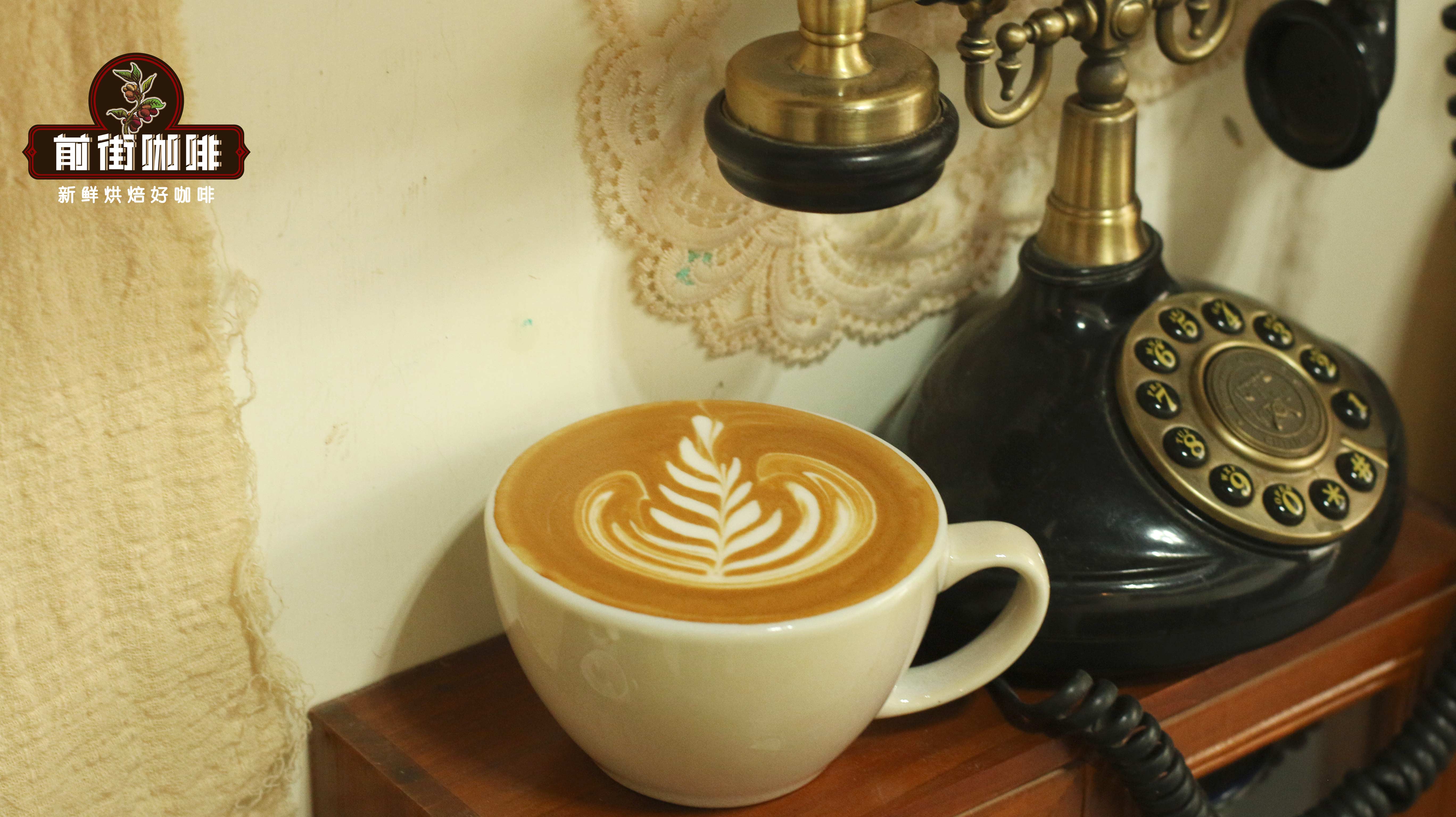
A latte is a classic coffee drink made by adding steamed milk and microfoam to a freshly extracted shot of espresso. During preparation, the milk is heated to around 60–65°C, and a steam wand is used to create fine microfoam. The milk is then slowly poured into the espresso, and sometimes the remaining foam is used to create latte art. A latte made with the Warm Sun Blend offers a noticeable sweetness, gentle fermented wine aroma, and a silky-smooth vanilla cream texture, finishing with hints of hazelnut and chocolate. If cold milk is used, it may present a whisky-like aroma, with softer berry acidity and a lingering finish of nuts and caramel.
What is an americano?
Simply put, an americano is espresso diluted with hot or iced water. The common dilution ratio is 1:5, but this can be adjusted to personal taste. A hot americano usually features vanilla cream-like aromas, accompanied by mild fermentation notes and berry acidity, with a finish of caramel and dark chocolate. An iced americano, on the other hand, often showcases a whisky-like alcohol aroma, with softened berry acidity and a finish that echoes the flavors of hazelnuts and chocolate.
Why does an americano often taste bitter?
The bitterness in an americano mainly comes from the espresso itself, which is highly concentrated and intense, making the bitterness more pronounced. If the bitterness is within an acceptable range, it’s usually normal. However, when the bitterness becomes overly sharp or unpleasant, it often indicates issues in the espresso extraction process—such as improper coffee-to-water ratio, too long an extraction time, or excessively fine grind size.
In such cases, you can first try increasing the water-to-espresso ratio to lower the overall concentration and mellow the bitterness. If it still tastes too bitter after adjustment, you’ll need to revisit and tweak the espresso extraction parameters—for example, by using a coarser grind, reducing extraction time, or adjusting pressure and water temperature—to achieve a more balanced extraction.
The above content is compiled by CoffeeHunters, a coffee news website.


