








Introduction:Channeling is a common issue that affects the flavor of espresso, ranging from uneven extraction to producing overly sharp bitterness or flat taste. This article delves into the causes of channeling, teaches you how to stabilize and improve espresso quality by optimizing distribution and tamping techniques, and provides practical prevention tips to help you easily avoid over-extraction pitfalls.
Among all types of espresso beverages, espresso can be considered the soul of the drink. A well-extracted shot perfectly highlights the unique flavors of the coffee beans; but if extraction fails, not only are the positive qualities not presented, but the flaws are also amplified. Among the many factors affecting espresso quality, "channeling" is one of the most common yet often overlooked issues.
Channeling refers to the phenomenon during extraction where water chooses a path of least resistance due to uneven coffee grounds distribution, leading to over-extraction in some areas and under-extraction in others. In this case, the coffee’s flavor becomes extremely unbalanced, potentially exhibiting both sharp bitterness and dull acidity, severely affecting the overall taste.
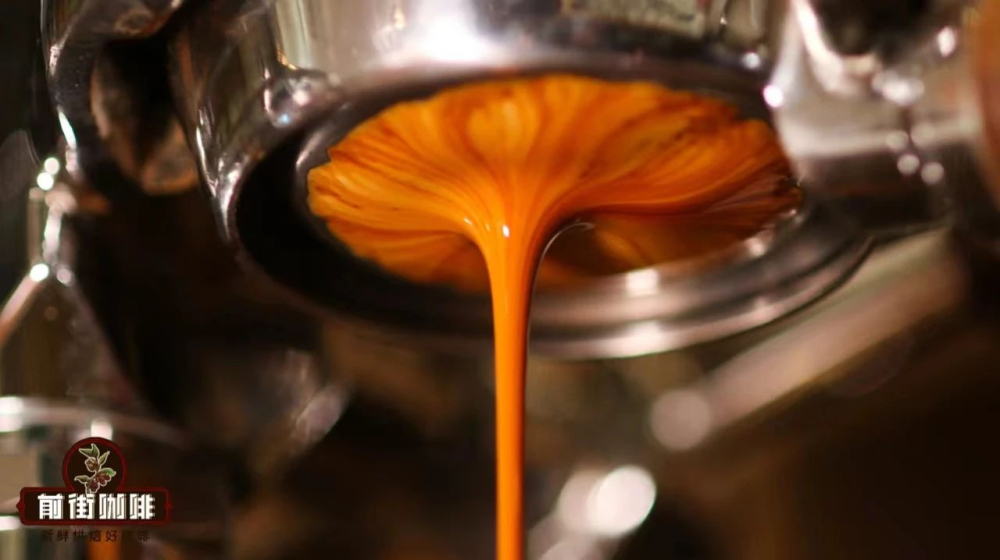
Many baristas and enthusiasts may have experienced making espresso with seemingly correct parameters, yet still ending up with poor flavor. In such cases, channeling is very likely the culprit. Since it occurs in a way that’s hard to observe directly, many people tend to overlook this problem. However, mastering the correct distribution technique can significantly reduce its occurrence.
To understand channeling, it's first important to know how it forms. When coffee grounds are unevenly distributed in the portafilter basket, or when tamping pressure is inconsistent, certain areas end up denser while others are looser. When high-pressure water flows through, it naturally chooses the path of least resistance—the looser areas—forming what is called a “channel.”
This uneven water flow causes some coffee grounds to be over-extracted, releasing excessive bitter and astringent compounds, while others are under-extracted, failing to release their intended aromas and sweetness. The resulting espresso often has imbalanced flavors, making it difficult to showcase the beans’ true potential.
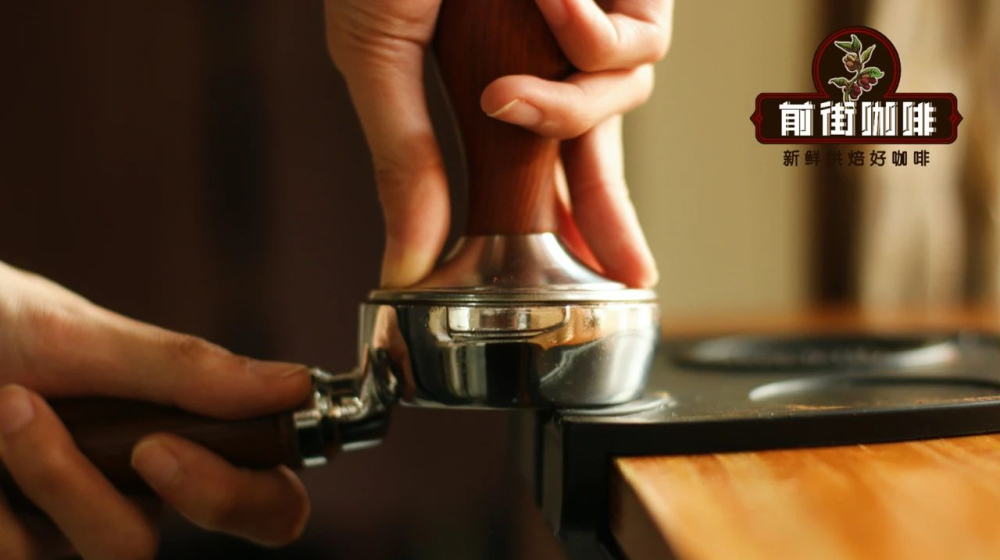
The most critical step in avoiding channeling lies in distribution. Good distribution ensures that coffee grounds are evenly spread in the basket, laying a solid foundation for subsequent tamping and extraction. Many professional baristas use specialized distribution tools to ensure the coffee is evenly dispersed across every corner of the basket.
When distributing, it’s recommended to use a gentle and even hand, avoiding excessive force that leads to uneven compaction. You can start by gently placing the coffee grounds in the center of the basket, then spreading them outward in a circular motion to ensure consistent layer thickness. Then, use a distributor to evenly spread the grounds with a horizontal rotating motion.
Tamping is also a crucial factor in preventing channeling. Tamping should be done with steady pressure to ensure uniform density across the entire puck. When using a tamper, it’s advised to apply force vertically downward to avoid tilting, which can create localized excessive pressure. Generally, the tamping pressure should be controlled between 30-40 pounds (approximately 13-18 kilograms), with specific values adjustable based on the grinder and basket used.
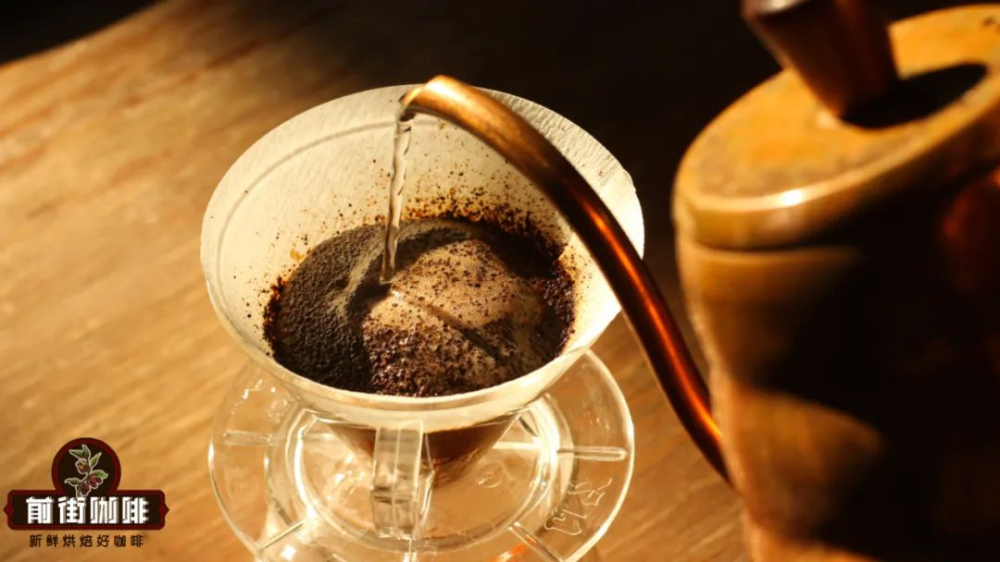
In addition to distribution and tamping, grind size is also closely related to channeling. Too fine a grind increases water resistance, making channeling more likely to occur; too coarse may lead to under-extraction. It’s recommended to fine-tune the grind size according to actual extraction conditions to find the optimal balance.
Also, dose control is important. Too much coffee makes tamping more difficult, while too little may result in insufficient extraction. Generally, a single shot of espresso is recommended to use 7–9 grams of coffee, and a double shot 14–18 grams, with specific amounts adjustable based on basket capacity.
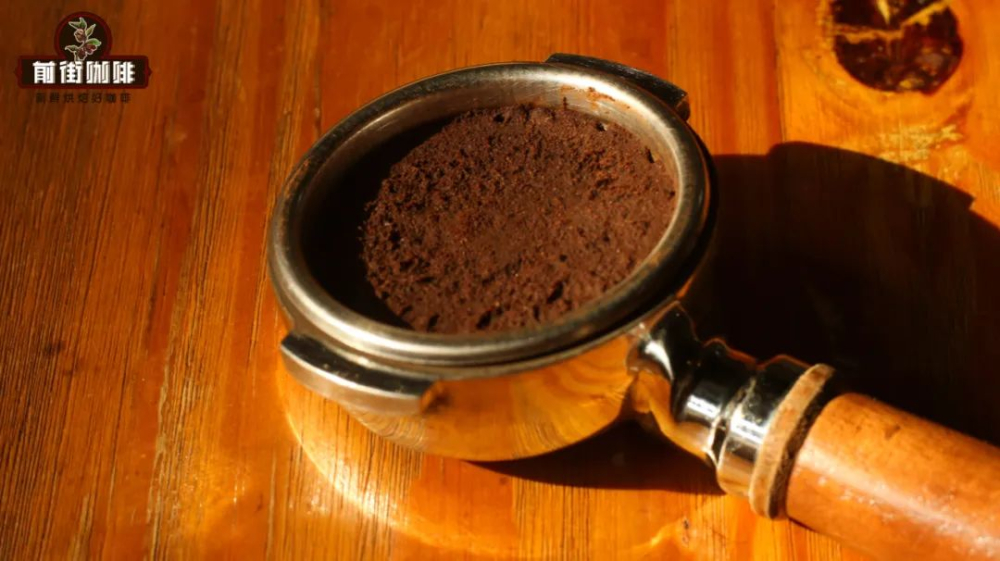
If you frequently encounter unstable extractions, consider checking the following aspects: First, observe whether the flow of water during extraction is even—if you notice significantly faster flow in certain areas, it’s likely a sign of channeling. Second, check whether the puck surface is level—an uneven puck is often the result of uneven tamping. Lastly, record each session’s grind size, dose, and tamping pressure to identify the parameter combination that works best for your equipment.

In summary, to avoid channeling, the key is to ensure even distribution of coffee grounds in the basket and to create uniform puck density through stable tamping. Although these steps may seem simple, every detail affects the final extraction quality. Through continuous practice and adjustment, you’ll be able to consistently produce espresso with balanced flavors and rich layers.

The above content is compiled by CoffeeHunters, a coffee news website.


