








Introduction:Natural processing is one of the most traditional methods of processing green coffee beans. With its intense fruity aroma and fermented wine-like notes, it has regained attention in recent years. This article provides a detailed breakdown of the entire process from harvesting, drying to hulling, analyzes its cost advantages and potential risks, and delves into the unique flavor profile of natural beans. At the end, two representative natural coffees are carefully selected to help readers better understand the charm of this processing method.
Natural processing is one of the oldest methods in green coffee bean production, widely used long before modern processing techniques emerged. This method relies on abundant sunlight and favorable climatic conditions to allow coffee cherries to dry naturally during the sun-drying process, preserving the sugars and flavor compounds in the fruit pulp, thereby imparting rich fruity tones and fermented wine aromas to the coffee. Today, in many tropical and subtropical coffee-growing regions around the world—especially areas with ample sunshine but limited water resources—natural processing remains an important method for preparing green coffee beans.
The natural processing workflow can be roughly divided into five main steps: fresh cherry harvesting and initial sorting, fruit drying, removal of the outer husk and pulp, green bean grading and selection, and finally proper storage and export preparation. Each step affects the final quality and flavor profile of the green beans, so even for this traditional method, rigorous execution and management are required.

The first stage is harvesting and sorting. Coffee cherries are typically harvested by hand, especially in high-altitude or steep-slope regions where mechanization is difficult to implement. Once harvested, the primary task is to remove unripe, overripe, pest-infested, or damaged cherries, as well as to eliminate foreign objects such as branches, leaves, and stones that may have gotten mixed in. This step is crucial for the quality of subsequent drying and can effectively reduce the occurrence of impurities and defective beans.
Next comes the drying stage, which is the core part of natural processing. The preliminarily sorted coffee cherries are evenly spread out on drying beds. Common drying setups include elevated wooden beds, covered areas with tarpaulins, or even flat concrete surfaces. The drying period usually lasts about three to four weeks, during which the cherries need to be regularly turned to ensure even heat exposure and to prevent mold growth or localized overheating. The goal of drying is to reduce the moisture content of the green beans from the initial approximately 60% down to11%around [ ], at which point the beans reach a stable state suitable for storage.
After drying, the next step is to remove the outer parchment layer and any remaining fruit pulp from the coffee beans. This process is usually carried out in a specialized processing facility and is called "hulling" or "shelling." Some high-quality natural beans may also undergo additional polishing to further enhance appearance and consistency. This stage also requires meticulous operation to avoid damaging the beans or generating additional chaff.
The hulled green beans then go through a final round of careful grading and visual inspection to remove beans that are irregular in shape, uneven in color, or show obvious defects. This not only helps enhance the commercial value but also reflects whether the quality control during the drying process was effective. For example, if the beans are dried too much, they can become brittle and prone to breakage during mechanical processing; if under-dried, the higher moisture content not only increases the risk of mold but also negatively impacts storage and transportation. The final selected green beans are then stored in a warehouse, awaiting export.
When discussing the pros and cons of natural processing, the first thing that stands out is its cost-effectiveness. Compared to washed or honey processing, natural processing requires almost no additional water and involves relatively simple equipment, making it particularly popular in regions with limited water resources or basic infrastructure. Additionally, since the fruit pulp and mucilage layers remain attached to the beans for an extended period during the whole process, fermentation reactions are more thorough, resulting in the distinctive rich flavors of natural beans—such as fruity sweetness, fermented wine notes, and caramel-like sweetness—which are hard to replicate with other processing methods.
However, natural processing also comes with notable challenges. The primary issue is its high dependence on weather; continuous rainy days or temperature fluctuations can delay the drying progress, leading to unstable quality. If the drying environment is unclean, impurities and foreign materials can easily mix in, increasing the proportion of defective beans. Even more problematic are the risks of mold and rot, especially in cases of uneven drying or insufficient protective measures during the process. To overcome these challenges, some producers have begun adopting so-called “refined natural” processing techniques, which involve controlling temperature and humidity, frequent turning, and manual sorting to significantly improve quality consistency—but this also means higher labor and equipment investment.
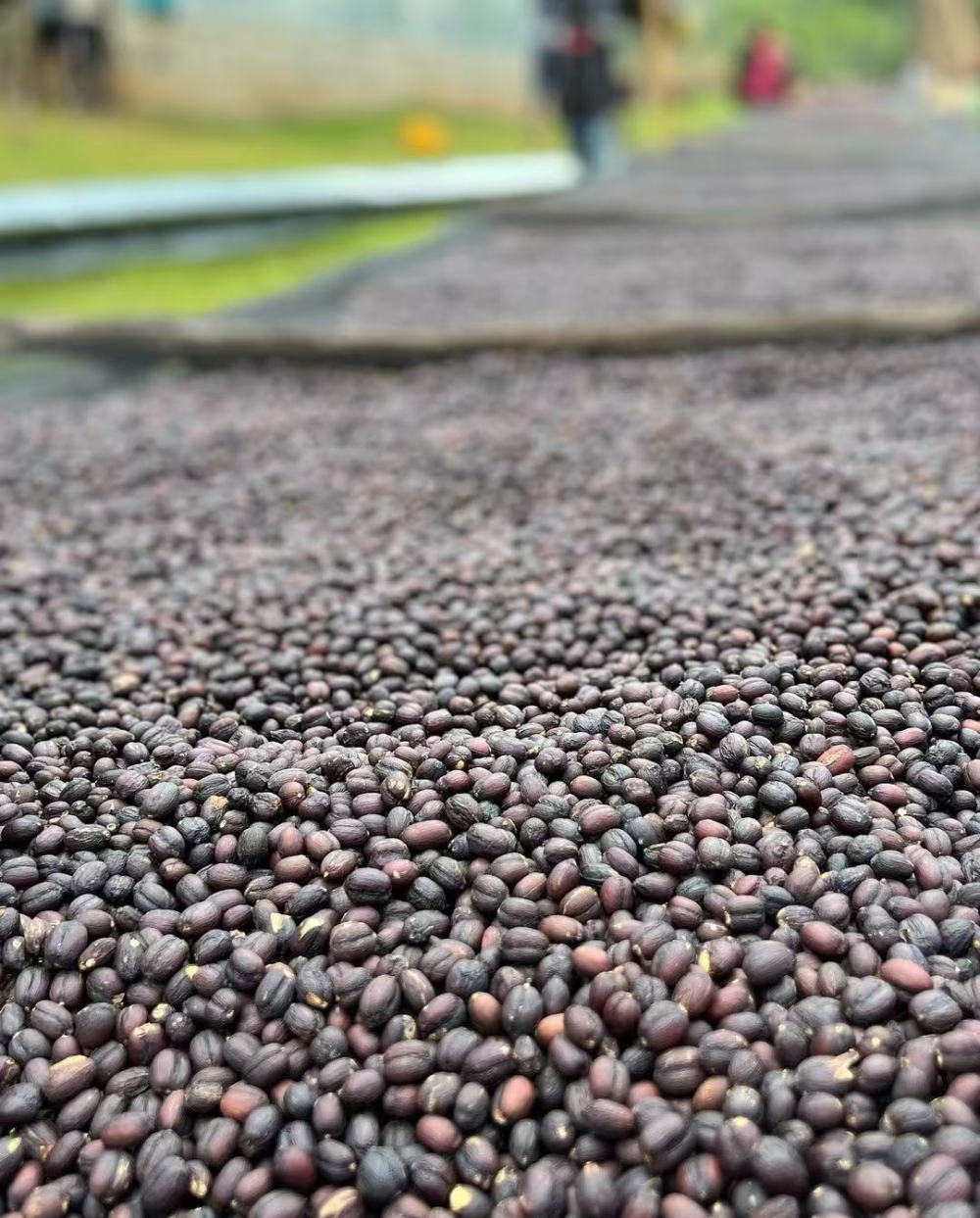
When it comes to the flavor profile of natural beans, the most prominent characteristics are their bold, expressive, and multi-layered taste. Compared to the clean and bright acidity of washed beans, natural beans often present sweeter fruit flavors—such as berries, tropical fruits—as well as fermented wine notes and caramel-like sweetness. These flavor traits make natural coffee a favorite among many coffee enthusiasts, especially those who enjoy bold tastes and complex flavor profiles.
In summary, although natural processing is a centuries-old method, it still holds a significant place within the context of modern specialty coffee. When managed properly, it not only showcases the terroir-specific characteristics of a region but also delivers a deeper level of taste experience. For consumers looking to explore the diverse flavors of coffee, natural beans are definitely worth trying.
The above content is compiled by CoffeeHunters, a coffee news website.


