







Introduction:Choosing the right coffee beans is key to brewing a high-quality espresso. This article delves into the characteristics and differences between single-origin beans, blends, and SOEs (Single Origin Espressos), exploring their variations in flavor profile, roast style, and extraction compatibility. It also explains how to select the right beans based on your needs. Additionally, it provides tips on assessing freshness and practical advice to help you find the most suitable coffee bean combination.
When crafting an authentic espresso, the type of coffee beans used is often the core factor that determines the flavor outcome. Commonly, coffee beans can be broadly divided into two categories: single-origin beans and blends. The former emphasizes the uniqueness of origin and variety, while the latter focuses primarily on delivering a stable and balanced taste. Many people wonder whether single-origin beans suitable for pour over can be directly used for espresso, or if blend beans can also be used for pour over. This article will detail the fundamental differences between single-origin and blend beans, the importance of freshness, as well as the selection and roasting essentials of SOEs, supplemented with real examples to illustrate different flavor characteristics and help you make a wiser choice.
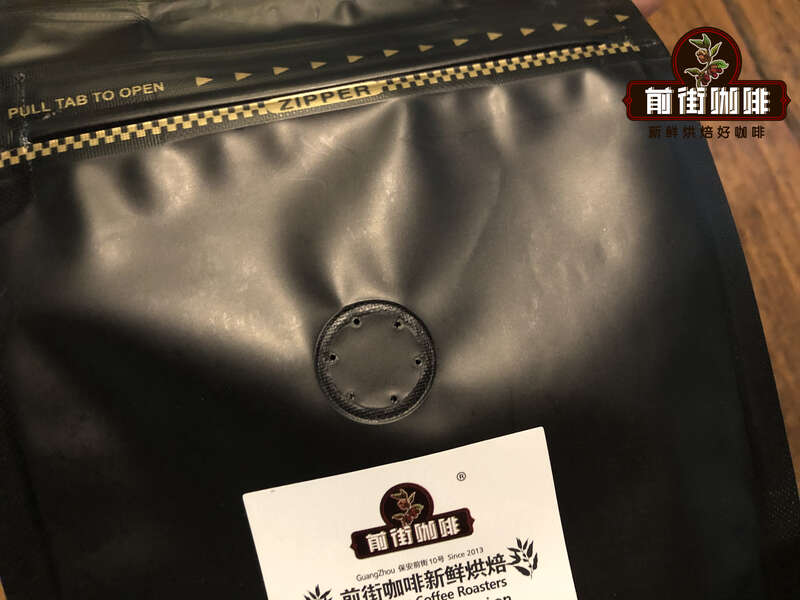
 Before diving deeper into the differences between single-origin and blend beans, one crucial factor must be considered first: the “freshness” of the coffee beans. Whether single-origin or blend, it is recommended to prioritize products that clearly indicate the “roast date,” rather than just looking at the expiration date. When purchasing, it’s advisable to choose beans from reputable brands that emphasize freshly roasted coffee. In addition, checking whether the packaging has a “one-way degassing valve” is also important. This small vent on the bag allows the carbon dioxide released by the coffee beans to escape while preventing oxygen from entering and causing oxidation.
The method for judging freshness is simple: gently squeeze the bag containing the coffee beans and bring your nose close to the one-way degassing valve to smell the emitted aroma. If you detect a rich and pleasant coffee fragrance, it means the beans are still in ideal condition; conversely, if the scent is weak or carries greasy or rancid notes, the beans have likely oxidized and deteriorated, making them unsuitable for purchase. It’s worth noting that coffee beans are at their peak flavor within approximately fifty days after roasting, but the first one or two days right after roasting are not ideal either, as gases have not yet fully dissipated and the aroma has not stabilized.
Single-origin coffee beans refer to beans sourced from a single origin, specific processing facility, or plantation, showcasing the unique terroir conditions and varietal characteristics of that region. For example, some well-known single-origin beans come from Ethiopia’s Guji region, which often exhibit pronounced floral, fruity, and sweet notes. The sourcing of single-origin beans usually involves strict screening, with relatively rigorous control over green bean quality, allowing for a purer and more complex flavor profile to emerge—such as sweetness, caramel notes, or even tea-like qualities. For this reason, single-origin beans are generally priced higher. Moreover, single-origin beans offer great flexibility in roasting; different roast levels can lead to distinctly varied flavor directions, making them suitable for further exploration and experimentation.
 As for blend coffee beans, they are composed of two or more types of beans mixed in specific proportions, aiming to integrate the strengths of beans from different regions to create a more balanced and consistent taste. Blends are commonly used in espresso, as they can maintain stable extraction performance across different batches. Blending methods can be divided into “pre-roast blending” and “post-roast blending”: the former involves mixing the green beans before roasting them together, while the latter means roasting each bean variety separately and then blending them according to desired outcomes. Both methods have their pros and cons, with the key lying in adjusting the roast curve based on the beans’ characteristics to achieve the intended layers and balance in the final flavor.
It’s a common misconception that “Single Origin Espresso (SOE)” simply means using the same single-origin beans intended for pour over to make espresso—but that’s not the case. The appeal of SOE lies in highlighting the unique flavor characteristics of a single origin, so when selecting beans, it’s essential to choose those with a distinct, layered, and intense enough flavor profile. If beans with a vague personality or bland flavor are chosen, even high-pressure extraction may fail to bring out their potential, potentially resulting in an espresso that tastes thin and lacks character. Furthermore, the roast level of SOE must be carefully calibrated; overly dark roasts can erase regional characteristics, while overly light roasts may produce unpleasant sharp acidity due to overly pronounced acidity under high pressure, and could even affect extraction yield. Therefore, the roast curve of SOE is usually distinct from that intended for general pour over use.
On the other hand, are blend beans suitable for pour over? The answer is yes. The concept of blends is essentially about combining beans with different characteristics to achieve specific flavor goals, and it is not exclusive to espresso. Pour over is an extraction method, while blends are a form of combination—the two are not inherently conflicting. In fact, many blend beans, due to their balanced flavors and layered profiles, are also suitable for pour over, capable of showcasing rich fruit acidity, sweetness, and aroma. For instance, some blends are specifically designed to highlight the traits of a particular region or variety. Although technically still blends, they are essentially built around a specific variety as the main component, complemented by other beans to enhance the flavor.
The above content is compiled by CoffeeHunters, a coffee news website.


