







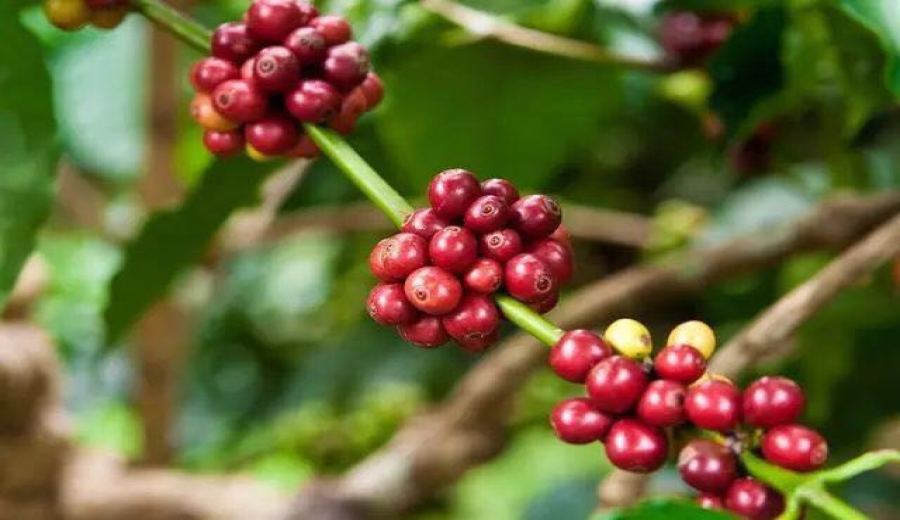
Introduction:As one of China’s key coffee-producing regions, Hainan is dominated by the Robusta variety and is home to two renowned coffee types—Xinglong and Fushan. The area’s unique geography and traditional sugar-roasting techniques give rise to a rich, non-bitter local flavor profile. This article delves into the varietal characteristics, main producing areas, processing methods, and roasting styles of Hainan coffee beans, while also guiding you on how to appreciate this distinctive Southeast Asian flair.
When it comes to Chinese coffee, most people first think of Yunnan, but in fact, Hainan is also an important coffee-growing region in China. Located within the coffee cultivation “golden belt,” Hainan primarily grows the Robusta variety, with Xinglong coffee and Fushan coffee being the two most representative areas. Thanks to its warm climate, abundant rainfall, and mineral-rich volcanic ash soil, Hainan coffee boasts a strong aroma without excessive bitterness, creating a uniquely flavorful experience.
Hainan offers near-perfect conditions for coffee cultivation, with an average annual temperature consistently above 20°C and annual precipitation exceeding 1600 millimeters. These natural factors provide an ideal environment for coffee trees. In particular, the volcanic ash soil drains well and is nutrient-rich, helping the coffee beans accumulate a wealth of flavor compounds, which contribute to Hainan coffee’s full-bodied and layered taste characteristics.
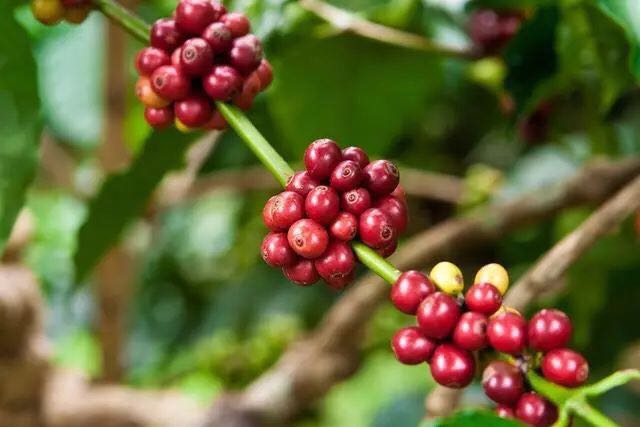
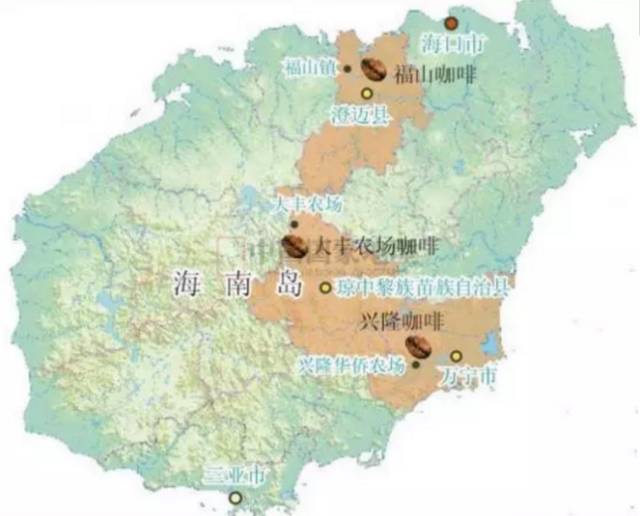
Hainan mainly cultivates the medium-sized bean variety, commonly known as Robusta. Its premium production regions include six counties and cities: Chengmai, Wanning, Wenchang, Qiongzhong, Baisha, and Sanya. As early as the early years of the founding of the People’s Republic of China, Hainan began developing its coffee industry, with the most iconic examples being Xinglong coffee from Wanning and Fushan coffee from Chengmai. These two regions not only have a long history but have also developed unique roasting and brewing cultures locally.
Xinglong coffee originated in 1953 when overseas Chinese returning to China introduced coffee seedlings from abroad and began planting them in the Xinglong area of Wanning, Hainan. After years of development, Xinglong coffee gradually formed its own style and became a China-Europe mutually recognized geographical indication product. The Robusta coffee beans here are mostly processed using the honey method, resulting in a rich, full-bodied yet refreshing and smooth flavor, with a long-lasting aftertaste and unique regional characteristics. Some products are further categorized into different processing types such as black honey and red honey.
As for Fushan coffee, it originated in the 1950s when coffee cultivation in Chengmai County was still on a small scale. It wasn’t until the 1970s that Xu Xiuyi established a coffee plantation and processing factory in Fushan Town, significantly boosting the local coffee industry. By 2013, the Fushan coffee planting area had reached approximately 60,000 mu, with an annual output exceeding 3,000 tons, making it one of the key representatives of Hainan coffee.
What makes Hainan coffee unique is not just its variety and geographical conditions, but also its traditional sugar-roasting technique inherited from Southeast Asia. Unlike conventional commercial roasting, Hainan coffee is often hand-roasted in large iron pans over firewood, with the addition of white sugar, salt, and butter. The high heat triggers a caramelization reaction between the sugar and coffee beans, imparting a rich and multi-layered aroma.
The traditional roasting technique of Fushan coffee is particularly meticulous. Skilled roasters continuously stir the green beans in the firewood pan using large iron shovels, relying entirely on experience to control the heat and timing. Especially when the beans reach the first crack stage, a large amount of white sugar is quickly added and stirred continuously until the sugar is fully caramelized, giving the bean surface a shiny, dark appearance. This step is not intended to add sweetness but rather to use the sugar to form a protective layer that locks in the coffee’s aroma, ultimately delivering a rich and deep flavor profile.
The Robusta variety, due to its strong environmental adaptability and high disease resistance, can thrive at lower altitudes better than Arabica. Most areas in Hainan are at relatively low elevations, making Robusta the naturally dominant variety. Although Arabica is generally considered to have a more delicate flavor, Robusta, with its bold taste and full body, showcases a completely different charm under Hainan’s unique processing and roasting methods.
Hainan’s sugar-roasted coffee technique can be described as a crystallization of wisdom combining Southeast Asian and local cultural elements. Although it differs from today’s specialty coffee trend that emphasizes origin flavors and light roasting, this traditional method gives the coffee a rich, bold character with an intense aroma—making it an unmissable choice for experiencing regional-flavored coffee. For many locals, drinking it with condensed milk or sugar further highlights the coffee’s richness and layered profile.
To fully appreciate the unique flavors of Hainan coffee, it is recommended to choose freshly roasted beans. Generally, coffee beans enter their optimal flavor window 4 to 7 days after roasting, known as the “resting period.” Additionally, if purchasing coffee powder, it is best to brew it as soon as possible to avoid oxidation affecting the aroma. For the most complete and original flavor experience, opt for whole beans and grind them yourself just before brewing—this allows you to fully experience the layers and charm of Hainan coffee.
The above content is compiled by CoffeeHunters, a coffee news website.


