







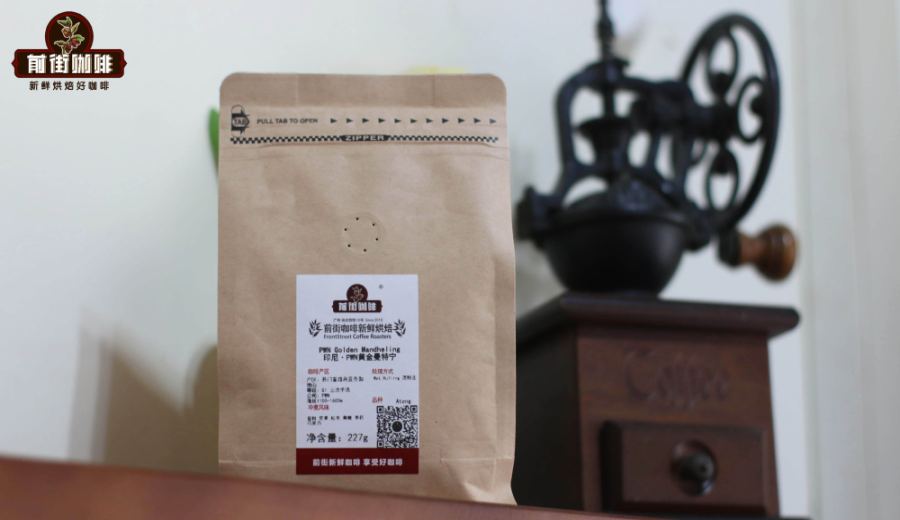
Introduction:The Indonesian wet-hulling process gives Golden Mandheling its distinctive herbal aroma and rich, full-bodied flavor, but the high-humidity challenges and meticulous processing steps behind it are worth exploring in depth. This article details the four key steps of the wet-hulling method, explains why drying must be done swiftly under damp conditions, and analyzes the fundamental differences between regular Mandheling and PWN-certified Golden Mandheling to help you choose truly high-quality beans.
Golden Mandheling is long cherished by coffee enthusiasts for its intense herbal and medicinal aroma, bright sweetness, and solid, full-bodied taste. This classic bean variety from Sumatra, Indonesia, owes its unique flavor profile not only to the local terroir and variety characteristics but also to the distinctive Indonesian wet-hulling process. This article will break down the entire wet-hulling workflow step by step, explain how to effectively control the drying pace in a high-humidity environment, and compare the key differences between regular Mandheling and PWN-certified Golden Mandheling, helping consumers identify truly premium products when making a purchase.
Indonesia has a typical tropical rainforest climate, with high temperatures, humidity, and heavy rainfall year-round, resulting in persistently elevated air moisture levels. This poses significant challenges for the natural drying of coffee beans. High humidity can easily lead to mold growth or abnormal fermentation, making traditional washed or natural processing methods riskier in such an environment. To overcome this limitation, a processing method known as wet hulling—somewhere between washed and natural—was developed locally. It shortens the drying time while maintaining stable quality, becoming the signature technique of Sumatran coffee.
The wet-hulling process consists of four main stages. The first step is removing the outer fruit pulp of the coffee cherry while retaining the hard parchment layer and the attached mucilage. The mucilage-covered beans are then placed in concrete tanks or plastic buckets for about 24 hours of fermentation. This fermentation phase helps break down some of the mucilage, facilitating easier cleaning in subsequent steps.
Next comes the washing process, where flowing water is used to remove most of the remaining mucilage. At this stage, the beans are left only with the parchment layer. The beans are then placed under the sun for initial drying, typically taking two to three days, with the goal of reducing the moisture content to20% to 24%. By this point, the beans have become harder and can withstand the removal of the parchment layer, yet they still retain a certain level of flexibility.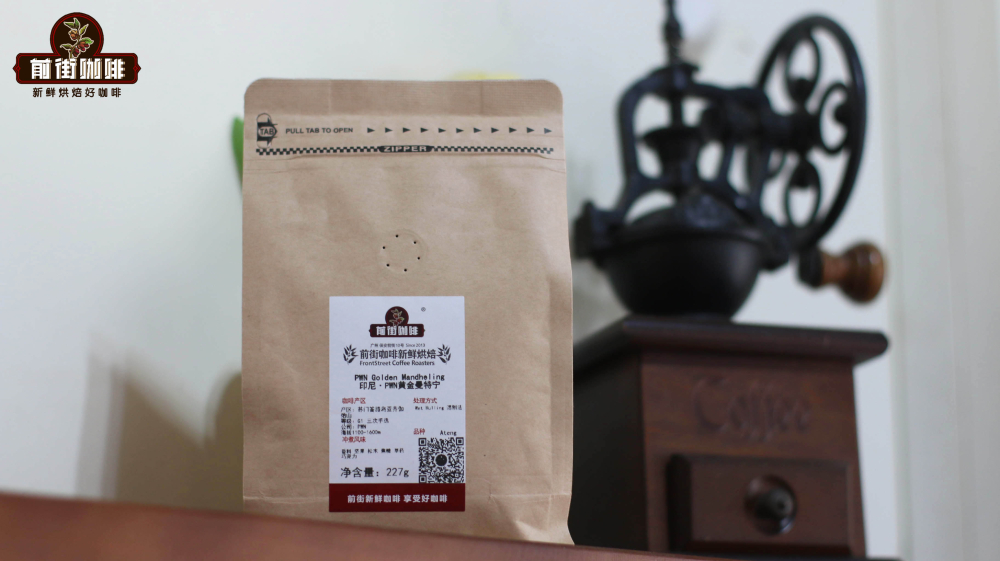
The most distinctive third step occurs when the moisture content is still within the20% to 24%range. The parchment layer is semi-dry, while the bean core remains relatively high in moisture and soft in texture. Sumatra’s high-humidity environment is not conducive to prolonged sun drying, so specialized machinery is used to promptly remove the parchment layer. Improper handling at this stage often leaves parchment residues, resulting in uneven bean surfaces and the so-called "elephant ear" appearance, which is one of the main reasons for inconsistent quality in commercially available Mandheling.
The final step involves further drying the partially hulled beans to a safe moisture content of12% to 13%. This stage usually employs an alternating day-night method: sun exposure during the day and storing the beans in sacks overnight to allow residual moisture to continue slow fermentation. Once the overall moisture content meets the target, these beans are ready for market distribution.
Compared to traditional washed or natural processes, wet hulling can be described as a race against time. Its core lies in using special steps and mechanical intervention to effectively shorten the overall drying cycle in a humid climate while preserving specific flavor characteristics.
When talking about Golden Mandheling, it's important to first clarify the difference between it and regular Mandheling. Broadly speaking, Mandheling refers to Arabica beans produced in Sumatra, Indonesia, often of the Ateng or Timtim variety, and are generally considered affordable commercial beans. Golden Mandheling, on the other hand, is a premium brand under Indonesian green coffee trader PWN (Pwani), and the name has even been registered as a trademark, with clear origin and quality control standards.
PWN focuses on the Ateng variety from the Gayo highlands in the Aceh region of north-central Sumatra. Although this variety is a hybrid of Arabica and Robusta, it combines the refined flavors of Arabica with the disease resistance of Robusta. PWN has extremely strict selection criteria, manually sorting each batch of green beans three times to eliminate defects, ensuring that each bean is at leasteighteen mesh size or larger, and that no more thanthreedefective beans are found in a 300-gram sample, achieving a high level of consistent quality.
Thanks to this rigorous control, PWN Golden Mandheling is one of the few Indonesian green beans on the market to achieveG1 top-gradecertification. It delivers a cleaner cup profile, pronounced sweetness, and greater body compared to regular Mandheling. As its reputation has grown, many products claiming to be "Golden Mandheling" have appeared on the market, but most are not PWN-certified. When purchasing, it’s advisable to ask for relevant certificates or proof of origin to ensure quality.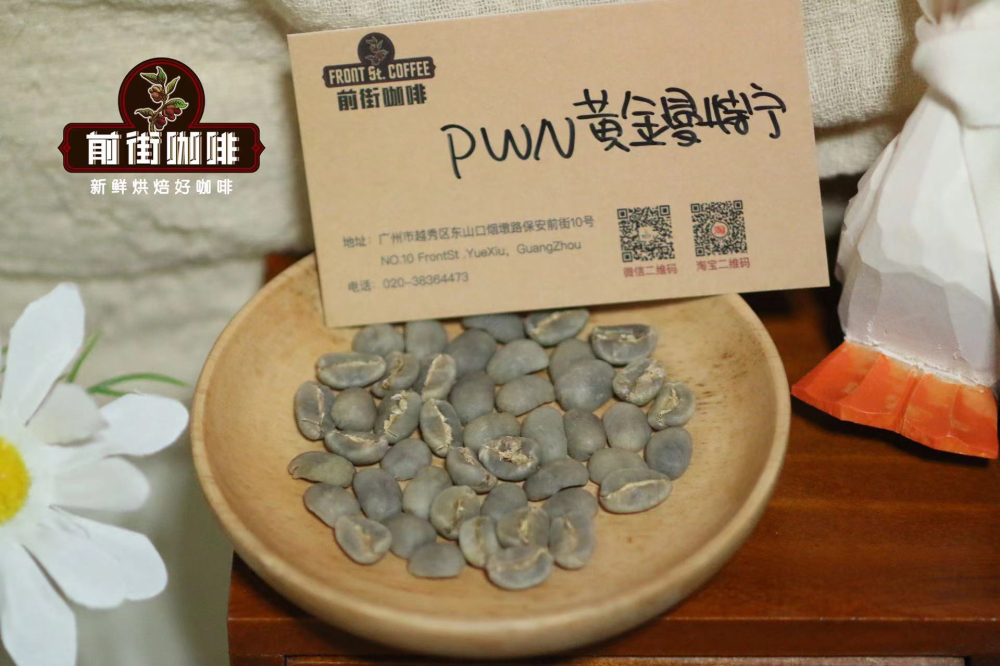
The above content is compiled by CoffeeHunters, a coffee news website.


