







Introduction:Have you ever wondered why the espresso served at many cafés often carries a rich wine-like aroma and a full-bodied taste? The secret behind this common characteristic often lies in the clever use of coffee blends. This article delves into the differences between single-origin beans, SOE (Single Origin Espresso), and blends, explores why espresso typically favors blends, and also examines whether the classic medium-dark roasted "Sunflower Warmth Blend" can be used for pour over. Not only does it provide tested brewing parameters, but it also offers tips on resting and blooming to help you fully unlock the enticing layers of berries, vanilla, and dark chocolate.
Modern life is busy, and coffee has become an indispensable daily pick-me-up for many. Whether it’s an Americano based on espresso or a meticulously brewed pour-over, each has its own following. Many consumers who love a particular brand’s latte or americano are often impressed by its distinctive wine-like aroma, wondering if it comes from single-origin beans aged in sherry casks. In reality, these iconic espresso drinks use a carefully crafted blend — the Sunflower Warmth Blend — rather than a single-origin SOE.
A common question is: Can espresso blends also be used for pour over? The answer is yes. Blends, by combining beans from different regions, varieties, and processing methods, can present a more balanced and layered flavor profile, making them suitable for various brewing methods. This article will start with the basic concepts of single-origin and SOE, explain why espresso commonly opts for blends, and take you deeper into the characteristics of the Sunflower Warmth Blend. You’ll also learn how to use appropriate pour over parameters to bring out its notes of vanilla cream, berries, and dark chocolate.
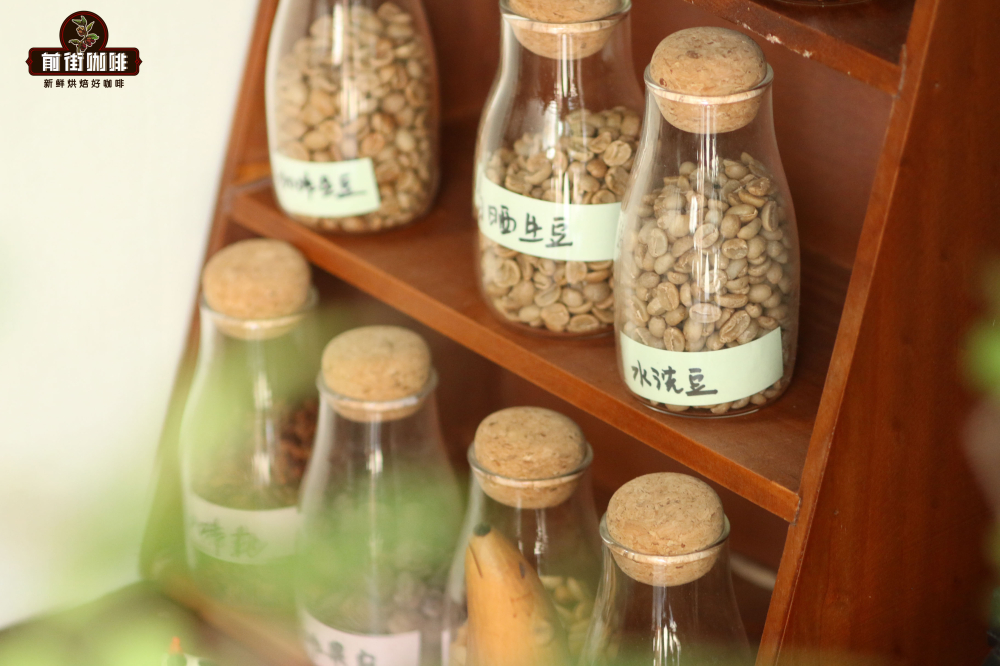
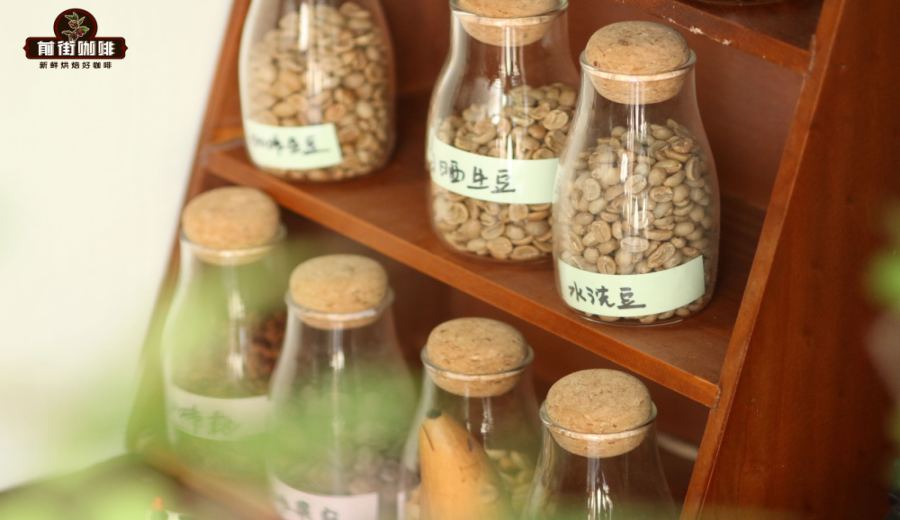
Single-origin coffee beans refer to beans from the same region, variety, or processing method. When used for espresso extraction, it is referred to as SOE (Single Origin Espresso). Due to differences in soil, altitude, and climate conditions across regions, the flavor profiles of coffee beans vary greatly. For example, Ethiopian beans often exhibit bright citrus and floral notes, while Indonesian beans may showcase strong herbal and earthy tones.
However, the espresso extraction process involves high pressure (around 9 bar), high water temperature (close to boiling point), and finely ground, tightly packed coffee. This process significantly amplifies the bean’s original characteristics. If an SOE with pronounced acidity, such as Yirgacheffe, is used, the result may become overly sharp. Conversely, using beans with strong herbal qualities like Indonesian Mandheling could make the espresso overly bitter and medicinal.
Precisely because SOEs have distinct flavors but are harder to control, many cafés prefer using blends when crafting espresso. Blends combine two or more types of beans from different regions, varieties, or processing methods. By adjusting the proportions, they complement weaknesses and enhance strengths, resulting in a well-rounded cup with balanced acidity and bitterness, and a rich mouthfeel.
The Sunflower Warmth Blend from a certain brand is a medium-dark roasted blend specifically designed for espresso. It consists of 70% Honduran Sherry and 30% Ethiopian natural-process Yirgacheffe, including varieties such as Caturra, Catuai, Pacas, and local landraces, with processing methods covering washed and natural. When brewed, this blend often displays prominent berry acidity, vanilla cream flavors, accompanied by whiskey-like aromas and a dark chocolate finish, making it highly popular among those who enjoy a full-bodied cup.
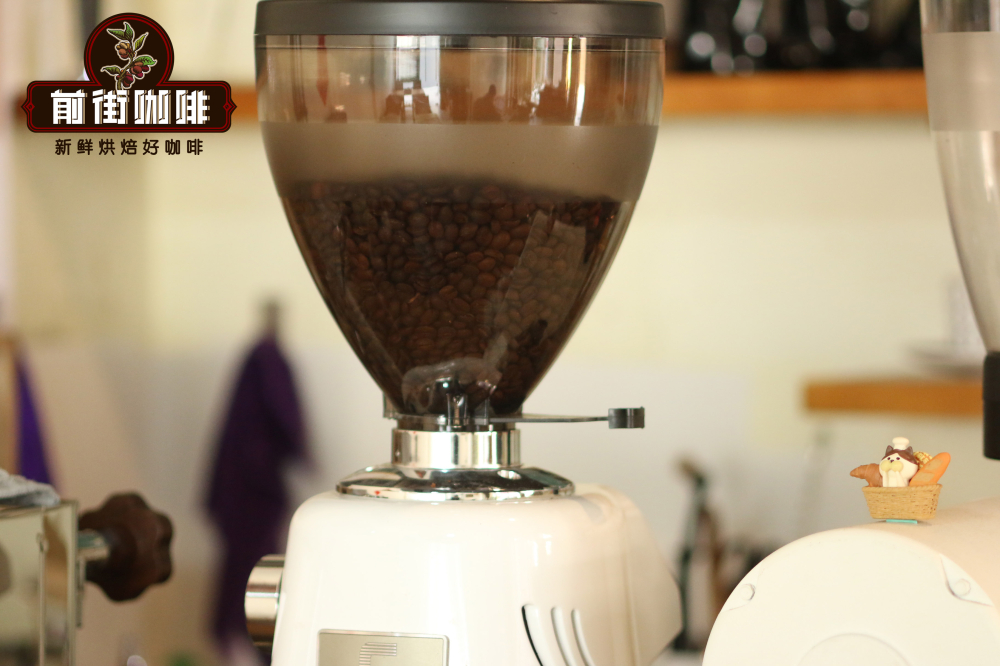
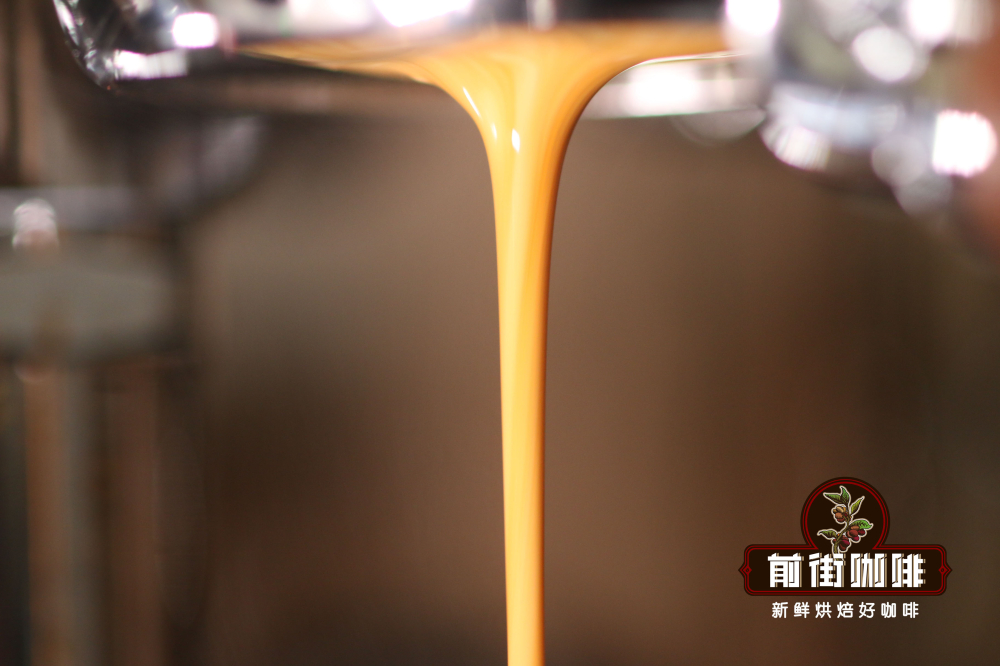
In actual brewing, baristas from the brand fine-tune parameters based on the day’s climate. Typically, they use a Galileo Q18 grinder set to grind size 1.5, dosing 19.7 grams of coffee grounds. Using a Lelit Bianca V3 machine, they extract 38–40 grams of espresso in 30–32 seconds. These settings fully highlight the blend’s layered richness and velvety texture.
So, can this espresso-focused blend also be used for pour over? The answer is yes. Since it is already a well-formulated blend, its flavors are balanced even when brewed via filtration, still delivering a well-rounded and varied taste experience. It is particularly suitable for drinkers who prefer medium-dark roasts and want to explore different brewing flavor profiles.

For pour over brewing of the Sunflower Warmth Blend, the following tested parameters are recommended: use a KONO dripper, water temperature at 88°C, coffee dosage suggested at 15 grams, and a brew ratio of 1:15. The grind size is advised to be around 80% passing through a Chinese standard No. 20 sieve — slightly coarser than medium-fine, suitable for the release needs of medium-dark roasts. During brewing, start with a 30-gram bloom for 30 seconds, then pour slowly in small circles from the center outward. At 125 grams, perform the first pour; when the water level is about to drop below the coffee bed, continue pouring in circles up to 225 grams, with a total brew time of approximately 2 minutes.
As this blend is medium-dark roasted, it contains more internal gases and a looser structure. It is recommended to rest the beans for 4 to 7 days after roasting. Once the resting period is over and the flavors stabilize, proceed with pour over. The blooming step not only awakens the coffee grounds but also helps release carbon dioxide, ensuring smoother subsequent extraction and facilitating the full release of flavor compounds.
When brewed using the above parameters, the pour over version of the Sunflower Warmth Blend delivers a cup that immediately presents rich notes of vanilla and cream. As the temperature slightly drops, the acidity of the berries gradually emerges, and the finish leaves a lasting impression of dark chocolate. Overall, it achieves a balanced acidity and bitterness with a full body, making it ideal for coffee enthusiasts who appreciate complex flavors.
The above content is compiled by CoffeeHunters, a coffee news website.


