







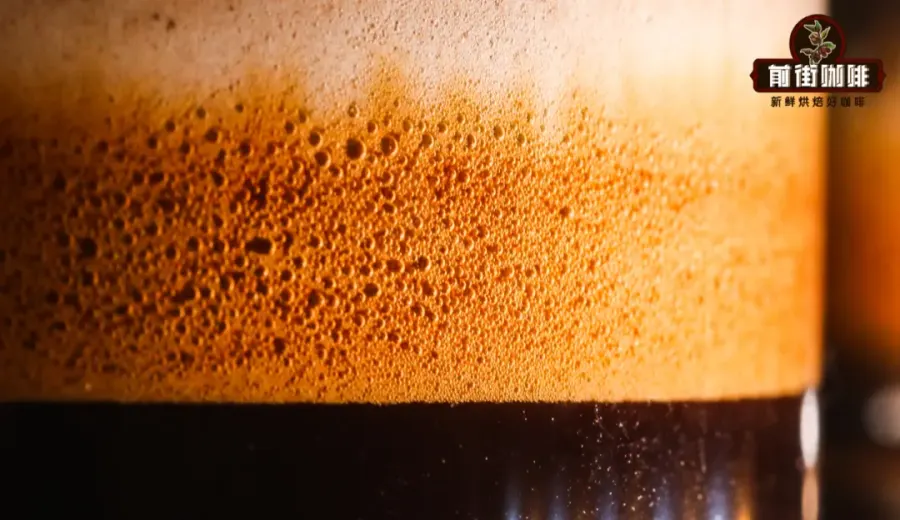
Introduction:The golden to dark brown foam on the surface of an espresso shot is what we commonly call "crema." It not only contributes to visual appeal but also directly impacts overall flavor and mouthfeel. This article delves into the formation principles of espresso crema, explores key influencing factors, and analyzes how different coffee varieties, roast levels, and equipment affect the quality and quantity of crema. Real-world bean examples are also provided to guide your selection when aiming for rich, robust crema.
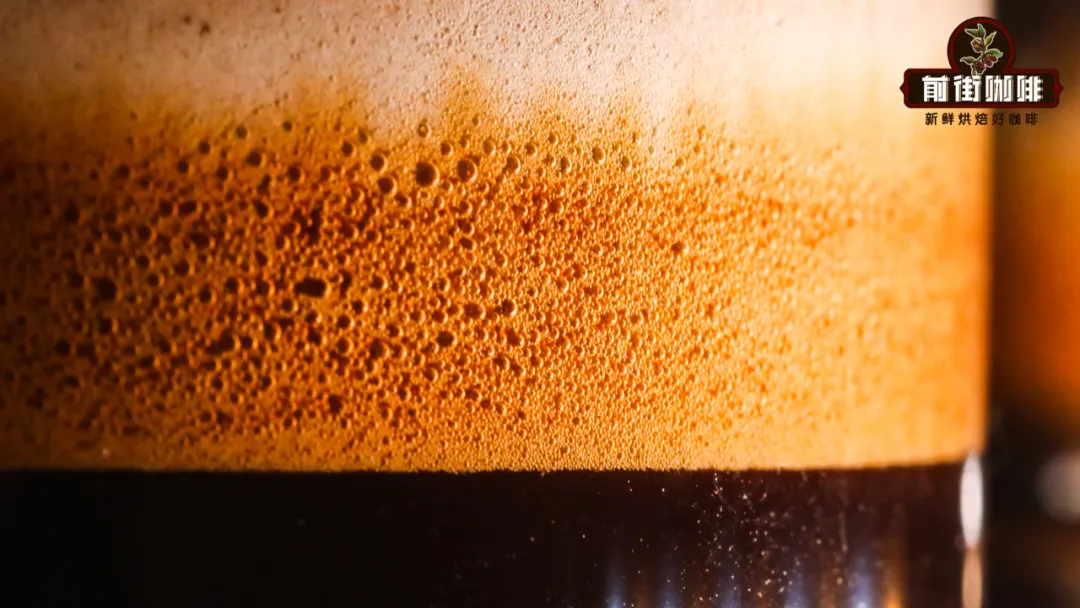
When you pick up a freshly brewed shot of espresso, the first thing that usually catches your eye is the fine layer of golden to chocolate-colored foam floating on the liquid's surface—this is the well-known "crema." It’s not just a visual highlight but also one of the important indicators of an espresso's overall performance. The formation of crema comes from the high-pressure, high-temperature water flowing through finely ground coffee, emulsifying the natural oils, soluble substances, and gases such as carbon dioxide, while trapping tiny bubbles to form a dense, multicolored foam layer.
The texture and amount of crema are actually influenced by a combination of factors, including the coffee bean variety used, roast level, roast date, and the performance of the extraction equipment. For example, Robusta beans naturally contain higher levels of natural oils, so under the same conditions, compared to Arabica, they are more likely to produce a richer and darker crema. In addition, freshly roasted coffee beans continue to release carbon dioxide, which is also a crucial component of crema. If the beans are too fresh or too old, it can affect both the appearance and taste of the final crema.
Common Misconceptions to Note:While many people believe that thicker and darker crema means better-tasting coffee, this isn’t always the case. The stability and fineness of the crema are more reflective of extraction uniformity and equipment performance. Overly thick crema can sometimes even be a sign of over-extraction or overly oily beans.
Among the many coffee bean varieties,Arabicais typically known for its bright acidity and delicate flavors, but it has relatively low natural oil content. On the other hand,Robustais rich in oils, with distinct nutty, grainy, and woody notes, offering a balanced bitterness and sweetness. As a result, it’s often used in espresso blends to enhance crema performance and overall flavor intensity. If you want to enjoy espresso with rich crema at home, consider choosing blends that contain a small percentage of Robusta—they often strike a good balance between flavor and appearance.
Looking at real commercial examples, some blend recipes combine Brazilian, Indonesian, or Central and South American beans with a touch of Robusta. These not only bring out aromas like butter, caramel, and toasted bread but also ensure stable and fine crema. When brewing these types of beans, medium to dark roasts are generally recommended, as they help bring out rich oils and present a stable, long-lasting foam layer in the cup.
Besides the bean variety,roast dateis also a key factor affecting crema performance. In the first few days after roasting, beans release large amounts of internal carbon dioxide. Brewing them immediately can lead to underdeveloped flavors and an unstable or overly coarse crema layer. It’s generally recommended to brew coffee betweenabout 4 to 50 daysafter roasting for optimal espresso crema. Brewing too early can cause gas interference with flavor release; brewing too late leads to loss of carbon dioxide and volatile aromatic compounds, resulting in thin or even absent crema. When purchasing, opt for freshly roasted products to ensure the best flavor condition.
Roast levelalso plays an important role. Lighter roasts tend to produce a lighter, thinner crema with a paler color and less foam density, while darker roasts—due to prolonged high-temperature processing—allow internal oils to be more easily released during extraction, resulting in a denser, dark brownish crema. However, over-roasting can cause oils to seep out and cling to grinders or portafilters, and may also degrade oil quality due to oxidation, negatively impacting overall extraction performance and flavor. Therefore, choosing a moderately dark roast, such as the commonly seen Golden Mandheling or classic commercial blends, is often a better option for achieving ideal crema.

Finally, it’s important to mention the impact ofextraction equipment. To form a stable and fine crema, consistent and sufficient extraction pressure is needed—typically around 9 bars of high pressure. Some home or entry-level fully automatic espresso machines, if their pressure systems are not precise or stable, may only produce a foam-like layer even when using high-oil beans, rather than true crema rich in aroma and fine bubbles. Therefore, if you’re a coffee enthusiast focused on espresso quality, it’s advisable to choose equipment with stable pressure output and precise temperature control to fully unlock the potential of your coffee beans and achieve the desired crema layer along with optimal overall extraction performance.
The above content is compiled by CoffeeHunters, a coffee news website.


