








Introduction:Both Catimor and Typica belong to the Arabica species, but due to differences in genetic background and growing conditions, their flavor profiles vary greatly. This article provides an in-depth comparison of the two varieties' origins, how altitude affects flavor, and analyzes the actual performance of Yunnan-grown beans. It reveals Catimor’s dual characteristics of herbal and caramel notes, as well as how Typica can express a clean and sweet profile. Included are pour over and extraction references for different roast levels to help you find your ideal way to enjoy them.
Although both Catimor and Typica are classified under the Arabica coffee family, they exhibit significant differences in genome composition, environmental adaptability, and final flavor expression. Due to its Robusta lineage, Catimor offers stronger disease resistance and high yield, but is often mistakenly considered to have a monotonous flavor. In contrast, Typica, one of the oldest Arabica varieties, is renowned for its clean taste and pronounced sweetness, serving as the foundation of classic flavor profiles in many renowned coffee regions.
Catimor is a hybrid of Timor and Caturra, first successfully cultivated in Portugal in 1959. The most notable characteristic of this variety is its high resistance to leaf rust, making it suitable for various growing environments and delivering high yields per unit. However, due to its Robusta genetic traits, when grown at low altitudes, it tends to exhibit pronounced bitterness and herbal notes, with an occasional salty aftertaste, often used as the base bean for instant coffee. Nonetheless, when cultivated at elevations above 1200 meters, Catimor can present a completely different profile—bright acidity reminiscent of plums, caramel sweetness, and a captivating roasted nut aftertaste, performing on par with traditional varieties like Bourbon and Caturra.
Take Yunnan as an example. In the past, due to relatively basic cultivation techniques and processing methods, Catimor coffee beans were generally not highly rated. But in recent years, with government efforts to upgrade quality and farmers improving planting and post-harvest processes, Catimor grown in high-altitude areas has shown surprising potential. Particularly in Baoshan, where beans are cultivated at around 1200 meters above sea level, coupled with the nutrients of red soil and significant diurnal temperature variation, the Catimor here delivers clear plum acidity, mellow caramel sweetness, and delicate nutty and slightly licorice-like finishes. These beans are mostly processed using the washed method and are well-suited to medium roasts. They perform excellently whether brewed via pour over, cold brew, moka pot, or even home espresso machines. Common aromatic notes include melon, brown sugar, and a tea-like aftertaste.
In contrast, Typica is the "elder" of the Arabica family, serving not only as the variety foundation in classic regions like Jamaica Blue Mountain and Hawaii Kona, but also being celebrated for its clean taste and elegant sweetness. As early as 2013, Typica was planted in the mountainous areas of Lincang, Yunnan, at around 1300 meters above sea level, aiming to enhance the overall quality of local coffee through varietal improvement. The greatest charm of Typica lies in its purity and bright sweetness, with an unadulterated flavor profile that allows one to more clearly appreciate the layers of the coffee itself.
Locally grown Typica coffee beans in Yunnan, thanks to their pure genetics and adaptation to high-altitude environments, demonstrate a more delicate mouthfeel and richer flavor structure than Catimor. The '2013 Typica' small-bean coffee, processed using the traditional natural sun-drying method and medium roasted, can release gentle berry fermentation aromas, a balanced sweet-tartness akin to plums, and a sweet aftertaste similar to brown sugar, with a finish reminiscent of the smoothness of black tea. This bean is also suitable for medium roasts and is recommended for coffee enthusiasts who favor a balance of fruity notes and sweetness. Whether brewed via pour over or French press, it showcases unique terroir characteristics.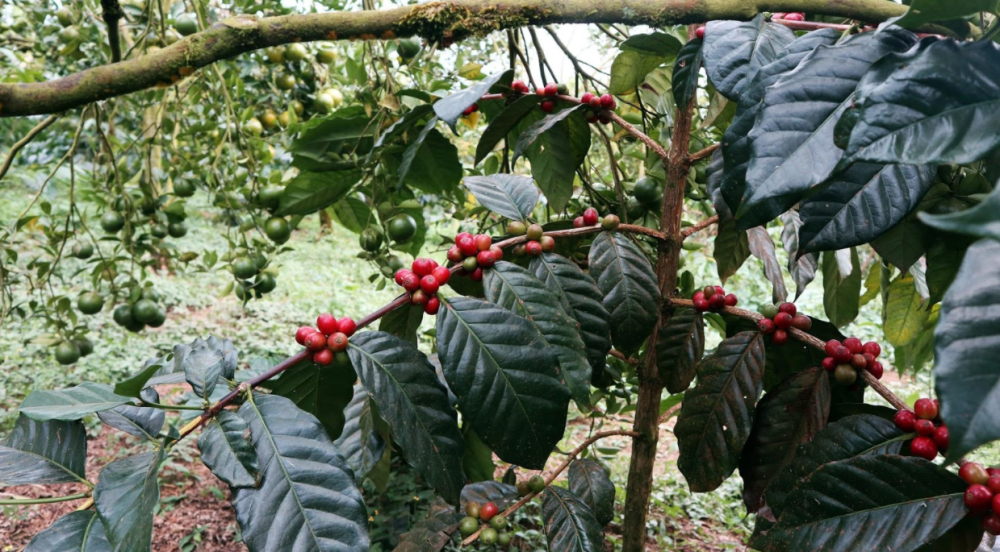
In summary, Catimor and Typica each represent different flavor orientations within the Arabica family: the former, due to the interplay of genetics and environment, can exhibit herbal and bitter notes at low altitudes, while showcasing sweetness and acidity at higher elevations; the latter, with its pure genetics and historical significance, delivers a clean, sweet, and layered classic flavor. If you're new to pour over coffee, try comparing the performances of the two varieties under different altitudes and processing methods to experience the diverse charm of Arabica varieties.
The above content is compiled by CoffeeHunters, a coffee news website.


