








Introduction:The difference in bitterness between Americano and latte actually stems from the extraction method of espresso, the dilution effect of milk, and the choice of blended beans. This article delves into the brewing principles and key parameters of these two beverages, while analyzing the characteristics of common Italian-style blends to help you make smarter choices based on your taste preferences—whether you’re ordering at a café or brewing at home.
When you’re standing at the café counter wondering whether to order an Americano or a latte, have you ever thought about where the difference in their bitterness actually comes from? On the surface, it’s simply a matter of whether milk is added, but in reality, it involves the extraction conditions of espresso, the proportion of milk added, and the roasting and blending methods of the beans. Understanding these factors allows you to choose a coffee that better suits your taste.

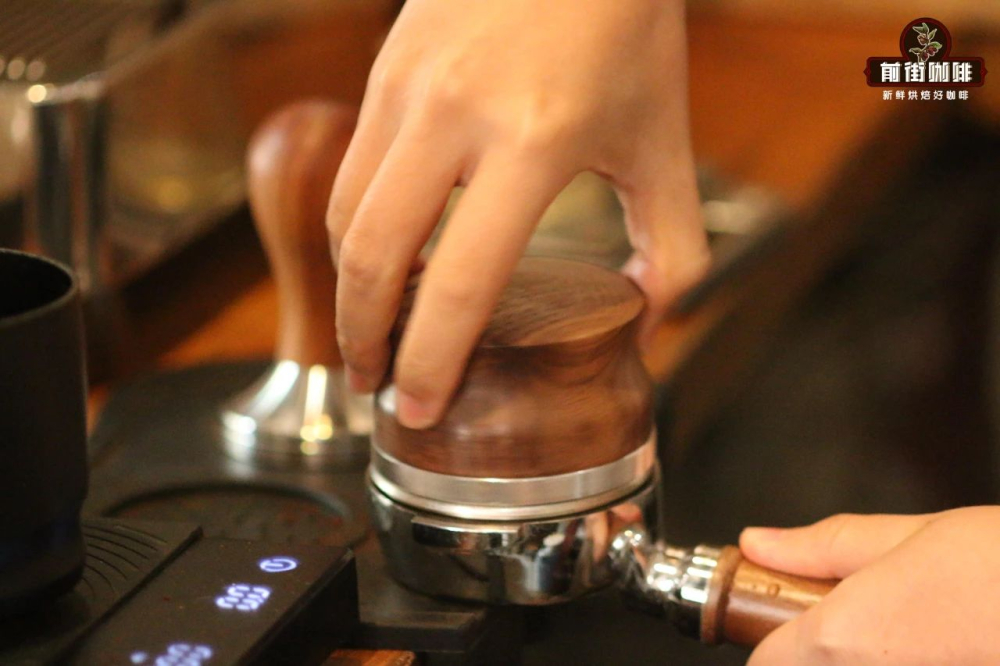
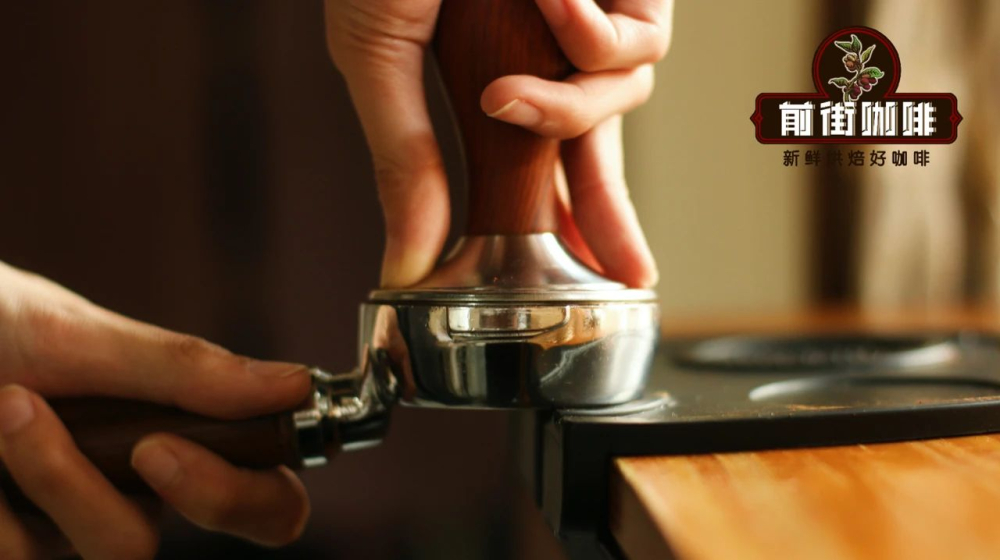
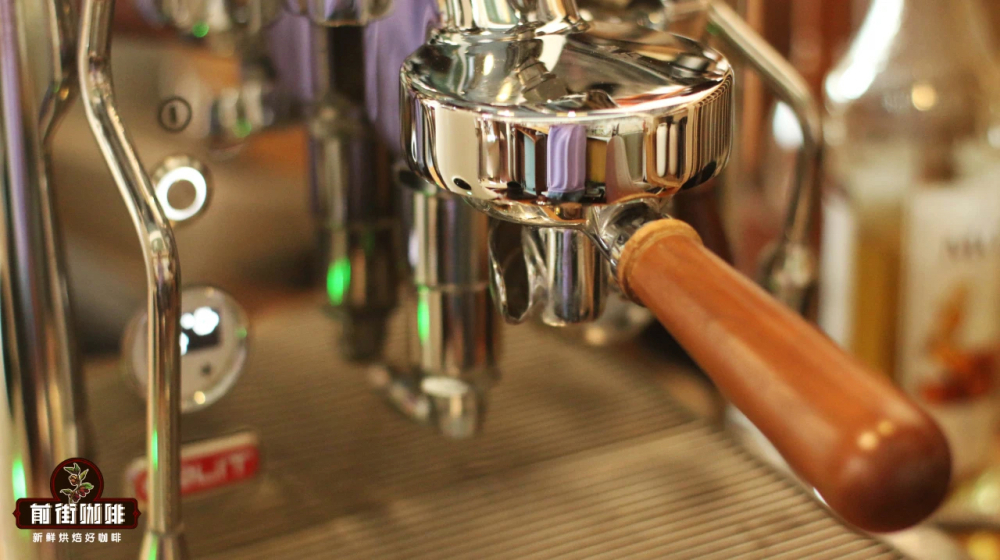
First, let’s start with espresso. Espresso is the base for many coffee drinks, including Americano and latte. It is made by forcing nearly boiling water under high pressure (about 9 BAR) through a finely ground and tamped layer of coffee for a short period (about 25–30 seconds), extracting a concentrated, flavor-rich coffee liquid. This process creates a golden crema, which carries the aroma of the coffee and is one of the indicators of a successful extraction.
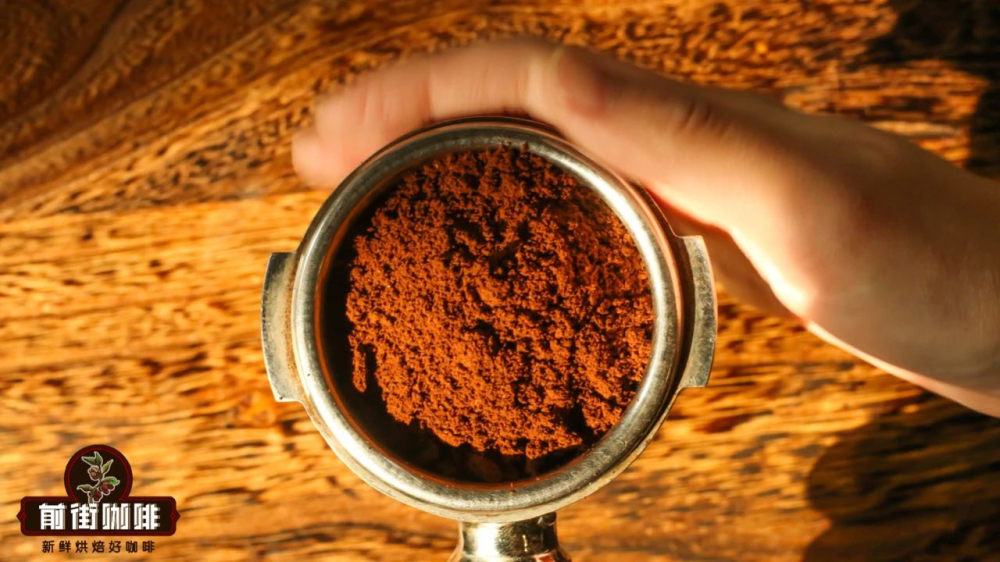
Espresso itself has a strong flavor, with noticeable bitterness, richness, and layers, and is often seen as a “litmus test” for a barista’s skills. When espresso is mixed with a large amount of hot water, it becomes what we know as an Americano. Since only water—and no milk—is added, the bitterness of the Americano is more direct, and its flavor profile is almost entirely determined by the espresso. If you find the Americano too astringent or bitter, it may be that the extraction parameters of the espresso need adjustment, or the blend isn’t to your liking.
In contrast, a latte is made with espresso as the base, plus a significant amount of steamed milk. Typically, the ratio of milk to coffee in a latte is around 3:1 or even higher. The milk not only softens the bitterness but also brings a silky texture and milky aroma, making the overall flavor smoother and more balanced. However, the quality of the milk, the steaming technique, and the intensity of the espresso’s flavor all affect the final result.
Many people like to add sugar to their espresso, but drinking it without sugar allows you to better appreciate the coffee’s original flavors. Traditionally, some might stir in a spoonful of sugar to slightly mellow the bitterness while bringing out acidity and aroma. But for true coffee enthusiasts, tasting the pure flavor of espresso—including its fruity acids, floral notes, caramel, and even wine-like undertones—is the key to experiencing its charm.
As for lattes, the brewing process can be divided into three steps: extracting the espresso, steaming the milk, and combining the milk with the espresso while creating latte art. Among these, the milk steaming technique is especially important—the fineness and temperature of the milk foam both impact the mouthfeel. An ideal latte should have a smooth, velvety foam, a silky texture, and a balanced flavor between coffee and milk.
When selecting a blend, cafés typically adjust the proportions of beans according to the desired outcome. For example, some blends focus on richness and balance, making them suitable for milk-based drinks like lattes, while others emphasize acidity and fruitiness, catering to black coffee drinkers. Commercial Italian-style blends generally fall into two categories: single-origin beans and blended beans. The former highlights the unique flavors of a specific region, while the latter combines various beans to achieve balance and complexity.
Common blend combinations may include beans from Brazil, Colombia, Vietnam (Robusta), Ethiopia, and other regions. Depending on the roast level and proportions, they can deliver a range of profiles from rich and full-bodied to bright and acidic. For instance, some blends incorporate coffee beans fermented in sherry casks, adding unique winey sweetness—a type often used in premium lattes or high-end specialty coffee.
Overall, the difference in bitterness between Americano and latte mainly comes down to whether milk is added and the degree of dilution with water. Americano, being water-only, has a more direct and pronounced bitterness, while latte’s milk significantly softens the bitterness and brings out creaminess and smoothness. If you prefer a bold and intense coffee experience, you might opt for a strong-flavored blend for espresso or Americano; if you enjoy a mellow and smooth flavor, a latte paired with a balanced blend would be a better choice.
Whether you’re a coffee newbie or a seasoned enthusiast, understanding these basic principles and parameters will help you make choices that better match your taste when ordering or brewing at home. Remember, coffee flavor isn’t just about bitterness or lack thereof—it’s a multi-sensory experience of acidity, sweetness, body, and aroma, all worth savoring.



The above content is compiled by CoffeeHunters, a coffee news website.


