







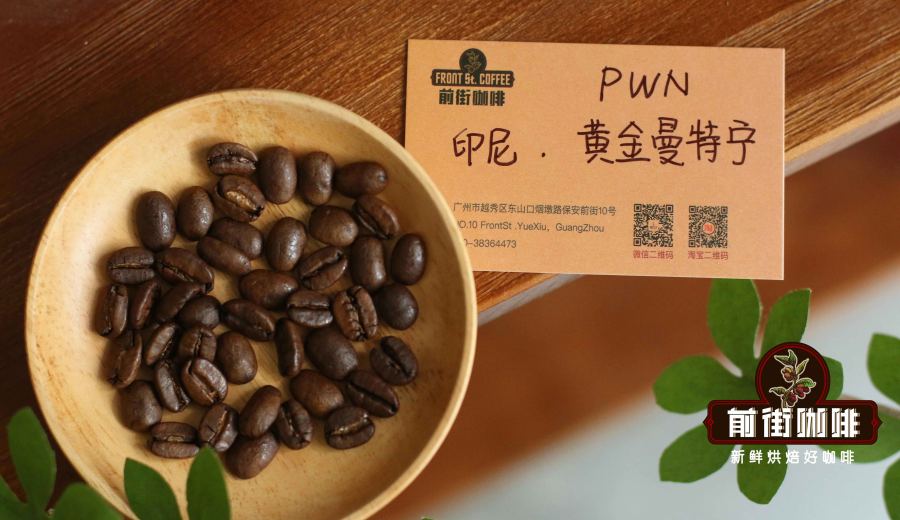
Introduction:Indonesian PWN Golden Mandheling is hailed as "the finest of Mandhelings," yet products bearing this name on the market vary greatly in quality. This article delves into how PWN meticulously selects its Golden Mandheling—from bean variety and processing method to its five-stage screening process—revealing the key identifiers of authentic Golden Mandheling. It also provides expert pour over recommendations, including coffee-to-water ratio, brewing temperature, grind size, and three-stage pouring techniques, helping you bring out its rich, clean flavor profile using the right method.
In the world of specialty coffee, Indonesia’s PWN Golden Mandheling is truly a classic among classics. However, many “Golden Mandhelings” seen on the market are often just ordinary Mandhelings that mimic its appearance or grade, rather than genuine PWN products. So, what exactly constitutes the authentic Golden Mandheling from Indonesia’s PWN company? And what makes its flavor so unique? This article will take you through the origin background, bean characteristics, rigorous selection process, and pour over brewing parameters to fully explore the charm of this iconic bean.
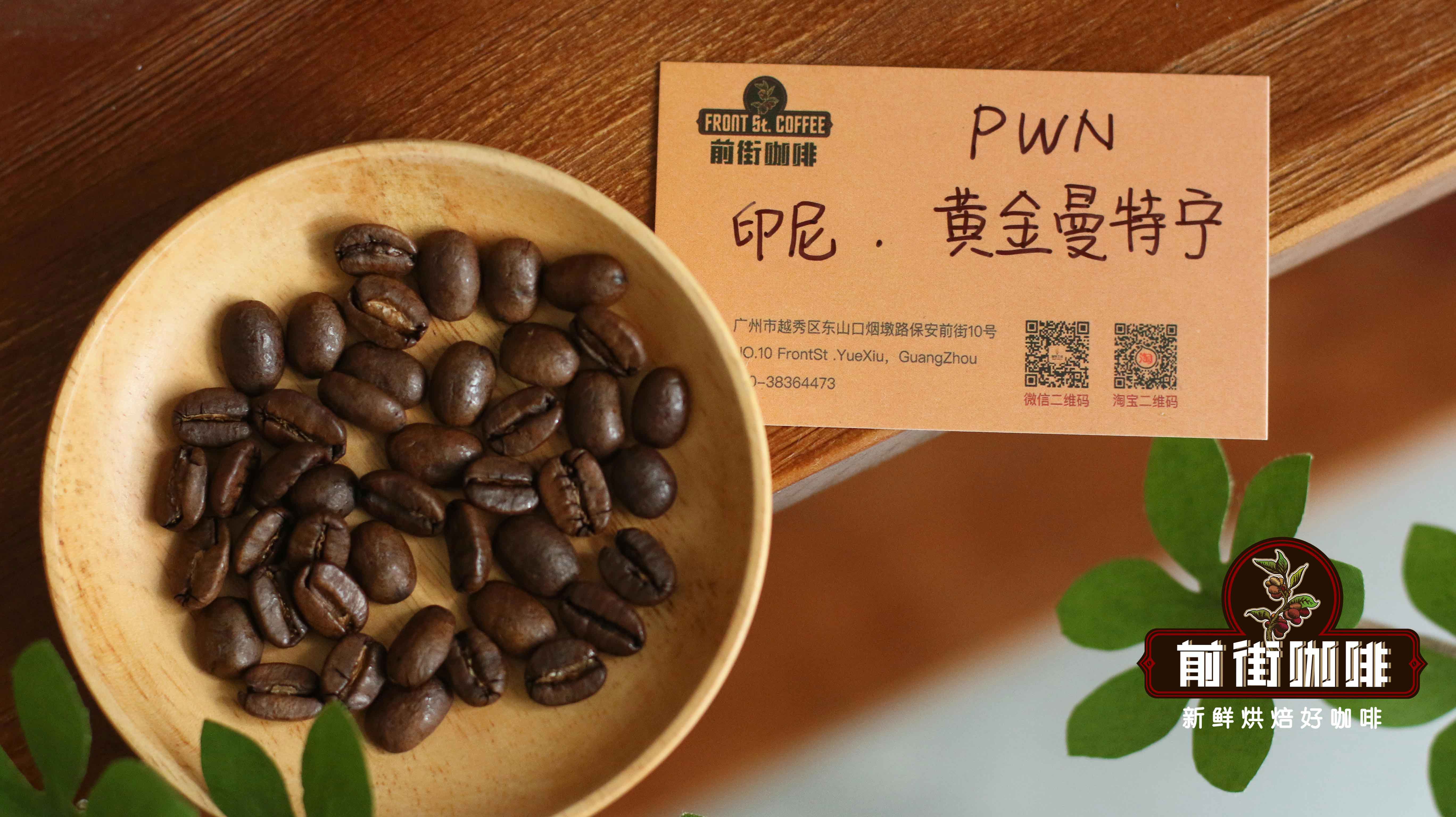
The so-called Golden Mandheling originated from a name coined by a group of Japanese traders who were searching for high-quality Mandheling in North Sumatra, Indonesia. Collaborating with local producers, they handpicked superior coffee beans. These beans, known for their uniform size, full shape, and minimal defects, gradually earned acclaim in the market. Later, a local green coffee company named Pawani (abbreviated as PWN), which had been deeply rooted in North Sumatra for years, successfully registered the “Golden Mandheling” trademark, making this name exclusive to PWN’s premium Mandheling.
Currently, all officially certified Golden Mandheling comes from PT. Pawani Coffee Company, or PWN. The company enforces an extremely strict selection system for these beans—not only requiring a bean size of 18 mesh or larger, but also subjecting them to multiple rounds of manual and mechanical screening to ensure consistency in appearance, defect rate, and flavor. As a result, many so-called “Golden Mandhelings” sold in the market are often just G1-grade beans selected based on similar criteria, not the authentic Golden Mandheling from PWN.
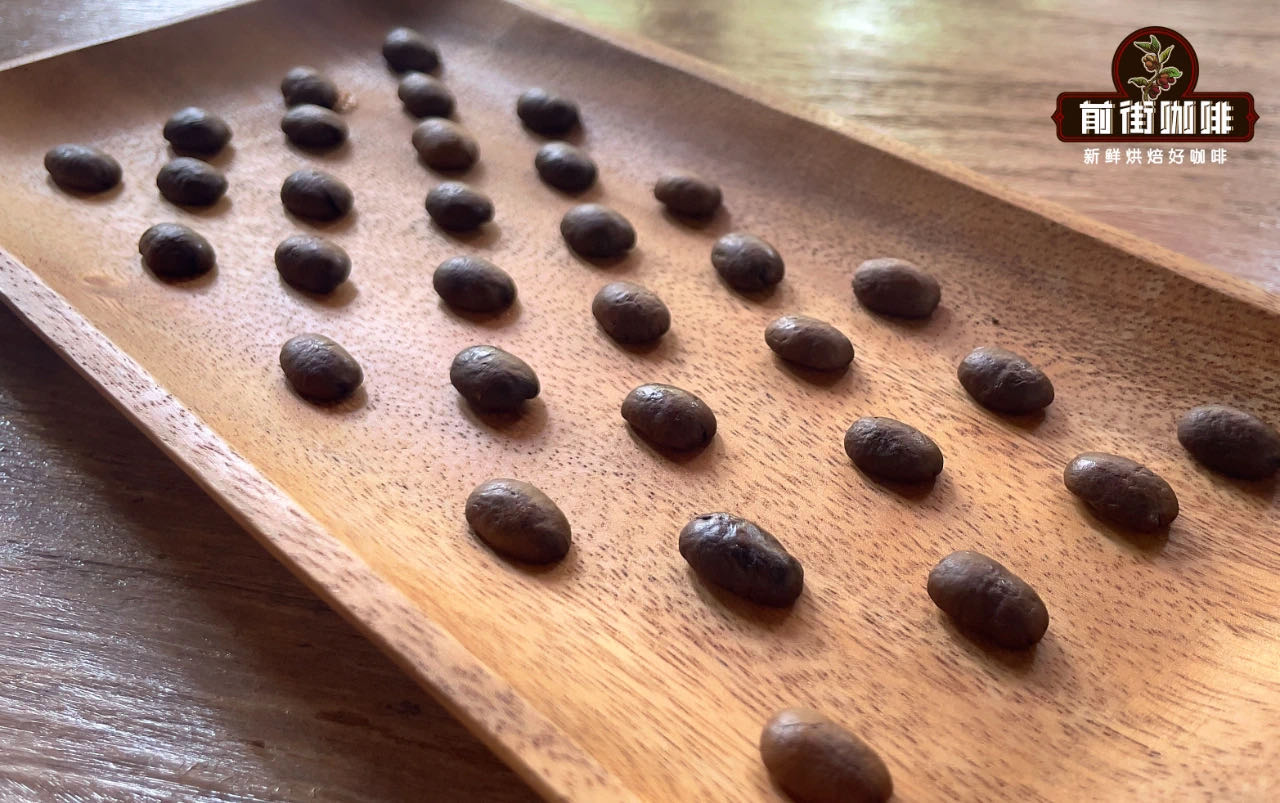
The reason PWN Golden Mandheling stands out lies in its extremely thorough and complex selection process. First, all green beans must undergo traditional Indonesian wet-hulled processing. However, because this process can cause the beans to develop irregular "elephant ear" cracks, PWN prioritizes the removal of such misshapen "elephant ear beans." Next, only beans sized 18 mesh or above are chosen, and it is ensured that no more than 3 defective beans are present in every 300 grams of green beans—already far stricter than general market standards.
But PWN’s quality control doesn’t stop there. They further conduct four rounds of manual screening, and finally use machines to sort by density and color, ensuring each bean is not only uniform in size and color but also free from any defective beans that could negatively affect the final flavor. Overall, PWN Golden Mandheling undergoes an average of five screening procedures before it can be labeled as “Golden” grade, which is why it stands out among so many Mandhelings.
Many products on the market that claim to be “Golden Mandheling” are actually just G1-grade Mandhelings with beans 18 mesh or larger selected from them—some even go through multiple hand-pickings and look similar to PWN products in appearance. However, these beans often cannot match the flavor purity and consistency of the true PWN Golden Mandheling that has undergone five stages of screening. Experienced cuppers can easily distinguish the distinctive cleanliness and layered profile of genuine PWN Golden Mandheling from its flavor wheel.
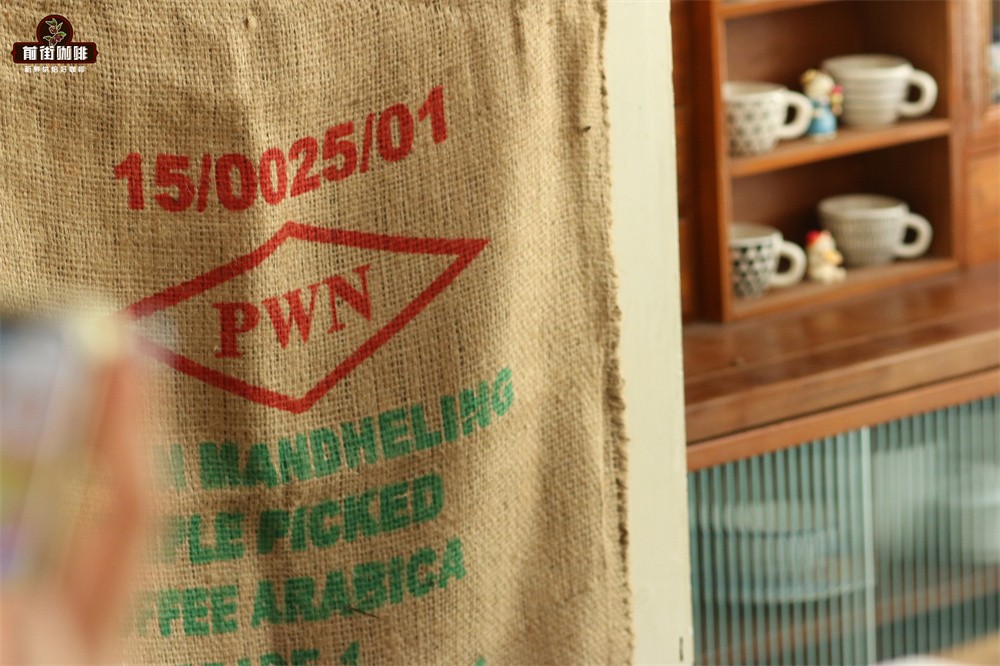
To confirm whether you’ve purchased the authentic PWN Golden Mandheling, the most reliable way is to check the packaging. Each bag of the genuine product uses a dedicated 30-kilogram hessian sack and comes with a factory certificate issued by PWN, clearly stating the origin, processing method, and selection process. If a seller cannot provide these documents, it’s likely a counterfeit or merely a basic G1-grade Mandheling.
In terms of variety, PWN Golden Mandheling primarily uses the Ateng variety, also known as the common Catimor. This variety is a hybrid of Brazil’s Caturra and Timor, which has Robusta lineage, and is known for its strong disease resistance and high yield characteristics. Although Catimor may not be as nuanced in flavor as traditional Typica or Bourbon, under Indonesia’s unique high-humidity and high-altitude environment—and with proper processing and careful selection—it can still showcase distinctive aromas and a rich mouthfeel.
In roasting, PWN Golden Mandheling is typically roasted to medium-dark to dark levels to highlight its rich notes of caramel, chocolate, and nuts, while retaining moderate herbal and spicy aromas. This roast style allows it to deliver a bold yet balanced flavor profile when brewed using pour over methods.
To brew a standout cup of PWN Golden Mandheling at home, it’s recommended to use a Kono filter cone. Its unique rib design increases the contact area between the filter paper and coffee grounds, effectively enhancing body. Use 15 grams of coffee with a 1:15 coffee-to-water ratio to balance richness and smooth layers. Grind size can be set to 70% through a 20-mesh sieve—slightly coarser than light roast beans—to avoid over-extraction and unwanted bitterness.
Water temperature should be controlled between 87-88°C. Too high may lead to excessive roastiness, while too low may result in flat flavors with off acidic notes. For pour over, a classic three-stage pouring technique is advised: the first 30 ml for blooming to activate the coffee’s degassing; the second 100 ml to expand extraction range; and the final 95 ml to draw out sweetness and the caramel and nutty notes in the aftertaste. This method helps highlight the rich, clean, and sweet characteristics unique to PWN Golden Mandheling.
Overall, the flavor profile of PWN Golden Mandheling is anchored by sweet herbs, cinnamon-like spices, and orange peel-like citrus aromas. Upon tasting, it offers a creamy smooth mouthfeel, followed by walnut and chocolate undertones in the finish. The acidity is mild and restrained, and as the temperature drops, the herbal and spicy notes become more pronounced. With a balanced and multi-layered performance, it is a classic choice for those who enjoy bold coffees yet seek clean flavors.
The above content is compiled by CoffeeHunters, a coffee news website.


