







Introduction:Jamaican Blue Mountain coffee is world-renowned for its scarce production and exceptional flavor, yet the market is flooded with imitations, causing many consumers to pay high prices for fakes. This article delves into how to authenticate genuine Blue Mountain coffee, its unique flavor profile, reasons for its high cost, and provides practical pour over parameters. Whether you're new to Blue Mountain or already own some, you’ll gain discernment skills and brewing inspiration here.
Jamaican Blue Mountain coffee is arguably one of the most iconic legends in the coffee world—not only for its delicate and exquisite flavor, but also for its extremely limited production and high market value. However, many products on the market labeled as “Blue Mountain” are actually far from the real thing. Understanding how to correctly identify, select, and brew Jamaican Blue Mountain coffee is essential knowledge for any coffee enthusiast.
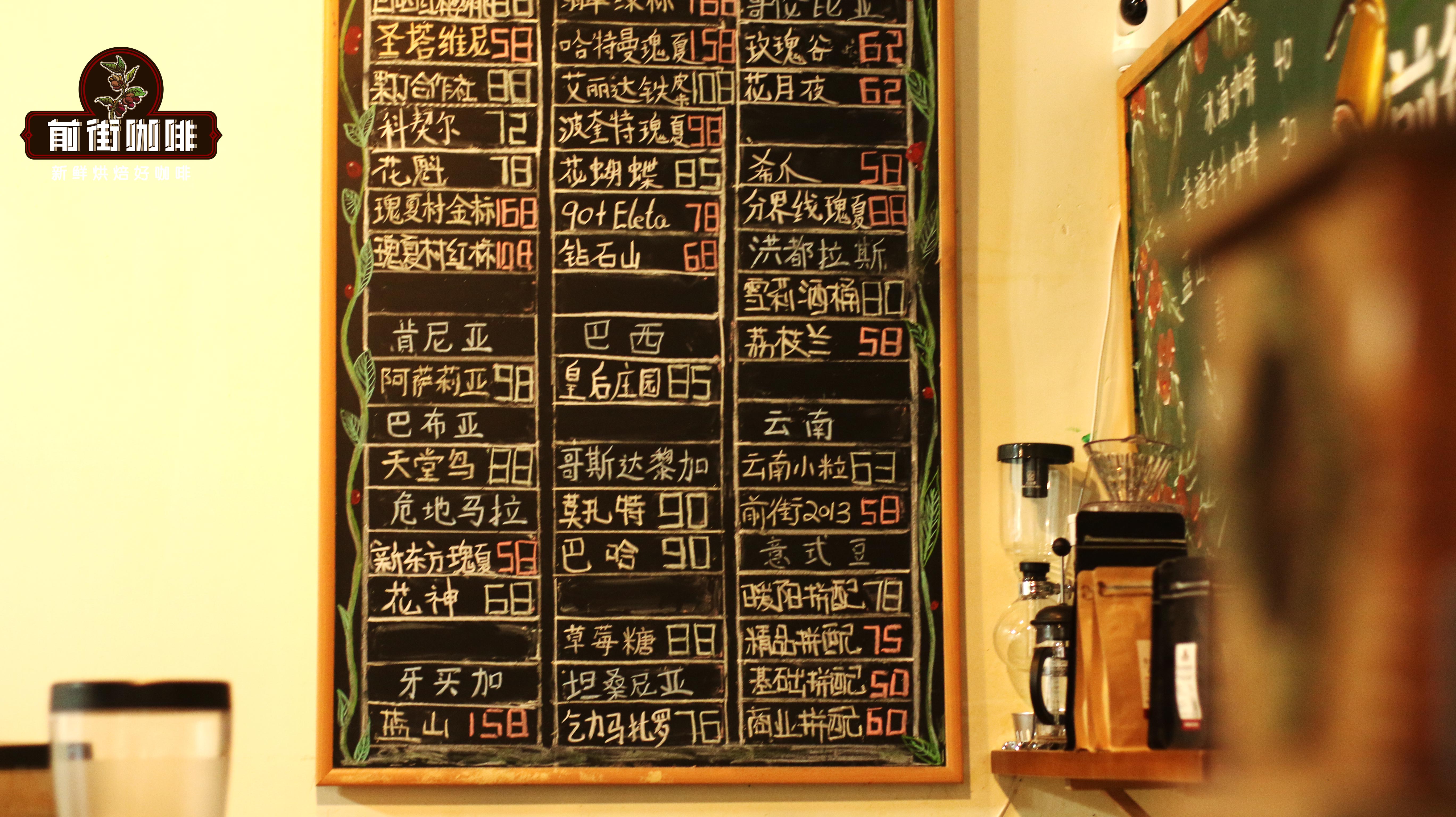
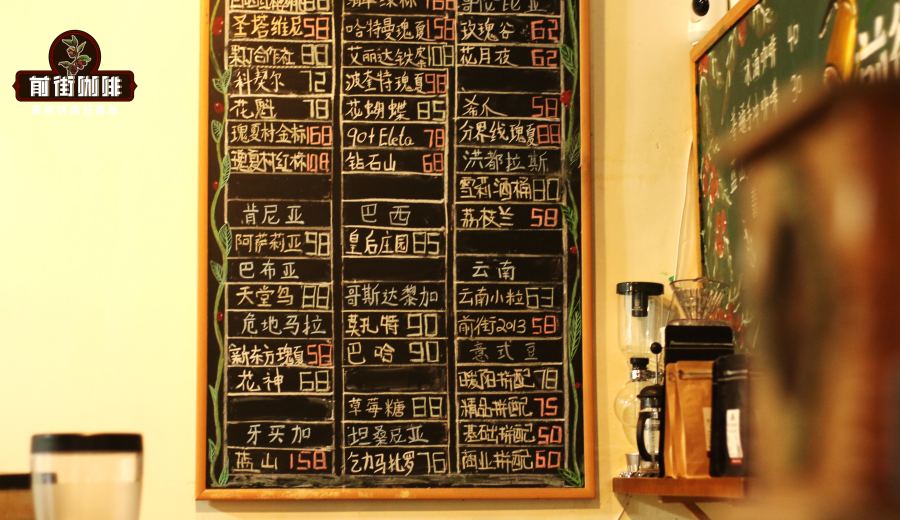
When purchasing so-called “Blue Mountain flavored coffee,” “Blue Mountain blends,” or “Blue Mountain roasted beans,” consumers are often easily confused. In fact, these products may contain only a tiny amount of Blue Mountain beans—or none at all. If a product is priced at just a few dozen yuan, it can almost certainly be concluded that it’s not genuine Blue Mountain coffee. For example, according to actual market prices, a well-known store sells Jamaican Blue Mountain No. 1 coffee beans at a suggested retail price of 158 yuan per 100 grams, a price that also reflects its true market positioning.
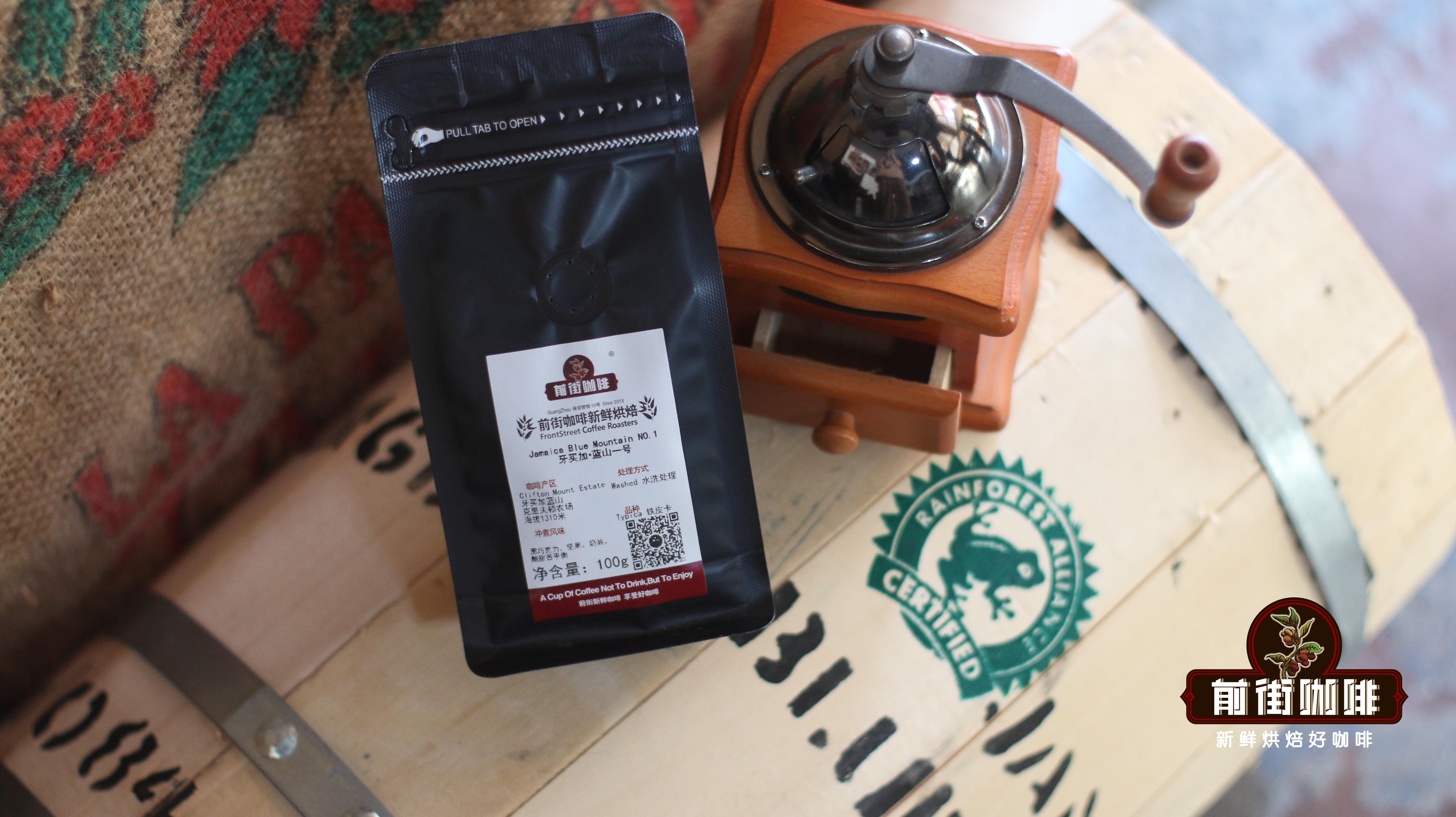
Beyond price, consumers can also use the method of transportation to help verify authenticity. Jamaica is one of the few coffee-growing regions in the world that uses handcrafted oak barrels to transport green coffee beans, with barrel sizes available in 70 kg, 30 kg, and 15 kg. Compared to the commonly used jute sacks, oak barrels help regulate humidity, prevent aroma loss, maintain stable bean moisture content, and thus ensure consistent roasting. Therefore, if a seller claims to offer authentic Blue Mountain but cannot provide evidence of oak barrel transport, its authenticity is questionable.
Another key verification method is to ask the seller to provide official certification documents from Jamaica. According to Jamaican law, all Blue Mountain coffee exports must be certified by the Jamaica Coffee Industry Board (CIB), along with legitimate certificates of origin, manufacturer authorization letters, and quality inspection reports. A well-known retailer’s Jamaican Blue Mountain No. 1 coffee is produced by the Clifton Estate and comes with CIB quality certification, authorized sales documentation, and certificates of origin. At the store, you can also see the specially designed handcrafted oak barrels used for storing Blue Mountain green beans.
If you've already purchased roasted Jamaican Blue Mountain coffee beans, you can further confirm their authenticity by examining their appearance, aroma, flavor, and mouthfeel. Genuine Blue Mountain coffee typically exudes rich yet delicate chocolate and roasted hazelnut aromas—a layered complexity lacking in ordinary dark roast blends. In terms of taste, it offers a balanced interplay of acidity, sweetness, bitterness, and aroma, with both body and sweetness, and no single flavor dominates excessively.
The exceptional value of Jamaican Blue Mountain coffee is inseparable from its uniquely favorable growing environment. The Blue Mountains are surrounded by the sea, creating a distinctive island-type tropical rainforest climate. The rainy season brings abundant precipitation with good drainage, and the fertile volcanic soil allows coffee trees to grow healthily with minimal human intervention. The high-altitude areas (approximately 910 to 1700 meters) feature cool climates, frequent mist, and are intercropped with banana trees, aiding nutrient absorption and growth stability of the coffee cherries.
According to regulations by the Jamaica Coffee Industry Board (CIB), only Typica variety coffee grown within the designated approximately 6,000 hectares of the Blue Mountains qualifies as “Blue Mountain coffee.” This area includes districts such as St. Thomas, St. Mary, St. Andrew, and Portland—covering only one-third of the overall Blue Mountain cultivation zone. Due to the rugged terrain in high-altitude regions, harvesting is difficult, and the Typica variety itself has low yields and weak disease resistance, further adding to the rarity of Blue Mountain coffee. Currently, less than 15% of coffee beans truly meet Blue Mountain standards each year, amounting to about 900 metric tons.
In terms of processing, Blue Mountain coffee employs traditional washed processing methods to ensure high cleanliness and pure flavor. After harvesting, the coffee cherries first undergo floatation to remove unripe and defective beans, then the pulp is removed. The beans ferment for 12 to 18 hours, followed by sun drying, and finally storage and quality inspection. This process not only reduces defect rates but also preserves the coffee’s more pristine original aroma, resulting in a cleaner and crisper taste.
This store uses a medium-dark roast for its Blue Mountain coffee beans, aiming to fully showcase its classic flavor profile—rich chocolate and nutty tones, while maintaining gentle acidity and natural sweetness. Freshly roasted Blue Mountain coffee displays dry aromas of nuts, melon, and chocolate in cupping; after brewing, it releases complex aromas of oolong tea, caramel, honey, and dark chocolate. Upon tasting, layers of dark chocolate, roasted hazelnuts, cream, and brown sugar emerge distinctly, with a smooth, full-bodied mouthfeel and a long, clean finish.
For home brewers who enjoy making coffee themselves, mastering the correct brewing technique is a key step in enjoying the flavors of Blue Mountain. It is recommended to prioritize the KONO dripper, whose immersion-style extraction enhances the coffee's body—especially suited to the texture-focused Blue Mountain. Compared to the V60, the KONO’s filter paper fits more tightly, allowing a gentler extraction that results in a rounder overall flavor.
The store’s actual pour over parameters are as follows:
- Dripper: KONO dripper
- Water temperature: 88°C
- Coffee-to-water ratio: 1:15
- Coffee dosage: 15 grams
- Grind size: EK43s setting 10.5 (approximately 75% through a #20 sieve)
Specific steps: First, wet the dripper and filter paper with hot water, add 15 grams of coffee grounds, and then pour 30 grams of water for a 30-second bloom. Next, pour water in small circles from the center outward until reaching 125 grams for the first pour; once the coffee bed descends to the middle of the dripper, pour again up to 225 grams to complete extraction. Once dripping finishes, the coffee is ready to enjoy.
The brewed Blue Mountain coffee will exhibit the richness of dark chocolate, the soft sweetness of caramel, and delicate acidity—offering a balanced and layered flavor, making it an excellent way to experience the classic taste of Blue Mountain.
The above content is compiled by CoffeeHunters, a coffee news website.


