







Introduction:Iced drip coffee, with its unique cold-brewed flavors and captivating aromas, has become a favorite summer drink for many coffee enthusiasts. However, to brew a pot of iced drip coffee with balanced flavors and rich layers, every step — from grind size and coffee-to-water ratio to drip rate control — is crucial. This article will delve into the history of iced drip coffee, key brewing parameters, and share four classic flavor recipes to help you master the art of consistently recreating this style.
Iced drip coffee is an essential signature cold beverage in many cafés during the summer. Due to its relatively long brewing process, it often requires advance reservations or pre-preparation. Compared to other brewing methods such as pour over or French press, iced drip coffee showcases a more delicate, low-key, and layered flavor profile, often leaving a deep impression on first-time tasters. This article will explore in depth the origins of iced drip coffee, core brewing techniques, and key parameters affecting flavor, while also providing four practical recipes of different styles so that you can easily recreate professional-level iced drip coffee at home.
The reason iced drip coffee is called "Dutch Coffee" actually stems from an interesting misunderstanding. Legend has it that in the 17th century, Dutch colonists transported coffee beans from Indonesia back to Europe. Since heating was not possible on board, they extracted coffee by soaking it in cold water. It’s said that this method resulted in a smoother and more mellow taste, with more pronounced aromas. However, this story is actually a marketing tale created by Japanese coffee businesses when promoting iced drip brewers, and there is no solid historical basis for it. In fact, at that time, Europe — including the Netherlands — commonly used what is known as the "cold brew method," which involves steeping coffee grounds in cold water for extended periods, rather than the drip-style extraction popularized in Japan.
The origin most closely related to "iced drip coffee" is actually Japan. It is said that the owner of a café in Kyoto, while reading literature on coffee, became very interested after learning about how locals in the Dutch colony of Indonesia used ice water to slowly drip and extract coffee. Subsequently, he collaborated with students from Kyoto University’s chemistry department and a medical equipment company to design an early version of an iced drip device, attempting to replicate that brewing method. This eventually led to the development of the widely known iced drip coffee. Later, this technique gradually spread to Europe and the United States, but since locals were unfamiliar with the historical background, they referred to it as "Kyoto coffee" based on its place of origin.
The extraction principle of iced drip coffee utilizes near-zero-degree ice water that drips slowly through a bed of coffee grounds. This process not only slows down the volatilization of flavor compounds but also helps preserve the delicate aromas in the coffee. When these sealed-in aromas enter the mouth with the coffee liquid and are released as the tongue and oral cavity warm up, they create a noticeable burst of fragrance — especially at the base of the tongue, where a rich and vivid aroma emerges. This is a unique drinking experience specific to iced drip coffee.
To successfully brew a cup of iced drip coffee with balanced flavors, the first key is to master the correctcoffee-to-water ratio. It is generally recommended to use a1:10ratioof 60 grams of coffee grounds to 600 milliliters of ice water. This ratio ensures that the coffee is adequately extracted without being over-extracted, resulting in moderate strength and a refined mouthfeel.
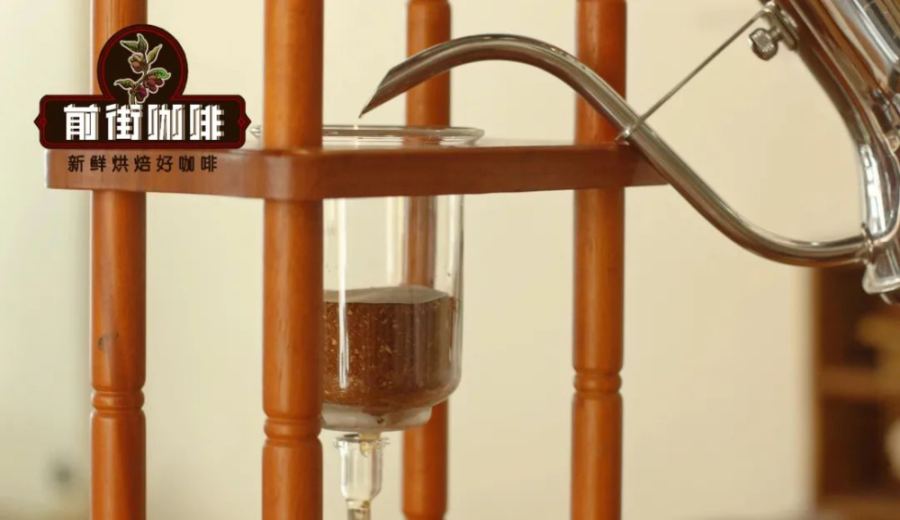
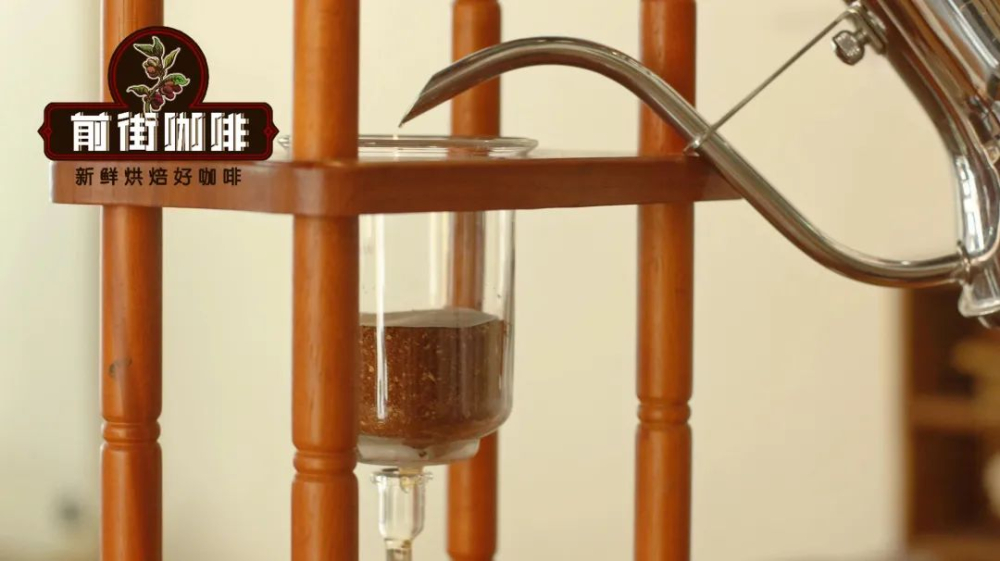
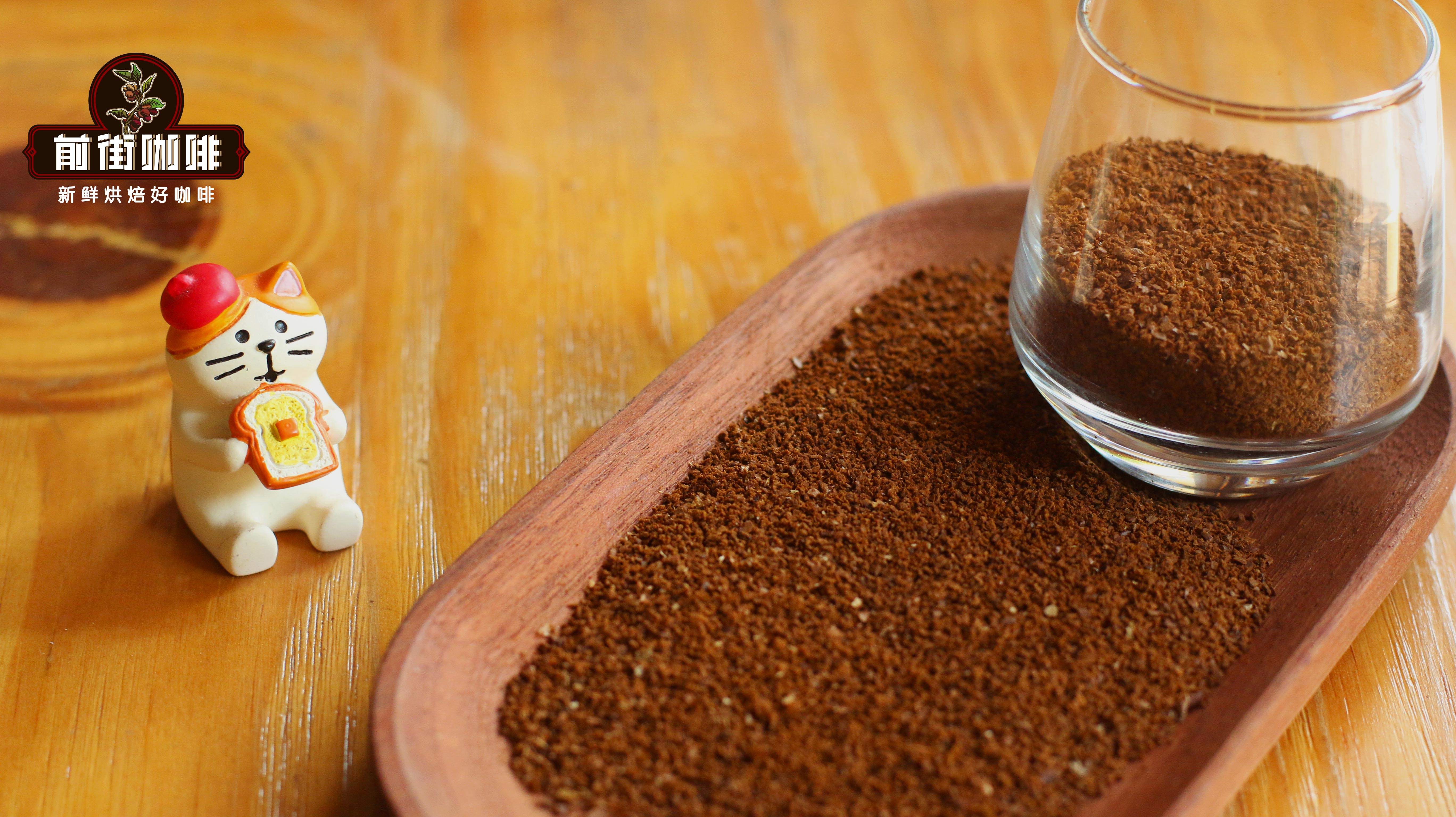
During the preparation stage, it is recommended to place a round filter paper at the bottom of the coffee chamber first, and moisten it slightly with water to make it adhere tightly to the walls of the chamber. This prevents coffee grounds from leaking and also helps ensure even water flow through the coffee layer. Next, pour the pre-ground60 grams of coffee grounds (ground to a coarseness similar to coarse sugar)into the coffee chamber, gently shake the surface to level it, or use the weight of a tamper to assist in flattening it to ensure an even surface. It is particularly important to note that the grind size for iced drip coffee cannot be judged by the naked eye alone; it is recommended to calibrate using aNo. 20 (0.85mm) standard sieve, aiming for a83%–85%pass-through rate. Empirical data shows that the sieve pass-through rate for iced drip is approximately between 83–85%, significantly higher than that of French press (65–70%) and moka pot (75–80%), but lower than cupping (70–75%) and siphon (above 80%).
To achieve more even water distribution and avoid the coffee bed sinking in the center due to prolonged dripping, it is recommended to place another layer of filter paper on top of the coffee grounds. This additional filter paper not only helps stabilize the water flow but also maintains consistency in extraction.
Next comes the "pre-wetting" stage, which is similar to the bloom step in pour over. It helps the coffee grounds fully expand and release aromas, further improving overall extraction efficiency and flavor stability. It is suggested to use a mixture of ice and water (roughly a 1:1 ratio) and adjust the drip rate toabout 7 drops per 10 secondsat a stable speed. Skipping the pre-wetting stage may result in uneven absorption of water by the coffee bed, which could negatively impact the final extraction performance.
After extraction is complete, it is recommended to pour the resulting iced drip coffee liquid into a sealed container and let it refrigerate undisturbed overnight. This refrigeration fermentation step allows the various flavor compounds in the coffee to further meld, resulting in a smoother mouthfeel and more rounded aromas, which enhances the overall drinking experience.
Below are four iced drip coffee recipes of different styles, suitable for selection based on personal taste preferences or seasonal needs:
① Classic Iced Drip:Grind together 30 grams of homemade sherry coffee beans and 30 grams of Bahia coffee beans. This combination often features a strong whiskey-like aroma, along with refreshing citrus fruits and a creamy vanilla-like finish, offering distinct layers and an unforgettable taste.
② Clean and Crisp Style:Use 60 grams of Kenyan "little tomato" coffee beans alone. These beans are known for their vibrant acidity, producing bright fruity notes reminiscent of cherry tomatoes and grapefruit after brewing. The overall taste is light and refreshing, making it especially suitable for hot summer days.
③ Sweet and Delicious Style:Use 60 grams of Indonesian Golden Mandheling coffee beans. Although dark-roasted beans are generally not considered ideal for iced drip, proper refrigeration and ice blending allow this coffee to exhibit notable sweetness and chocolatey notes, with a clean taste and charming fermented aromas.
④ Wine-like Flavor Style:Combine 20 grams of Red Cherry coffee beans with 40 grams of Mozart coffee beans. The former is traditionally sun-dried, featuring intense berry and fermented red wine aromas; the latter undergoes anaerobic honey processing, highlighting rich grape and blackcurrant flavors. This recipe produces a brew reminiscent of an iced wine, with bold and unique flavors.

The above content is compiled by CoffeeHunters, a coffee news website.


