







Introduction:Want to dive deeper into the unique flavor profiles of coffee regions in the Americas? This article will take you on a journey through nine renowned coffee-producing areas—from Brazil to Jamaica’s Blue Mountain—exploring their distinct characteristics. From rich and bold to bright and fruity, we’ll analyze the typical flavor notes, processing methods, and altitude conditions of each region to help you build a comprehensive coffee flavor map and choose beans that best suit your taste.
For those new to coffee, it’s common to feel that all coffees taste pretty much the same—just “coffee flavor” and “coffee aroma.” This is a very normal experience. As your tasting experience grows, you’ll gradually discover the rich layers of aroma and taste hidden within coffee, such as floral, fruity, caramel, and chocolate notes. If you’re just starting out, it’s recommended to begin with coffee from the Americas, which generally offers well-balanced flavors and harmonious acidity and sweetness. This makes it a great entry point into the world of coffee.
Overall, the flavor profile of coffee from the Americas is known for its balance—gentle acidity, moderate body, and processing methods that mostly rely on washed processing. The beans are uniform in appearance with low defect rates, making the region a key pillar of global coffee trade. This article will systematically introduce the major coffee-growing regions in the Americas, including Brazil, Colombia, Panama, Costa Rica, Honduras, Guatemala, Peru, Ecuador, Jamaica Blue Mountain, and Bolivia. We’ll explore these regions’ coffee characteristics from geography, altitude, processing methods, to flavor expression, and include practical tasting tips to help you gradually develop a sharper coffee palate.
Brazil: The Bold and Reliable Coffee Powerhouse
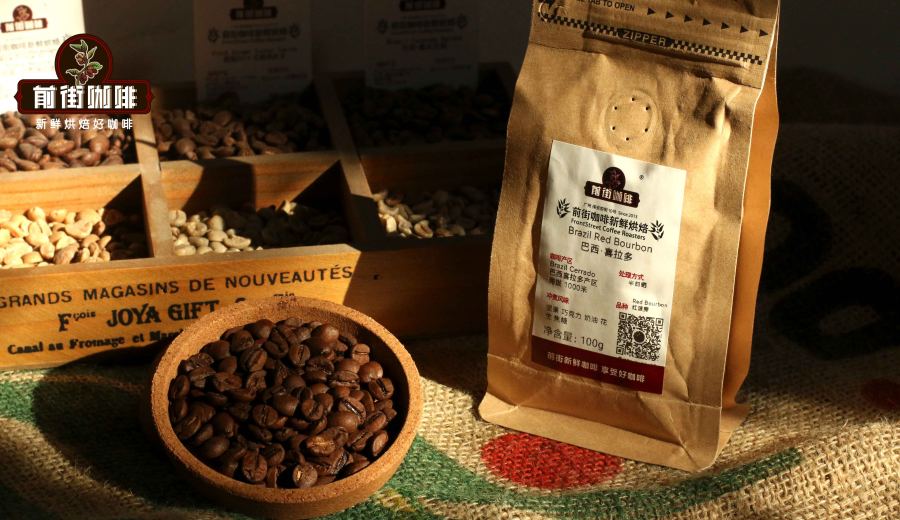
As the world’s largest coffee producer, Brazil accounts for over one-third of global coffee production. While it grows a wide variety of coffees, most are cultivated on a large scale, primarily for commercial and blended coffee use. Brazilian coffee is commonly characterized by its full body and prominent chocolatey aftertaste, with relatively low acidity—making it ideal for those who prefer a steady, mellow cup. Brazil has a rigorous coffee grading system based on defect rate, bean size, and flavor. Among them, 'Santos' is the most well-known and widely used grade. It’s recommended to try blends based on Brazilian Santos Red Bourbon for its mild, delicate profile and long-lasting finish—perfect for beginners looking to establish a foundational flavor understanding.
Colombia: The Classic Representative of Balanced and Smooth Coffee
Colombia is a globally renowned origin for high-quality coffee. Its coffee is grown on mountain slopes at altitudes between 800 to 1900 meters, predominantly hand-picked and washed processed to ensure consistent bean quality and flavor. Key producing regions such as Medellin, Armenia, and Manizales—collectively referred to as 'MAM'—offer balanced, mellow cups with nutty notes and gentle fruit acidity. Higher-altitude southern regions like Huila showcase brighter berry acidity and caramel sweetness, representing Colombia’s specialty coffee. It’s ideal for drinkers who enjoy a smooth yet layered cup.
Honduras: A Hidden Gem That Gets Better with Roast
Located in Central America, Honduras features mountainous terrain and a mild, rainy climate—perfect for coffee cultivation. In the past, Honduran coffee was often overlooked due to processing limitations and transportation challenges, but its quality has improved significantly in recent years. The coffee is mainly divided into regular highland and premium highland types, with the latter grown at 1500 to 2000 meters altitude, offering more intense flavors. Honduran coffee has mild acidity and pronounced sweetness, responding well to medium to dark roasts that bring out its caramel and nutty aromas. It’s a great starting point for newcomers exploring Central American flavors.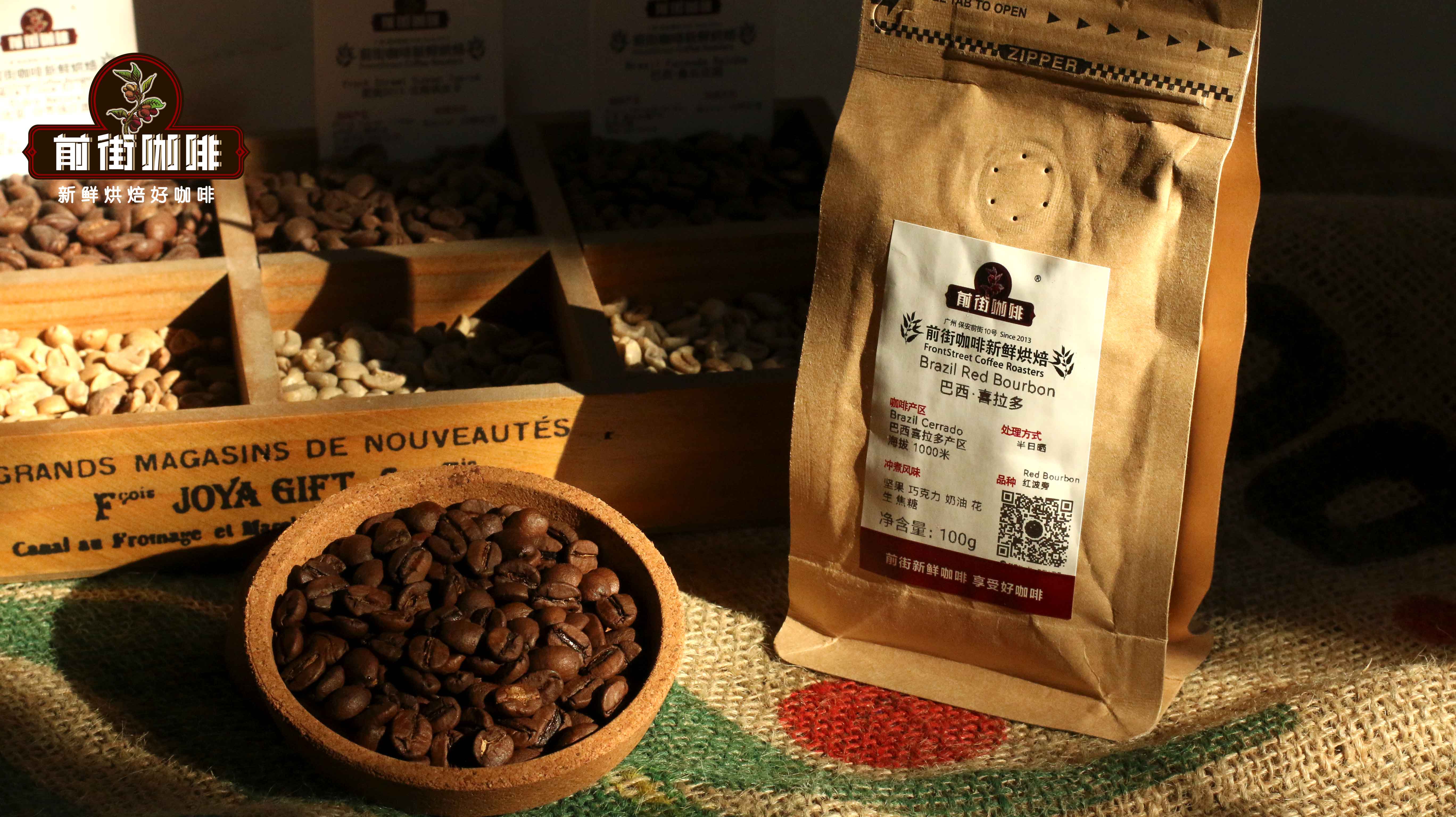
Panama: The Birthplace of Geisha Legend
Panama is world-famous for producing top-tier Geisha coffee, which is beloved by coffee enthusiasts worldwide for its distinctive citrus, floral, and tea-like characteristics. With its complex microclimates, Panama’s Boquete region—located at around 1450 meters altitude—is the main area for Geisha cultivation. High-quality Geisha often exhibits bright acidity and delicate fruity-floral notes, making it ideal for pour over or filtered brewing. To experience the charm of Geisha, it’s recommended to try green-label lots from well-known farms like El Velo, which fully showcase its unique flavor complexity.
Costa Rica: The Sweetness Model of Honey Processing
Costa Rican coffee is grown in high-altitude volcanic soil regions and is renowned for its honey processing method, which retains the mucilage layer to deliver rich sweetness and balanced fruit acidity. Key regions like Tarrazú benefit from fertile volcanic soil and ideal altitude conditions, producing tightly structured, sweet and acidic coffees. Costa Rican beans are typically classified as SHB (Strictly Hard Bean), GHB (Good Hard Bean), and MHB (Medium Hard Bean)—the higher the altitude, the brighter the acidity and firmer the body. Flavors often include chocolate, nuts, and citrus, making it perfect for coffee lovers who enjoy refined and balanced profiles.
Guatemala: The Bold Profile of Smoky and Cocoa Notes
Guatemalan coffee is known for its intense smoky and cocoa aromas, with moderately high acidity but an overall rich and bold character, making it an excellent choice for blending. Its regions are categorized into seven grades based on altitude—the higher the altitude, the more complex and refined the flavors. Well-known regions like Huehuetenango and Finca El Injerto produce coffees with strong spice and nut notes, along with noticeable yet non-aggressive acidity, suiting those who enjoy a fuller-bodied cup.
Peru: The Gentle Choice of Organic Coffee
Peruvian coffee is predominantly grown organically, with key regions located in the northern and central highlands. Its flavors mainly include chocolate, cream, and herbal notes, coupled with soft and layered acidity. Peruvian Geisha varieties often present bright citrus and nectarine acidity with a clean taste, making them ideal for pour over brewing. The beans are mostly Typica, Bourbon, and Catuai varieties—suitable for beginners who prefer mellow and rounded flavors.
Ecuador: Balanced Expression in Diverse Ecology
Ecuador’s diverse terrain and climate result in varied coffee flavors, yet the region as a whole maintains the moderate characteristics typical of South American coffee. Major producing areas include Manabí and Zamora Chinchipe. The former is known for its stable body and sweetness, while the latter, thanks to its high altitude, exhibits notable berry notes. Most Ecuadorian coffee is washed processed, resulting in clear flavors and clean aftertastes—making it a great option for exploring the diversity of South American coffee.
Jamaica Blue Mountain: The Legendary King of Rare Coffee
Jamaica Blue Mountain coffee is one of the most prestigious coffees in the world, renowned for its scarce production and legendary reputation. Grown only in the Blue Mountain region at altitudes above 1200 meters, the green beans are exclusively washed processed. The flavor is extremely balanced—with well-harmonized acidity, sweetness, and bitterness—and completely free from harshness. Its grades are categorized from NO.1 to NO.3, and PB (Peaberry), with NO.1 being the highest. Blue Mountain coffee is clean, aromatic, and meant to be savored slowly—it’s the dream coffee for enthusiasts.
Bolivia: Fruity Surprises from High Altitude
Though production is limited, Bolivia’s high-altitude environment produces coffee with unique fruit and floral characteristics. Main varieties include Typica, Caturra, and Catuai, mostly grown organically with processing methods including washed, honey, and natural. Bolivian coffee typically has soft acidity, often featuring citrus, berry, and dark fruit notes—ideal for those who enjoy refreshing flavors. Though a niche origin, its quality is consistent, making it a great way to explore the flavors of lesser-known South American regions.
In summary, the coffee regions of the Americas offer a diverse array of flavor profiles, each with its own unique story—from the bold and steady character of Brazil, the balanced smoothness of Colombia, to the distinctive allure of Panama’s Geisha and the legendary status of Jamaica Blue Mountain. When tasting, pay attention to the coffee’s ‘body,’ the vibrancy of its acidity, and the length and complexity of its aftertaste. These elements will help you better appreciate the unique charm of each coffee.
The above content is compiled by CoffeeHunters, a coffee news website.


