







Introduction:Although Robusta is often regarded as an inferior coffee bean, it actually possesses exceptional environmental adaptability and commercial value. This article will delve into the botanical background of Robusta, trace the evolution of its major strains such as Canephora, Timor, and Catimor, and analyze its advantages in cultivation, including high-temperature tolerance, disease resistance, and high yield. It will also explore its unique flavor characteristics, including the common causes of bitterness and earthy notes, and provide practical tasting suggestions to help readers gain a comprehensive understanding of this important coffee variety.
Among the many coffee varieties, although Robusta is not as popular as Arabica, it holds a significant place in the global coffee supply chain thanks to its hardy nature and practical value. Robusta belongs to the Coffea canephora species, also commonly referred to as Congo coffee or medium coffee, and is one of the two original coffee species alongside Arabica. Although only Robusta is widely commercially cultivated under the Canephora species, it serves as the foundation for several important hybrid varieties, such as Timor (Timor) and Catimor (Catimor). These varieties are taxonomically classified as Arabica but carry Robusta genetics.
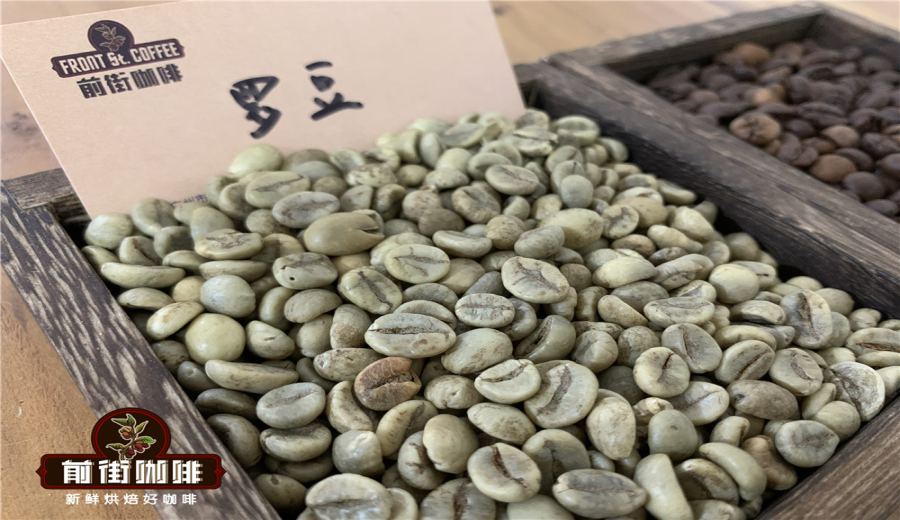
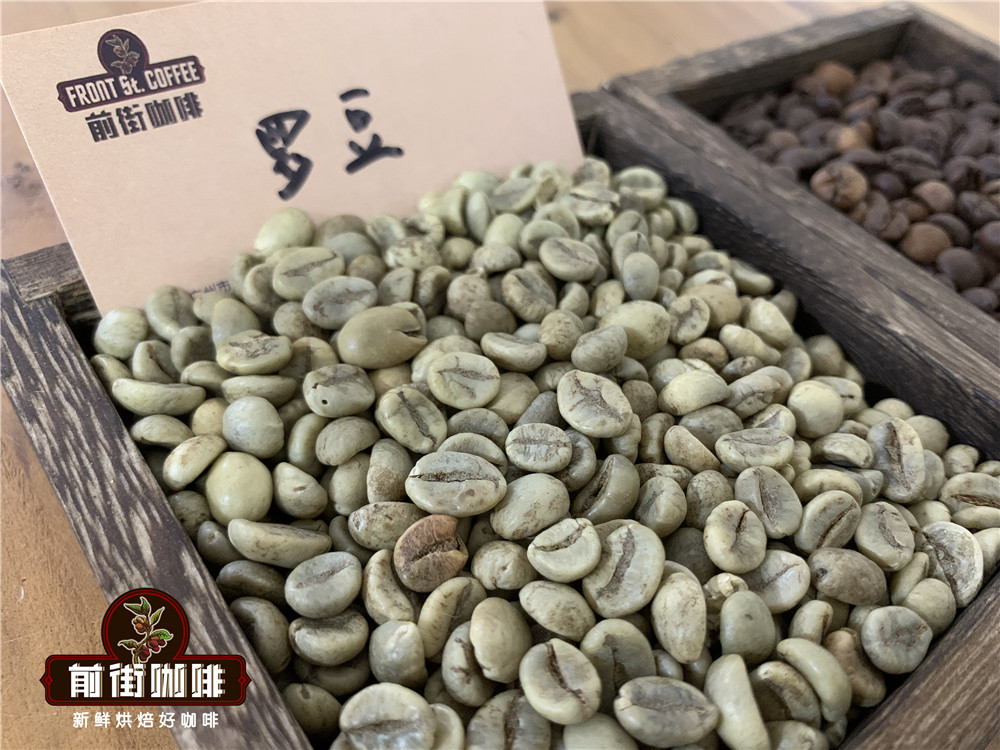
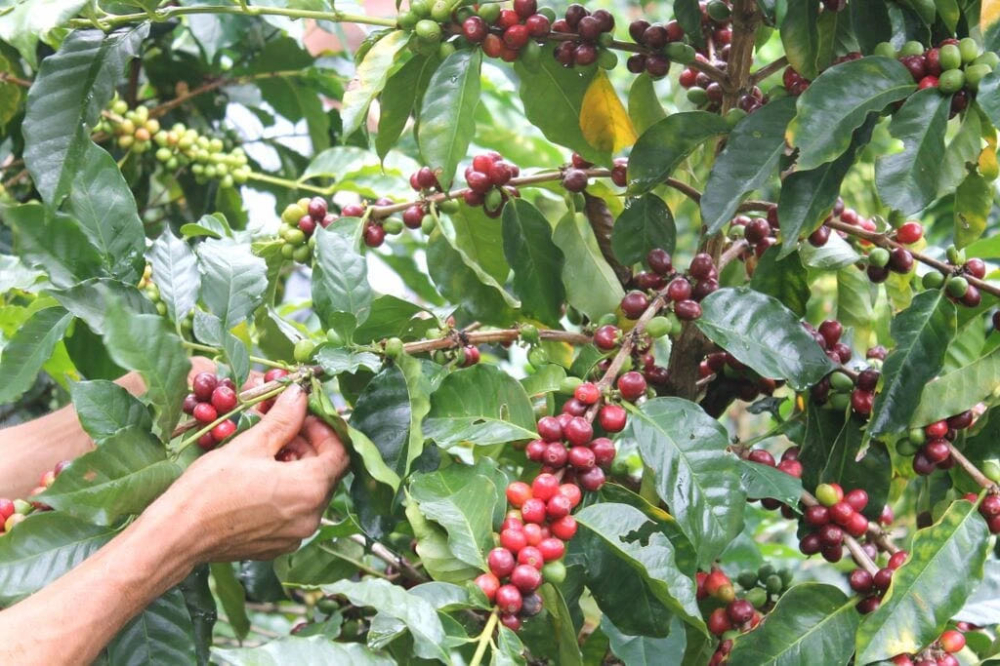
Robusta has extremely strong environmental adaptability, able to withstand a variety of extreme climate conditions such as high temperatures, cold, drought, and high humidity. This gives it a much higher margin for error in cultivation compared to Arabica. In addition, the caffeine content of Robusta generally ranges between1.7% and 3.0%, nearly double that of Arabica. This high caffeine content effectively deters pests, reducing the risk of disease and insect damage. It also produces a high yield per plant. While its fruits are slightly smaller and more oblate in shape, they are densely clustered, with beans that have a straight, concave centerline—these are all easily recognizable external features.
Due to its low environmental requirements, Robusta can typically be grown at low altitudes. Coupled with its fast maturation and suitability for mechanical harvesting, production costs are significantly reduced, making it widely used for commercial mass production. For example, Hainan region in our country primarily grows Robusta. However, despite these clear advantages, Robusta is often overlooked due to its underwhelming flavor profile—so why is that?
The most frequently criticized aspect of Robusta is undoubtedly itsunique flavor profile. Compared to Arabica, Robusta has higher levels of chlorogenic acid and lower levels of sucrose. Chlorogenic acid is the main component responsible for the bitter and astringent taste of coffee, while sucrose forms the basis of aroma and sweetness. As a result, Robusta often exhibits low acidity, a strong, deep bitterness, and is commonly accompanied by nutty flavors such as walnut, peanut, hazelnut, or even grain-like notes like barley tea. If processed improperly, it is more prone to exhibit pronounced earthy or rubbery off-flavors, a sensory combination referred to in the industry as the "Robusta taste."
For instance, the Catimor variety widely cultivated in Yunnan contains approximately25% Robusta genetics, which is why it often receives similar critiques in terms of flavor. However, when deeply roasted, Robusta releases a large amount of carbon dioxide, forming a rich crema during espresso extraction, resulting in a fuller body and more intense flavor expression. This is also one reason why it maintains demand within the espresso coffee system.
Although the market is still dominated by Arabica, as global climate change intensifies and coffee-growing environments become increasingly challenging, Robusta and its hybrid varieties—with their robust adaptability—are likely to play a more critical role in the future. In fact, many new disease-resistant and drought-tolerant hybrid varieties incorporate Robusta genetics to enhance crop survival rates and yield performance.
For coffee enthusiasts eager to explore the flavor of Robusta, it is recommended to start with blends to gradually adapt to its intense characteristics. For example, a commercial blend containing10% washed Robusta, combined with Colombian washed (30%) and Brazilian natural semi-washed (60%), can produce an espresso with a rich crema and solid aroma. This blend results in a bright golden crema after extraction, offering smoky bitter notes on the palate, followed by a creamy, full-bodied mouthfeel. The bitterness dissipates quickly, leaving a refreshing and long-lasting aftertaste, making it an excellent entry-level choice for everyday espresso.
The above content is compiled by CoffeeHunters, a coffee news website.


