







Introduction:This article delves into the Java variety coffee from the Valqui Estate in the Caranavi region of Bolivia, detailing its high-altitude growing environment, distinctive cocoa sun-drying processing method, and the resulting citrus, cocoa, and vanilla cream layered flavors. From variety characteristics and processing techniques to practical brewing recommendations, it offers readers a comprehensive reference for those looking to gain an in-depth understanding of premium Bolivian coffee.
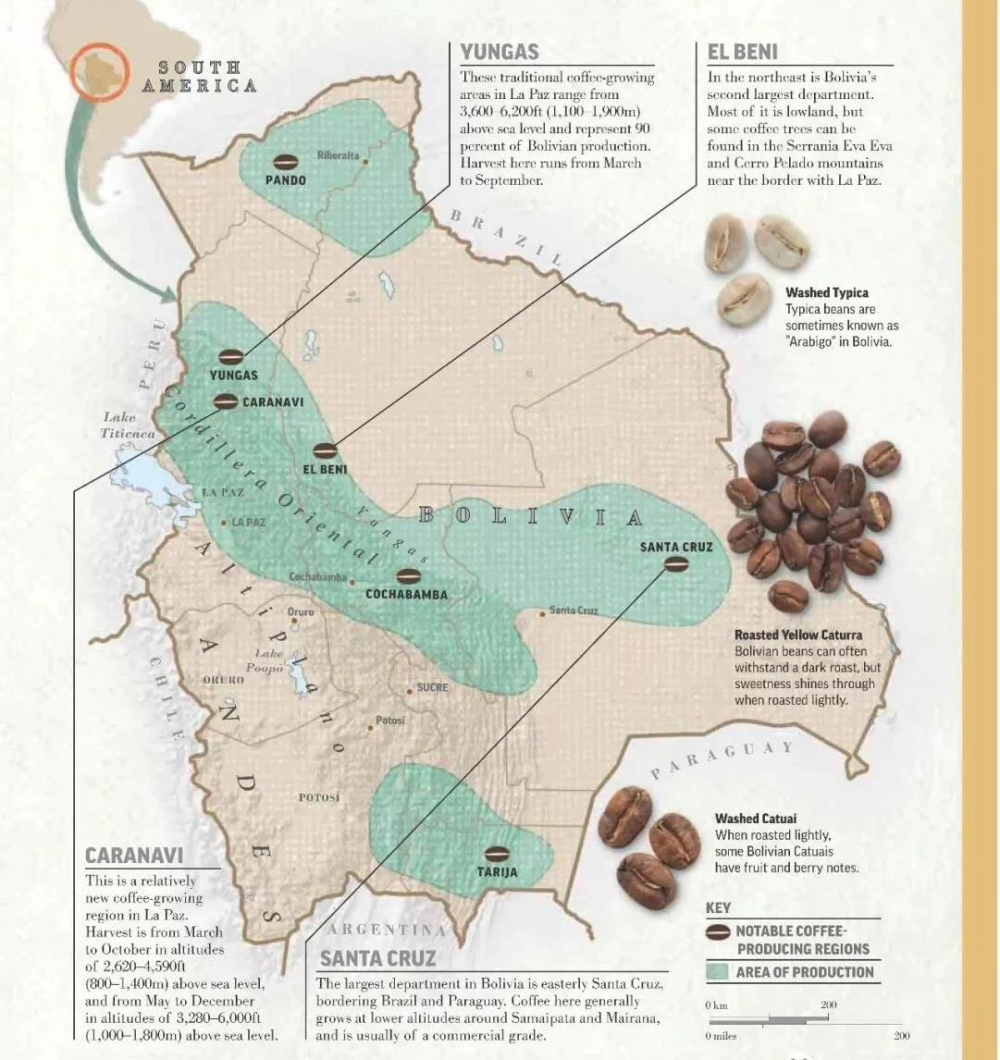
Although Bolivia is a relatively underdeveloped country in South America in terms of economic development, its unique geographical environment and high-altitude microclimate create potential for producing specialty coffee. The Valqui Estate, located in the Caranavi region — the core coffee-producing area of Bolivia — covers only six hectares but produces representative Java variety coffee beans. This small-lot estate coffee is grown at an altitude of1660 meters above sea level. Using the cocoa sun-drying method, these beans exhibit distinct citrus and hawthorn acidity with sweet tones, paired with fruit chocolate and vanilla cream aftertastes, delivering a rich flavor profile.
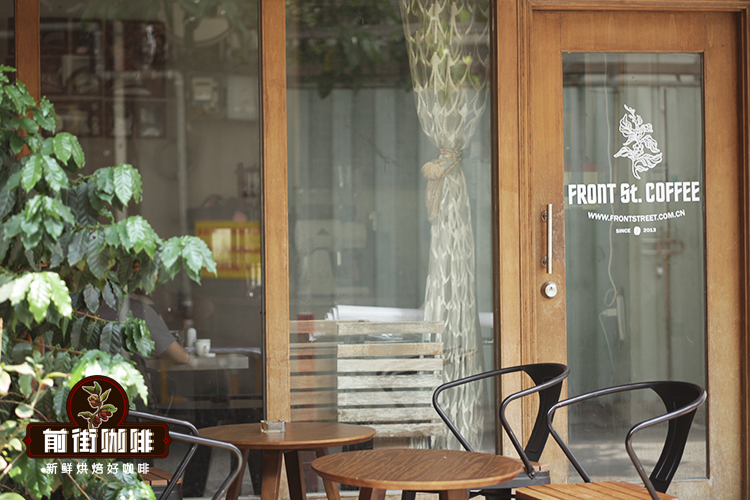
Though neighboring Brazil and Colombia — two globally renowned coffee-producing countries — Bolivia faces a more constrained domestic economy, along with relatively underdeveloped coffee infrastructure and transportation conditions. Especially in the Yungas region, the main producing area, transportation is so treacherous that it's dubbed the “death road.” The rugged roads and frequent inaccessibility make coffee cherries prone to fermentation or spoilage during transit, thus affecting quality. Moreover, about 40% of coffee beans are consumed domestically, leaving only a limited quantity of premium beans for export, which also makes it difficult for the international market to fully recognize Bolivia’s potential.
The high-altitude environment has a crucial impact on coffee. At altitudes exceeding 1600 meters, the growth cycle of coffee cherries is significantly prolonged, and ripening occurs more slowly. This allows the coffee beans more time to accumulate sugars, thereby enhancing sweetness and flavor complexity. Compared to low-altitude coffee, which often presents a balanced chocolate profile, high-altitude coffee tends to feature a more pronounced bright acidity, along with a refreshing tone akin to berries.
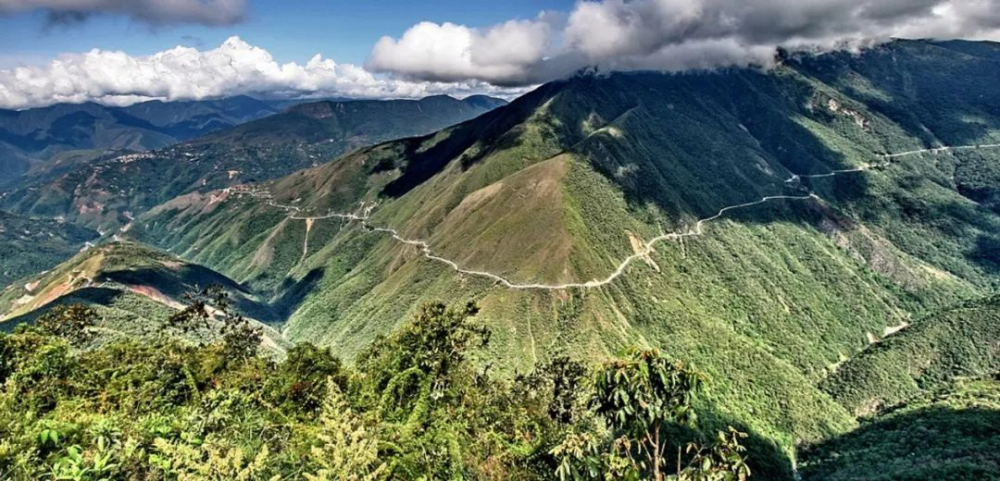
In terms of variety, while Bolivia primarily grows Typica and Caturra, the Valqui Estate chose to cultivate the relatively rare Java variety. Originating from Ethiopia, this variety is referred to as “long bean” in Bolivia due to its distinctly elongated shape compared to standard coffee beans. Notably, the Java variety shows strong resistance to coffee leaf rust, making it highly suitable for smallholder farmers. Beyond its disease resistance, it also delivers an outstanding flavor profile — some evaluations even suggest it rivals the renowned and high-priced Geisha variety.
Regarding processing methods, water washing is commonly used in Bolivia. This involves removing the pulp from harvested coffee cherries, then fermenting to remove the mucilage, followed by washing and drying to reach a moisture content of approximately 12%. However, farms such as the Valqui Estate opt for the more challenging sun-drying process, and have further developed what is called the “cocoa sun-drying process.” This method uses low-temperature cocoa dryers to simulate sun-drying conditions, yet allows for stable and slow drying of the coffee beans unaffected by weather, helping preserve more fruity aroma and sweetness.
The specific steps of the cocoa sun-drying process include: selecting the ripest coffee cherries, washing them, then placing them on African drying beds to be turned daily for about a week until preliminary dehydration. They are then transferred to a cocoa dryer, where they are slowly dried at low temperatures, before being stored in a warehouse. Although less common than traditional sun-drying, this method effectively overcomes Bolivia’s variable weather and enhances the purity of the final flavor.
The official flavor description of this Valqui Estate Java bean is: an upfront bright citrus and hawthorn acidity with sweet tones, a mid-palate showcasing layers of fruit chocolate and vanilla cream, and a long-lasting finish. As the coffee cools slightly, subtle maple sweetness and jasmine tea notes emerge, with a persistent sugarcane aftertaste. The overall flavor structure is balanced and dynamic.
If you’d like to try this coffee at home using a pour over method, it is recommended to use a V60 dripper. Its large aperture and spiral ribs help enhance water flow rate and air exhaust efficiency, thereby improving the extraction of acidity and aroma. Though the resulting brew may be slightly less intense in body, the acidity, sweetness, and aroma performance remain outstanding.
Recommended brewing parameters are as follows: water temperature controlled at90-91°C, using an EK43s grinder at setting10 (close to the fineness of granulated sugar), with a1:15brew ratio of15 gramsof coffee. The specific pour over steps are: start with a 30-gram bloom for 30 seconds, followed by pouring 95 grams of water (total around 125 grams) within about 1 minute; when the water level drops to 2/3 of the coffee bed, pour another 100 grams (total around 225 grams) within approximately 1 minute and 40 seconds. Finally, complete the drip-through between 1 minute 55 seconds and 2 minutes, then remove the dripper to end extraction. Under these parameters, the coffee exhibits flavors of mild fermentation, grapes, lightly roasted nuts, and floral notes, with medium acidity and an overall juicy mouthfeel.
The above content is compiled by CoffeeHunters, a coffee news website.


