








Introduction:Want to explore the unique charm and practical roasting techniques of Robusta coffee beans? This article delves into this common ingredient in espresso blends and instant coffee — the medium-sized coffee bean — covering its origins, variety characteristics, roasting advice, and even revealing the bean choices often used by brands like Starbucks. Whether you're a beginner or a coffee professional, you'll gain useful knowledge on tasting and processing.
In the world of coffee, Arabica and Robusta are the two pillars that form the foundation of most people’s daily brews. Among them, Robusta, also known as the medium coffee, originated in the Congo Basin of Africa. Thanks to its high adaptability to low-altitude environments, strong disease resistance, and impressive yield, it has become an important source of commercial coffee. It is widely used in instant coffee, canned coffee, and espresso blends, and is known for its distinctive bold flavor and high caffeine content.
Robusta contains about twice the caffeine of Arabica and a higher proportion of chlorogenic acids, which contribute to its richer, deeper flavor profile. It often features notes of walnut, peanut, cereal, and even a slightly earthy tone. Although its reputation is mixed within the specialty coffee community, its stable production capacity and functional properties ensure its important position in the global market.

Many newcomers to coffee often find the various bean variety names confusing — such as Typica, Bourbon, Geisha, or the differences between Robusta and Arabica. In fact, these are all coffee variety classifications. Currently, the world's main coffee varieties are divided into three: Arabica, Robusta, and Liberica. Among them, Arabica, with its delicate flavor and more demanding growing conditions, is considered the mainstream of specialty coffee; whereas Robusta, due to its strong environmental adaptability and massive yield, is mostly used for commercial purposes.
When it comes to Robusta, many people’s first impression might be “coarser flavor” or “non-specialty grade.” But this is actually a bias. Strictly speaking, the correct classification for Robusta should be "Canephora," with Robusta being just a widely planted subspecies of Canephora that has become synonymous with the species over time. It originated in the Congo region of West Africa, and today’s major producing countries include Vietnam, Indonesia, and African nations such as Algeria and Angola.
Take Vietnam as an example — it is one of the world’s largest producers of Robusta, with the vast majority of its coffee output being Robusta, and only a small amount of Arabica. Vietnamese Robusta beans, due to their high concentration and rich oils, are often used in espresso blends to add a bold base note. In fact, some commercial blends also incorporate Vietnamese Robusta beans as part of their recipe, showcasing their unique character.
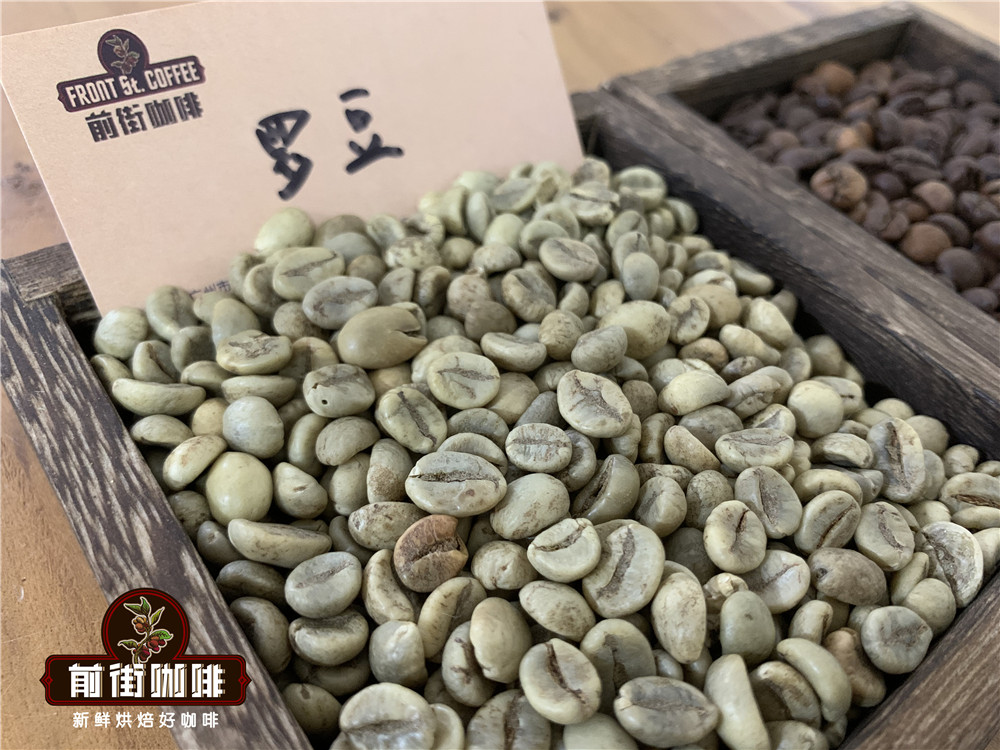
Robusta has distinct physical characteristics: each fruit contains only one coffee bean, the bean shape is relatively round, featuring the classic C-shape contour with a clear “1”-shaped center line, and the raw bean color is a warm yellowish-brown. These visual features help with quick identification during selection and grading.
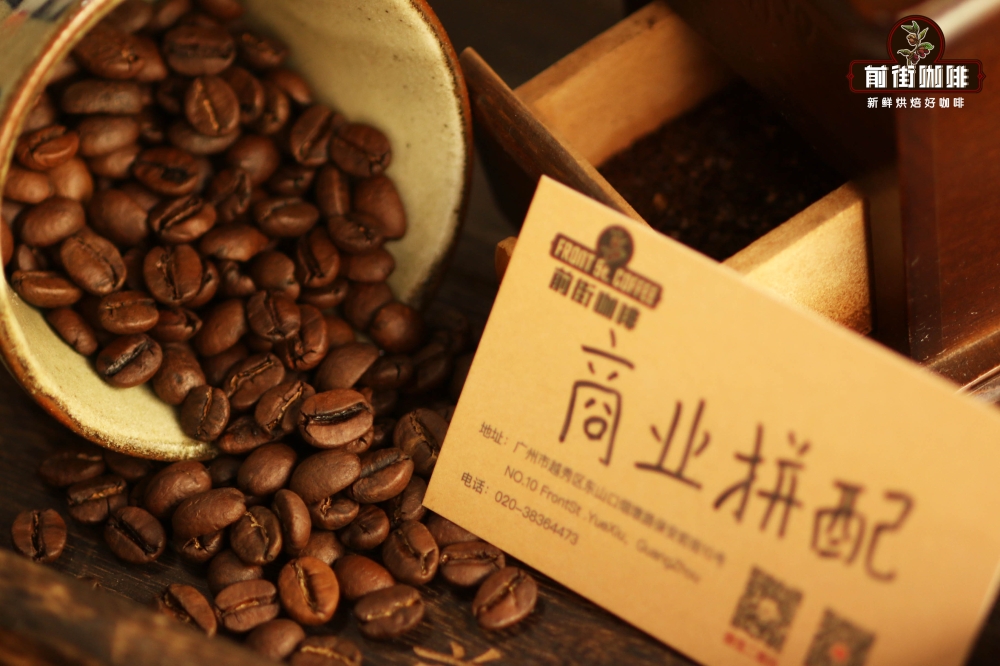
In terms of roasting application, Robusta, due to its rich internal compounds, is particularly well-suited for dark roasting to fully bring out its oils and bold body. The recommended roast level generally falls between "medium-dark" and "full dark," with temperature control around 205 to 225 degrees Celsius. Roasting time varies depending on the roaster and batch, typically requiring 12 to 16 minutes. Dark roasting can effectively reduce its inherent harshness while enhancing the chocolatey, nutty, and caramel aftertaste — a key factor in the full body of many espresso blends.
Compared to Robusta, Arabica varieties are much more demanding in terms of growing environment, with ideal altitudes ranging from 800 to 2000 meters. They are mainly found in the high-altitude coffee belt between the Tropic of Cancer and the Tropic of Capricorn, such as Ethiopia, Colombia, Kenya, and Brazil. The large day-night temperature variations and high altitudes in these regions give Arabica beans more complex aroma layers and brighter acidity, thus making them representative of specialty coffee.
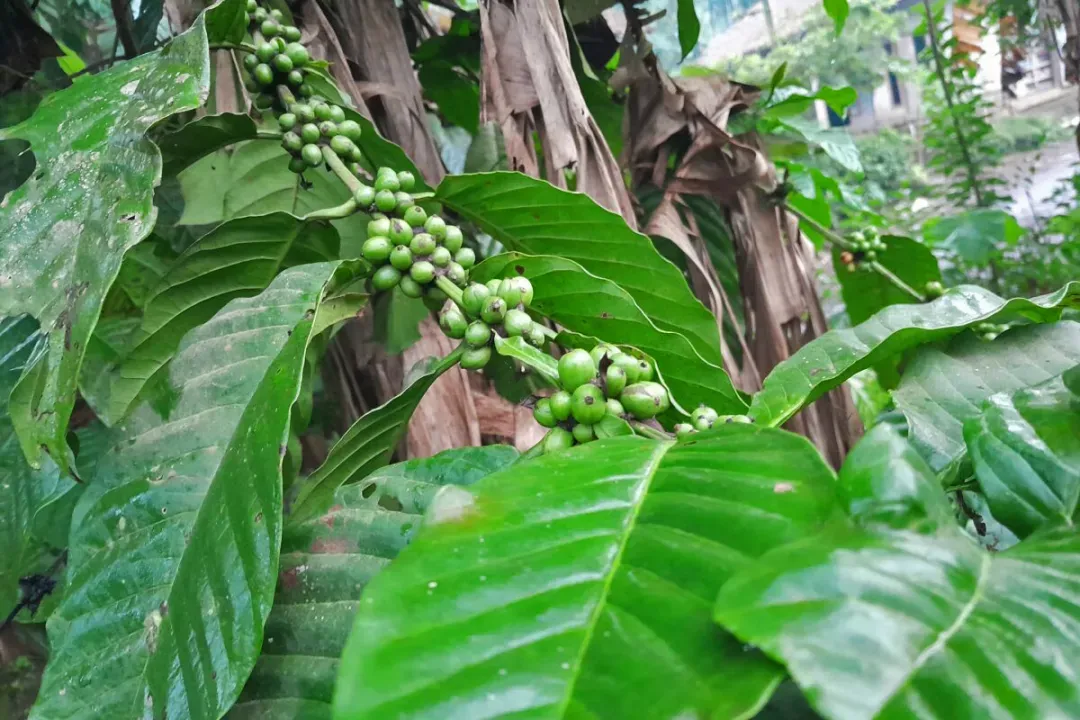
Robusta, on the other hand, shows remarkable adaptability. It can thrive not only in low-altitude areas but also boasts significantly better resistance to high temperatures and pests than Arabica. Its caffeine content reaches 2% to 4%, twice that of Arabica. This natural insect-repellent component makes Robusta less susceptible to most pests. Additionally, Robusta’s chlorogenic acid content is about 7% to 10%, which, while contributing to its unique flavor, also adds to its bitterness.
From a botanical perspective, Arabica is self-pollinating, resulting in lower genetic diversity. When faced with diseases (such as leaf rust), it is prone to large-scale losses. Robusta, being cross-pollinated, has greater genetic diversity, allowing it to demonstrate stronger resilience and adaptability when confronting environmental changes and pest pressures. This is why, during historical periods of coffee rust outbreaks, many producing regions turned to planting Robusta to maintain supply stability.
In summary, although Robusta coffee beans may not have the refined flavors of Arabica, their unique bold taste, high caffeine, and oil content make them indispensable in commercial coffee and espresso blends. Understanding its roasting characteristics and varietal strengths not only helps you gain a more comprehensive appreciation of coffee diversity, but also enables smarter decisions when selecting beans and brewing. Whether you’re a coffee lover who enjoys intense flavors or a professional seeking deeper insight into the industry, Robusta is worth re-examining and savoring.
The above content is compiled by CoffeeHunters, a coffee news website.


