







Introduction:As the most representative specialty coffee region in Ethiopia, Yirgacheffe showcases distinctly different flavor profiles through its washed and natural processing methods. This article delves into the characteristics of these two processing techniques—from regional environment, processing technology to cupping flavors—offering you a comprehensive understanding of the bright citrus notes in washed Yirgacheffe and the rich fruity sweetness of its natural counterpart. Practical pour over parameters are also provided to help you brew layered Yirgacheffe flavors at home.
Yirgacheffe, located in Ethiopia’s southern Gedeo zone, is one of the global meccas for specialty coffee enthusiasts. The coffees from this region present uniquely charming yet vastly different characteristics through washed and natural processing methods. Washed Yirgacheffe is famed for its high-toned citrus acidity and delicate floral notes, while the natural version exhibits intense tropical fruit tones and a rich sweetness. Understanding these differences not only helps coffee lovers choose beans that suit their taste preferences but also allows for a deeper appreciation of Ethiopia's coffee diversity.
Ethiopia: The Genetic Treasury and Terroir Foundation of Coffee
As one of the birthplaces of coffee, Ethiopia boasts the world’s richest diversity of native coffee varieties. These varieties have evolved over centuries without human hybridization, harboring exceptional diversity and unique flavor potential. The country’s high-altitude terrain, significant day-night temperature variations, and favorable rainfall distribution provide nearly perfect growing conditions for coffee trees. Mornings shrouded in mist, afternoon sunshine, and cool nights promote slow maturation of coffee cherries, allowing them to accumulate richer sugars and flavor compounds.
In Ethiopia, many families grow coffee on small plots of land around their homes, often intercropped with other crops. Due to the small scale and dispersion, harvested coffee cherries are usually sent to local processing stations for centralized processing and sold under the name of the processing factory or cooperative. This traditional farming model is also one of the sources of the diverse flavors found in renowned regions like Yirgacheffe.
Washed Processing Techniques and Flavor Characteristics of Banko Gotiti Cooperative
Banko Gotiti Cooperative is located in a small village in the Gedeo zone. Originally part of the Worka Cooperative under the Yirgacheffe Coffee Farmers Cooperative Union (YCFCU), it became independent in 2012 after breakthroughs in washed processing techniques, gradually establishing a reputation for high-quality washed Yirgacheffe. The cooperative strictly controls green bean quality, with precision and hygiene emphasized at every step—from post-harvest sorting, pulping, and mucilage removal to drying.
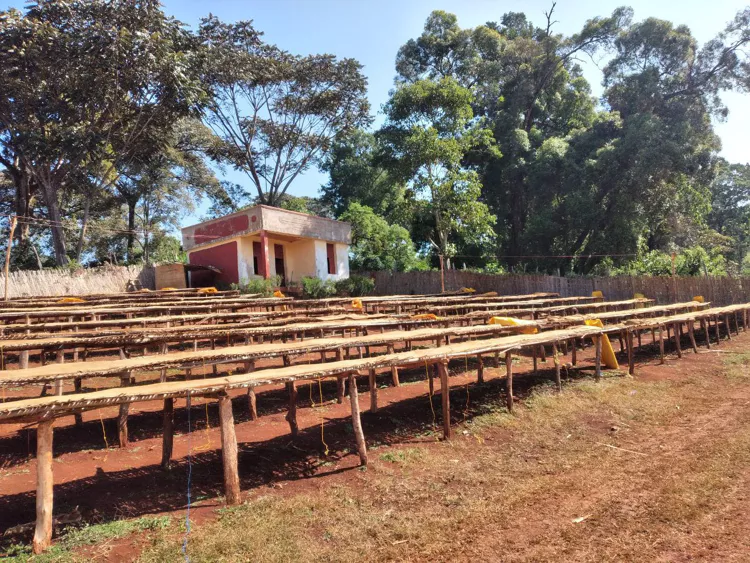
Traditional natural processing, though simple, is susceptible to weather impacts and prone to off-flavors such as earthiness, over-fermentation, or rotten fruit. Washed processing removes the pulp mechanically, ferments to remove the mucilage, then rinses the beans multiple times with clean water before slowly drying them on raised beds. This method significantly reduces undesirable flavors, highlighting the coffee’s bright acidity and delicate floral structure. Washed Yirgacheffe often features notes of passion fruit, lemon, jasmine, and a tea-like finish, delivering a clean, refreshing, and well-layered cup.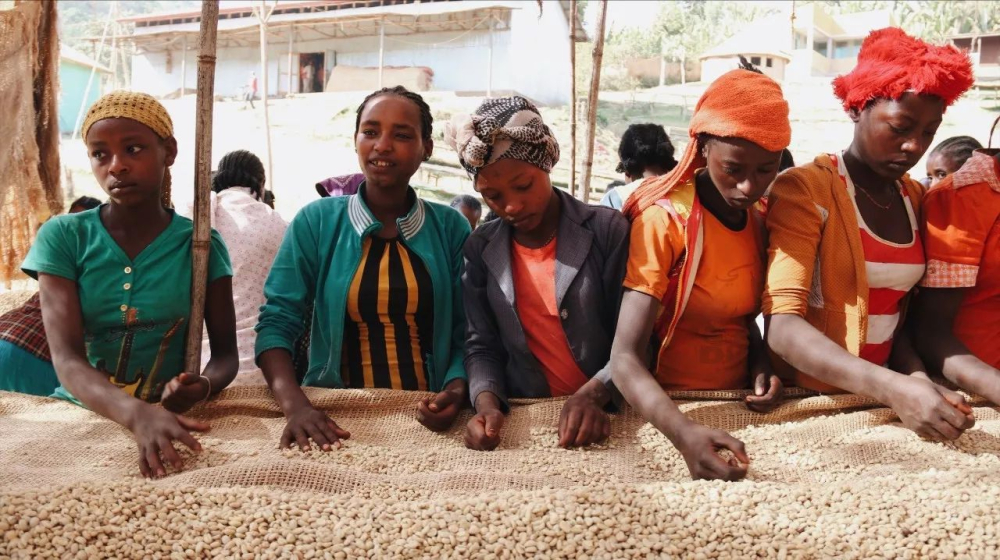
Natural Yirgacheffe: The Allure of Rich Fruit Aromas and Fermentation Notes
Natural processing is one of Ethiopia’s traditional and common methods, particularly suited for high-altitude and long-sunshine regions. This method involves drying the whole coffee cherry directly under the sun, allowing the sugars and aromas within the fruit pulp to fully penetrate the seed (i.e., the coffee bean). During the drying process, the beans ferment slowly within the fruit, resulting in rich tropical fruit tones such as blueberry, mango, and berries, paired with a thick honey-like sweetness and black tea-like finish.
The Red Cherry Project is a quality improvement initiative launched in 2007 by Dutch trader Trabocca BV, focusing on high-altitude regions like Yirgacheffe. Its goal is to enhance overall coffee quality through refined processing techniques and the careful selection of perfectly ripe red cherries. Farmers involved in the project harvest only 100% ripe coffee cherries, divide picking zones by microclimate, and implement stricter sun-drying management, yielding more cohesive and layered natural Yirgacheffe flavors.
Cupping Flavor Profile and Suitable Roast Levels for Yirgacheffe
Generally, Yirgacheffe coffee is best known for its intense fruity acidity and floral aromas, often described by coffee professionals as a “fruit bomb.” To fully showcase these vibrant aromatic characteristics, some coffee brands typically use medium-light roasts to avoid darker roasts masking their delicate flavor expressions.
In cupping sessions, washed Banko Gotiti Cooperative Yirgacheffe often presents dry aromas of passion fruit, citrus, and berries, with a brewed cup offering clear citrus acidity, berry sweetness, and almond and tea-like aftertastes. It has a lower body but is extremely clean and refreshing. In contrast, natural Red Cherry Yirgacheffe displays intense berry acidity and sweetness, fermented aromas of ripe fruit, noticeable sweetness, and a honey and black tea柔和调性, delivering a smoother, rounder mouthfeel.
Recommended Pour Over Parameters and Practical Tips for Yirgacheffe
If you’d like to brew Yirgacheffe’s refined flavors at home, here are the recommended pour over parameters:
- Filter:V60
- Water Temperature:92–93°C (a moderately high temperature helps highlight acidity and aroma)
- Coffee Dose:15 grams
- Coffee-to-Water Ratio:1:15 (approximately 225 ml total water)
- Grind Size:Fine sugar-like, about 78% passing through a #20 sieve
It is recommended to use a three-stage pouring method: start with a bloom using twice the coffee dose (about 30 grams) of water for about 30 seconds; then pour in small streams in a circular motion from the inside out to reach 125 grams, pausing briefly; finally, pour up to 225 grams, keeping the total extraction time around 2 minutes. This approach balances acidity, sweetness, and body, showcasing Yirgacheffe’s most captivating layers.
If you’re just beginning to explore the world of specialty coffee, the washed version of Yirgacheffe is an excellent entry choice. Its bright, clear citrus tones and tea-like aftertaste allow you to easily appreciate the coffee’s delicacy and diversity. Whether brewed via pour over, cold brew, or French press, it reveals its unique flavor charm.
The above content is compiled by CoffeeHunters, a coffee news website.


