







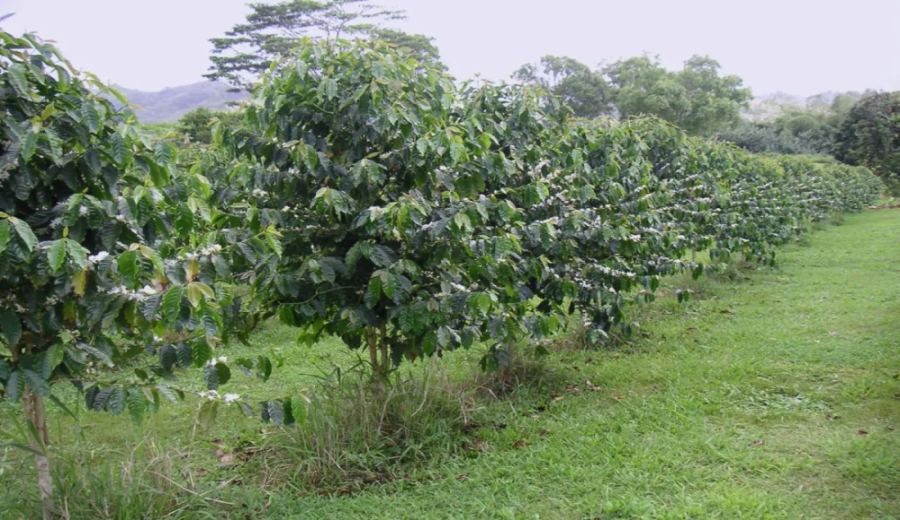
Introduction:Robusta coffee beans are often overlooked due to their bitter and harsh flavors, but they actually play a vital role in the coffee market. This article delves into the botanical characteristics, flavor profiles, caffeine content, international grading standards, and market price range of Robusta, while also exploring its practical applications in espresso blends and instant coffee. It further debunks the common misconception that “drinking Robusta can help with weight loss,” helping readers make smarter choices based on their needs.
Robusta and Arabica are recognized as the two main global coffee varieties. Originating from West Africa, Robusta thrives in low-altitude tropical regions, demonstrating strong resistance to high temperatures, humidity, and pests, with relatively easy cultivation management. As a result, it offers high yield per unit and lower farming costs. Although generally considered to have a coarser flavor, its bold and rich characteristics give it an irreplaceable position in certain market segments.
Many people assume all Robusta is unpleasant to drink, but in truth, when selected and paired wisely, high-quality Robusta can showcase delightful coffee flavors. These beans typically feature low acidity, a heavy body, and rich crema, making them especially suitable for espresso or Italian-style blends. Additionally, their caffeine content is about twice that of Arabica, enhancing their stimulating effect—though this also means those sensitive to caffeine should consume it in moderation.
In terms of flavor, Robusta commonly exhibits pronounced bitterness, woody notes, and nutty aromas. Some high-quality beans from premium growing regions can even present caramel, barley tea, or subtle chocolate-like aftertastes. However, due to its low acidity and stronger tannin sensation, many coffee enthusiasts opt to balance the taste with fresh milk or sugar. For those who prefer to drink pure Robusta, medium to dark roasting is recommended, as it further highlights its richness and reduces overly sharp bitterness.
Regarding Robusta grading systems, the international market generally evaluates beans based on size, defect rate, altitude, and processing methods. Common grading standards include Vietnam’s widely used “G1 to G5” (with G1 being the highest grade), while Indonesia and India often employ terms like “HB (Hard Bean)” and “SHB (Strictly Hard Bean)” to distinguish high-altitude premium beans. Generally speaking, the higher the grade of Robusta, the better its flavor purity and consistency, and the higher its price. Some specialty-grade Robusta can even enter the high-end market, challenging traditional stereotypes about the variety.
In terms of pricing, due to its high overall production volume and low cultivation cost, Robusta is generally cheaper than Arabica and is thus often used as the main base for instant coffee or commercial blends. However, this does not mean all Robusta is synonymous with low quality. In fact, many espresso blends deliberately incorporate small amounts of high-quality Robusta to enhance crema performance and richness. For example, some specialty coffee brands’ commercial blends often use Brazilian and Colombian Arabica as the base, then blend in less than 10% Vietnamese or Indonesian Robusta to boost body and aroma complexity.
Addressing a common myth: Can drinking Robusta really help with weight loss? From a scientific perspective, chlorogenic acids and caffeine in coffee can indeed temporarily boost metabolism and fat oxidation, but the actual weight loss effect is extremely limited, and most studies indicate that relying solely on coffee cannot achieve significant fat reduction. Truly effective weight loss strategies still rely on balanced diets and regular exercise, making it more practical to use Robusta-containing coffee as one of many auxiliary tools. Moreover, due to its higher caffeine content, excessive intake may negatively affect sleep quality and nervous system stability, so it’s recommended to keep daily caffeine intake under 400 milligrams.
Is Robusta only suitable for instant coffee? The answer is no. In recent years, with the rise of the specialty coffee trend, more roasters and baristas have begun to value Robusta’s post-harvest processing techniques and blending potential. In espresso or milk-based coffee, adding carefully selected Robusta in moderation can not only enhance the beverage’s richness and crema thickness but also add depth to its flavor profile. For instance, premium Robusta produced in high-altitude regions of Vietnam and Indonesia, when processed through washed or honey methods, can deliver surprising notes of nuts, caramel, and even delicate floral hints, completely overturning the public’s conventional impression of Robusta.
In summary, although Robusta coffee beans may not match Arabica in terms of aromatic delicacy or acidity, their bold richness, low acidity, and high caffeine content secure their place in commercial coffee, instant drinks, and certain espresso blends. By mastering the right selection criteria and brewing methods, high-quality Robusta can offer a surprisingly delightful coffee experience. For coffee lovers seeking a fuller body or aiming to improve crema performance, gaining a basic understanding of Robusta’s traits can undoubtedly broaden your coffee choices.
The above content is compiled by CoffeeHunters, a coffee news website.


