







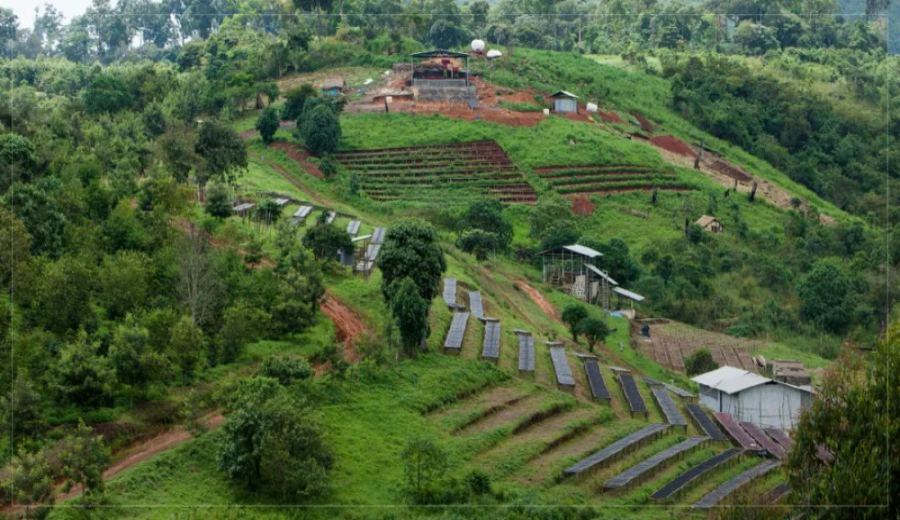
Introduction:Yirgacheffe is the most representative specialty coffee region in southern Ethiopia, renowned for its unique floral aromas and bright acidity. This article delves into the origin of the region’s name, its altitude conditions, the evolution of washed and natural processing methods, and provides detailed insights into the characteristics and pour over parameters of two classic flavor representatives: washed Yirgacheffe and natural Red Cherry. It helps coffee enthusiasts fully grasp the essence of this classic origin.
Yirgacheffe is a highly acclaimed specialty coffee region in southern Ethiopia, globally recognized for its delicate and enchanting white floral notes and refreshing acidity, especially its bright citrus and berry flavors, making it a top choice for many beginners exploring single-origin beans. This article will comprehensively break down the charm of Yirgacheffe—from its geographical background and naming origins, altitude conditions, the evolution of washed and natural processing techniques, to its actual flavor profile and pour over recommendations.
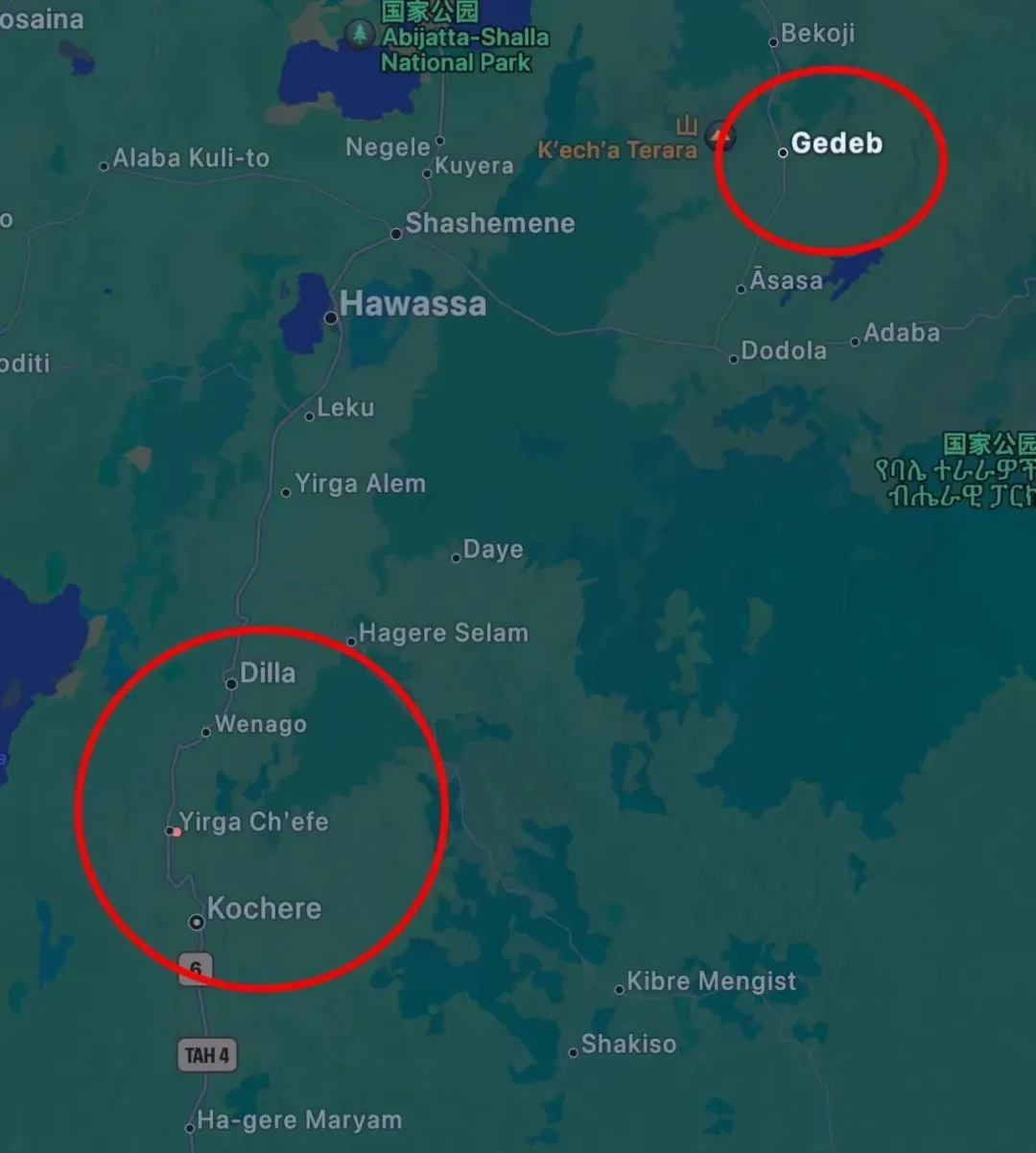
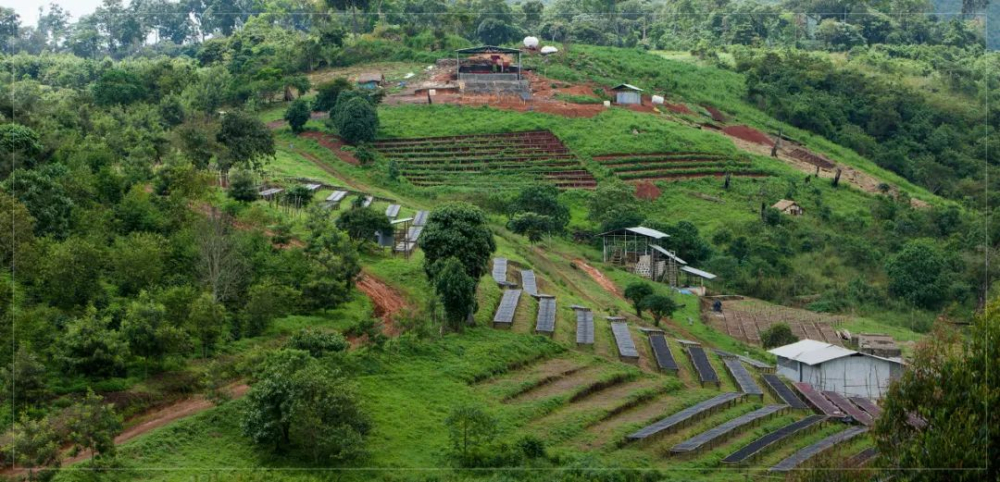 Located in southern Ethiopia, Yirgacheffe was once part of the Sidamo region. However, its coffee flavor characteristics were so distinct—particularly the clean floral aroma that almost became the region’s “trademark”—that the market gradually found it difficult to distinguish its coffee from that of neighboring regions. To clarify its origins, the official authorities eventually designated it as an independent region. In the local language, "Yirgacheffe" means "we have settled in this wet and fertile land," revealing that this area has been closely tied to farming and settled life since ancient times.
The altitude of the region is one of the key factors contributing to Yirgacheffe’s unique flavors. Coffee is generally grown between 1700 and 2200 meters above sea level, with some premium areas even exceeding 2000 meters, meeting the strict grade standards of SHG (Strictly High Grown) and SHB (Strictly Hard Bean). High altitude not only slows down the ripening process of coffee cherries, allowing the beans more time to accumulate sugars and flavor compounds, but the cooler environment also helps reduce the risk of pests and diseases, resulting in coffee beans with a balanced sweet and sour profile, distinct layers, and prominent aromas.
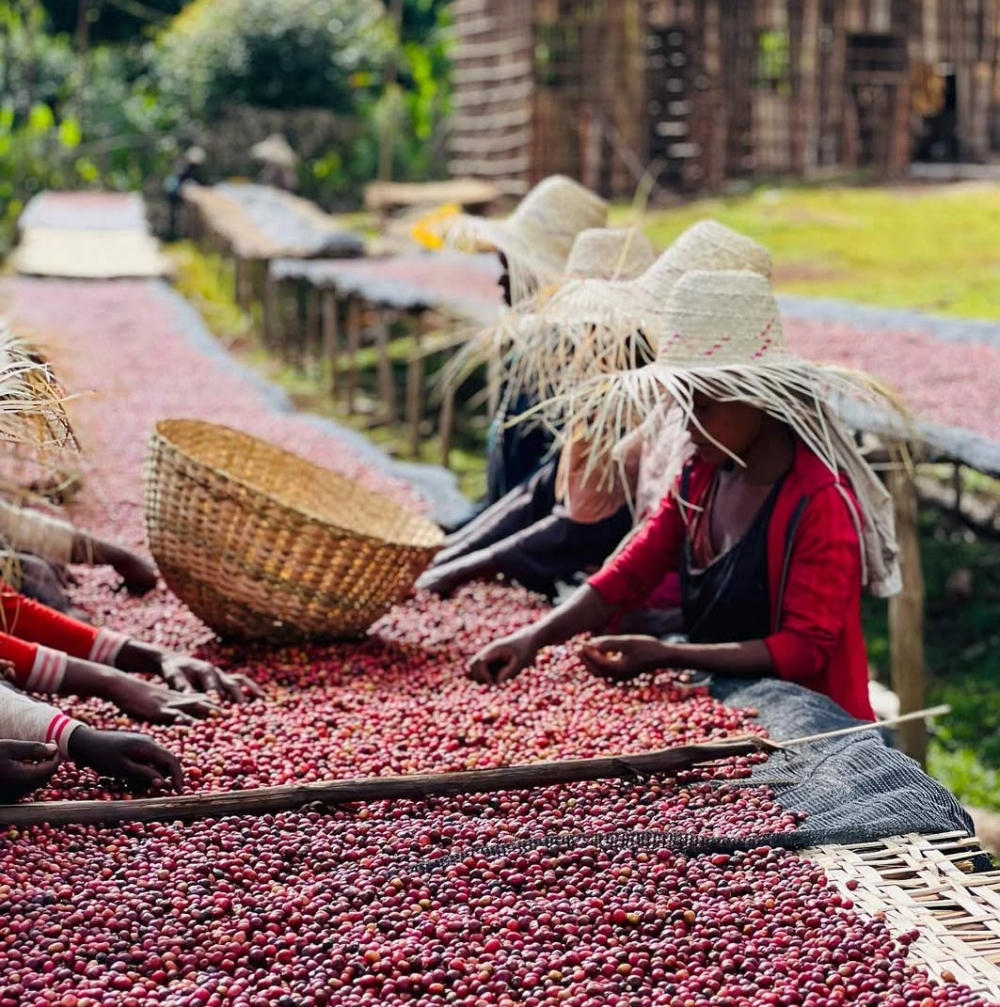
 In terms of processing methods, Yirgacheffe first introduced washed processing techniques from Central and South America in the 1970s. This method effectively removes the pulp and impurities, making the intrinsic flavors of the coffee clearer and purer. Washed Yirgacheffe often exhibits pronounced jasmine, lemon, and citrus aromas, with a clean taste, bright acidity, and no harshness—typical traits of high-altitude washed beans. However, traditional natural processing methods have regained attention in recent years. Since 2007, an increasing number of farms and cooperatives have opted for natural processing, bringing out richer fruitiness, honey sweetness, and a fuller body.
To better understand the actual flavor profiles of Yirgacheffe, you may start with two representative beans: one is a classic washed, lightly roasted version ideal for beginners to experience Yirgacheffe’s fresh and authentic character; the other is a natural-processed version with a red cherry theme, which highlights intense fruitiness and sweet, creamy textures. The former commonly features flavors such as jasmine, berries, lemon, and citrus, with an overall refreshing balance of sweet and sour; the latter presents honey-like sweetness, a silky smooth mouthfeel akin to cream, and a noticeable juiciness, with even subtle jasmine undertones detectable during the warmth phase.
Since both of these coffees are light to medium roasts, the release of flavor compounds is relatively slow. Therefore, it is recommended to use a higher water temperature (around 93°C) and a slightly finer grind (approximately 80% extraction rate through a 20-mesh sieve according to Chinese standards) during pour over brewing to fully extract the delicate floral and fruity notes and clear acidity. At the same time, to avoid over-extraction, it is advisable to choose a dripper with good flow control, such as the Hario V60, to more steadily manage the extraction pace.
 In practice, many baristas adopt the classic three-pour method: the first pour involves adding about 30 grams of hot water for blooming, lasting around 30 seconds to help the coffee grounds fully expand and release aromas; next, slowly circle with a thin stream of water up to 125 grams; the final pour continues with a small stream until reaching 225 grams, stopping when the water level in the dripper drops close to the coffee bed. The total extraction time is controlled to around 2 minutes. This technique helps enhance the layered expression of the coffee, allowing each sip to reveal evolving flavors.
In summary, Yirgacheffe has become a classic in the specialty coffee world not only because of its distinctive flavors, but also due to the altitude, processing techniques, and cultural significance it represents. Whether you are a beginner just beginning to explore single-origin coffee or an experienced enthusiast, gaining a deeper understanding of the various aspects of Yirgacheffe can add more layers and enjoyment to your coffee tasting journey.
The above content is compiled by CoffeeHunters, a coffee news website.


