







Introduction:Decaf coffee is an ideal choice for coffee lovers who want to reduce their caffeine intake. This article provides a detailed breakdown of the four mainstream decaffeination processes, including the unique advantages of the Swiss Water Process, and focuses on a practical case from Colombia’s Huila region to explore its flavor profile and roasting characteristics. It also offers practical pour over parameters and extraction tips to help you better appreciate the delicate flavors of decaf coffee.
For many coffee enthusiasts, the allure of coffee is irreplaceable. However, for those who are sensitive to caffeine or wish to control their intake, balancing taste and health can be a challenge. The emergence of decaf coffee provides a win-win solution for this group. This article will delve into the various decaffeination methods and flavor characteristics of decaf coffee, with a special focus on Swiss Water Process decaf from Colombia’s Huila region. From origin background and roasting adjustments to practical pour over parameters, we’ll comprehensively dissect its appeal.
First, we need to clarify what decaf coffee is. Generally speaking, the caffeine content in coffee beans is calculated by weight percentage, where Arabica varieties typically range from 0.9% to 1.4% (with an average of about 1.2%), while Robusta varieties are higher, ranging from 1.8% to 4%, averaging around 2.2%. Decaf coffee can be mainly divided into two categories: naturally low-caffeine and artificially decaffeinated. For example, Coffea Laurina (Laurina coffee) is a representative of naturally low-caffeine coffee, with caffeine content of only about 0.6% — roughly half that of regular Arabica — determined by genetics rather than post-harvest processing. As for commonly available decaf coffee on the market, EU standards require that no more than 0.1 grams of caffeine per 100 grams of green beans, while U.S. FDA regulations mandate the removal of over 97% of the original caffeine content, meaning no more than 3% is retained.
Currently, there are four main decaffeination processes: direct solvent method, supercritical carbon dioxide method, Swiss Water Process, and mountain water process. Each method has its technical features and applicable scenarios, among which the Swiss Water Process, which does not use chemical agents yet retains good flavor, is gradually gaining market favor.
Let’s first look at the 【direct solvent process】, one of the most traditional and common methods. Its principle is to use chemical solvents such as methylene chloride or ethyl acetate to dissolve the caffeine out of the coffee beans. In practice, steam is first used to open the pores of the beans, then the solvent is directly applied to the green beans. After the caffeine binds with the solvent, the caffeine-laden solvent is washed away, and any residual solvent is removed by reheating. Although methylene chloride may pose health risks with prolonged exposure, according to FDA regulations, the residue in decaf coffee is extremely low, with negligible actual impact. Additionally, if ethyl acetate is used as the solvent — often derived from sugarcane, hence also called the sugarcane decaf method — it is more common in places like Colombia, but ethyl acetate is flammable, so safety precautions are especially important during operation.
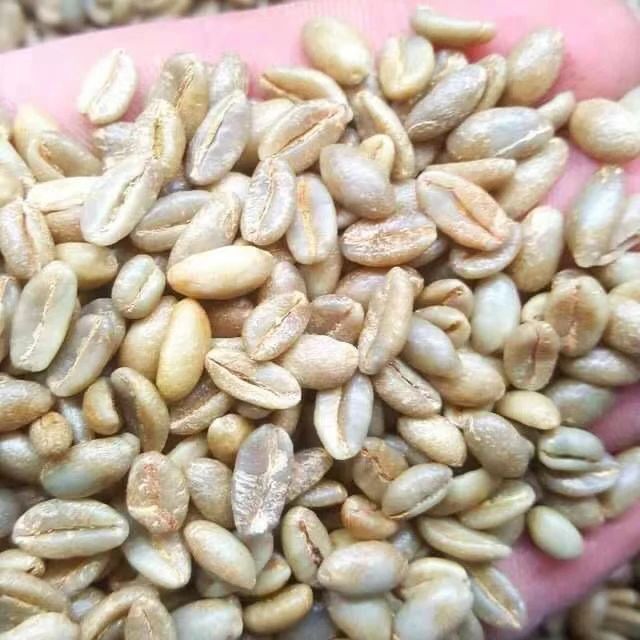
As for the 【supercritical carbon dioxide process】, it is a highly scientific method. This technique first involves soaking the beans to make them absorb water and expand, making caffeine molecules easier to release. Then, under high pressure (exceeding 100 atmospheres), liquid carbon dioxide is introduced. Because carbon dioxide is highly selective for caffeine, it can precisely extract caffeine without affecting other flavor components, such as sugars and proteins. The processed carbon dioxide can also be recycled, reducing environmental impact. This method has high extraction efficiency and is more body-friendly, but the equipment and operational costs are relatively higher.
Next is the highlight of this article — the 【Swiss Water Process】, a completely chemical-free decaffeination technique. It was first developed by the Swiss company Coffex in the late 1970s and is now patented by SWISS WATER. This process begins by soaking a batch of green coffee beans in hot water, which extracts both caffeine and other flavor compounds. These beans are then discarded, leaving behind a liquid rich in various flavor elements. Next, this liquid is passed through activated carbon filters to remove the caffeine, leaving behind “flavor-charged water” — still containing sugars, acids, and other components but now caffeine-free. A new batch of green beans is then soaked in this decaffeinated water, which allows only the caffeine to be extracted without affecting the other flavor elements, achieving the dual effect of effective decaffeination while preserving flavor. According to data, this method can remove up to 99.9% of caffeine, making it one of the purest decaffeination methods on the market.
Another process similar to the Swiss Water Process is the 【mountain water process】, developed by Mexico’s Descamex company. This method utilizes glacial water with special properties and employs specially designed filters to selectively remove caffeine without affecting other water-soluble flavor components. The treated solution can also be reused, offering both environmental friendliness and efficiency, though this method is currently more limited in application.
In terms of actual products, a brand’s Colombian Huila Swiss Water Process decaf coffee is a classic example. Sourced from the Huila region at an altitude of 1750 meters, the variety is Typica. Using the Swiss Water Process, its flavor profile showcases pronounced notes of berries, citrus, cocoa, and nuts, with clear and layered taste characteristics.
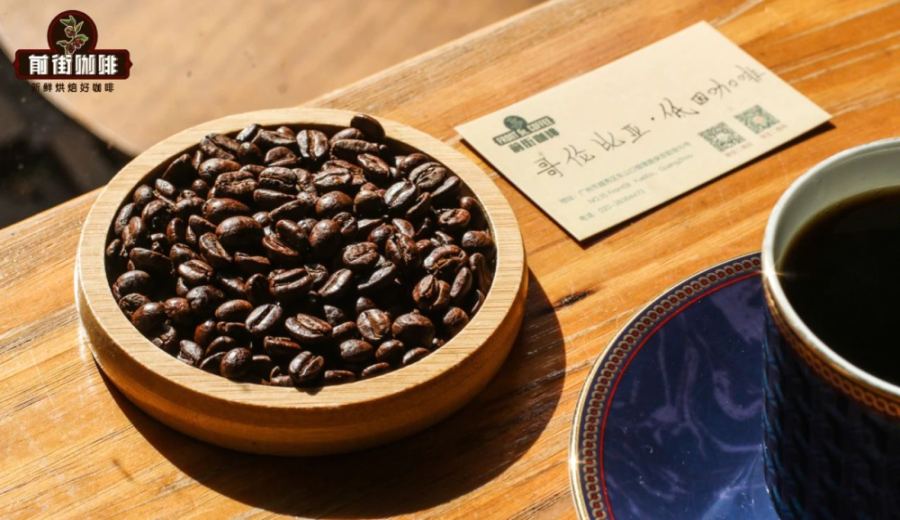
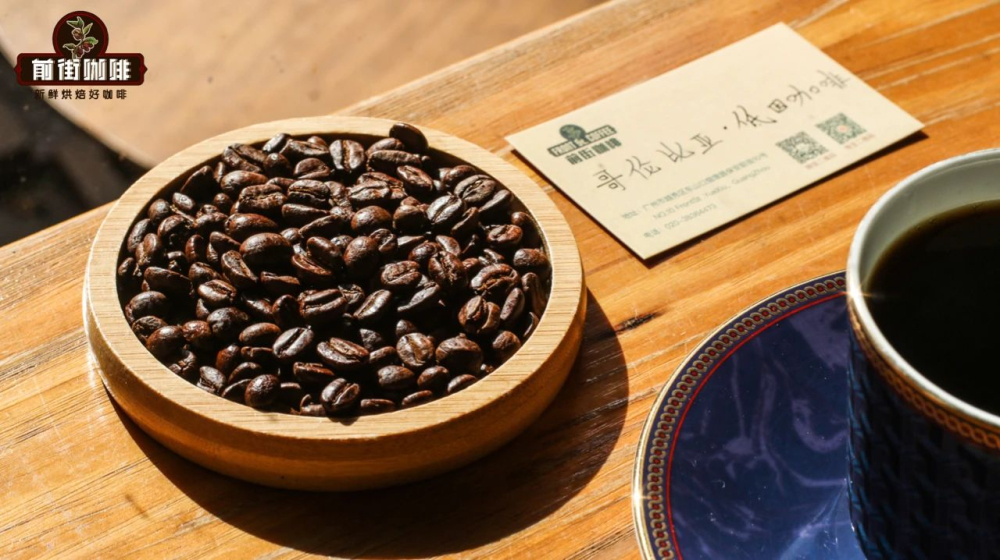
In terms of roasting, this brand adopts a medium roast strategy for this decaf coffee. Compared to the same region’s Huila washed beans, it has a slightly shorter development time (2 minutes 30 seconds vs. 3 minutes 40 seconds) and a slightly lower roasting temperature (196°C vs. 202°C). Therefore, the overall bean color is darker brown with a glossy surface, contrasting with conventional washed beans. This difference may stem from the impact of hot water on the bean’s fiber structure during the decaffeination process, resulting in more noticeable oil release and a shinier surface during medium-dark roasting.
In brewing recommendations, since the fiber and water absorption characteristics of decaf beans differ from regular beans, the following parameters are suggested for optimal extraction: 15 grams of coffee, a 1:15 coffee-to-water ratio, water temperature around 88°C, using a coarse grind (approximately 62% passing through a standard #20 sieve), paired with a Kono filter. The specific steps are as follows:
1. Place the coffee grounds into the filter, then pour 30 milliliters of water (about twice the coffee weight) for a 30-second bloom;
2. Next, pour 150 milliliters of hot water in a circular motion, gently lifting the coffee bed to encourage the formation of a golden crust;
3. Finally, pour another 45 milliliters of water. Once the coffee has fully drained, remove the filter. Keep the total brew time around 2 minutes and 10 seconds.
Through the above adjustments, the berry acidity, bright citrus notes, and the cocoa-nutty finish of this decaf coffee can be more fully presented. Even with reduced caffeine, you can enjoy a full-flavored pour over experience.
The above content is compiled by CoffeeHunters, a coffee news website.


