







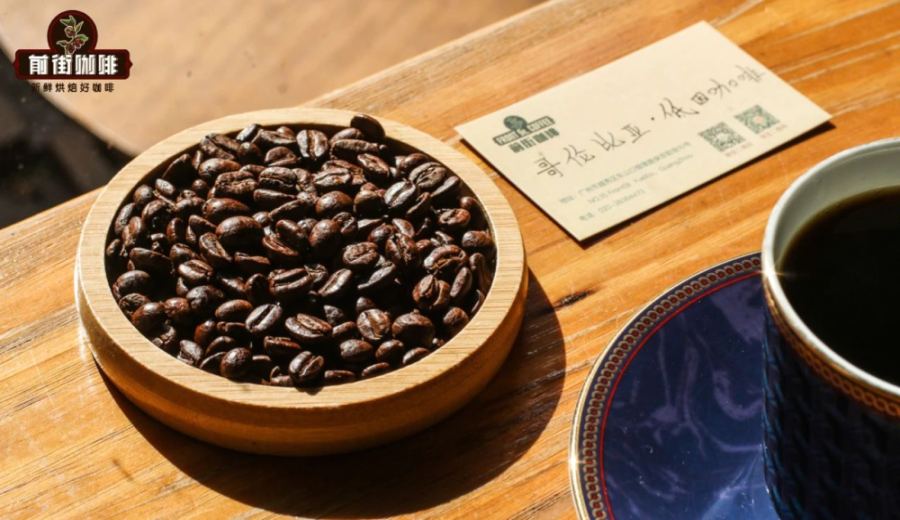
Introduction:Are you worried that drinking coffee might affect your sleep? Decaf coffee offers a solution—but did you know it’s not actually “100% caffeine-free”? This article starts with a historical anecdote, explains the decaffeination principles of decaf coffee and its three mainstream processes: solvent-based methods, supercritical carbon dioxide, and Swiss Water Process—detailing their characteristics, pros, and cons. It also explores key factors affecting flavor. Finally, we introduce a decaf bean from Colombia’s Huila region, complete with a full pour over setup and three-stage pouring technique to help you brew a balanced cup of decaf.
Love coffee but worried caffeine keeps you up at night? Decaf coffee is tailor-made for you. It retains the aroma and taste of coffee while significantly reducing caffeine content, allowing you to enjoy coffee without sacrificing sleep quality. This article begins with a literary anecdote to explore the origins and development of decaf coffee, provides an in-depth analysis of common decaffeination processes, and teaches you how to select decaf beans with excellent flavor profiles—and how to fully unlock their potential using the right pour over settings.
The Origins of Decaf Coffee: From Literary Giants to Industrial Breakthroughs
Legend has it that the great German poet Goethe, though enamored with the richness of coffee, often struggled to sleep due to its caffeine content. Troubled by this, he sought answers and enlisted his friend—chemist Runge—to help identify the culprit keeping him awake. Around 1820, Runge reportedly identified caffeine as the compound responsible for keeping us alert and began exploring ways to extract it from coffee beans, earning him recognition as a pioneer of decaf coffee.
However, due to the limitations of extraction technology at the time, this discovery could not yet be applied on a large scale. It wasn’t until 1903 that German coffee importer Ludwig Roselius made a breakthrough: he noticed that coffee beans soaked in seawater had noticeably reduced caffeine levels. He then assembled a team dedicated to developing commercial decaffeination technology, ushering in the era of mass-produced decaf coffee.
What Is Decaf Coffee? Decaffeination Standards and the Truth
The term “decaf coffee,” short for decaffeinated coffee, refers to coffee with significantly reduced caffeine content. According to international standards, decaf coffee must have at least97% of its caffeine removed. This means a shot of decaf espresso may still contain 0 to 7 milligramsof caffeine, but that’s far less than the typical 80–100 milligrams found in regular coffee—unlikely to cause a significant stimulant effect for most people.
It’s worth noting that decaf coffee is not vastly different from regular coffee in terms of nutritional composition; the main differences lie in aroma and flavor. Because the decaffeination process often involves washing, heating, or solvent treatment, some of the original flavor compounds may be lost. However, this also results in a generally milder flavor profile, which may be more palatable for those who dislike strong bitterness or acidity.
An Overview of Common Decaffeination Processes
Today’s mainstream decaffeination methods fall into three categories: direct or indirect solvent methods, supercritical carbon dioxide, and the Swiss Water Process—each with its own principles and characteristics.
[Direct/Indirect Solvent Method]
These methods use chemical solvents (such as methylene chloride or ethyl acetate) to extract caffeine from coffee beans. A common approach involves steaming the green beans to open their pores, then applying the solvent to dissolve the caffeine, followed by solvent removal. Although methylene chloride has raised health concerns in the past, research and regulations confirm that residual amounts are extremely low and pose negligible risk to human health. Ethyl acetate, derived from sugarcane, is sometimes referred to as the “sugarcane decaf method” and is more commonly used in regions like Colombia—but it is flammable and requires careful handling.
[Supercritical Carbon Dioxide Method]
This is a high-tech decaffeination method that uses carbon dioxide under high pressure (over 100 atmospheres) as a solvent. First, the beans are moistened to expand them, activating the caffeine molecules. Then, liquid carbon dioxide is introduced, which selectively captures caffeine while leaving other flavor components like sugars and proteins untouched. The CO₂ can be recycled after processing, making this method not only efficient but also relatively low-impact on human health. However, it comes with higher costs and is typically used in premium or specialty markets.
[Swiss Water Process]
Developed by the Swiss company Coffex in the late 1970s and now a patented technology of SWISS WATER, this method avoids chemical solvents and instead removes caffeine through physical processes like soaking and activated carbon filtration. Green beans are first soaked in hot water to release both caffeine and flavor compounds, then treated with activated carbon to filter out caffeine. The flavor-rich water is subsequently reused to process new beans, balancing decaffeination with flavor retention. While this method achieves a caffeine removal rate of 99.9%, there may still be slight loss of flavor compounds, making it a top choice for consumers seeking “chemical-free” options.
How to Choose a Tasty Cup of Decaf Coffee?
Many people assume decaf coffee doesn’t taste good, but the issue often isn’t the process itself—it’s the choice of beans. If lower-quality commercial beans are used, even the best decaffeination method won’t yield an appealing flavor. Moreover, the washing and high-temperature treatments during decaffeination can easily alter the beans’ inherent traits. That’s why roasters typically select bean varieties that are resilient to processing and rich in flavor complexity to ensure the final cup still delivers satisfying taste.
Pour Over Guide: Colombian Huila Decaf Beans
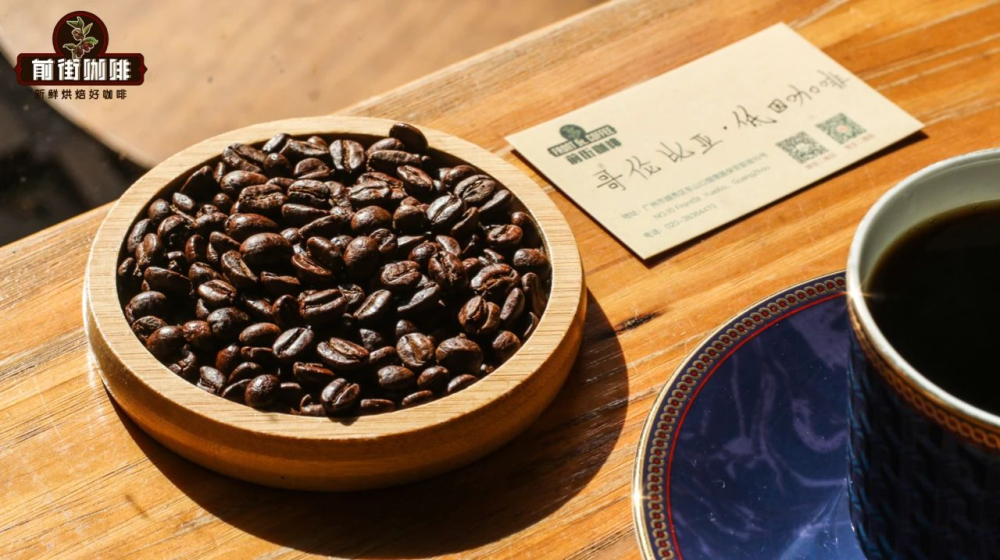
Here’s a decaf coffee bean from Colombia’s Huila region, featuring a washed process profile and well-suited to those who enjoy nutty and chocolatey notes. Since its fiber structure changes slightly during decaffeination, we recommend using the following parameters for pour over to achieve optimal extraction.
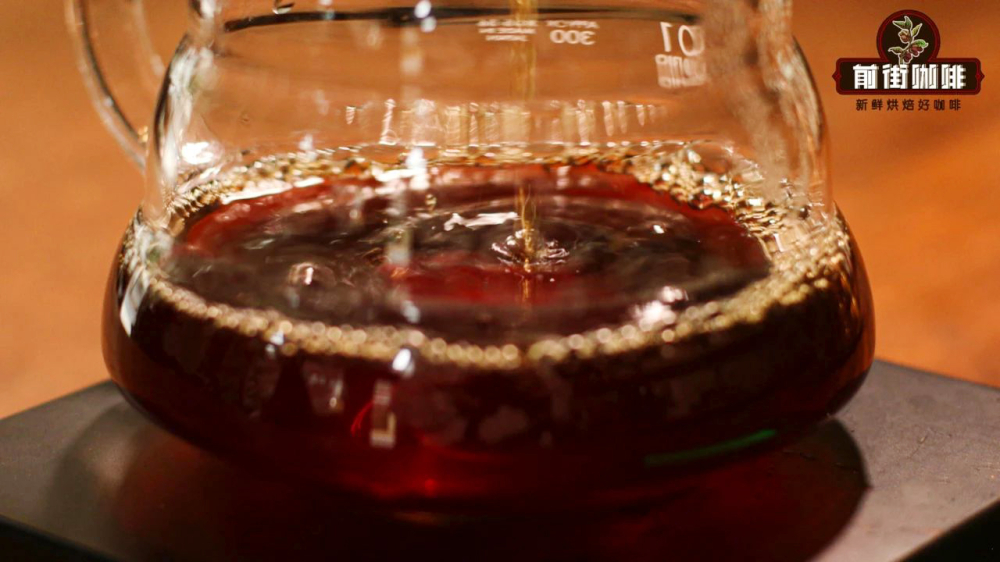
- Bloom Stage:After placing the coffee grounds in the filter, pour about 30ml of hot water (approximately twice the weight of the coffee)and let it bloom for 30 secondsto awaken the aromas.
- Second Pour:Gently pour 150ml of hot waterin a circular motion to raise the coffee bed and encourage a golden layer of crema to form on the surface.
- Final Pour:Once the water level drops slightly, add the remaining 45ml volume of hot water, then let the coffee drip through. Aim for a total brew time of around2 minutes and 10 seconds
. This coffee showcases the classic washed Colombian flavor profile—with pronounced nuttiness and dark chocolate notes. It offers a gentle citrus acidity on the palate, and finishes with a rich creamy-chocolate aftertaste. Despite being decaffeinated, it retains complex layers and a smooth, lingering finish.
The above content is compiled by CoffeeHunters, a coffee news website.


