







Introduction:Although Tanzania is not as well-known as its neighbor Kenya, its coffee production and quality are both of international standard, particularly renowned for its Arabica beans grown at high altitudes. This article delves into the geographical characteristics, main cultivars, processing methods of Tanzania’s key coffee regions such as Kilimanjaro and Ruvuma, as well as how altitude and microclimate shape the unique acidity-sweetness balance and aroma profiles of each area. It also offers practical roasting and pour over recommendations to help you more fully appreciate this East African fine coffee gem.
As an important coffee-producing country in East Africa, Tanzania’s coffee cultivation history can be traced back to the late 19th century, even earlier than that of neighboring Kenya. Historical records indicate that the earliest Arabica seeds were introduced from Réunion Island (a French territory), and in 1893, the Bourbon variety was successfully planted at the foothills of Mount Kilimanjaro, demonstrating exceptional adaptability. Later in the 1950s, more varieties were introduced from Burundi, gradually laying the diverse foundation of Tanzanian coffee today. The country produces approximately 50,000 metric tons of coffee annually, on par with Kenya, with about 75% coming from mountainous regions above 1,200 meters in altitude, contributing to its distinctive flavor profile.
Compared to Kenyan coffee, Tanzanian beans generally exhibit a more restrained acidity—less sharp and bright than Kenyan beans—but with a more prominent sweetness and often carry deep, wine-like aromas. These flavor traits are closely related to the diversity of its producing regions, especially the two core areas in the north (Kilimanjaro) and south (Ruvuma), each showcasing distinct cup characteristics.
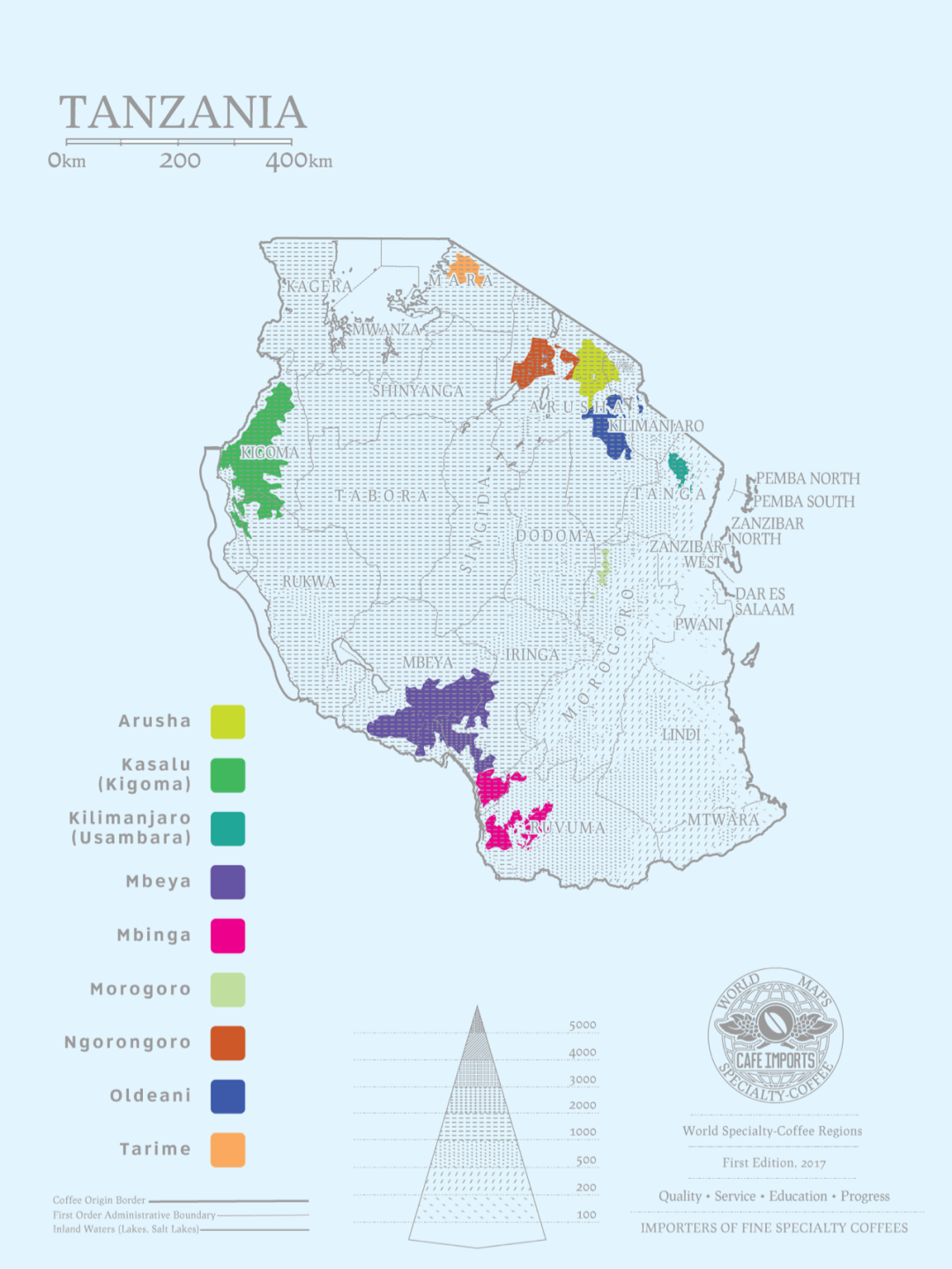
The Kilimanjaro mountain region is Tanzania’s largest and most prestigious coffee-producing area, home not only to Africa’s highest peak but also the heartland of the country’s coffee cultivation, accounting for over 70% of national output. Most of the coffee here is grown by smallholders at elevations between 1,300 and 2,000 meters. The soil is rich, predominantly volcanic, which imparts abundant mineral flavors and a full-bodied mouthfeel to the coffee. Post-harvest, the beans are mostly processed using the washed method, emphasizing cleanliness and bright fruity acidity layers. The coffee from this region is often described as having a vibrancy similar to Kenyan beans, but with softer acidity, delicate floral notes, and citrus tones, making it ideal for coffee lovers who prefer balanced flavors.
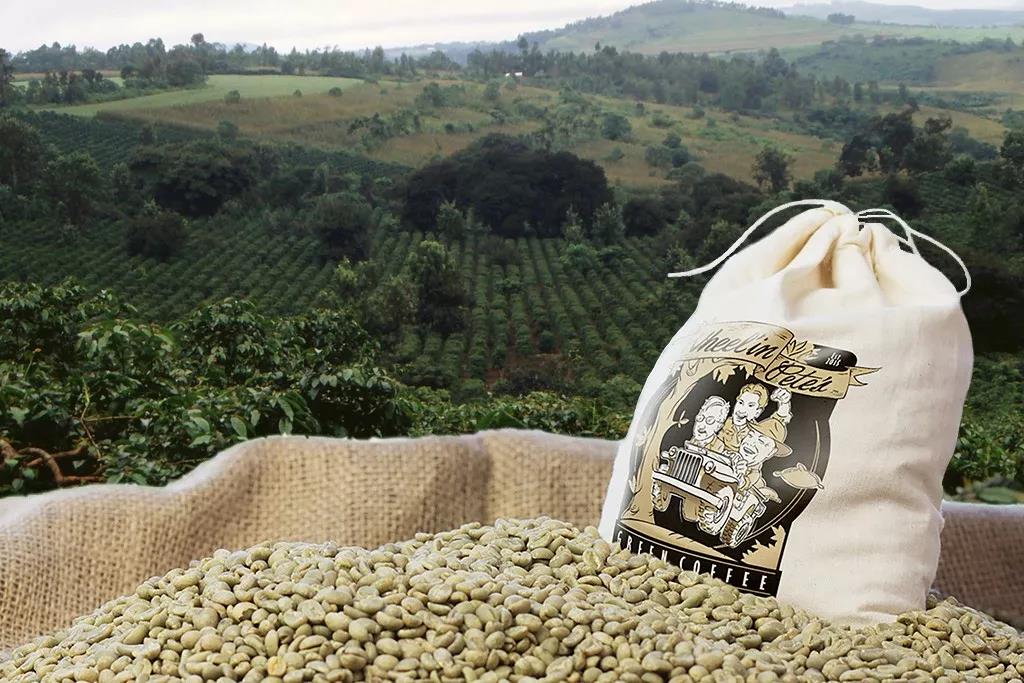
The southern Ruvuma region is named after the Ruvuma River, which flows through the Songea area. Coffee here is mainly grown at altitudes between 1,200 and 2,100 meters. The terrain and microclimate differ markedly from those in the north, resulting in coffee that often exudes unique floral and fruity aromas, along with gentle wine-like notes, featuring a smoother and more rounded flavor profile. Compared to northern beans, Ruvuma-produced coffee has more subdued acidity, but excels in sweetness and fruit flesh texture, suiting drinkers who enjoy mellow and full-bodied flavors.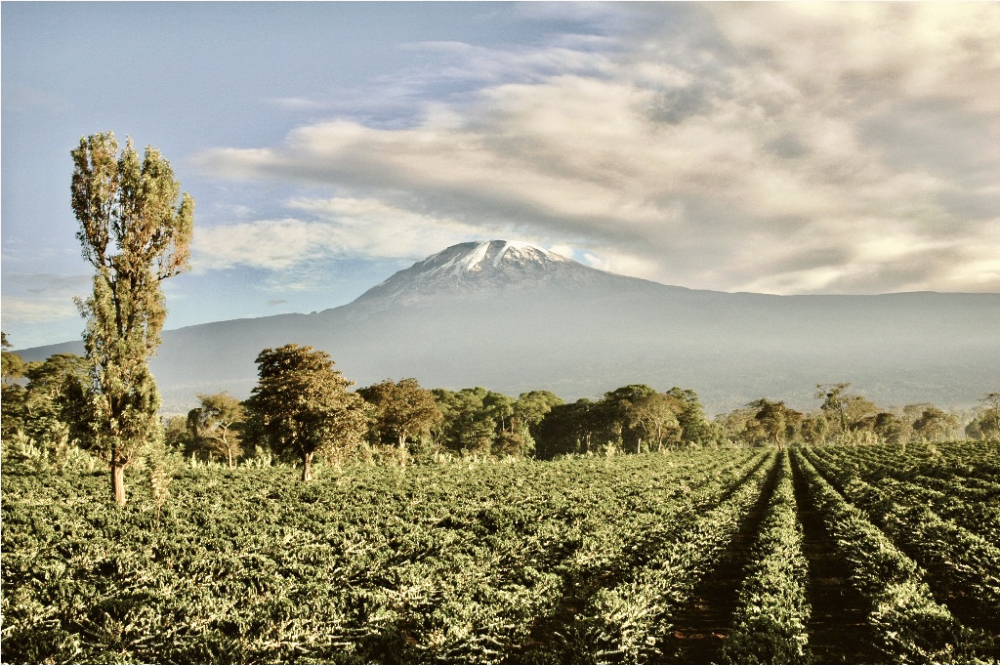
Notably, Tanzanian coffee beans are not packaged in the commonly seen jute sacks, but instead use coarse sacks made from agave fibers. This special practice originates from government policies aimed at protecting the local sisal industry, and thus has become one of the unique identifiers of Tanzanian coffee.
In terms of varieties, the most widely planted in Tanzania are Bourbon and Typica. Bourbon is favored for its high sweetness and rich fruitiness, while Typica is commonly grown at high altitudes, known for its balanced acidity-sweetness and full body. Additionally, Tanzania also produces a certain proportion of peaberry beans (also called caracoli). Peaberries usually form due to uneven pollination or nutrient distribution, resulting in a single rounded seed within a coffee cherry, rather than the typical two flat-sided beans. Because of their rarity (about 3% to 5%), peaberries are often hand-sorted and sold at a higher grade, and are generally believed to have a more concentrated flavor expression.
In Tanzania’s official green coffee grading system, the highest grade is AAA, representing the largest size and lowest defect rate. The market also commonly sees labels such as AA Top and AB Plus—these are typically products further selected by private traders from the official AA or AB grades, and are relatively more refined in quality. Regarding processing methods, washed processing is the mainstream. Harvested coffee cherries undergo strict selection to remove unripe or overripe fruits, then go through pulping, fermentation (usually 12 to 24 hours), washing, soaking, and sun drying, ensuring clean and layered coffee flavors.
In terms of roasting and brewing recommendations, Tanzanian coffee—with its moderate body and pronounced fruity foundation—is well-suited to medium-light roasting to highlight its acidity-sweetness balance and aromatic intensity. Taking the Kilimanjaro region as an example, it is recommended to start roasting at 170°C with an initial flame power of 130, and air damper set to 3. Once the bean surface turns yellow and grassy notes fade, gradually adjust the air damper and flame. Continue until the first crack begins (around 10’16”), then let it develop for one minute and forty-five seconds, finally dropping the beans at 193°C, which can fully bring out the subtle interplay between its sweet aroma and acidity.
For pour over brewing suggestions, use 15 grams of coffee grounds with 225 ml of water, a 1:15 brew ratio, and a grind size of about 80% passing through a #20 sieve. Water temperature should be controlled around 90°C. Begin with a 30-second bloom using 30 grams of water, then pour in a circular motion with a slow stream until reaching 125 grams for the first pour. Wait for the water level to drop, then continue pouring to 225 grams to finish. The total extraction time is approximately 2 minutes. These parameters help balance acidity and body, highlighting Tanzanian coffee’s distinctive fruitiness, wine-like texture, and soft aftertaste.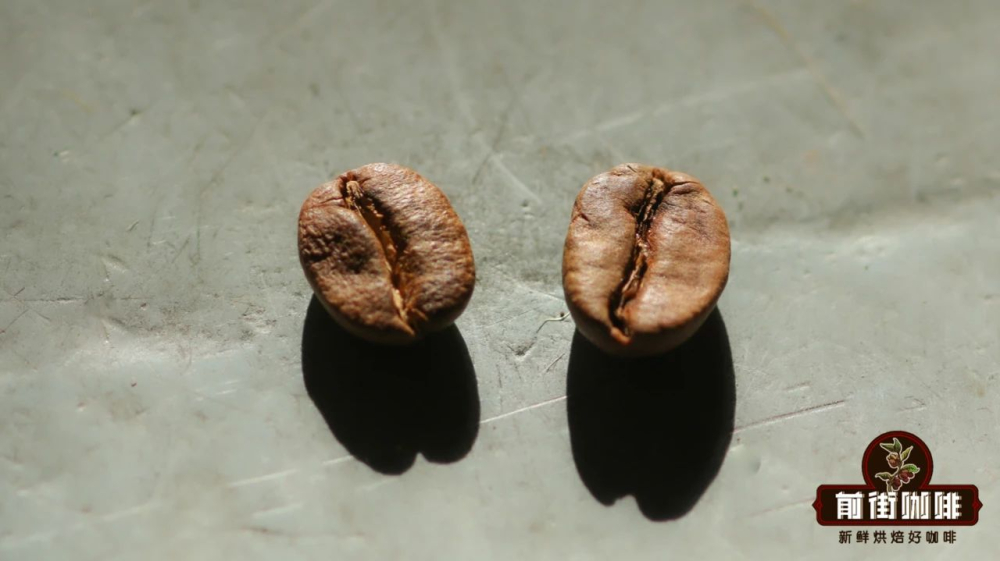
The above content is compiled by CoffeeHunters, a coffee news website.


