







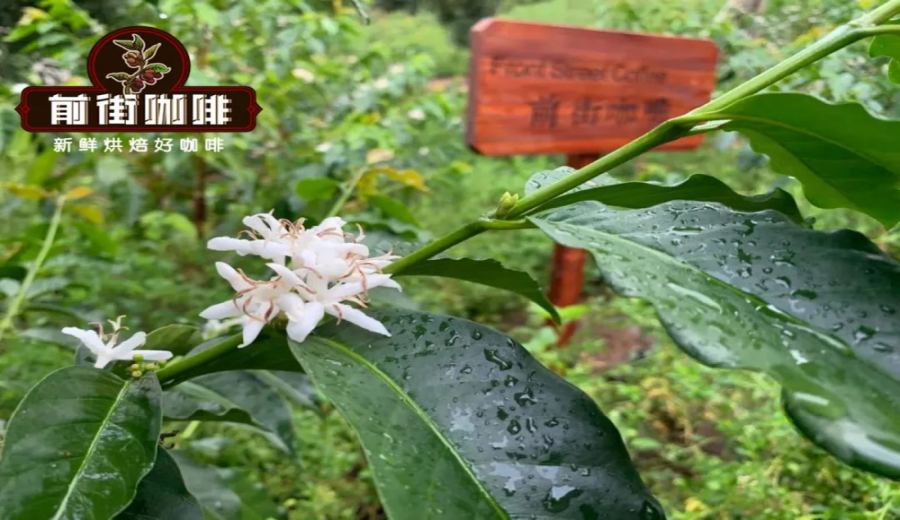
Introduction:This article delves into Catimor, the primary cultivated variety of Yunnan small-grain coffee, exploring its historical background, genetic composition, flavor profiles across different growing regions, and analyzing the impact of washed and natural processing methods on coffee flavor. It also presents tasting experiences of a washed Catimor from a certain region and an "X Series 2013" Typica from another, along with detailed pour over parameters to help coffee enthusiasts better understand the potential and unique characteristics of Yunnan coffee.
In recent years, with the rapid growth of the domestic specialty coffee trend, Yunnan coffee has developed quickly, and more and more chain brands have launched related products. However, many may not know that the main variety of Yunnan small-grain coffee is actually Catimor. From the first Arabica coffee trees planted by French missionaries in Binchuan County in 1904 to a certain brand promoting the disease-resistant and high-yield Catimor variety in Pu'er in the 1990s, the varietal evolution of Yunnan coffee has spanned over a century. This article will detail the origin of Yunnan small-grain coffee varieties, the genetic background of Catimor, common post-harvest processing techniques, as well as the actual effects of washed and natural processing on flavor. It also recommends two representative beans: a washed Catimor from a certain area and an Typica "X Series 2013" from another, paired with practical pour over parameters, to offer a deeper insight into the flavor profile and current state of Yunnan coffee.
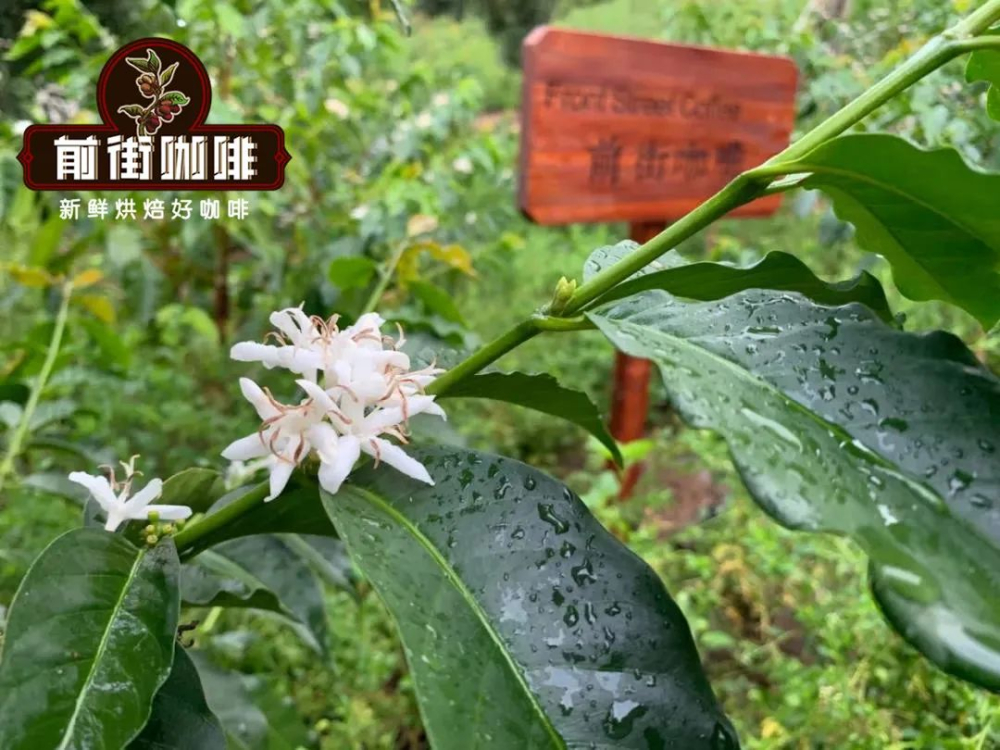 With the rise of specialty coffee culture, more and more consumers are beginning to pay attention to the potential of domestic coffee, among which the visibility and acceptance of Yunnan coffee have significantly increased. Whether online or offline, beans from the Yunnan growing region are becoming increasingly common, reflecting its gradually established market position.
Why is Yunnan small-grain coffee predominantly Catimor? Going back to 1904, a French missionary planted the first batch of Arabica coffee seeds in the valleys of Binchuan County, Yunnan, marking the beginning of coffee cultivation in the region. The "small-grain coffee" referred to by locals is Arabica, used to distinguish it from the medium-bean Robusta grown in places like Hainan. By the 1950s, to fulfill a coffee supply agreement with the Soviet Union, Yunnan massively expanded cultivation, primarily planting the Typica variety at the time. However, recurring leaf rust outbreaks over several decades caused severe losses, leading to the abandonment or conversion of many farmlands.
It wasn’t until the 1990s, with the surge in global coffee demand, that the international coffee brand Nestlé selected Pu’er in Yunnan—located within the coffee belt—to establish a factory and actively support the local coffee industry. In addition to providing technical assistance, Nestlé introduced the Catimor variety, which is highly resistant to disease and offers stable yields, while guaranteeing purchase at international futures prices, greatly increasing farmers' income and willingness to grow coffee. This policy not only enabled rapid expansion of Yunnan coffee but also cemented Catimor’s status as the foundational variety in the region.
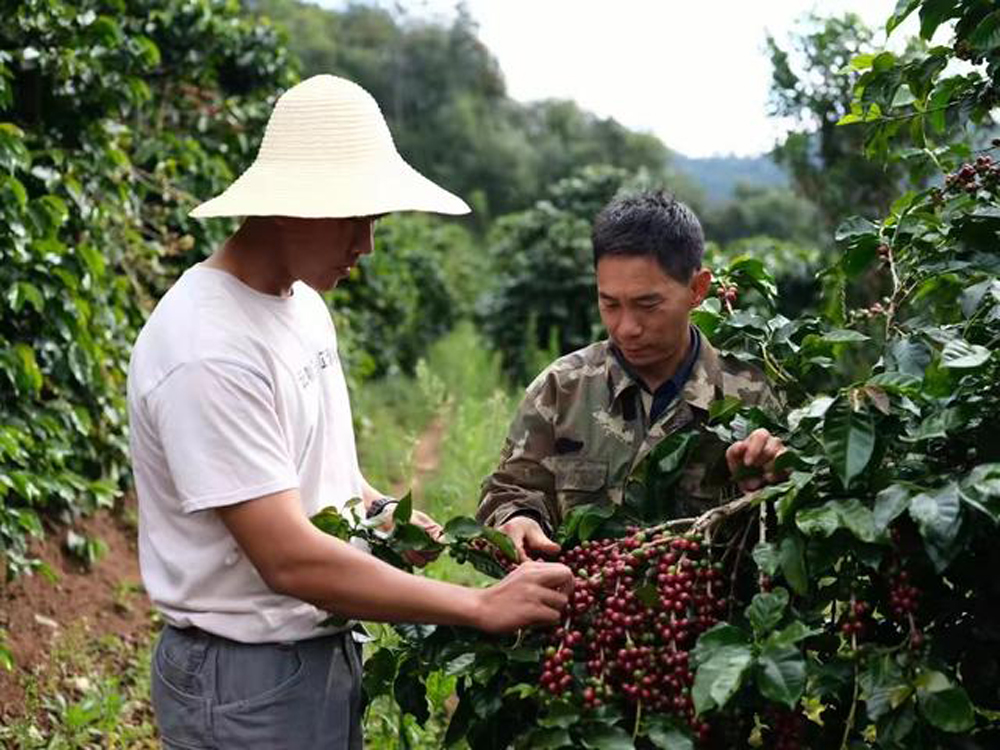 So, what exactly is Catimor? Although classified as Arabica, Catimor is actually a hybrid of Arabica and Robusta, containing approximately 25% Robusta genetics. This gives Catimor stronger disease resistance and higher yields, along with richer surface oils on the beans. However, due to the influence of Robusta genetics, its flavor often exhibits a distinct "off-note" or "devil’s tail," making it difficult to compete with pure Arabica varieties such as Caturra or Bourbon in cupping. If Yunnan aims to improve overall quality, varietal upgrading is imperative. In recent years, new varieties such as Geisha have begun trial planting. But it's important to note that varietal replacement is not an overnight process—it typically takes 3 to 4 years to flower and bear fruit, another 4 to 5 years to reach stable yield, plus an environmental adaptation period of about 2 to 3 generations, potentially spanning 15 to 20 years in total.
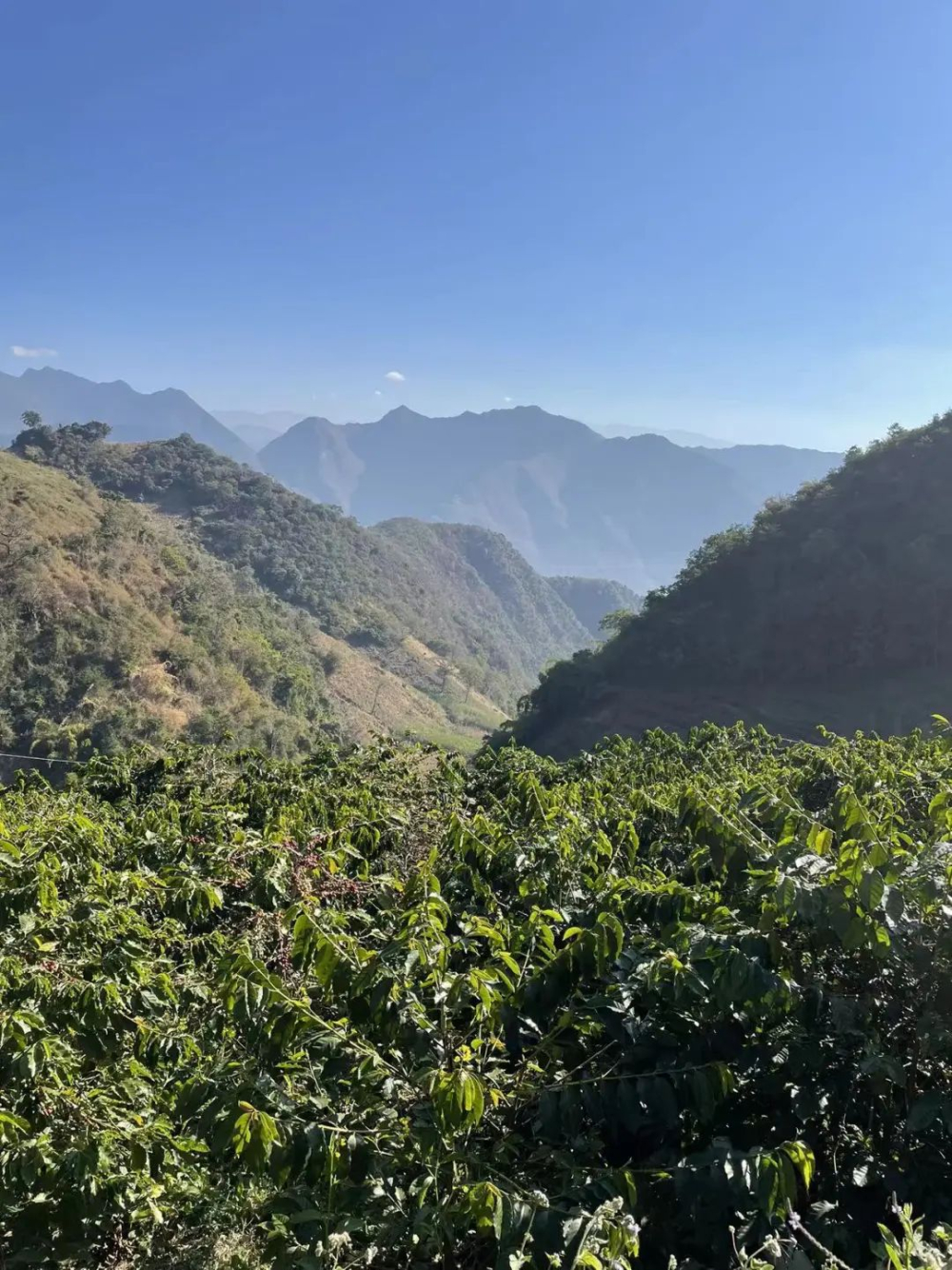
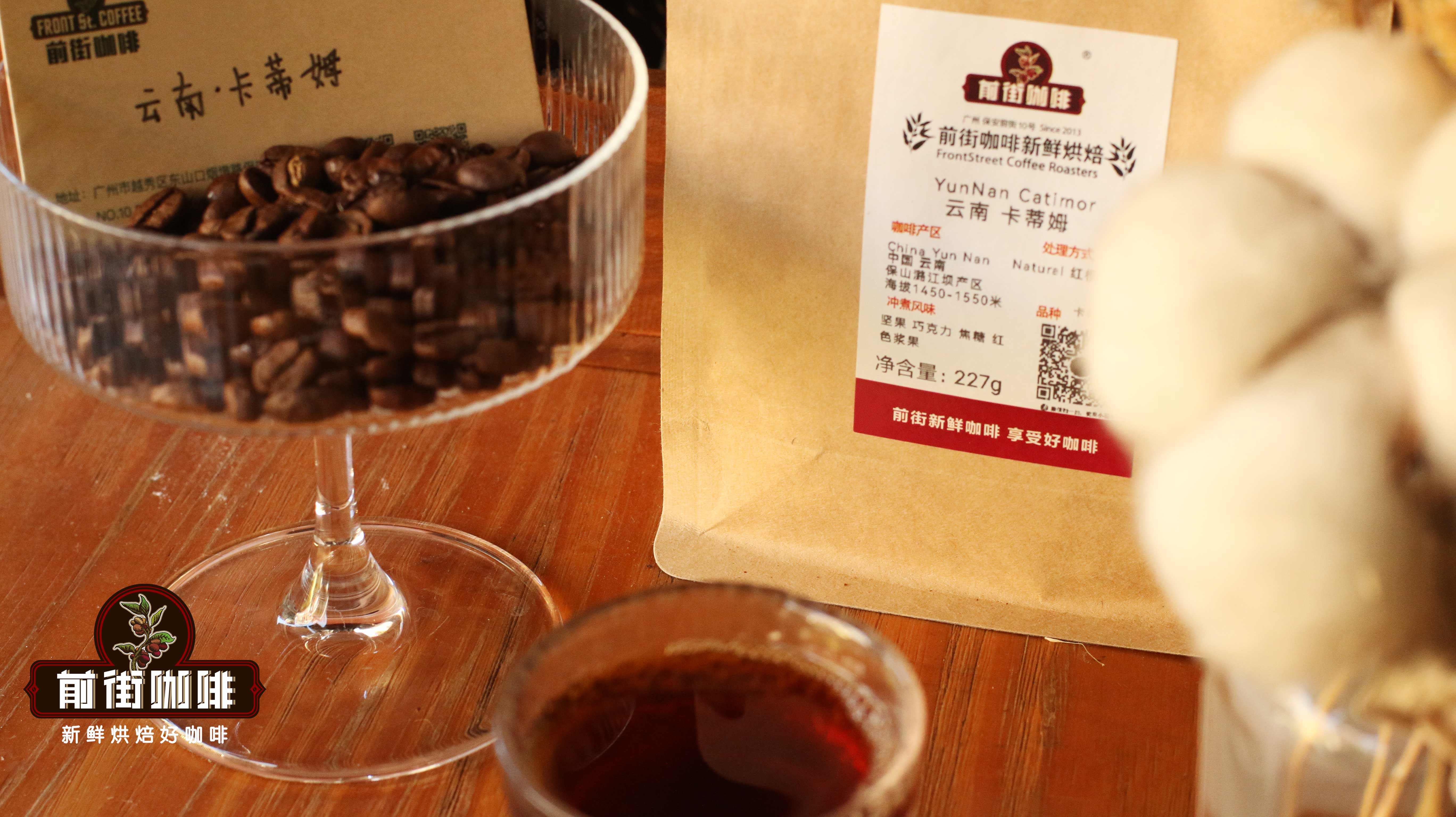
Some industry insiders believe that to understand Yunnan coffee, one must first grasp the unique flavors bestowed by different growing regions. Take Baoshan, for example: some shops opt to use locally grown washed Catimor, offering it in 100g small packages for consumers to try. This bean exhibits a balanced profile of nuts, brown sugar, and plum, making it a suitable entry point for experiencing the "flavor of Yunnan." Additionally, Yunnan certainly grows other varieties, such as an ancient Typica cultivated by some shops in Lincang in 2013, which after years of nurturing was first harvested in 2020 and processed using the natural method, named the "X Series 2013."
In terms of processing methods, the journey from coffee cherry to the final brewed cup involves steps such as harvesting, post-harvest processing, grading, roasting, and extraction. Among these, the processing method has a particularly critical impact on flavor. Currently, some producers may use special flavor-enhancing processing to mask defects, which might temporarily boost aroma and market price, but fails to authentically represent the essence of Yunnan coffee and can even mislead consumers. In reality, most Yunnan coffee farmers, limited by equipment and technology, mainly still adopt traditional and natural processing methods—washed and natural.
Washed processing involves mechanically removing the skin and pulp of the coffee cherry, then placing the mucilage-covered seeds into fermentation tanks where microbes break down the mucilage layer. After thorough washing with clean water, the beans are dried in the sun for 1 to 2 weeks. This method effectively reduces defect rates, enhances bean cleanliness and flavor stability, and allows the coffee to express more pure regional characteristics. For this reason, some shops prioritize washed lots when promoting their "flagship everyday drinking" beans representing Yunnan.
So, what does Yunnan coffee actually taste like? Many consumers describe its flavor as reminiscent of chocolate, sweet potato, or even sanhua plum. Some industry players believe that the overall profile of Yunnan small-grain coffee is well-balanced, with harmonious acidity, sweetness, and bitterness, thus recommending medium roasting to preserve baking aromas like chocolate and nuts while maintaining moderate fruit acidity. Cupping results show that washed Yunnan Catimor often presents a complex flavor profile of herbal notes, nuts, caramel, chocolate, brown sugar, and plum acidity, with clear and balanced layers of taste.
For readers who wish to brew Yunnan coffee at home, pour over is recommended as the best method. Below are suggested pour over parameters used in a certain region:
- Dripper:Hario V60
- Coffee dose:15 grams
- Water temperature:90°C
- Grind size:About 75% passing through a #20 sieve, equivalent to medium-coarse, with the EK43s grinder setting at approximately 10.5
- Coffee-to-water ratio:1:15
Specifically, the brewing process employs a three-stage pour: first, blooming with twice the dose of water (about 30g) for around 30 seconds; then pouring in a small, circular motion from the center outward until reaching 125g for the first pour, waiting for the bed to descend to the middle of the dripper before continuing to pour up to 225g to complete extraction, with a total brew time of about 2 minutes. Be mindful of controlling water temperature and grind size—as too high or too fine may lead to over-extraction and unwanted bitterness, while too low or too coarse may result in under-extraction and flat flavors.
The above content is compiled by CoffeeHunters, a coffee news website.


