







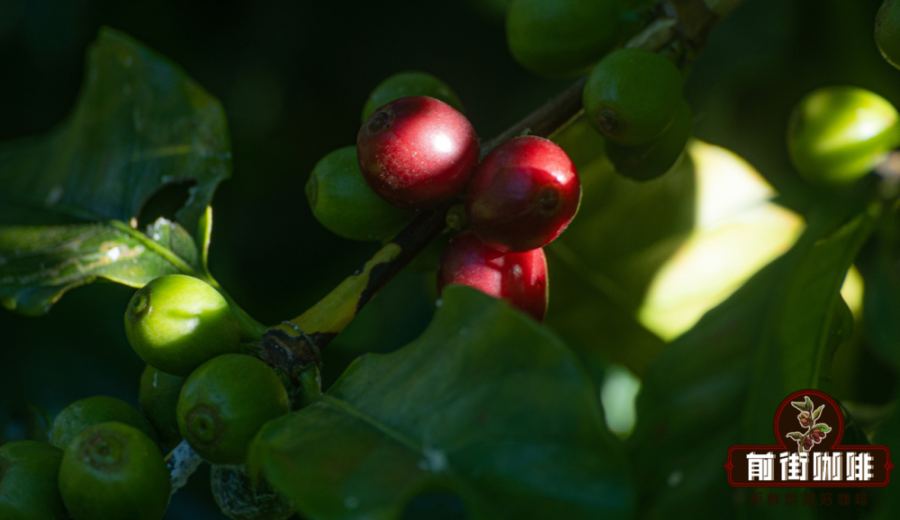
Introduction:Gold Mandheling is one of the most representative specialty coffees from Sumatra, Indonesia, known for its rich body, low acidity, and sweet caramel notes. However, there are many products on the market labeled as "Gold Mandheling," but only those produced by Indonesia’s official PWN company are considered authentic. This article delves into the characteristics of its growing region, the wet-hulling processing method, roasting and pour-over brewing recommendations, as well as practical buying and brewing parameters to help you choose a high-value, premium bean.
Gold Mandheling coffee originates from Sumatra, Indonesia. With its delicate richness, low acidity, and naturally sweet flavor profile, it has become a favorite among specialty coffee enthusiasts worldwide. However, many products labeled as "Gold Mandheling" on the market are not actually from the officially certified PWN company. Authentic Gold Mandheling is a top-grade Mandheling that undergoes rigorous selection and manual sorting to remove defective beans, offering exceptional quality and consistency.
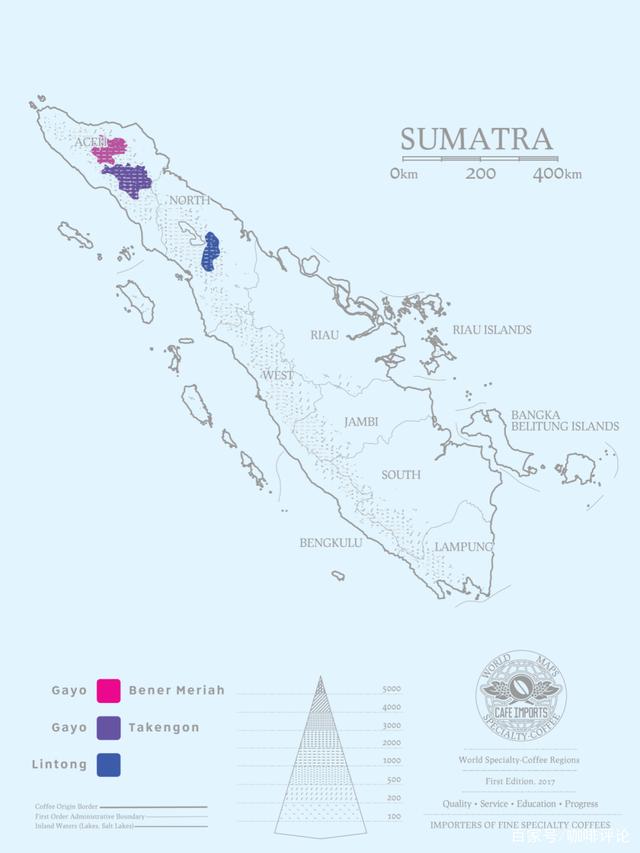
First, let’s get to know the famous growing region of Sumatra. Coffee cultivation in Indonesia is primarily concentrated on three major islands: Sumatra, Java, and Sulawesi. Among them, Sumatra’s "Mandheling" coffee is the most renowned. In fact, Mandheling is also an alternative name for Sumatran coffee, with major producing areas including the Gayo highlands in North Sumatra, as well as the regions around Lake Toba and Lintong in South Sumatra. Lintong is considered the core area of traditional Mandheling production, where local varieties such as Sidikalang, Bergendar, Siborong-borong, and Telok Sanggul—mostly heirloom types—are grown. These varieties together contribute to the unique flavor profile of Mandheling.
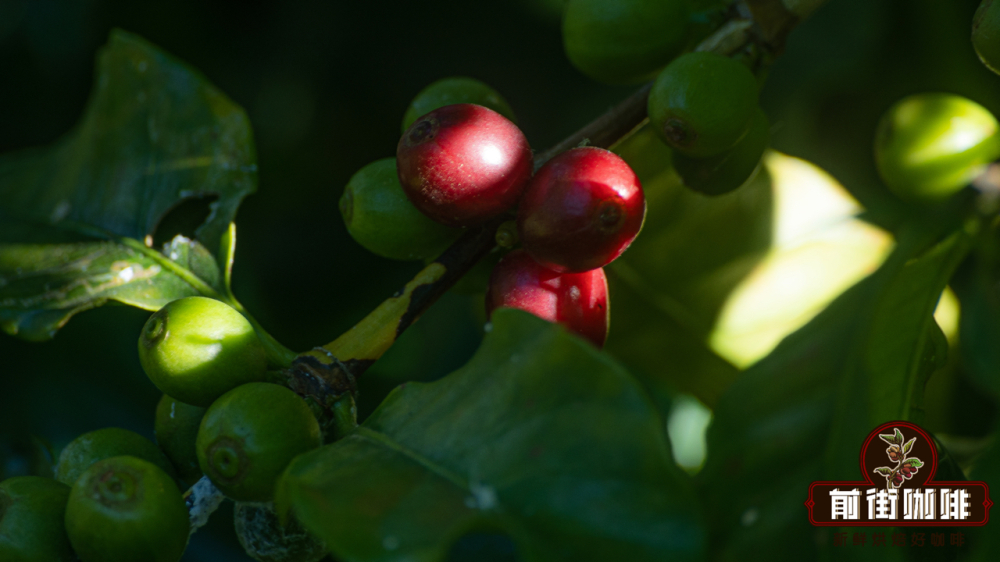
So, what exactly is Gold Mandheling? The key lies with PWN—the Pwani Coffee Company. This well-known Indonesian coffee buyer has long been dedicated to sourcing the highest-quality Mandheling green beans and subjecting them to strict screening. Gold Mandheling is a premium-grade product from PWN that has undergone multiple rounds of manual sorting to eliminate defective beans. Therefore, only Mandheling produced by PWN can be rightfully called "Gold Mandheling." Many commercially available products labeled as Gold Mandheling, if not sourced from PWN, can only be regarded as high-quality specialty Mandheling, rather than the true Gold-grade.
In terms of processing, Gold Mandheling uses Indonesia’s unique "wet-hulling" method (known locally as Giling Basah). This is a classic Indonesian coffee processing technique, which differs significantly from the standard washed process. The steps include: first removing the coffee cherry's skin and pulp while retaining the parchment and mucilage; then fermenting in water tanks to remove the mucilage; washing and drying the beans with their parchment for 2–3 days until the moisture content drops to 20–24%; subsequently hulling the parchment off while the beans are still in a "semi-dry" state; and finally drying the green beans further to a moisture level of 12–13% before export.
The most distinctive feature of the wet-hulling method is the hulling process before full drying. At this stage, the beans still have high moisture content, making them more fragile during hulling and prone to so-called "goat foot" (kuku kambing) defects. Additionally, the rapid dehydration gives this processing method a deeper, richer flavor profile, often accompanied by earthy, smoky, and chocolatey notes. The acidity is relatively muted, resulting in an overall bold and distinctive cup character.
In terms of green beans, Gold Mandheling typically uses the Typica variety, and when roasted to a medium-dark level, it showcases an enticing sweetness and aroma. It is generally recommended that roasters drop the beans just before the start of the second crack to preserve moderate acidity and delicate aromatic notes. The final cup often exhibits complex flavors like toasted bread, pine, caramel, and cocoa, along with subtle herbal undertones, resulting in a well-balanced and layered flavor profile.
For roasting recommendations, because Gold Mandheling is a green bean with relatively high moisture content, extra attention should be paid during the drying phase. It is suggested to set the roaster’s inlet temperature to around 200°C with a fan speed of 3 at the start. After one minute, adjust the heat and closely monitor the color changes on the bean surface. When the bean surface turns light green or white, gradually increase the fan speed. After the first crack, set the fan to maximum (usually level 5 or 6) to stabilize the temperature rise and control flavor development. Professional roasters will adjust the roasting curve according to the current ambient temperature and humidity to achieve optimal extraction performance.
For brewing, medium-dark roasted Gold Mandheling tends to have strong degassing in the early stages, which can easily lead to channeling. It is recommended to use a coarser water flow and maintain a steady circular pouring technique. Taking the KONO filter as an example, the suggested water temperature is around 88°C, and the grind size can be around EK43s setting 11 (similar to coarse sugar). Use a total of 15 grams of coffee powder. Start with a 30-second bloom using 30 grams of water to initiate degassing. The second and third pours should use medium and tail-section small water flows, respectively, with a total brew water volume of around 225 grams and a brew time of approximately 2 minutes. This approach results in a more focused flavor with a lingering sweet caramel aftertaste.
In summary, Gold Mandheling is not only one of the representatives of Sumatran coffee but also a highly acclaimed item in the global specialty coffee market. From the terroir of the growing region, the wet-hulling processing method, green bean selection, to roasting and brewing strategies, each step influences the final cup profile. Choosing authentic Gold Mandheling from the PWN company allows you not only to experience the purest expression of Mandheling flavors but also to enjoy a consistently high-quality coffee experience.
The above content is compiled by CoffeeHunters, a coffee news website.


