








Introduction:Pacamara is a classic hybrid coffee variety originating from El Salvador, combining the large bean size of Maragogype with the sweet characteristics of Pacas. It is renowned for its distinctive citrusy floral aroma and rich aftertaste. This article delves into its breeding background, physical characteristics, compares flavor profiles across three major producing regions—Guatemala, Nicaragua, and El Salvador—and provides professional-grade V60 pour over parameters and steps to help coffee enthusiasts master the brewing techniques of this competition-winning bean.
Pacamara is a hybrid coffee bean born in 1958 in El Salvador, meticulously bred by local coffee research institutions. Its “parents” are the Bourbon variety Pacas and the famous large-bean variety Maragogipe, commonly known as Elephant Bean. This crossbreeding allowed Pacamara to not only inherit the large bean size and vibrant acidity of the Elephant Bean, but also merge the clear aroma and sweet taste of Pacas, resulting in a unique personality that balances complexity with a rich, lingering finish.
In the breeding program of that year, researchers tried multiple combinations of different varieties, among which the pairing of Pacas and Maragogipe performed exceptionally well. After several generations of selection, a new stable and flavorful variety was finally selected in the fourth generation. To commemorate this successful crossbreeding, the new bean variety was named by combining the first four letters of its parent varieties, resulting in what we now know as “Pacamara.”
Pacamara plants are of medium to tall stature, with sturdy trunks, thick branches, and dark green leaves featuring noticeable waviness. The coffee cherries grow slightly higher on the branches, and the new leaves may appear green or with brownish hues. As for the beans themselves, Pacamara beans are noticeably larger than common varieties, typically measuring 1.03 cm in length, 0.71 cm in width, and about 0.37 cm in thickness, with a plump oval shape. Depending on altitude conditions, their size is roughly around 70% of that of Maragogipe, yet they consistently remain above 17 mesh, with over 90% being 18 mesh or larger.
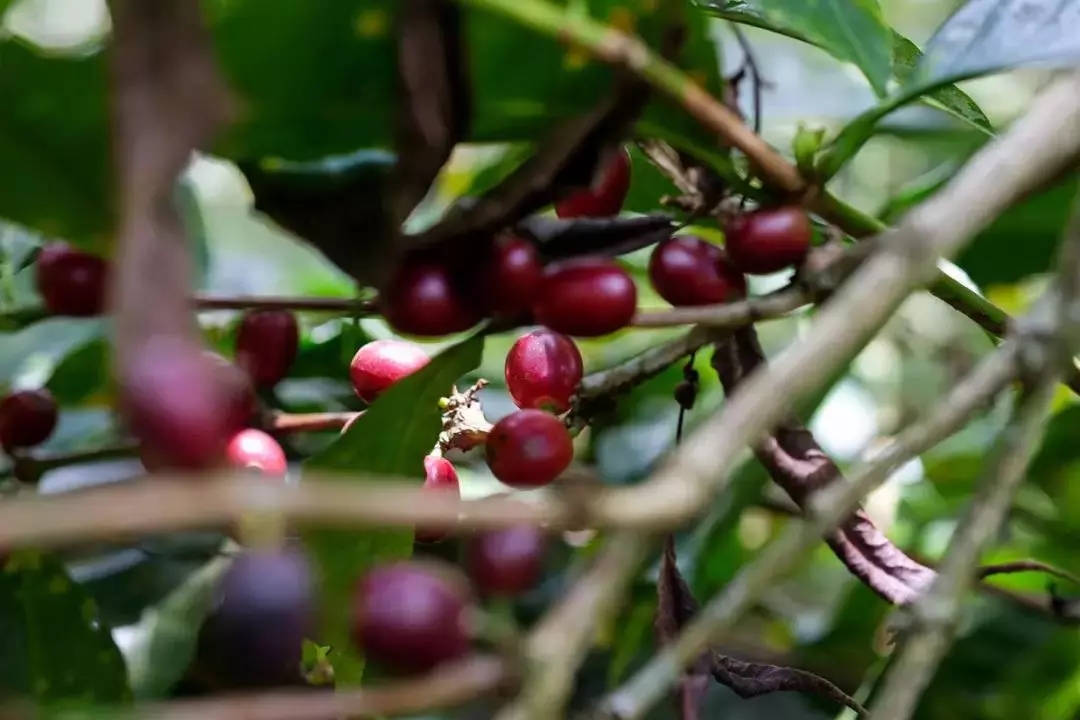
Across major global producing regions, Pacamara exhibits captivating flavor profiles that vary by origin:
GuatemalaPacamara from this region often features prominent caramel sweetness, honey-like texture, and soft floral notes, accompanied by delicate undertones of peach, hazelnut, and jasmine. The overall flavor is mild, layered, and rich.
NicaraguaPacamara excels with a chocolate base, complemented by warm notes of caramel, orange, maple syrup, and honey, interwoven with fruity aromas of raspberry, cinnamon, and apricot. The flavors are bold and dynamic.
El Salvadorproductions showcase bright citrus tones such as orange, lemon, lemonade, and lime, fused with vanilla, apricot, and subtle floral notes. The acidity is vibrant and the aftertaste is clean.
Regardless of origin, Pacamara tends to perform exceptionally well at high altitudes (typically above 1100 to 1200 meters). At these elevations, its aroma becomes more concentrated, floral nuances more refined, and unwanted grassy or vegetal notes are nearly absent, resulting in outstanding clarity. Additionally, the floweriness of this variety is especially prominent, often accompanied by berry, apricot, peach, and green apple fruitiness. The finish is long with nutty and spicy undertones, such as the rich aftertaste of cinnamon and cream—an unforgettable experience.
If you’ve acquired Pacamara, why not explore its potential through the pour over method? Below are professional-grade V60 brewing recommendations suitable for coffee enthusiasts seeking layered and balanced flavors:
The V60 filter cone features ribbing designed with curved and varying lengths from top to bottom, which effectively enhances gas release efficiency and maintains a stable flow rate. It is recommended to use the pulse pouring method to help control the extraction rhythm and avoid under-extraction due to overly fast flow.
Recommended parameters:
• Grind size: Fine sugar-like coarseness (approximately 58% passing rate through a Chinese standard No. 20 sieve)
• Coffee dose: 15 grams
• Water temperature: 90°C
• Coffee-to-water ratio: 1:15
Brewing steps:
1. Start by pouring 27 grams of hot water for a 30-second bloom to activate the release of aromatic compounds from the coffee grounds.
2. Continue pouring to reach 128 grams, forming the first pour. Once the water level naturally drops to just about to expose the coffee bed,
3. pour again until the total reaches 227 grams, then stop. When the water level drops again and is about to expose the coffee bed, remove the filter cone.
4. The total brew time should be controlled to around 1 minute and 50 seconds.
With these parameters, Pacamara typically presents bright fruity acidity with notes of green grape, lemon, and grapefruit upon entry; transitions into warm nutty and biscuity aromas in the mid-palate; and finishes with a green tea-like fresh tea sensation, along with smooth aftertastes of macadamia and cream. The overall flavor is layered and the aftertaste is long-lasting.
The above content is compiled by CoffeeHunters, a coffee news website.


