







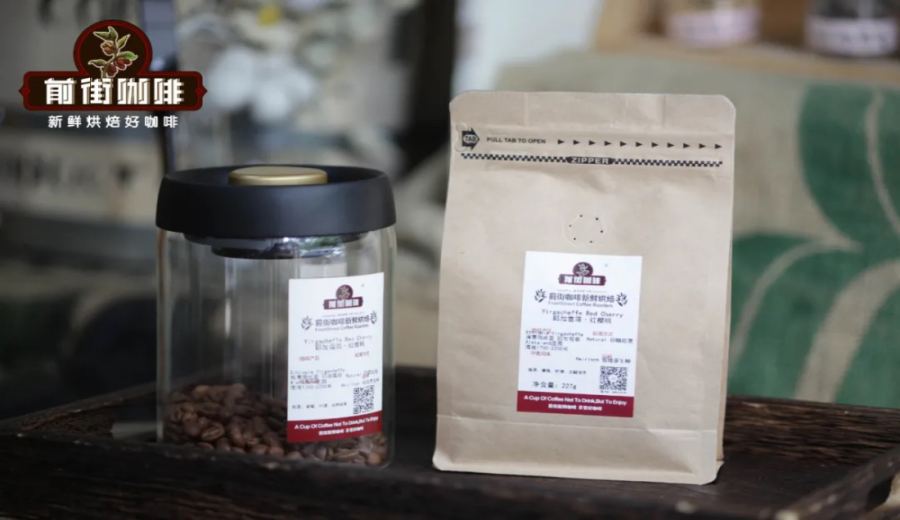
Introduction:As one of Ethiopia’s most representative specialty coffee regions, Yirgacheffe is widely loved for its distinctive floral and fruity aromas and bright acidity. This article provides an in-depth analysis of a highly anticipated Yirgacheffe Alte Red Cherry Natural coffee bean. From the regional background and processing method, to the roast profile and optimal pour over recipe, it helps you fully understand this vibrant-flavored coffee and master the selection and brewing techniques of high-value specialty beans.
Ethiopia, the birthplace of coffee, boasts numerous regions with unique flavor profiles. Among them, Yirgacheffe stands out as a dream origin for global specialty coffee enthusiasts due to its pleasant floral and fruity notes. Among the many Yirgacheffe coffees, a Red Cherry Natural from the Alte washing station shines with outstanding cost-performance and rich fruitiness. Currently, the market reference price is 88 RMB per 227g bag. Calculated at 15g per cup, the single serving cost is only about 6 RMB, making it a truly high-CP-value specialty coffee option.
This coffee is processed using the natural method and comes from high-altitude coffee farms ranging from 1700 to 2200 meters. The variety is Ethiopian heirloom, and its flavor profile showcases bright citrus acidity, sweet berry and strawberry notes, with a honey-like sweetness and slight fermented fruitiness in the aftertaste. It’s perfect for coffee drinkers who enjoy prominent fruit flavors and layered complexity. Moreover, this particular lot participated in the local Red Cherry Project (OPERATION CHERRY RED PROJECT), ensuring consistent flavor and quality stability through strict ripeness selection and professional processing.
Red Cherry Project: A Successful Model for Enhancing Quality and Farmer Income
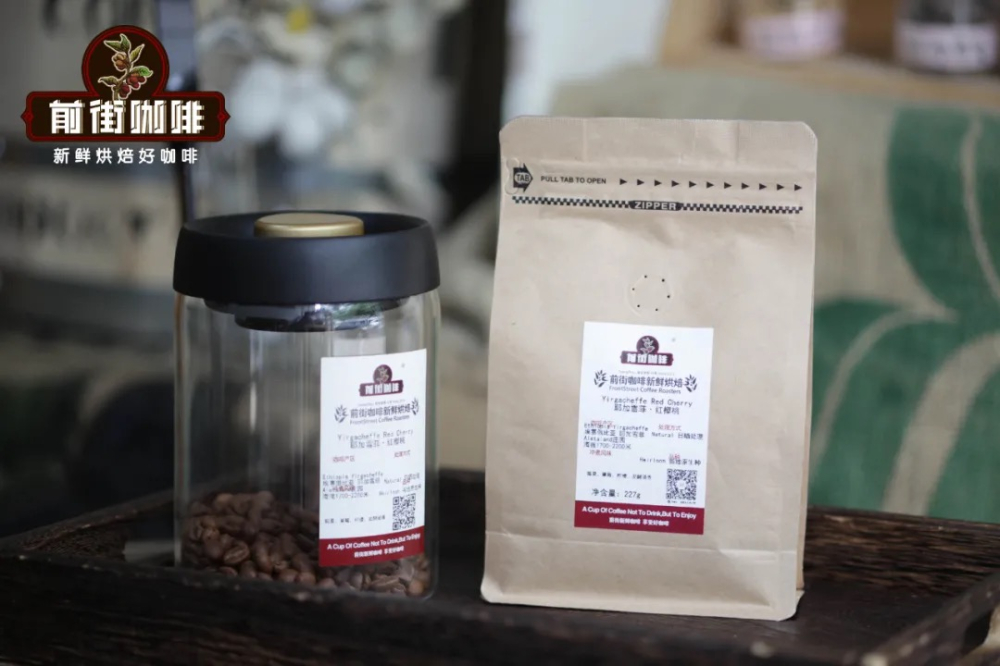
The Red Cherry Project was launched in 2007 by Dutch trader Trabocca in collaboration with local Ethiopian farmers. Its goal is to help farmers grow higher-quality coffee beans by raising harvesting and processing standards. The project requires farmers to harvest only 100% red ripe coffee cherries and limits each household’s production per batch to between 1500 and 3000 kilograms to ensure controllable quality. Additionally, Trabocca has invested in building raised drying beds, providing pulp removal and grading equipment, and even establishing professional cupping labs to ensure the coffee meets international evaluation standards right at the origin. Only beans that pass cupping tests (usually scoring 88 or above) can be sold at premium prices, significantly increasing farmer income.
This project has not only improved the overall quality of the coffee but also allowed consumers to enjoy cleaner, more flavorful Yirgacheffe coffee. From infrastructure to technical support and market sales, the Red Cherry Project has created a virtuous cycle from origin to cup, enabling the full potential of this Alte Red Cherry Natural bean to shine.
Processing Method and Green Bean Features: Natural Processing Delivers Intense Fruit Aromas
This coffee bean is processed using the traditional natural method. After harvesting, the coffee cherries are not depulped but are instead placed directly on elevated drying racks for prolonged sun drying, a process that takes over two weeks. This method fully preserves the sugars and aromatic compounds in the fruit pulp, resulting in a coffee liquid with intense berry, citrus, and honey sweetness. The flavor is also cleaner, with almost no earthy off-notes. Compared to washed processing, natural Yirgacheffe typically has sweeter and more intense fruit characteristics, and this Red Cherry Natural bean is a standout among them.
In terms of green beans, they belong to Ethiopian heirloom varieties, are small and dense in size, usually between 14 and 15 mesh, with a round and plump appearance, low defect rate, and a typical natural yellow-green color after drying—uniform and consistent, indicating a high level of processing and sorting.
Roast Strategy: Light Roast Highlights Floral and Fruity Notes
To fully showcase the fruitiness and acidity of this coffee, a light and slow roast is recommended. This roast style retains more volatile aromatic compounds, making citrus, berry, and honey flavors more pronounced. During actual roasting, the first batch uses a relatively high charge temperature to ensure sufficient heat accumulation, allowing the coffee beans to develop rich aromas and sweetness smoothly. Subsequent batches gradually adjust the heat to control the intensity of the Maillard reaction, avoiding over-development that could lead to dull flavors or smokiness.
Cupping tests confirm that this coffee, in a light roast state, exhibits distinct notes of strawberry, raspberry, vanilla, honey, and cantaloupe, along with a juice-like clarity, making it highly suitable for coffee lovers who enjoy bright acidity and layered fruitiness.
Pour Over Recommendation: Details Determine Flavor Expression
In terms of brewing methods, both pour over and siphon can highlight the characteristics of this bean, but pour over is more intuitive and easier to adjust. A V60 filter is recommended, with a dosage of about 15g and a coffee-to-water ratio of 1:15, achieving a good balance. For the first try, you can use a 90°C water temperature and medium-fine grind (approximately 85% passing rate through a Chinese No. 20 sieve). However, some users reported that this setup resulted in overly bright acidity and a slightly astringent aftertaste. An adjusted second set of parameters—lowering the water temperature to 86°C and slightly coarsening the grind (approximately 78% sieve passing rate)—can yield a rounder mouthfeel and rich ripe fruit fermentation aromas, with noticeably enhanced sweetness, clearer layers, and a long, pleasant finish.
During brewing, it’s recommended to start with 30g of water for a 30-second bloom to awaken the coffee grounds, then pour in a slow circular motion until reaching 125g for the first pour. After the water level drops, continue pouring to 225g to complete the extraction, with a total brew time of about 2 minutes. Paying attention to stable water flow and even saturation of the coffee bed can effectively reduce channeling and unwanted off-flavors.
In summary, this Yirgacheffe Alte Red Cherry Natural coffee bean, with its high cost-performance, vibrant floral and fruity character, and smooth sweetness, is ideal for those new to specialty coffee and for coffee lovers seeking a daily drinker without compromising on flavor. With the right roast and brewing parameters, you can easily enjoy a fruit-forward sensation from the Ethiopian highlands.
The above content is compiled by CoffeeHunters, a coffee news website.


