








Introduction:As the most representative specialty coffee region in Ethiopia, Yirgacheffe is renowned for its unique floral and fruity aromas and bright acidity. This article delves into the history and geographical environment of the region, offering an in-depth analysis of the processing methods and flavor profiles of two of the most iconic beans: the washed Gedi Cooperative and the natural Red Cherry. It also provides practical pour over brewing suggestions and price references. Whether you're a beginner selecting your first bag of Yirgacheffe or a seasoned coffee enthusiast seeking brewing inspiration, this guide will offer substantial help.
When it comes to African specialty coffee, the top choice for most coffee lovers is undoubtedly Ethiopia, especially the small town of Yirgacheffe, famed for its bright fruit acids and floral-fruity notes. Coffees from this region often feature layers of lemon, jasmine, berries, and honey, which are a far cry from the heavy, bitter profiles of traditional dark roasts—making them an ideal entry point for many newcomers to specialty coffee. But for many, what is the actual pricing for Yirgacheffe coffee beans? How much should one budget for a cup of pour over? This article will take you on a comprehensive journey from regional background to actual brewing.
 Yirgacheffe is not a vast coffee-growing area, but rather a small town located in the Gedeo Zone of the Sidamo Region in northwestern Ethiopia. Situated downstream of large lakes with abundant water sources, it lies at an altitude of approximately 1,700 to 2,100 meters. The climate here is cool, stable, and spring-like all year round, with a microclimate highly suitable for cultivating high-quality coffee. Notably, the name “Yirgacheffe” means “let us settle in this wetland” in the local ancient language, hinting at the close relationship between this land and its water resources.
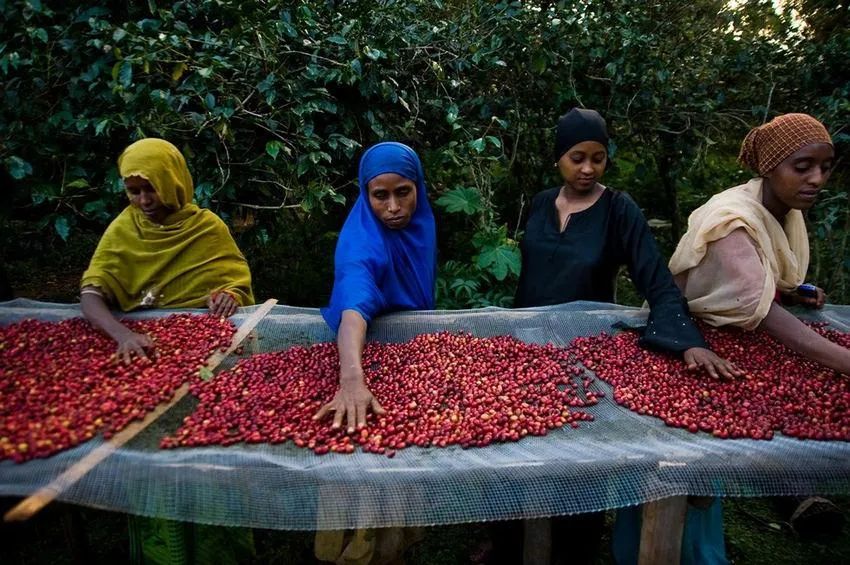
Coffee production in Ethiopia is primarily carried out by smallholder farmers, with around 1.2 million households engaged in coffee cultivation, accounting for 90% of the total output. Due to the low yield per household, coffee is mostly collected and processed through cooperatives or processing factories. Yirgacheffe is a prime example of this model. The coffee processing facilities here gather cherries harvested by surrounding smallholders, process them centrally, and then market the final product. As a result, Yirgacheffe is able to maintain consistent quality and distinctive regional flavors.
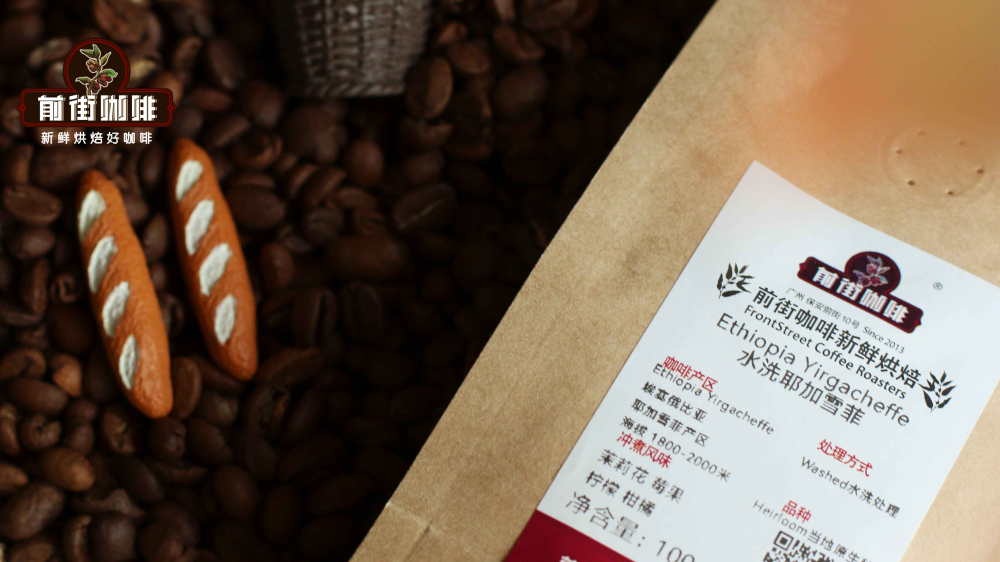
In the bean menus of some coffee shops, Yirgacheffe is often presented using the two main processing methods: washed and natural. Among these, the washed Gedi Cooperative and the natural Red Cherry are the most iconic. The two differ markedly in processing method, flavor expression, and price positioning, making them the best entry points for understanding the flavors of Yirgacheffe.
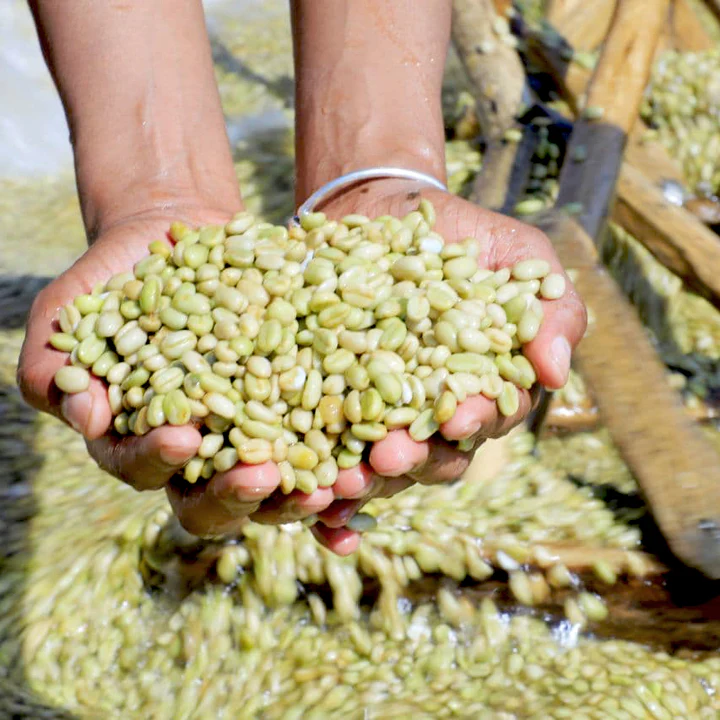
Let’s start with the washed Gedi Cooperative. This cooperative consists of about 300 smallholder farmers and has long adhered to traditional washed processing techniques, earning it the reputation as “the last pure land of Yirgacheffe.” Washed processing effectively removes the coffee cherry pulp and impurities, resulting in a cleaner, brighter acidity and more transparent flavors. During the process, coffee cherries first undergo flotation to remove unripe beans, then the skins are removed by machine. The beans are subsequently placed in water tanks for fermentation, where microbial activity breaks down the pulp. They are then rinsed clean with fresh water and dried on sun patios. This method significantly reduces off-flavors and the risk of over-fermentation, giving the Gedi Cooperative beans their refreshing and vibrant flavor characteristics.
In contrast, the natural Red Cherry coffee displays a distinctly different personality. These beans come from the Alatrash Farm and are processed using 100% red cherry natural drying—that is, only fully ripe, deep-red coffee cherries are selected for sun drying. This project was first initiated in 2007 by the Dutch trading company Trabocca BV, with the aim of enhancing the quality of high-altitude region coffees such as those from Yirgacheffe. Through careful selection of ripe fruit, controlled fermentation conditions, and professional cupping, the consistency and complexity of natural-processed coffee have been greatly improved. The Red Cherry coffee used by this coffee shop is of G1 grade, with intact beans and a low defect rate. After sun drying, it presents intense berry, winey, and honey sweetness notes, with a richer and more rounded mouthfeel.
 In terms of flavor, the washed Gedi Cooperative is mainly lightly roasted, highlighting bright acids such as lemon, passion fruit, and berries, paired with white floral notes and tea-like sensations. The finish carries a hint of honey sweetness, resulting in an overall clean and refreshing profile with relatively low body—perfect for those who prefer bright and acidic cups. The natural Red Cherry, on the other hand, is medium-light roasted, showcasing more intense berry acidity and sweetness, distinct fermentation aromas, and an oolong tea-like finish. It offers a prominent sweetness and a creamier mouthfeel.
In terms of roasting strategy, this coffee shop typically opts for a medium-light roast for Yirgacheffe to preserve its bright acidity and complex floral-fruity notes. Cupping results show that the washed version emphasizes fruity and tea-like characteristics, while the natural version excels in sweetness and layering. Both have their unique merits, allowing selection based on personal taste preferences.
If you plan to brew Yirgacheffe at home using pour over, the following tips will help you fully showcase its characteristics. First, the freshness of the coffee beans is crucial. It’s recommended to choose beans roasted within five days to achieve optimal flavor performance. All Yirgacheffe beans offered by this coffee shop are shipped within this timeframe, ensuring consumers can enjoy them at their peak freshness upon receipt.
For brewing parameters, it is suggested to use hot water at 92–93°C to fully extract the floral, fruity aromas, and acidity. A medium-fine grind is recommended, roughly equivalent to 78% passing through a Chinese standard No. 20 sieve, with a texture similar to fine sugar. A grind that’s too coarse may lead to under-extraction and weak flavors, while one that’s too fine may cause over-extraction and bitterness. A powder-to-water ratio of 1:15 to 1:16 is advised. For a stronger flavor, opt for 1:15; for a clearer and brighter taste, go with 1:16.
For specific pour over techniques, it is recommended to use a V60 dripper with a three-pour method. The spiral ridges of the V60 aid in gas release, helping to highlight aromatic acids. The first step involves blooming with twice the amount of water by coffee weight (e.g., 30 ml of water for 15 g of coffee) for 30 seconds. Then, pour water in small streams in a circular motion from the center outward up to 125 g, wait for the water level to drop, and continue pouring up to 225 g. The total brew time should be around 2 minutes. This method allows flavor compounds at different temperatures to release progressively, presenting the full layered complexity of Yirgacheffe.
The above content is compiled by CoffeeHunters, a coffee news website.


