







Introduction:The volcanic soil and high-altitude environment of Mount Kilimanjaro in Tanzania create a unique flavor profile for its coffee. This article delves into the most representative AA-grade washed Typica beans from the region, exploring everything from the terroir and variety characteristics to the washed processing method, to help you understand the origins of its citrus, berry, and tea-like qualities. It also provides professional roasting curves and V60 pour-over recommendations, offering practical guidance whether you're tasting it as a single origin or using it for blend inspiration.
In the landscape of African specialty coffee, although Tanzania may not have the global recognition of neighboring Ethiopia and Kenya, the high altitudes and volcanic soils of the Kilimanjaro region nurture high-quality coffees with delicate textures and gentle acidity. The Kilimanjaro AA-grade coffee introduced here uses the traditional Typica variety and washed processing method, yielding a cup with bright citrus notes, rich berry layers, and a honeyed sweetness in the finish, along with a unique tea-like mouthfeel.
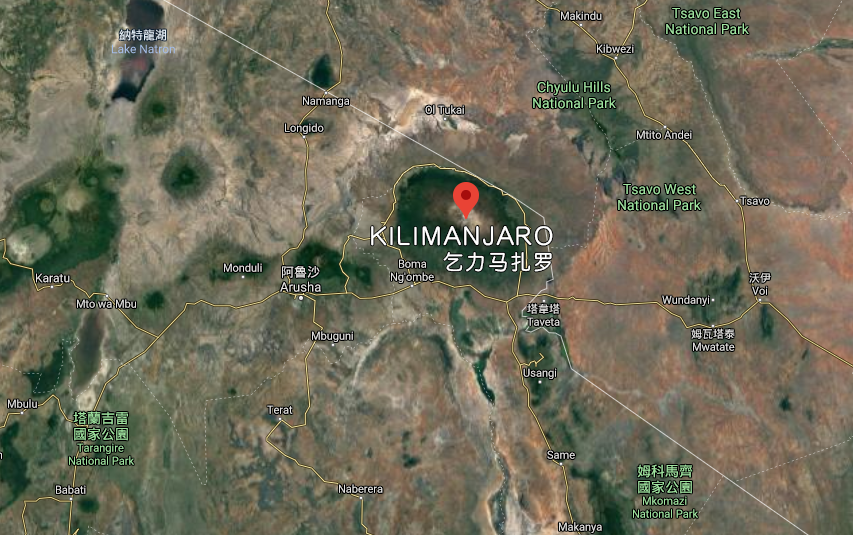
Although Tanzania may not be the most prominent star among global coffee-producing countries, its beans often deliver pleasant surprises. One reason why Tanzanian beans have rarely been deeply evaluated in the past is the scarcity of batches that clearly express regional characteristics. However, this sample of Kilimanjaro AA-grade has completely changed that impression. The Kilimanjaro region is not only one of Tanzania’s most important coffee-growing areas, but its significance is on par with the northern Arusha region. What exactly makes the coffee around Africa’s highest peak so captivating? The answer lies in its geography.
Mount Kilimanjaro, which rises nearly 6,000 meters and sits on the equator, is known as the "Roof of Africa." The mountainous area is covered with mineral-rich volcanic soil, and the significant diurnal temperature variation brought by the high altitude helps coffee cherries ripen slowly, accumulating richer flavor compounds and creating a delicate texture and a gentle yet vibrant acidity—classic traits shared by many African coffees. This shows that Tanzanian coffee still holds considerable potential worth exploring.
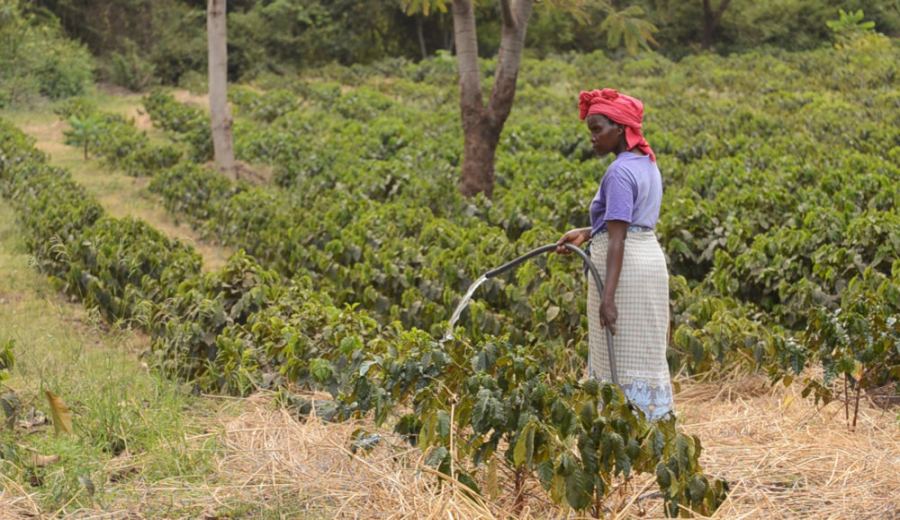
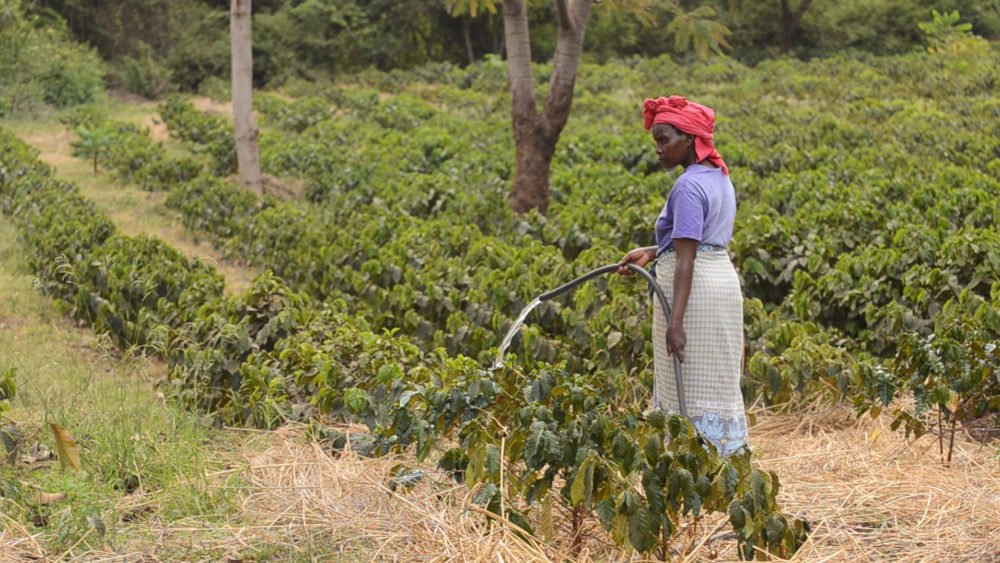
Kilimanjaro coffee primarily grows in the volcanic soil zones at the foot of the mountain, with some coffee trees even exceeding a century in age. These trees require careful management, including regular weeding, fertilization, and pruning of old branches to encourage new growth, ensuring stable bean quality. Local processing facilities are generally well-equipped, and given coffee’s status as an important cash crop in Tanzania, the government also provides substantial support to the industry, laying a solid foundation for product quality.
The abundant sunshine in the Kilimanjaro region allows coffee cherries to develop rich fruity aromas, along with a hint of sweet, peach-like flavors. The production area is concentrated in the northeastern part of Tanzania, particularly around Mount Kilimanjaro (especially the Moshi region) at elevations between 3,000 and 6,000 feet (approximately 900 to 1,800 meters). The volcanic ash soil here is not only fertile but also imparts a rich texture and gentle acidity to the beans, resulting in highly distinctive flavor profiles.
Kilimanjaro coffee is renowned for its delicate aroma, often featuring wine-like fruitiness and juicy fruit tones, with a long-lasting aftertaste. Many coffee enthusiasts also describe it as having a hint of "wild" character, often leaving a soft earthy scent in the mouth, earning it the reputation of being "the most African-flavored coffee." Among them, AA-grade is the highest classification in the region, with plump, uniformly sized beans, pure and intense flavors, and a refreshing taste—excellent whether enjoyed as a single origin or used as a base for blends.
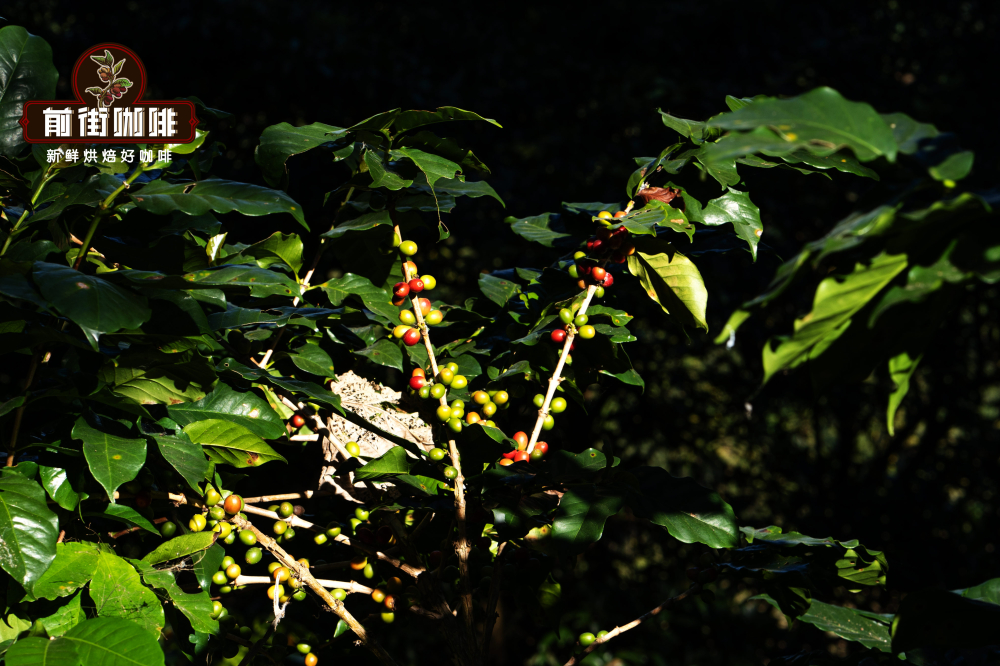
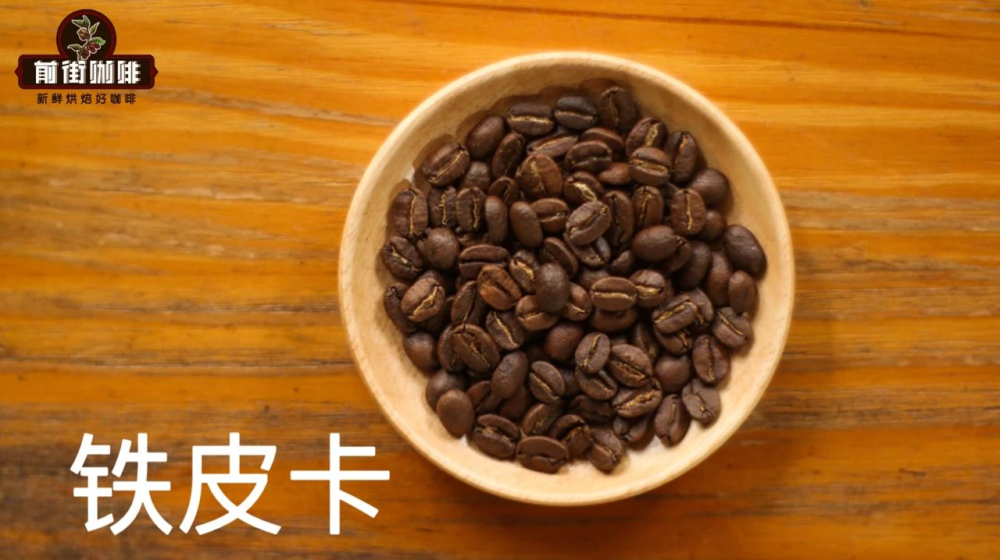
The Tanzanian Kilimanjaro AA-grade coffee introduced here is of the classic Typica variety. Typica coffee trees are tall, reaching about 5 meters (16.5 feet), with a conical canopy and branches typically forming angles of 50 to 70 degrees with the main trunk. Their top young leaves display an attractive bronze color, while the beans themselves are slender and pointed at both ends, resembling eggs. This variety often exhibits clear citrus acidity and a gentle, sweet finish, and is considered one of the representatives of elegant coffee flavors. However, Typica also has notable drawbacks: its height makes harvesting difficult, it has weak disease resistance (especially susceptible to leaf rust and coffee berry disease), and it yields relatively low, leading many regions to gradually switch to more disease-resistant varieties. But growing Typica with outstanding flavor requires greater labor and technical input, which is also one reason why premium Typica coffees like Jamaican Blue Mountain are so expensive.
The washed processing method used for this coffee is the most common in Tanzania. After harvesting, coffee farmers quickly send the cherries to nearby processing facilities to ensure freshness and quality. The standard washed processing procedure is as follows: first, impurities and unripe fruits are removed, followed by stripping the outer skin and pulp, then the mucilage-covered beans are placed in fermentation tanks where controlled fermentation removes the sticky layer of mucilage adhering to the inner parchment; finally, the beans are washed multiple times to ensure cleanliness, then dried evenly until the moisture content reaches the standard range.
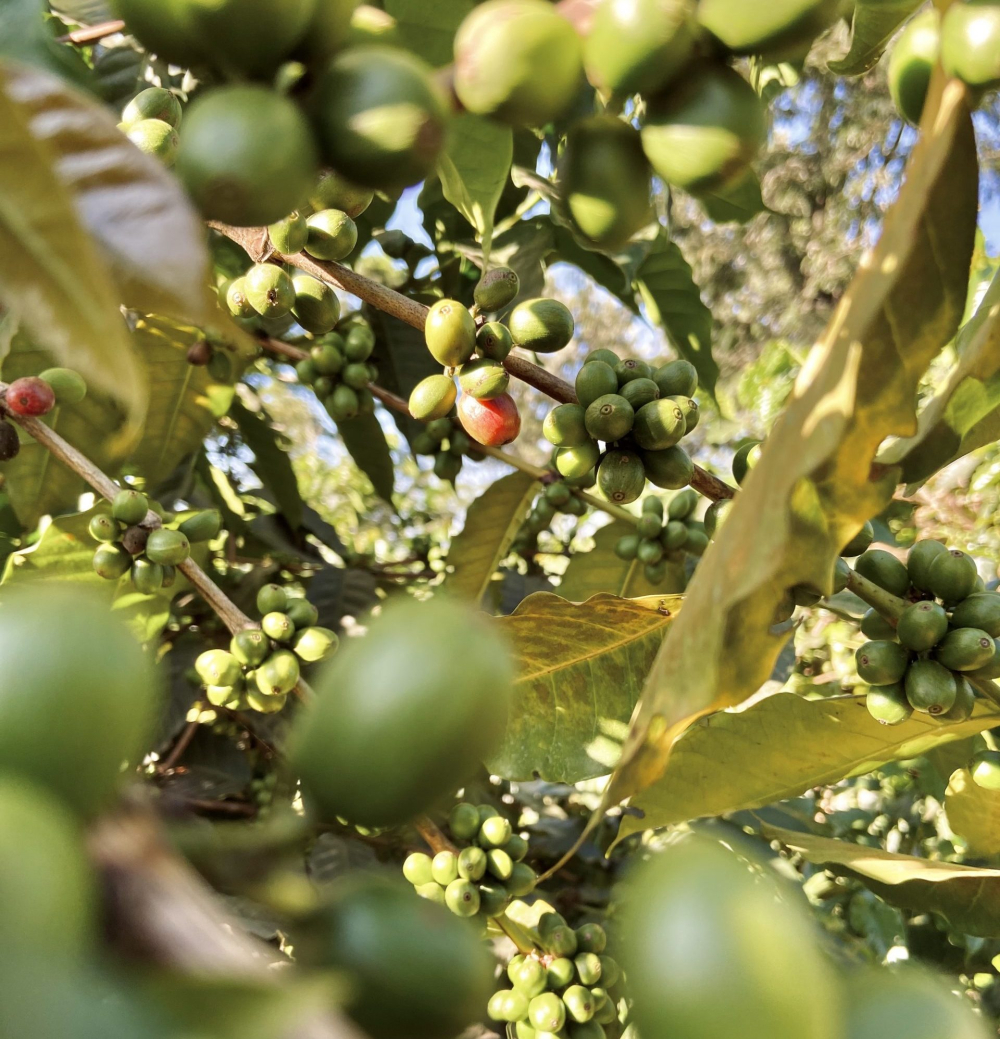
Similar to its neighbor Kenya, Tanzania uses bean size as a grading criterion. During screening, green beans pass through sieves of different sizes, with higher screen sizes indicating larger beans. Among them, AA-grade is the highest, with a screen size of 17–18 (approximately 7.20mm), featuring plump, uniformly sized beans; AB-grade has a screen size of 15–16 (6.8mm–6.2mm), representing mid-to-high-grade quality commonly found in the market; PB-grade (peaberry) accounts for about 10% of total production, appearing round due to abnormal development; C-grade has a screen size of 12–14 (4.8mm–5.6mm), belonging to lower-grade beans.
For this Kilimanjaro AA-grade coffee, a medium-light roast is recommended to preserve its bright acidity and delicate fruitiness. During roasting, it is suggested to set the charge temperature at 170°C, with the turning point (yellowing stage) reaching 150.8°C at around 6 minutes and 30 seconds, first crack starting at approximately 10 minutes and 6 seconds (182.7°C), followed by about 1 minute and 45 seconds of first crack development, and finally completing the roast and dropping the beans at 193°C. This roasting curve fully highlights the beans’ sweetness and fresh acidity, making it ideal for single-origin enthusiasts who pursue detail.
For brewing, it is recommended to use a V60 dripper, with a brew ratio of 1:15, water temperature controlled at 91°C, and grind size suggested at EK43s grinder setting 10 (equivalent to medium-fine). The specific steps are: start with a 30-second bloom using 30 grams of hot water, then pour in a circular motion from the center outward to reach 125 grams, wait until the water level drops to about half, then pour again to reach 225 grams, with the total extraction time ideally between 2 minutes and 30 seconds to 3 minutes.
This Kilimanjaro AA-grade washed Typica coffee displays distinct caramel dry fragrance and berry wet aroma during cupping. Upon sipping, you can clearly perceive the bright, tangy acidity of citrus and berries, accompanied by a silky, tea-like texture and a honeyed sweetness in the finish. The overall flavor profile is clear and layered, making it highly suitable for single-origin enjoyment or as an upgraded choice for everyday drinking beans.
The above content is compiled by CoffeeHunters, a coffee news website.


