








Introduction:Exploring the Esmeralda Special Red Label Geisha from Finca Elida, which won the 2025 BOP competition with a record-breaking price of $30,204 per pound, this article delves into the terroir of the Boquete region, the origins of the Geisha variety, the family-run legacy of Finca Elida, and its four-tier grading system. We break down how this top-tier auction lot transformed from windbreak trees into a globally coveted treasure among coffee enthusiasts. Includes green bean analysis, roast curve settings, and pour over recommendations to help you understand why this Geisha is worth every penny.
At the 2025 Panama BOP (Best of Panama) international competition, Finca Elida’s Geisha once again claimed the championship with an astonishing winning bid of $30,204 per pound. Not only did it set a new record, but it also thrust this high-altitude windbreak-grown variety back into the global spotlight. Yet few know that this coffee, now hailed as the “blue diamond of the coffee world,” was once merely a low-yield windbreak tree species planted in remote high-altitude mountain areas, remaining obscure for decades.
Boquete Region: A Cloud-Forest Haven for European Immigrants
The Boquete (Bouquete) region where Finca Elida is located is one of Panama’s coffee gold belts, long attracting high-end European and American immigrants. This small town with a population of just around 20,000 is home to more than 2,000 professionals and retirees from Europe and the United States, including many intellectuals with doctoral or master's degrees. They have brought international perspectives and advanced agricultural techniques, also shaping Boquete’s unique coffee culture.
As early as the construction of the Panama Canal in 1904, many European engineers and management personnel were stationed in the pleasant-climate Boquete region. After the canal’s completion in 1917, many chose to stay, purchasing farms to enjoy the spring-like seasons and the misty mountain environment. This background laid the groundwork for the later birth of Geisha.

From Windbreak Trees to Auction Champions: The Discovery Journey of Geisha
In 1996, one of the founders of Finca Elida accidentally discovered coffee beans near the Jaramillo Estate that emitted a strong citrus aroma, distinctly different from the dominant Central American berry notes of the area. In 2002, his son Daniel decided to conduct systematic cuppings across different altitudes and varieties, unexpectedly identifying a tall yet low-yielding coffee tree from the windbreak area that possessed unique floral notes and honey sweetness.
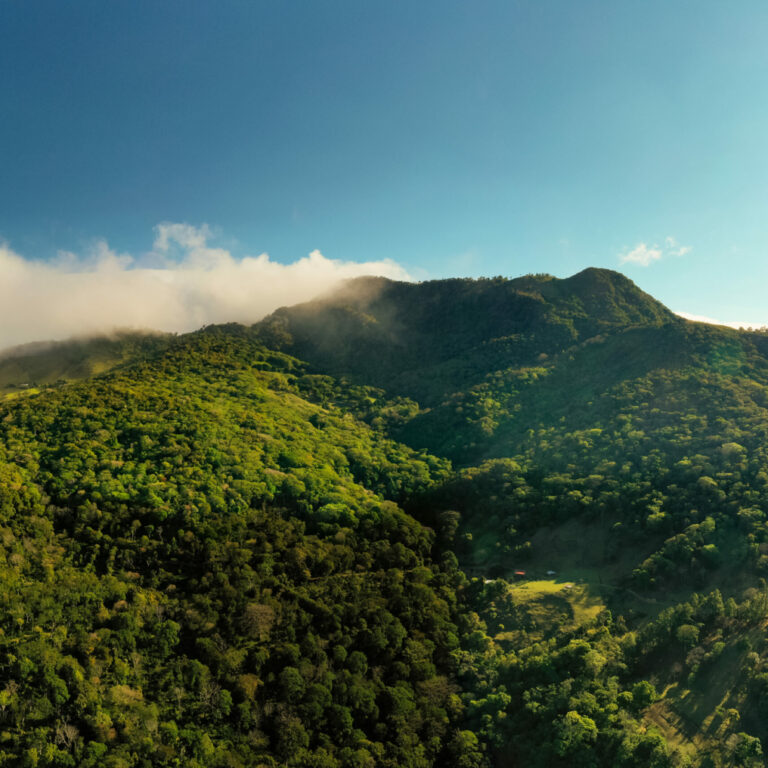
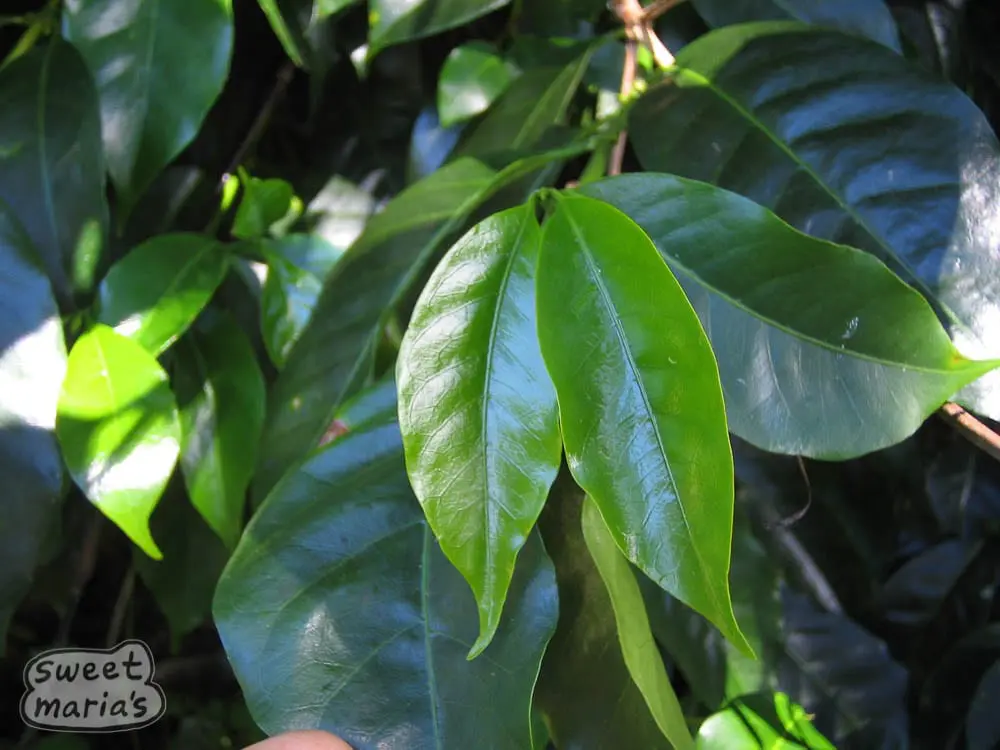
These trees, growing between 1,500 to 2,000 meters above sea level, appearing slender yet extremely wind-resistant, were later identified as the ‘Geisha (Geisha)’ variety. Originally introduced to Panama by an Italian-born agricultural expert in 1963, it performed poorly at the low altitude of 1,200 meters and was once considered a failed variety. It wasn’t until it was rediscovered in the high-altitude windbreak area of Finca Elida that its astonishing potential was unlocked.
In 2004, this windbreak-grown Geisha made its auction debut and stunned the judges, defeating numerous high-quality beans with its rich citrus, jasmine, sugarcane, and lime profiles, propelling it to fame overnight.
Finca Elida and the Peterson Family: Forty Years of Dedication and Brand Tiering
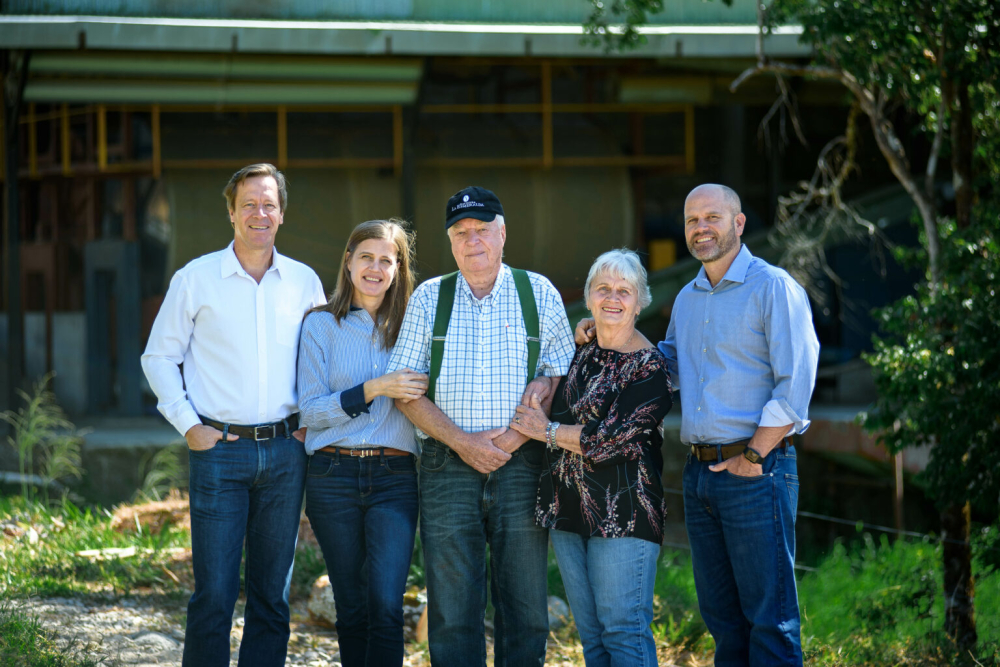
Finca Elida was originally purchased in 1964 by Rudolph A. Peterson, a Swedish-American financier, as a retirement retreat and dairy farm. In 1973, his son Price Peterson, who had earned a Ph.D. in neurochemistry, returned and transformed the farm into a specialty coffee estate. Based on altitude, variety, and microclimate, he gradually established four brand tiers: Esmeralda Special (Elida Special, i.e., the Red Label), Diamond Mountain, Palmyra, and the later addition, Geisha.
Currently, Finca Elida includes four farms: Canas Verdes, El Velo, Jaramillo, and Palmira. Each farm’s coffee is processed on-site to ensure pure flavor. Among them, the auction lots (BOP Lots) are the highest grade, produced only in specific micro-lots and released through independent auctions. The Red Label Geisha (Esmeralda Special) is the highest-quality Geisha available outside auctions, with every batch scoring 91 points or above in cupping and featuring detailed information on origin, altitude, processing method, and traceability.
Processing Method and the Charm of Natural Sun-Dried Flavor
Elida’s Red Label Geisha mostly uses the natural (sun-dried) process, which involves floatation screening, outdoor fruit drying, and subsequent hulling. The biggest advantage of the natural method is that the coffee pulp and seed ferment simultaneously, allowing the green beans to absorb more fruitiness and sugars, resulting in intense sweetness, a full body, and layered floral and fruity notes.
The 2025 BOP champion lot ‘Lot ES-Y-1’ used a 48-hour yeast-added washed fermentation, followed by four days of raised bed drying. It comes from the Cañas Verdes area at an altitude of 1,600 meters, showcasing exquisitely delicate citrus and floral profiles.
A Brand’s Red Label Geisha Green Beans and Roasting Practical Reference
The Elida Red Label Geisha green beans obtained by a certain brand exhibit a beautiful bluish-green hue, with notes of fresh grass, peach, berries, and a unique oolong-tea-milk aroma. The beans are plump, medium to large in size, slightly pointed at both ends, characteristic of typical high-altitude hard beans.
To fully bring out the delicate floral and citrus notes of Geisha, it is recommended to uselight roasting. Over-roasting can easily mask its refined acidity and aromatic layers. During roasting, it’s essential to control the temperature rise after first crack to within6°Cto avoid scorching the bean tips due to high temperatures. Allow approximately1 minute and 30 secondsof development after first crack, then189°Cdrop the beans
to achieve the optimal tea rose floral aroma and balanced, clear fruit acidity.
Pour Over Recommendation and Extraction ParametersIt is recommended to use thepour over method1:15to brew the Red Label Geisha, as it can most fully present its delicate floral-fruity aromas and layered sweetness. Suggested powder-to-water ratio is10 (medium-fine, akin to superfine sugar)on the EK43s grind scale, with water temperature controlled between91~92°C[temperature range not provided]. During the blooming phase, pour 30 grams of water and let it sit for30 seconds
, then perform a pulse pour up to 100ml and pause, finally slowly pouring up to a total of 225ml. Maintain steady extraction time and allow the flavors to unfold clearly.
The brewed Red Label Geisha delivers a well-defined flavor profile: the initial notes reveal delicate rose and honeysuckle tones, followed by citrus, grapefruit, cane sugar, and sweet potato sweetness. The acidity is soft and refined, with a long-lasting finish that carries hints of black tea and spices. The overall presentation is clean and bright, representing the classic flavor wheel of high-altitude Geisha.
The above content is compiled by CoffeeHunters, a coffee news website.


