







Introduction:Yunnan Baoshan small-grind coffee has garnered significant attention in recent years, not only due to its superior geographical conditions but also because its flavor profile has gradually gained recognition in the international market. This article delves into the evolution of coffee varieties in the Baoshan growing region, with a focus on analyzing the differences between the commonly seen Typica and Catimor, and provides a detailed breakdown of the flavor characteristics of a well-known brand’s sundried Typica, along with a step-by-step guide to cold brew preparation. Whether you’re new to Yunnan beans or looking to refine your pour over skills, you’ll find valuable insights here.
Yunnan Baoshan small-grind coffee has been steadily rising in prominence within the domestic market. Many are curious whether it truly fits the traditional definition of 'small-grind variety' and what the price range is like in the market. This article will start with an overview of the growing environment and varietal evolution, analyzing the cultivation background and variety classification of Baoshan small-grind coffee, and further introduce the flavor profile of a certain brand’s sundried Typica, as well as how to fully showcase its delicate taste through cold brew. Whether you're looking to understand overall market trends of Yunnan coffee or planning to purchase beans from this brand for home brewing, this piece serves as a practical reference guide.
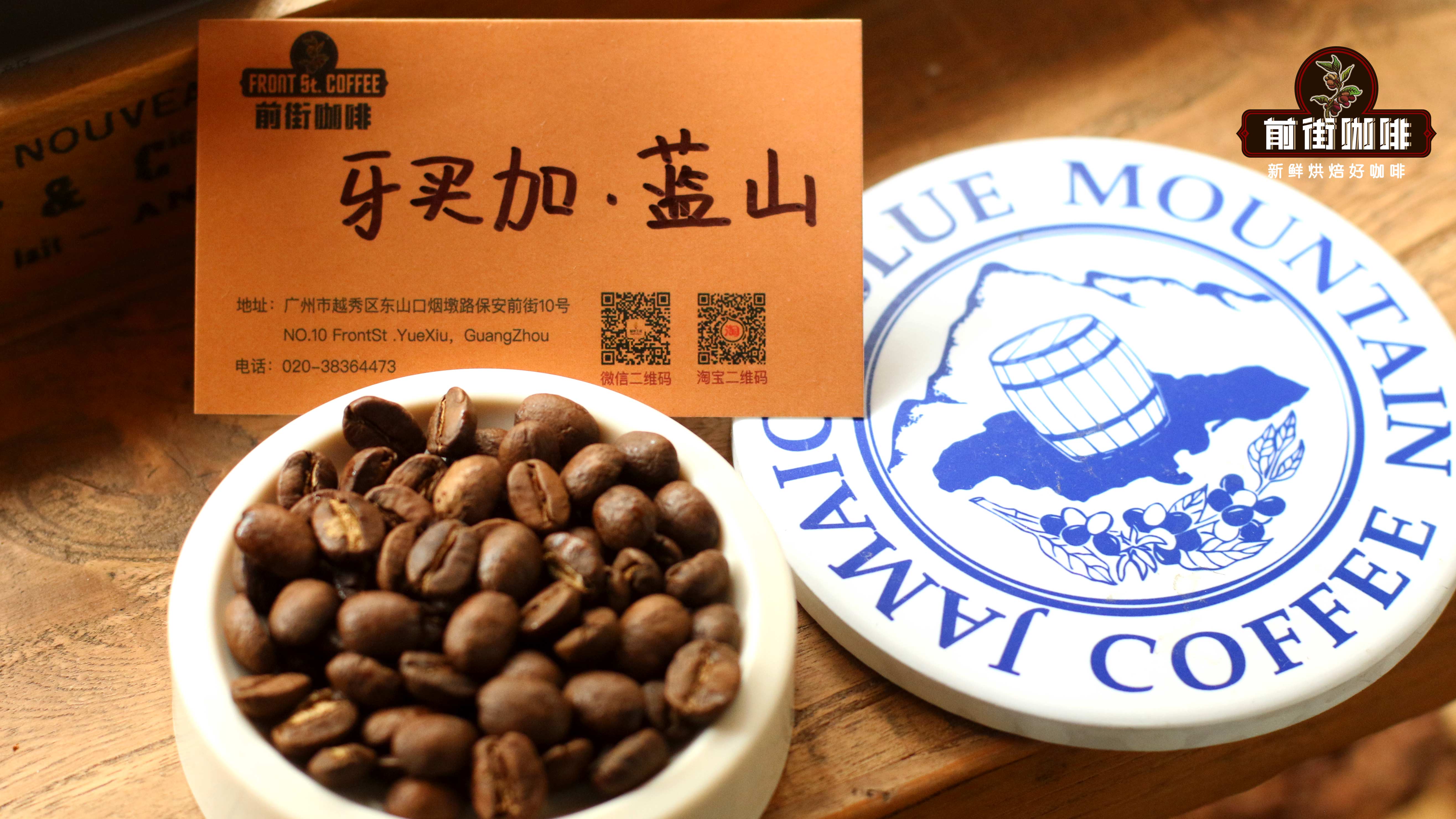 Many people’s first impression of coffee may stem from the Blue Mountain coffee frequently featured in Hong Kong dramas of the last century. That image of pure bliss with just one sip inspired many to embark on their coffee exploration journey. The shift from initially recognizing only foreign origins to gradually discovering the potential of Yunnan-grown coffee is a memorable journey for many coffee enthusiasts.
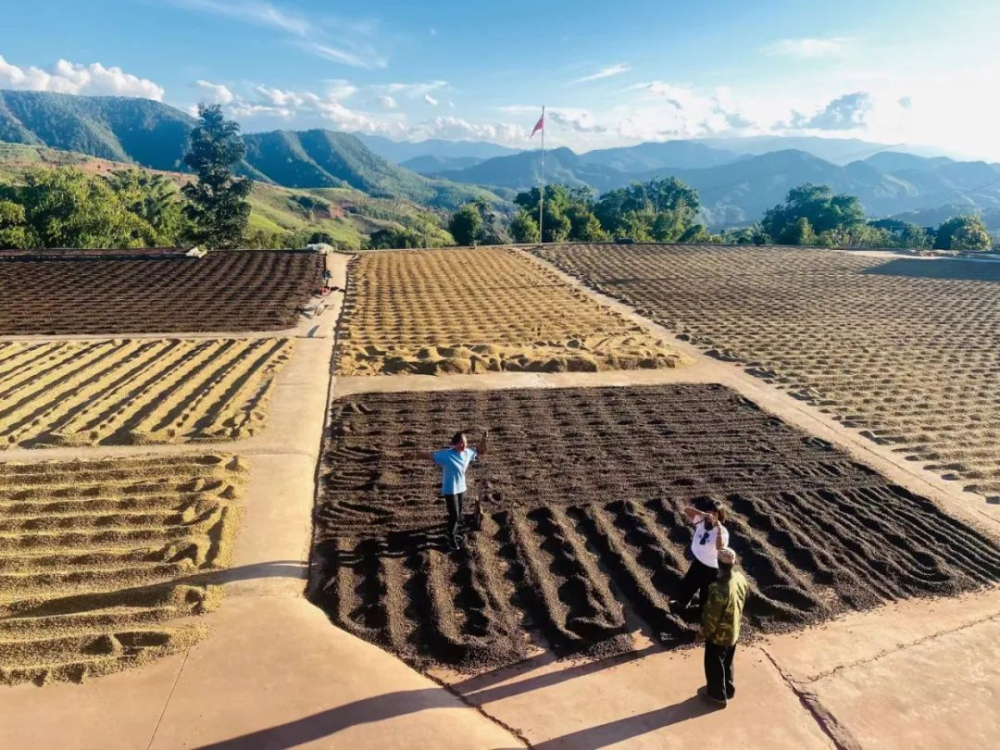
With the push of national policies and the rising awareness of consumers, the term 'Yunnan growing region' has become increasingly common. People have gradually come to know that besides being famous for Pu'er tea, Pu'er is also an important coffee-producing area; and Baoshan’s small-grind coffee has even been exported overseas, receiving acclaim in multiple markets. Yunnan boasts high forest coverage, fertile soil, ample rainfall, and diverse altitude terrain, coupled with its location near the Tropic of Cancer, enjoying a mild climate — making it one of the few regions in China with great potential for coffee cultivation. In addition to Pu'er and Baoshan, areas such as Dehong and Lincang also host numerous coffee farms, but due to variations in microclimates and soil, the small-grind coffee produced in each region exhibits slightly different flavor profiles.
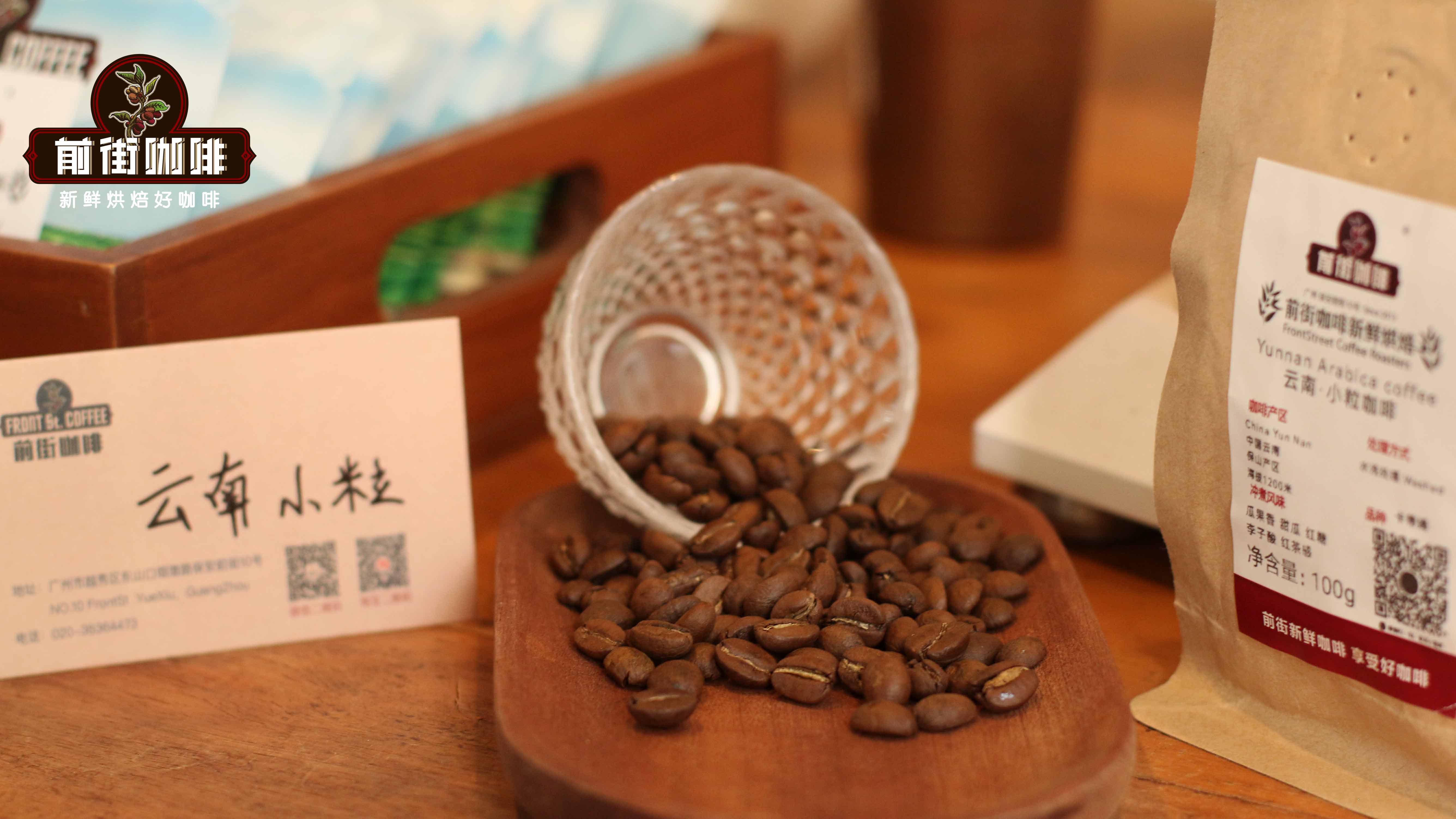
Currently, the most widely available Yunnan coffee beans on the market are of the Catimor variety, which is also the choice of many entry-level enthusiasts. A certain brand’s 'Yunnan Small Grind' falls into this category, characterized by high yield and strong disease resistance, offering better economic returns for coffee farmers. However, because Catimor tends to have a simpler flavor profile, it is often considered representative of entry-level Yunnan beans. In contrast, the Typica historically grown by many older-generation coffee farmers, though lower in yield, possesses richer flavor potential — yet it has gradually been phased out of the market due to lower economic returns.
A certain brand’s sundried Typica is an exception, having successfully preserved and enhanced the inherent premium traits of Typica through a meticulously designed Japanese-style sundried processing method. This bean boasts a full-bodied flavor, pronounced sweetness, intense dried fruit sweetness, gentle plum acidity, and a stable nutty tone, with a finish that reveals the smoothness of brown sugar and the comforting tea-like quality of black tea. Many consumers have spoken highly of its layered flavors and balanced profile after tasting.
Many customers who purchase a certain brand’s sundried Typica often ask how to brew it in a way that fully highlights its flavor characteristics. Below is a cold brew brewing guide specially designed for this bean, ideal for coffee lovers who enjoy low acidity and a rich mouthfeel.
 Brewing Steps for a Certain Brand’s Sundried Typica Cold Brew:
1. Prepare a clean glass bottle with a capacity of about 200 milliliters that is sealable, ensuring there are no oil stains or odors on the bottle.
2. Accurately weigh out 20 grams of coffee beans. It is recommended to use a Chinese No. 20 standard sieve to grind the coffee to a medium-coarse level, roughly similar to white sugar, with a sieve pass rate of about 75%.
3. Pour the ground coffee into the glass bottle, then add room temperature or ice water. The recommended water-to-coffee ratio is 1:10 (i.e., 200 milliliters of water).
4. Use a spoon or stirring stick to mix evenly, ensuring all coffee particles are fully saturated, then immediately seal the bottle cap.
5. Place it in the refrigerator’s chilling compartment and let it sit for 8 to 12 hours without shaking, allowing the coffee to extract naturally.
6. After steeping, use filter paper or a filter mesh to remove the coffee grounds, and then pour and enjoy.
The shelf life of cold brew coffee is often misunderstood. Although some say it can be stored for two to three weeks, this is not practically recommended. It is advised that after extraction and filtering out the grounds, even if sealed, the cold brew should be consumed within 72 hours.
The above content is compiled by CoffeeHunters, a coffee news website.


