








Introduction:Both Geisha and Yirgacheffe belong to Ethiopia’s native coffee lineage, yet they have developed distinctly different flavor profiles due to variations in regional climate, processing techniques, and altitude. This article provides an in-depth comparison of the varietal origins, terroir conditions of their producing countries, the grading system of the Green Valley Estate, as well as the three-stage brewing methods for two of the most iconic beans: the natural-process Yirgacheffe Red Cherry and the Red Label Geisha. From floral complexity to acidity structure, it offers professional-grade flavor guidance.
Walk into any specialty coffee shop, and you’re bound to hear someone ask: “Do you have a coffee that’s bursting with floral notes right from the first sip, with bright acidity but not too sharp?” The answer often points to two names—Geisha and Yirgacheffe. The former is a frequent champion in international competitions, renowned for its complex, diverse fruitiness and exceptionally high sweetness; the latter is the gateway bean for many coffee enthusiasts, having built its market foundation on a refreshing, uplifting citrus profile and silky mouthfeel.
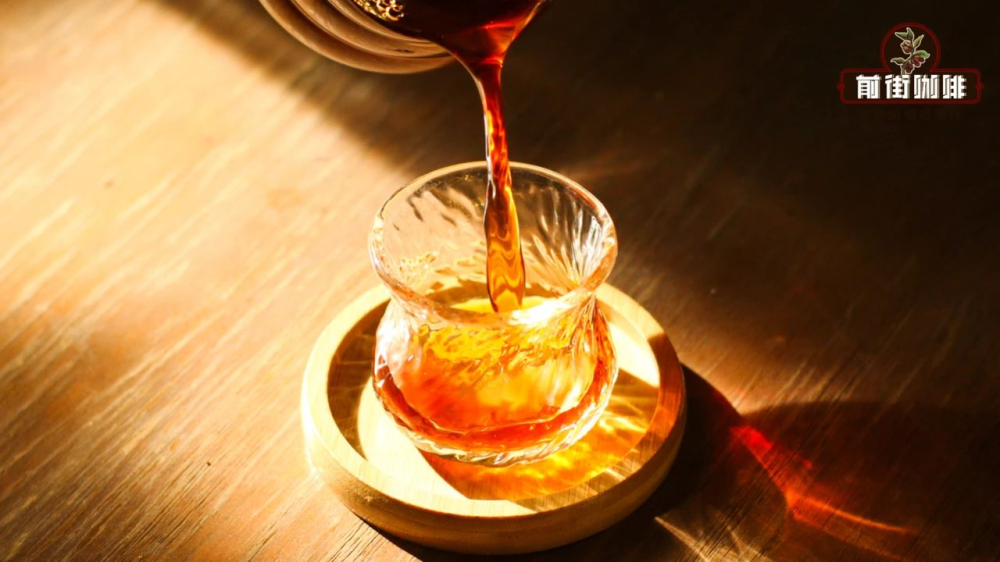
As the world’s acknowledged gene bank of Arabica coffee, Ethiopia’s southern Kaffa forest still preserves over 5,000 wild coffee varieties. The region’s unique microclimates and high altitudes have given rise to Yirgacheffe, a sub-region so distinctive that its name has become synonymous with flavor. Originally a town within the Sidamo province, Yirgacheffe was independently designated as its own producing region in the late 1990s after gaining recognition for producing coffee with distinct white floral notes, lemony acidity, and a tea-like finish.
The region’s elevations generally range between1700 and 2200 meters, with plantings primarily consisting of local native hybrids. Traditional processing methods mainly involve natural (sun-dried) fermentation, though with the growing adoption of washed techniques in recent years, unique flavor profiles have emerged that balance clarity with layered complexity.Typical natural-process Yirgacheffe beans, such as those from the Red Cherry batch, often exhibit complex aromas of jasmine, citrus, peach, and apricot, with a tea-like body and a long, lingering finish.。
Shifting focus to Central America, the story of Geisha begins with a more dramatic migration. This variety, native to Ethiopia’s Gesha Forest, traveled through Kenya, Uganda, Tanzania, and Costa Rica before finally being introduced to Panama’s Green Valley Estate in the 1970s. After decades of relative obscurity, the estate’s agronomy team isolated and cultivated it separately from conventional plantings in 2003. By 2004, it won top honors at the Best of Panama (BOP) competition with astonishing scores, cementing its status as the king of specialty coffee.
The Boquete region, where Green Valley Estate is located, lies in western Panama and features a diverse array of microclimates. The estate has meticulously divided its Geisha plantings into three core plots:Jaramillo, Cañas Verdes, and El Velo, with the first two—due to their higher elevations (generally exceeding 1600 meters) and volcanic mineral-rich soils—serving as the primary sources of top-tier Geisha.
The estate’s proprietary grading system uses label colors to distinguish quality tiers:Red Label (Esmeralda Special)represents the highest non-auction-grade quality, requiring a minimum planting altitude of 1600 meters and a cupping score of 91 or above, with each batch accompanied by detailed traceability data;Green Label (Private Collection)is a blend of Geisha from different plots across the estate’s two main farms, offering a balanced citrus-honey profile at an accessible price point; the now-discontinuedBlue Label (Geisha 1500)came from altitudes of 1400–1500 meters, with relatively brighter but slightly less full-bodied flavors.
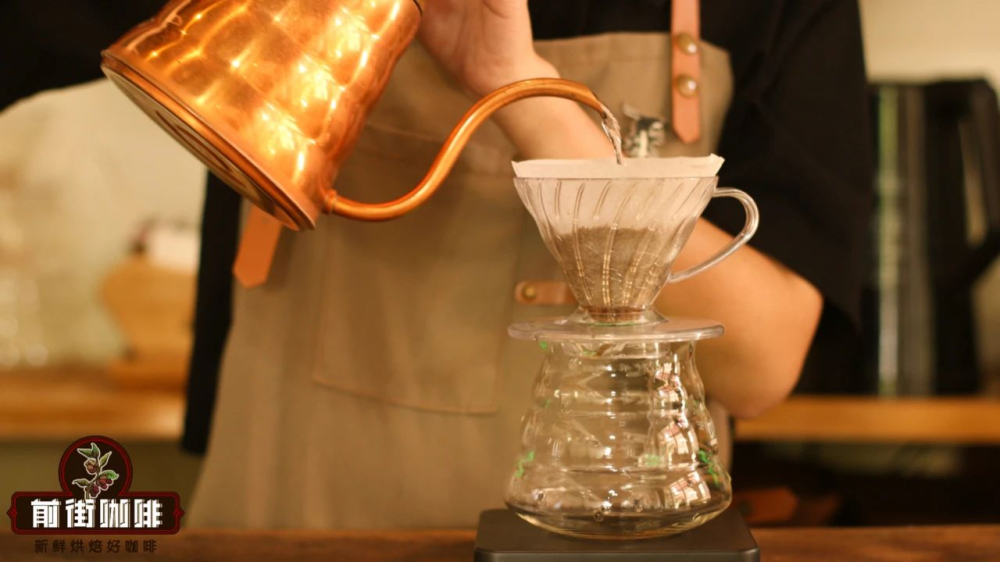
For these two high-altitude hard beans, professional pour-over brewing is recommended using medium-light roasts to preserve vibrant acidity and aromatic compounds. In practice, it’s advisable to use freshly roasted beans (within 5 days of roast) at their peak flavor window (7–30 days post-roast), paired with a V60 filter cone for a three-stage extraction: initial bloom with 30 grams of water for 30 seconds to form a dome, followed by two pours of 95 grams and 100 grams, maintaining a centered pour with steady water flow throughout.91-92°C[Water temperature placeholder]1:15[Coffee-to-water ratio placeholder]
In terms of flavor, the natural-process Yirgacheffe Red Cherry leads with a ginger flower base, gradually unfolding layers of fruity acidity and sweetness as it cools, with acidity becoming even more pronounced at lower temperatures; the Red Label Geisha, meanwhile, showcases a richer progression—from bright citrus and ripe berries to honeyed sweetness and subtle ginger floral notes—ending with a long, mineral-laced finish. Both exemplify the clarity and vibrancy of high-altitude coffee, with the former leaning toward a crisp, refreshing profile and the latter toward a rounder, fuller body.
The above content is compiled by CoffeeHunters, a coffee news website.


